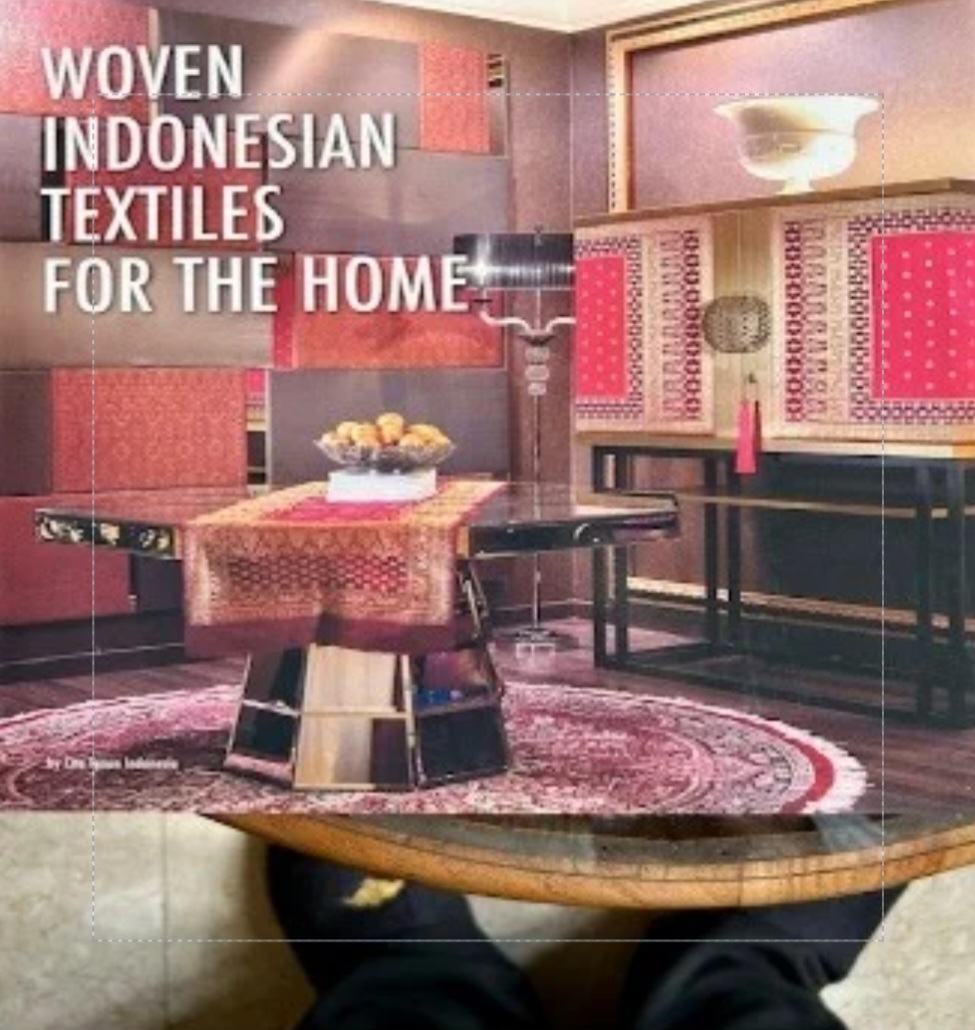
Author: Sian E. Jay, 2012. 163pgs. (English). Hardcover
Publisher: Yayasan Tenun Indonesia, Jakarta
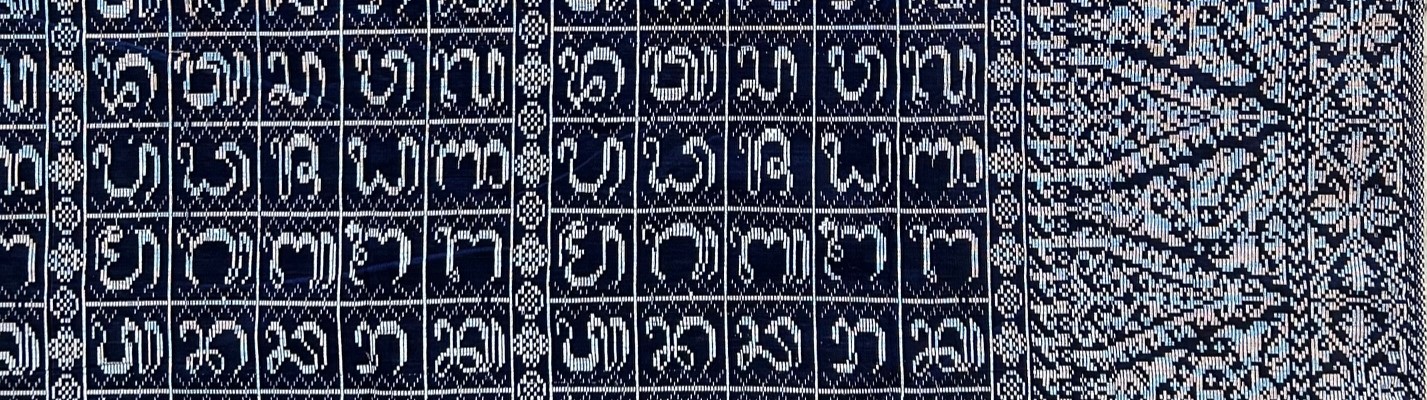
This volume illuminates the enduring significance of Indonesian hand-loomed textiles, notably ikat and batik, by tracing their trajectory from ceremonial regalia into the realm of contemporary interior design and refined living. Beyond aesthetic adaptation, the work underscores how these fabrics embody layered cultural meanings: they are not merely decorative objects but carriers of social identity, ritual symbolism, and collective memory. The book’s principal strength lies in its emphasis on modern applications. It deftly bridges the divide between historical preservation and present-day lifestyle, offering imaginative strategies for integrating richly textured fabrics into domestic and professional spaces. In doing so, it demonstrates how traditional weaving practices can be recontextualized without erasing their cultural resonance, thereby sustaining dialogue between heritage and innovation. Visually, the book is striking; it functions as both a mood board and a reservoir of inspiration for interior designers, collectors, and textile connoisseurs. Its lavish imagery foregrounds the aesthetic potential of these fabrics while simultaneously inviting reflection on their ethnographic depth — the ways in which motifs, dyes, and weaving techniques encode cosmological beliefs, kinship structures, and regional identities. It must be noted, however, that the text does not aspire to serve as a comprehensive anthropological treatise or a technical manual for practitioners of weaving. Rather, its orientation is toward the stylistic and decorative possibilities of Indonesian textiles. As such, it is particularly valuable for home decorators, lifestyle enthusiasts, and design professionals, while less directly relevant to academic researchers seeking exhaustive ethnographic or technical analysis. Nevertheless, by situating textiles at the intersection of cultural heritage and modern design, the book contributes meaningfully to broader discourses on material culture and the adaptive vitality of tradition.
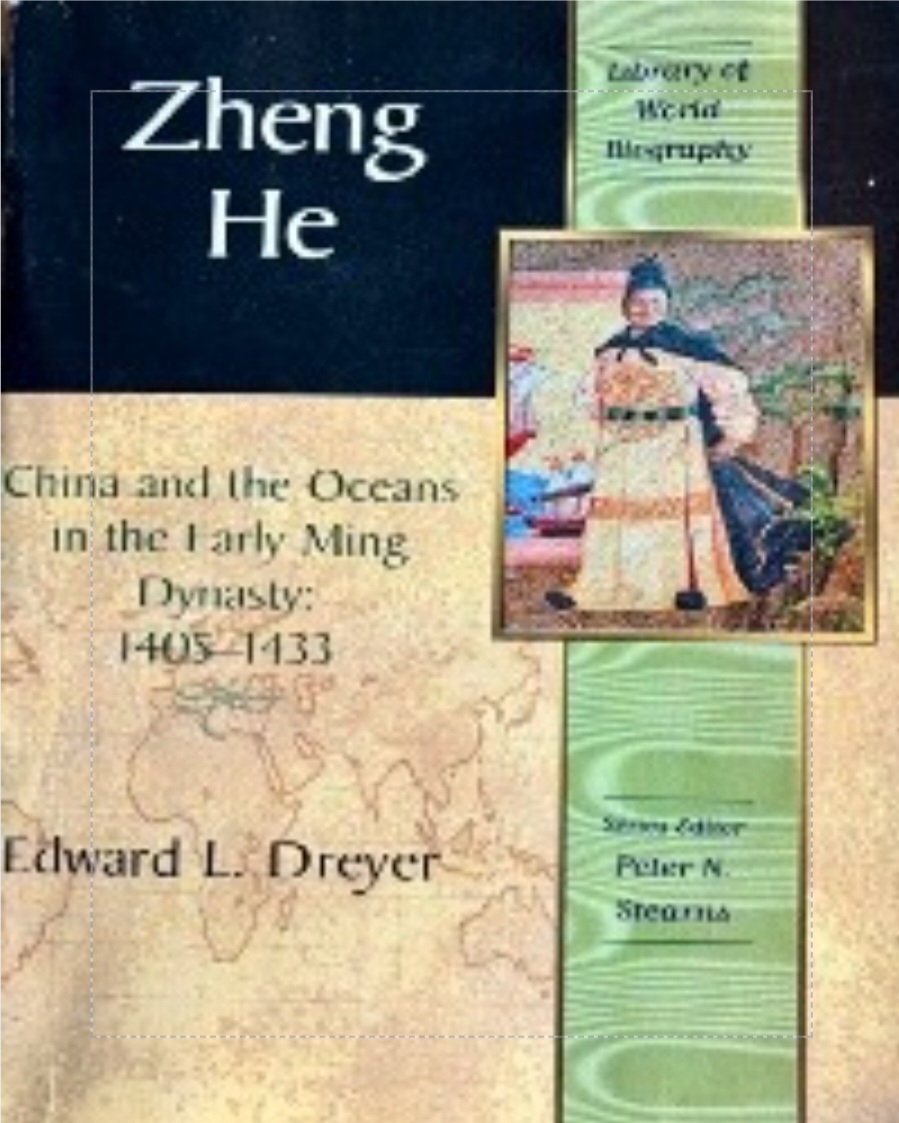
Author: Edward L. Dryer, 2007. 238pgs. (English). Softcover The Library of World Biography.
Publisher: Pearson, Longman, London
This volume, part of Longman’s Library of World Biography Series, situates Zheng He within the broader framework of early Ming maritime policy. While Chinese sources document his career extensively, the author seeks to probe Zheng He’s personality and intellectual world, though evidence remains limited. The study emphasizes that his expeditions were not commercial ventures but strategic demonstrations of Ming authority. Framed as “power projection,” the voyages compelled South and Southeast Asian polities to acknowledge the emperor’s supremacy through the tributary system, which exchanged local tribute for imperial recognition, gifts, and calendars. By contextualizing these missions within early Ming politics, the book highlights their role in shaping China’s external posture and its long-term ambivalence toward overseas engagement.
Page 108 of 108