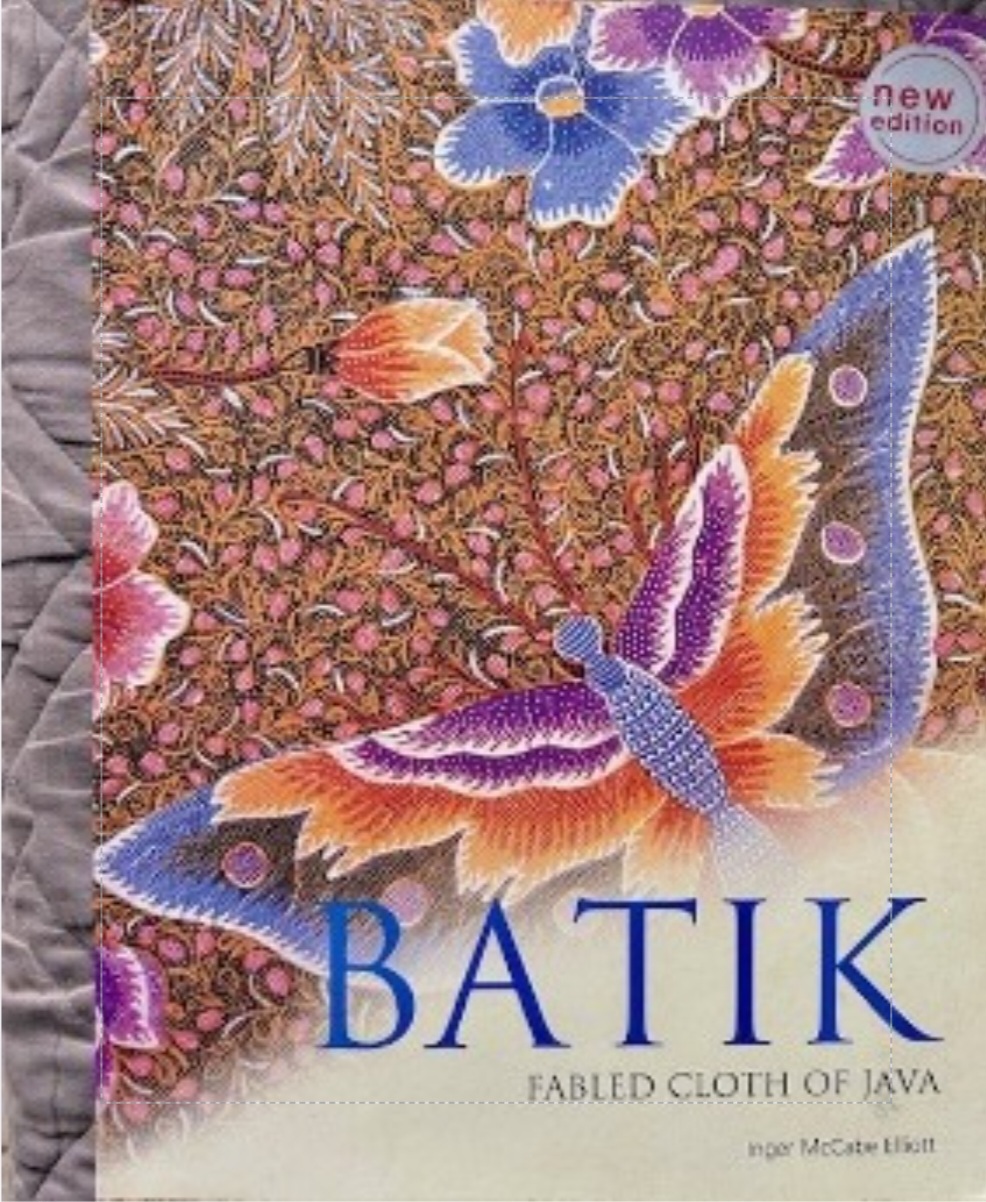
Author: Inger McCabe Elliott, 2004, 239pg. (English), Softcover
Publisher: Periplus Editions, Hongkong
This volume constitutes a seminal contribution to the study of batik, marking a significant milestone in the historiography of textile arts. Authored by Inger McCabe Elliott, it guides the reader on a captivating exploration of Java’s northern littoral, elucidating the intricate interplay of customs, cultural practices, and artisanal mastery that imbue this “magic cloth” with enduring distinction. Lavishly produced and now regarded as a classic reference, the book is enriched with sumptuous color plates showcasing exemplary antique and contemporary batik drawn from thirty museums and private collections worldwide. Its scope extends from the royal courts of Yogyakarta and Cirebon to the coastal centers of Pekalongan, Surabaya, and Lasem. Complementing these visual treasures are historical photographs, etchings, engravings, maps, and modern depictions of Java, thereby situating batik within both its historical continuum and contemporary resonance. The work is the culmination of years of meticulous collecting and immersive field research by a distinguished photojournalist whose encounter with the batik traditions of Java’s north coast proved transformative, altering the trajectory of her life and scholarship.
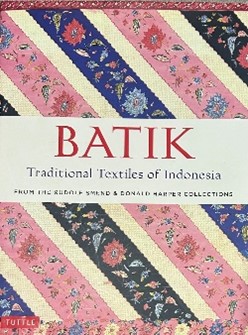
Author: Rudolf Smend et al. 2016. 176 pg. (English)
Publisher: Tuttle & Smend Gallery, Cologne, Germany
This book is part of a series focused on Indonesian batik, featuring pieces that have never been published before. Smendt has invited many batik enthusiasts from his generation to share their expertise and passion for batik within its pages.
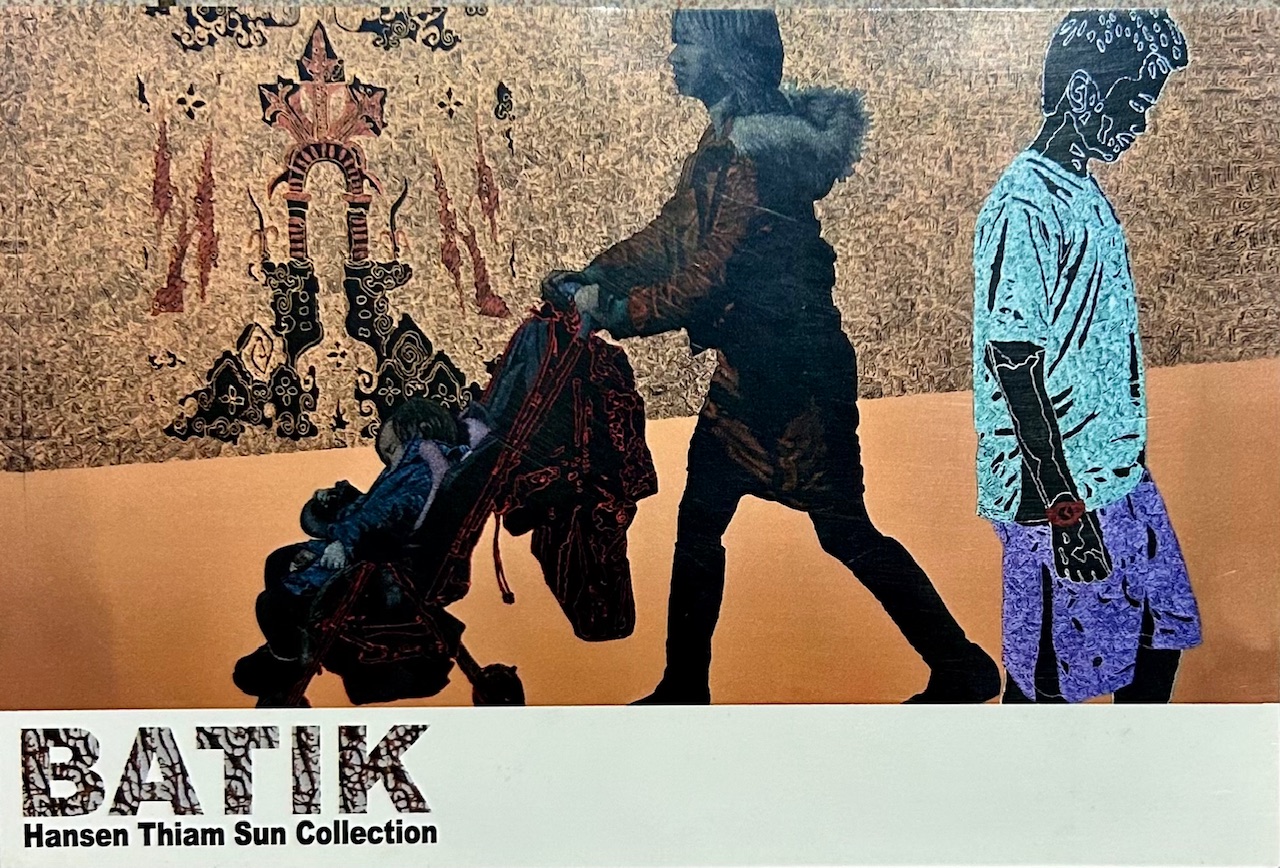
Author: Hermawati Wiriadinata, 2010. 107pg. (Indonesian and English)
Publisher: Unknown
This book decisively showcases batiks from the northern coast of Central Java, particularly from the Kedungwuni area in Pekalongan. It highlights the collector’s deep passion for batiks created by Indo-Chinese and Indo-Dutch studios, which span a significant period from the late 18th century to the first half of the 19th century. The book thoroughly examines various pieces from this region, emphasizing both the signed batiks from Pekalongan and the unsigned ones.
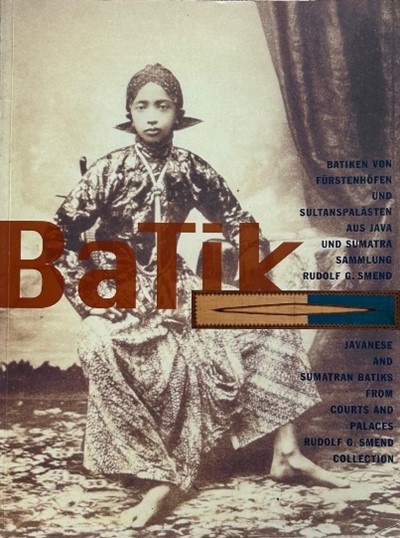
Author: Rudolf G. Smend, 2000. 211pg. (German and English)
Publisher: Galeri Smend, Cologne, Germany
A book featuring images of batik pieces from the Javanese and Sumatran courts, with an introduction by Brigitte Khan Majlis discussing Javanese batiks. This is followed by a catalog showcasing batik pieces from the collections of Rudolf Smend and Don Harper.
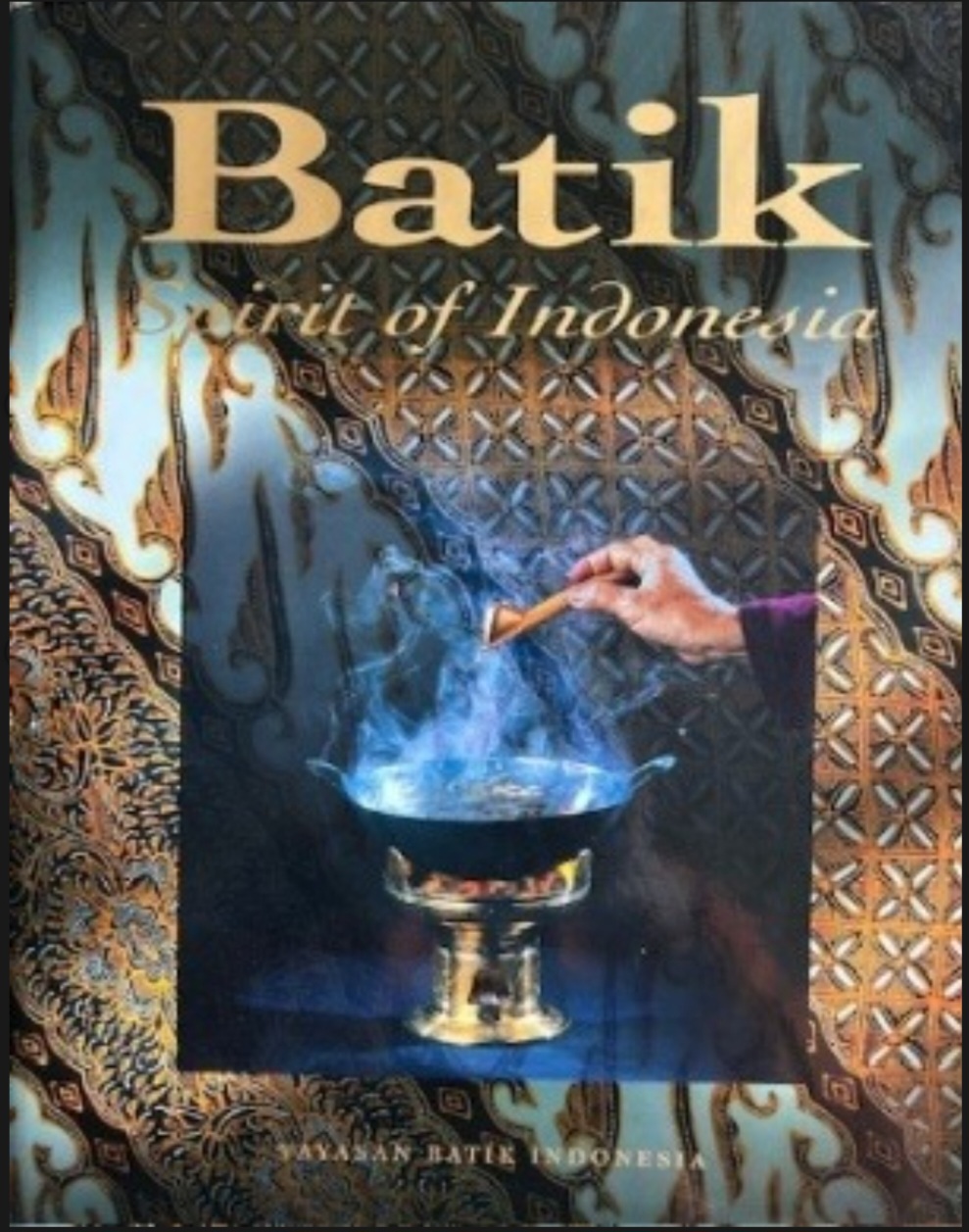
Author: Judi Achjadi (editor), 1999, 232pg. (English). Hardcover
Publisher: Yayasan Batik Indonesia, Jakarta
This huge volume is publihed by the Indonesian Batik Foundation, with contributions from Rony Siswandi (Roots of Tradition), Nian S, Djoemena (Regional Variations), KRHT Hardjonagoro (Motifs and Meanings), Judi Achjadi (Batik in the 20th century), Asmoro Damais (Batik in the House), Suwarno Wisetrotomo (Batik in Art), and Iwan Tirta (Batik in Fashion). The book has become a reference book for many who want to learn more about this wax resist cloth and is considered now a work of art.
Page 17 of 108