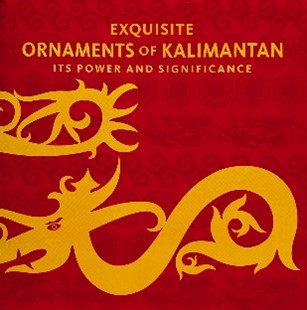
Author: Juni K.F. Djamaloeddin et al. 2014. 195pg. (English)
Publisher: Indonesian Crafts Council / DEKRANAS, Jakarta
Ornaments are deeply connected to the values of the communities that create them. In Kalimantan, they hold significant cultural importance for the Dayak tribe, showcasing motifs inspired by the local flora, fauna, and human environment of the forests. This book organizes ornaments according to the materials used, including stone, tattoos, textiles, weaving, beads, and wood. Each material features distinct processing techniques that reflect its role in Dayak cosmology.
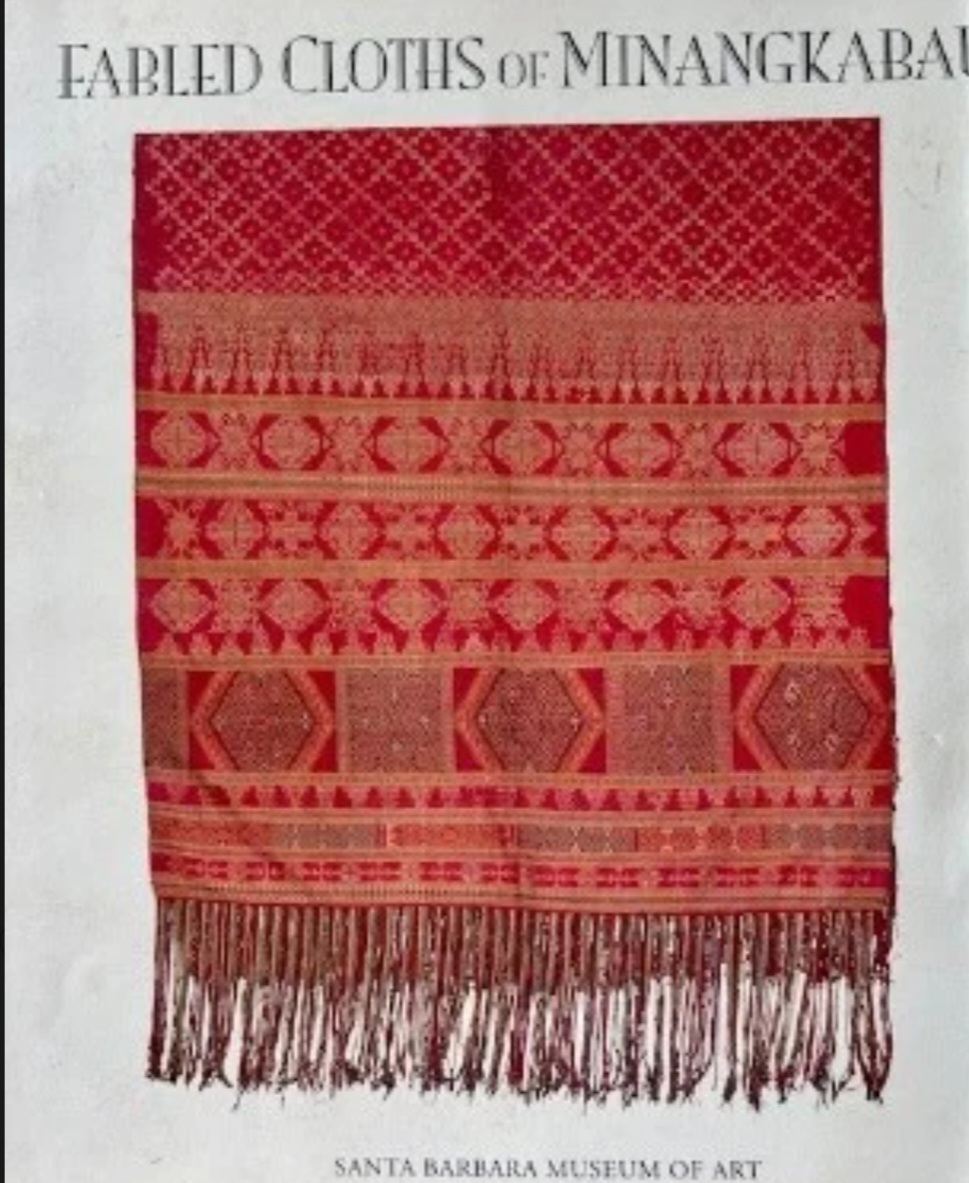
Author: Anne & John Summerfield, 1991, 56pg. (English), Softcover
Publisher: Santa Barbara Museum of Art, California, USA
This catalog serves as a distinguished precursor to the Summerfield’s Grand Exhibition, which showcased the exquisite artistry of Minangkabau songkets. Beyond functioning as a preview of the exhibition, the catalog offers a concise yet substantive introduction to the cultural heritage of the Minangkabau people. It highlights the significance of ceremonial garments, elucidates the intricate materials and weaving techniques employed in the production of songket, and provides an analytical overview of the diverse regional characteristics that inform stylistic variations. In doing so, the catalog not only contextualizes the artistry within its cultural framework but also underscores the broader socio-historical importance of textile traditions in Minangkabau society.
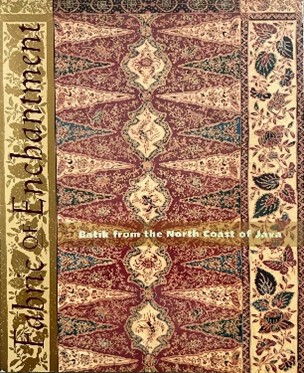
Author: Rens Heringa & Harmen C. Veldhuisen, 1997. Second edition. 239 pg. (English)
Publisher: Weatherhill, United Kingdom
Essays by experts on the subject explore 82 exquisite batiks from the north coast of Java, examining them from historical, cultural and aesthetic perspective. From the Inger McCabe Elliott Batik collection assembled over three decades and put on display at the Los Angelos County Museum of Art in 1991.
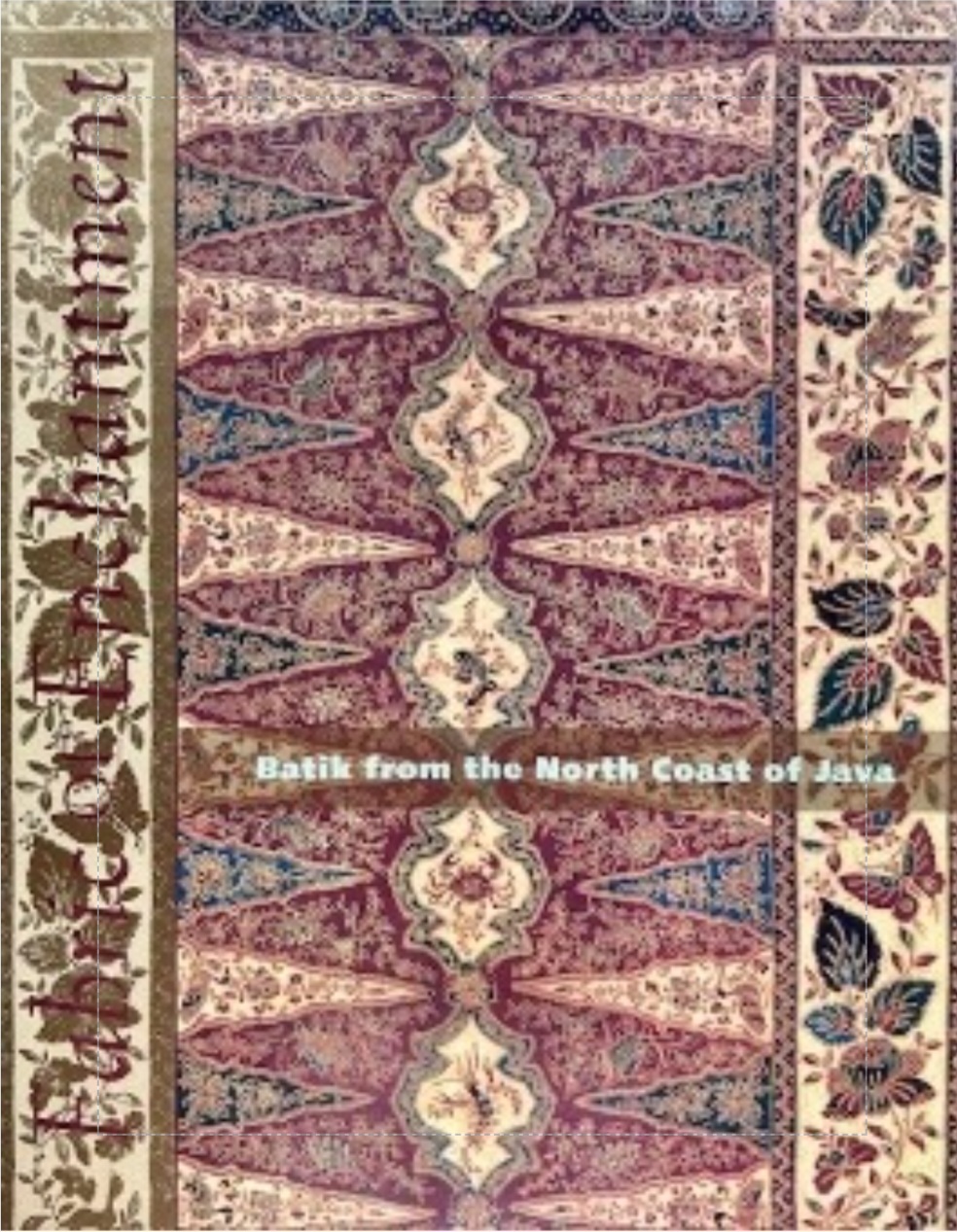
Author: Rens Heringa & Harmen Veldhuisen, 2000 (tenth edition), 239pg. (English). Hardcover
Publisher: Weatherhill, NY & Los Angelos County Museum of Art, California
The volume, published in conjunction with an exhibition, offers a remarkable and comprehensive overview of batik traditions from the northern coast of Java. The textiles presented are distinguished by extraordinary diversity in both design and chromatic range. Characterized by fanciful, highly imaginative motifs and luminous hues, these works possess an immediate visual appeal that contrasts sharply with the more restrained indigo and earthy brown batiks of Central Java. Authoritative essays by leading scholars examine the eighty-two featured textiles through historical, cultural, and aesthetic lenses, situating them within broader artistic and social contexts. These essays are complemented by biographical accounts of eminent batik designers and entrepreneurs, followed by a meticulously detailed catalogue of the exhibited works. The appendices further enrich the volume by documenting design formats, recurring motifs, and the complete production processes characteristic of North Coast batik traditions.
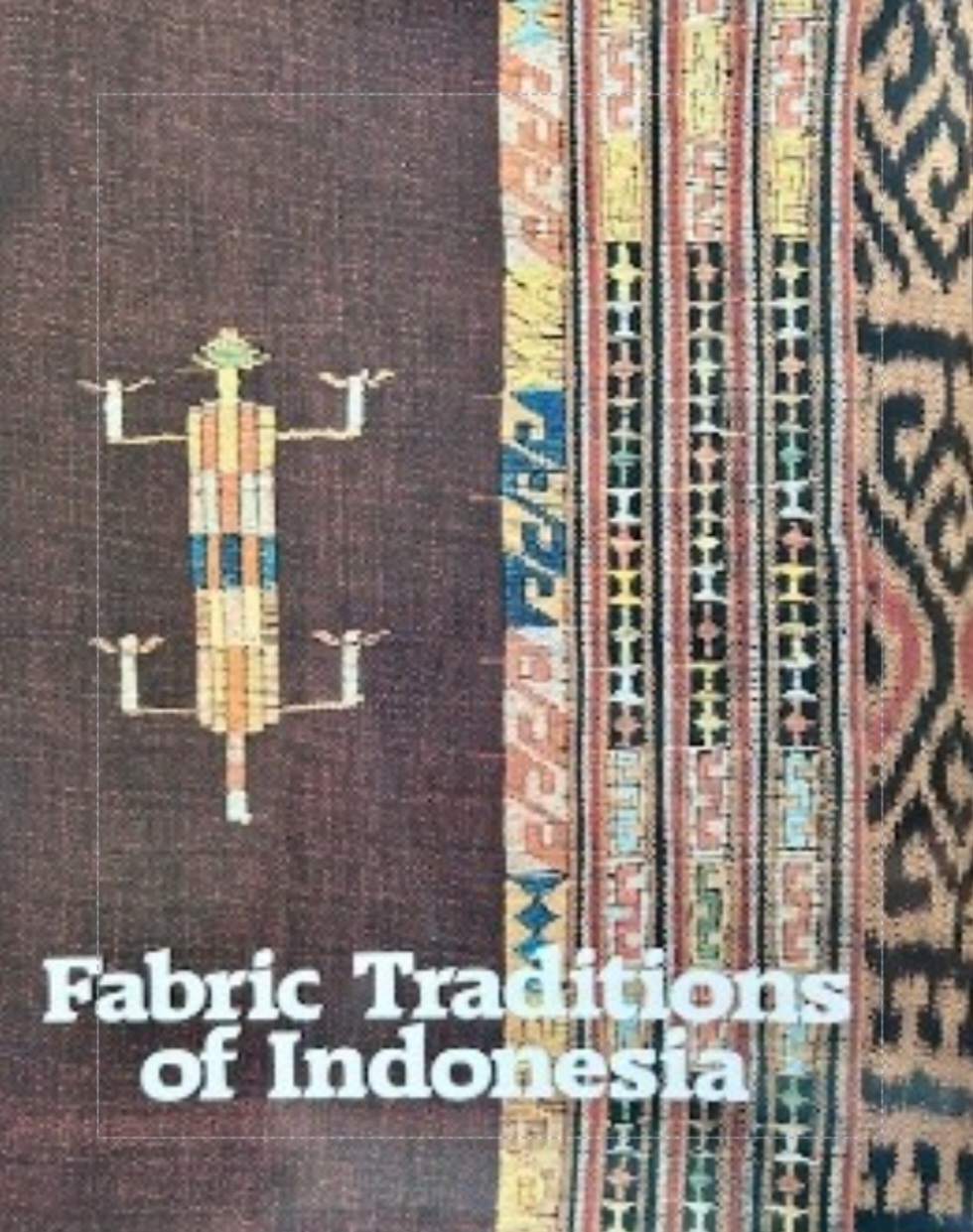
Author: Bronwen and Garrett Solyom, 1990. 60pgs, (English).
Publisher: Washington State University Press & Museum of Art, WSU, Pullman, Washington
The catalogue was first issued in conjunction with the exhibition Fabric Traditions of Indonesia, organized by the Museum of Art at Washington State University. The volume opens with an exploration of textile traditions and the production of bark cloth, before progressing to beads and shells, which serve as resonant symbols of ancient trade networks. Subsequent sections examine warp stripes and warp ikat, the introduction of exotic silks, and the interplay of ships and trees within cotton supplementary weft traditions. The discussion then turns to cloth painting and batik, situating these practices within broader traditional techniques while also highlighting puzzles and innovations that have emerged over time. The catalogue concludes with a curated selection of ceremonial skirts, exemplifying the aesthetic richness and cultural significance of Indonesian textile heritage.
Page 29 of 108