Author: Editorial Team, 2005, 36pg. (Spanish & English). Softcover. Catalog
Publisher: Himpunan Wastraprema, Jakarta
The exhibition was convened at the Indonesian Embassy in Madrid from 21 to 27 April 2005. It showcased an exceptional selection of traditional Indonesian textiles drawn from the private collections of Wastraprema members. This cultural presentation not only highlighted the aesthetic richness and technical mastery of Indonesia’s textile heritage but also underscored the role of Wastraprema in safeguarding and promoting these artisanal traditions within an international context.
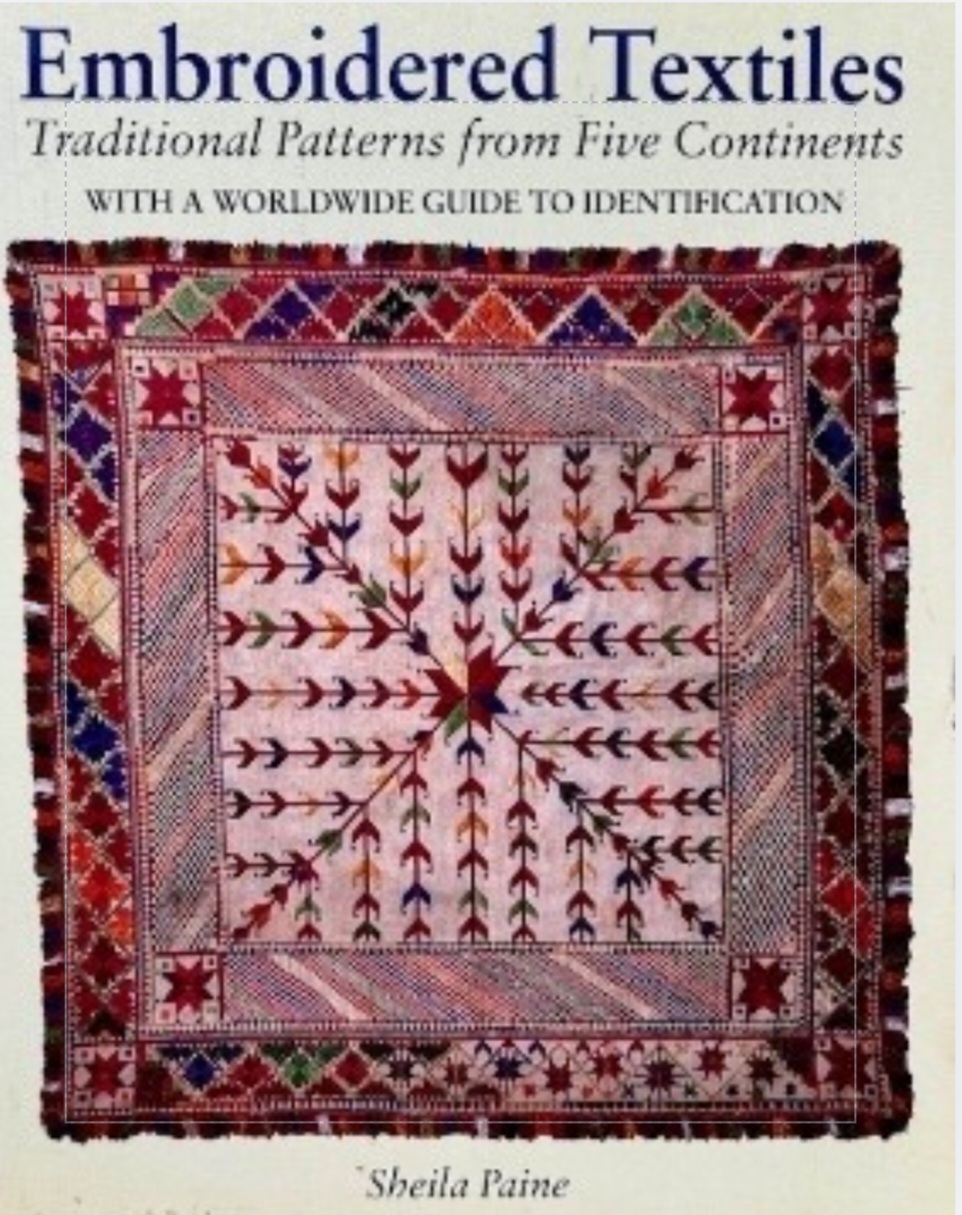
Author: Sheila Paine, 1990, 192pg. (English). Softcover
Publisher: Thames and Hudson, London
One of the earliest volumes to undertake a detailed examination of the symbolism embedded within the motifs and designs that animate exquisite embroidered textiles presents a remarkable panorama of embroidery traditions from across the globe. The text, both engaging and authoritative, elucidates the intricate relationship between these designs and the diverse religions, cultural practices, and ritualistic traditions from which they emerge. The work is further enriched by a comprehensive regional guide, offering readers a systematic framework for understanding the geographical breadth and cultural depth of embroidery.
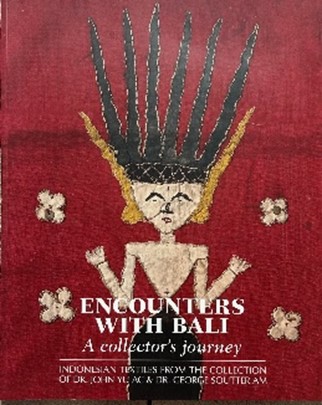
Author: Catalogue. 2014. 88pg. (English)
Publisher: Mosman Art Gallery, NSW, Australia.
This catalog was published in conjunction with an exhibition with the same name at the Mosman Art Gallery in Australia. It showcases Indonesian textiles from the collection of Dr. John Yu AC and Dr. George Saoutter AM. The book includes essays by Siobhan Campbell, along with a display of textiles and other objects from Bali.
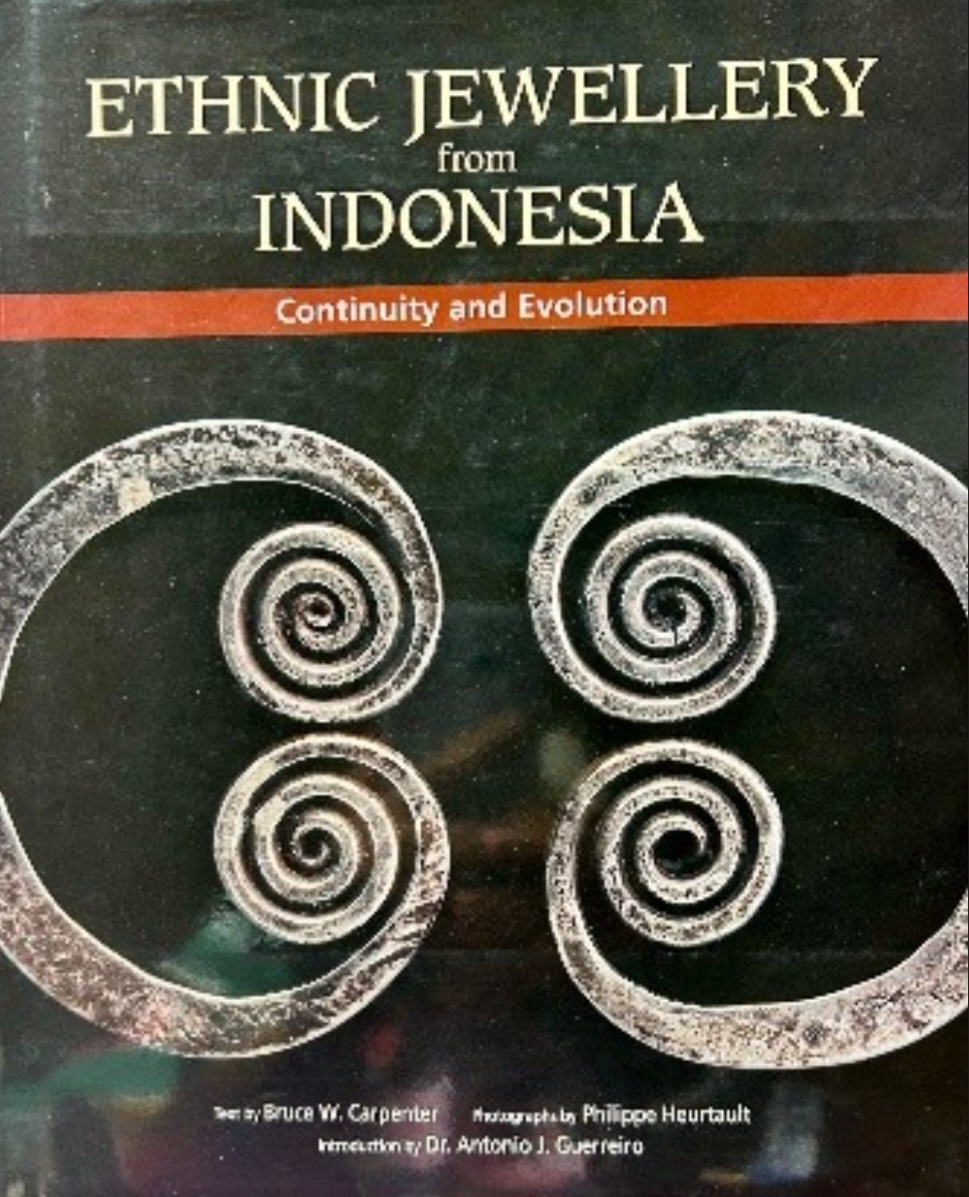
Author: Bruce Carpenter (Editor), 2011, 328 pgs. (In English), Hardcover
Publisher: Editions Didier Millet, Singapore
This volume presents nearly six hundred pieces of jewelry collected over three decades by Manfred Giemann, offering a remarkable testament to the enduring artistic traditions of Indonesia’s indigenous communities. It illuminates the ancient practice of body ornamentation through the lens of material culture, tracing the use of gold, silver, brass, ivory, shell, and animal teeth as mediums of aesthetic and symbolic expression. The introductory essay, authored by Dr. Antonio Guerrero—an authority on Southeast Asian Arts and Culture—provides a historical framework for understanding the evolution of these adornments. Complementing this perspective, Carpenter contributes a study entitled Jewelry: Continuity and Evolution, which examines the persistence and transformation of ornamentation across diverse tribal groups, including those of Sumatra, Borneo, Sulawesi, Lombok, Sumba, Savu, Flores, Alor, West Timor, Timor-Leste, and Maluku. Together, these contributions situate Giemann’s collection within a broader discourse on cultural heritage, identity, and artistic continuity.
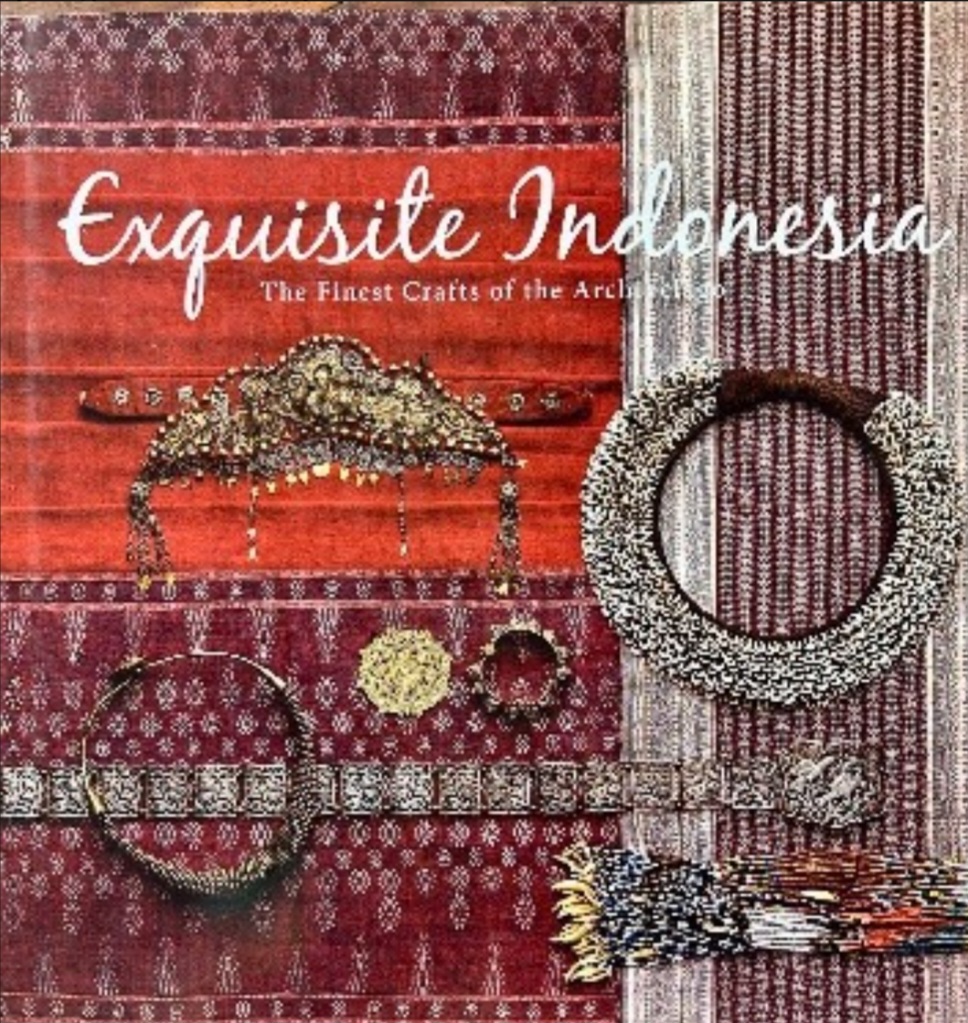
Author: Judi Achjadi, 2009, 248 pgs. (In English), Hardcover
Publisher: The National Craft Council of Indonesia, Jakarta
Handcrafting has shaped human civilization since its inception. Early societies transformed shells, stones, and bones into tools and symbolic adornments, while tattoos and cave paintings expressed identity and ritual meaning. As techniques advanced, clay vessels, woven fibers, carved bamboo, and patterned textiles emerged, alongside metalwork forged into jewelry, weapons, and sacred figures. The finest creations were reserved for worship and royalty, where craftsmanship embodied both devotion and authority. Within this long tradition, Indonesian artisans hold a distinctive place. Exquisite Indonesia: The Finest Crafts of Indonesia illustrates how these practices have remained central to daily life, evolving across generations rather than fading into obscurity. Curated from diverse regions, Indonesian handicrafts exemplify cultural continuity and refinement, representing not only utility and beauty but also the enduring spirit of artistry that defines civilization.
Page 28 of 108