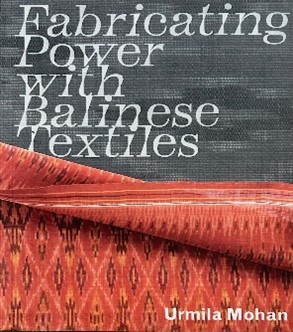
Author: Urmila Mohan, 2018. 149 pg. (English)
Publisher: Bard Graduate Center Gallery, New York
This catalog is published in conjunction with an exhibition carrying the same title at the Bard Graduate Center Gallery, American Museum of Natural History, New York.
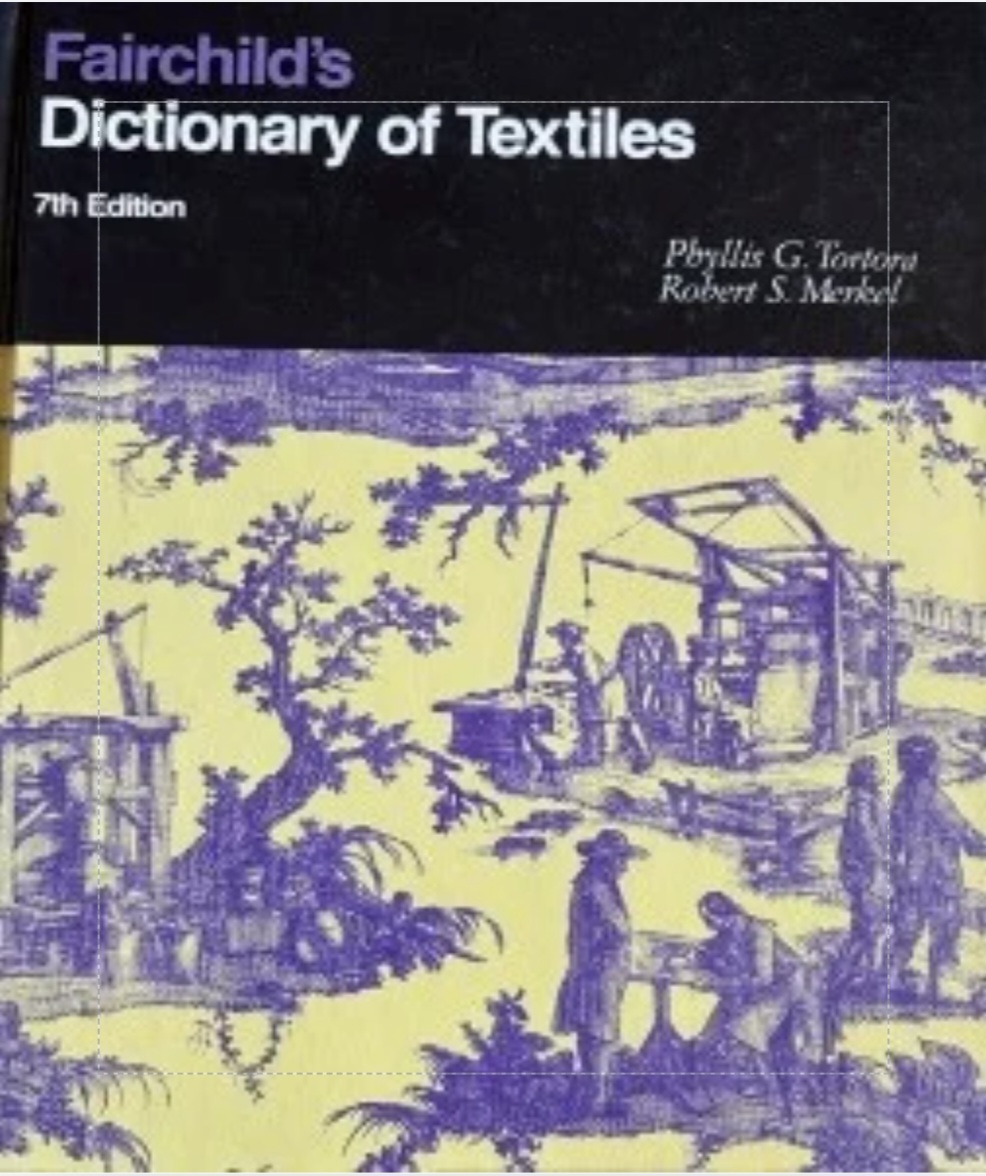
Author: Phyllis G.Tortora, Robert S. Merkel, 2007, 662pgs. (English), Hardcover
Publisher: Fairchild Publications, New York
This seminal text demystifies all the terminology around working with textiles today. Providing definitions of fabrics and lawsp manufacturing, new technologies and processes. Entries cover fibers, cesses, and biobased textiles, intelligent and 3D features, and even some historical terms you need to know. The updated Dictionary in 2025 includes coverage of sustainability, smart materials and bio-based textiles, intelligent and 3D-manufacturing, new technologies and processes. Entries cover fibres, fabrics, laws and regulations affecting textile materials and processing, inventors of textile technology, and business and trade terms relevant to textiles. Highly illustrated with over 400 images, entries include pronunciation, derivation, definition, and uses.
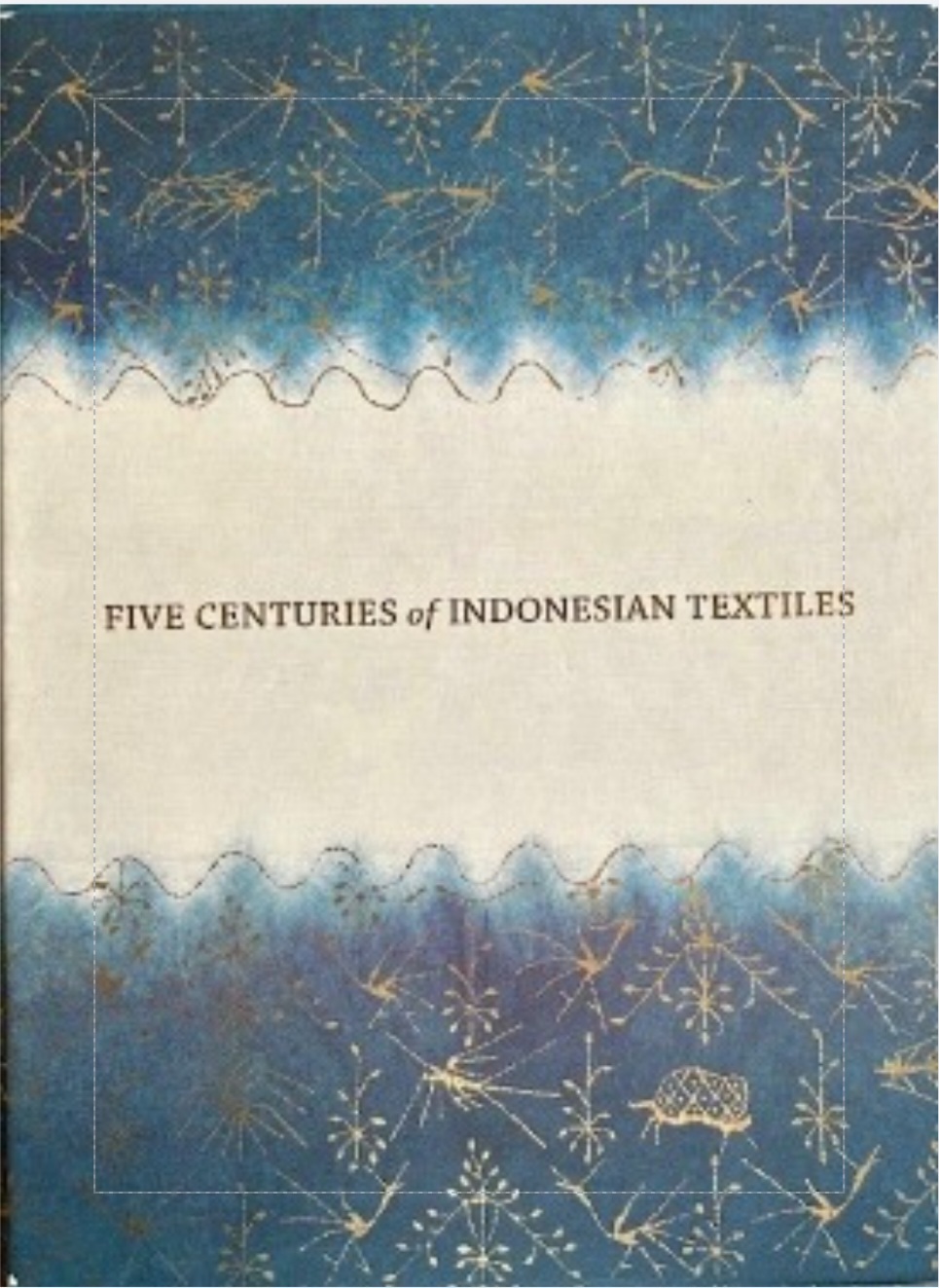
Author: Ruth Barnes and Mary Hunt Kahlenberg – editors. Contributions by Ruth Barnes, Traude Gavin, Roy Hamilton, Rens Heringa, May Hunt Kahlenberg, Marie-Louise Nabholz- Kartaschoff, and Toos van Dijk. 2010. 408 pgs. (English). Hardcover (cloth).
Publisher: Delmonico books, Prestel, Californa, USA
This volume represents a distinguished and meticulously illustrated compendium on Indonesian textiles across the centuries. Elegantly encased within a protective sleeve, the book offers readers an illuminating introduction to the intricate aesthetic and cultural significance of Indonesia’s traditional cloths. Since the 1970s, Mary Hunt Kahlenberg has curated an extraordinary collection of ceremonial garments and sacred textiles spanning five centuries. The assemblage encompasses woven and batiked wall hangings, ceremonial mats, jackets, shoulder cloths, and head coverings—each exemplifying the profound artistry and symbolic resonance embedded in Indonesian textile traditions.
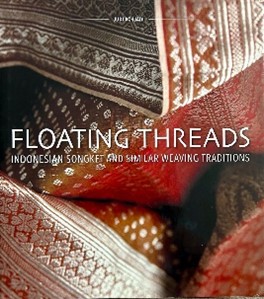
Author: Judi Achjadi, 2016. Second edition. 300 pg. (English)
Publisher: BAB Publishing
The book aims to catalog float weave techniques, featuring images from provincial museums and private collections. The photographed textiles range from the 19th century to the present, complementing the text, which explores the distant past and includes recent experimental techniques.
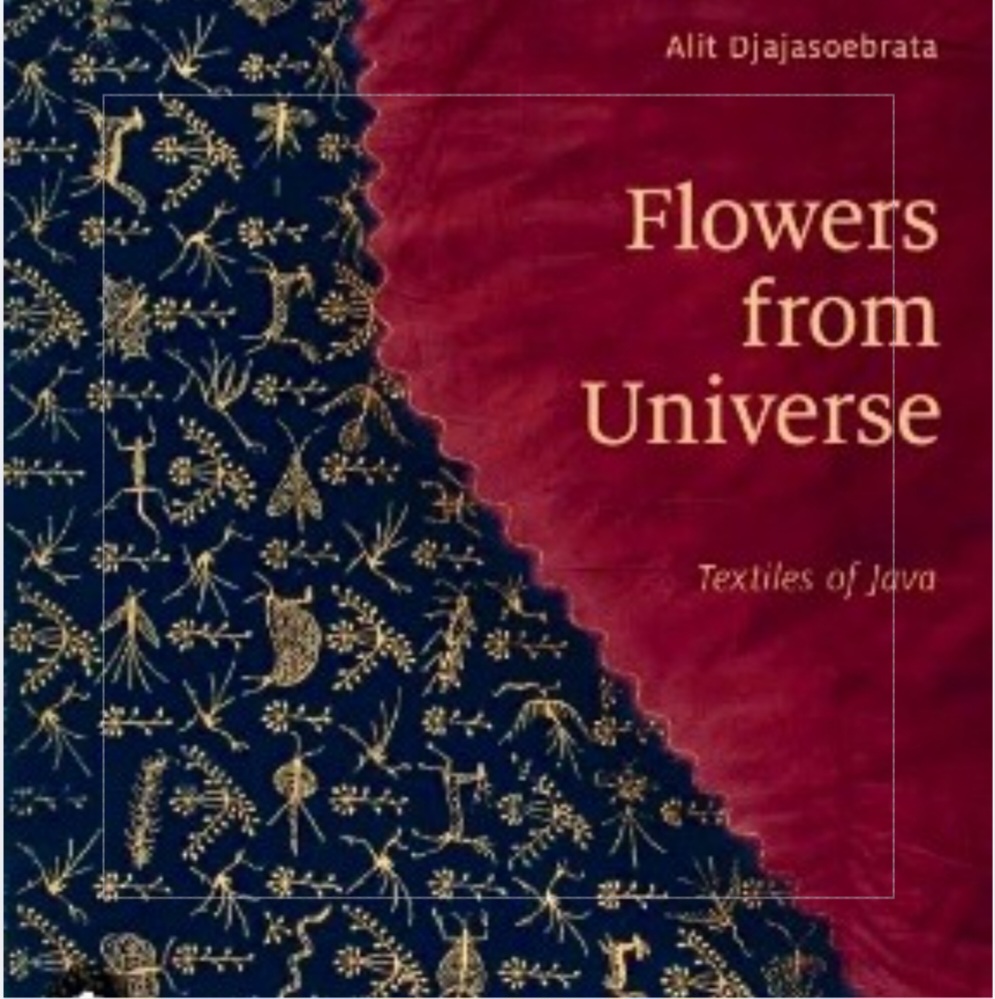
Author: Alit Veldhuisen-Djajasoebrata, 2018. 192pgs. (English). Hardcover
Publisher: LM Publishers, Edam, Netherlands
This volume offers a comprehensive exploration of Javanese textiles, framed through the personal recollections and cultural associations of Alit Veldhuisen-Djajasoebrata, who was raised within a close-knit family in West Java. The work has been acclaimed for its meticulous attention to cultural context and its remarkable geographical breadth, and it has been distinguished as the recipient of the prestigious Robb L. Shep Ethnic Textiles Book Award in 2018. The semantic richness of the word “flower” is particularly emphasized, as it encapsulates multiple layers of meaning within Javanese textile traditions. A flower may denote a literal botanical motif woven into fabric, or it may reference chromatic properties derived from natural dyes extracted from specific blossoms. Such polyvalence underscores the deep interconnection between ecological resources and aesthetic expression in Javanese material culture. The volume is richly illustrated, incorporating colonial-era cartography, prints, drawings, textiles, and photographs that collectively situate the fabrics within broader historical and cultural landscapes. Its eighteen concise yet substantive chapters traverse an impressive range of topics: the symbolic significance of mountains and cosmic trees; the evolution of pigments and the advent of synthetic dyes; depictions of Java in the sixteenth century; ritual milestones marking the human life cycle; the presence and influence of Dutch women in colonial Java; the role of food offerings in ceremonial practice; the economic networks shaped by Chinese traders; and the enduring resonance of local legends. Together, these thematic explorations construct a multidimensional narrative that situates Javanese textiles not merely as artifacts of adornment, but as dynamic carriers of cosmological, social, and historical meaning.
Page 30 of 108