Author: Neneng Iskandar & Benny Gratha, 2014. 16pg. (Indonesian)
Publisher: Himpunan Wastraprema, Jakarta
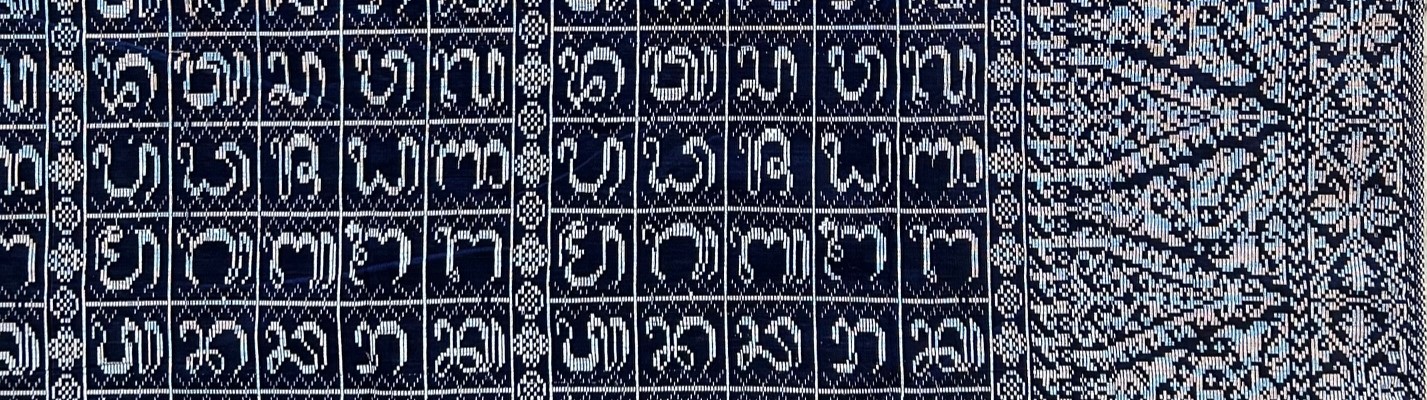
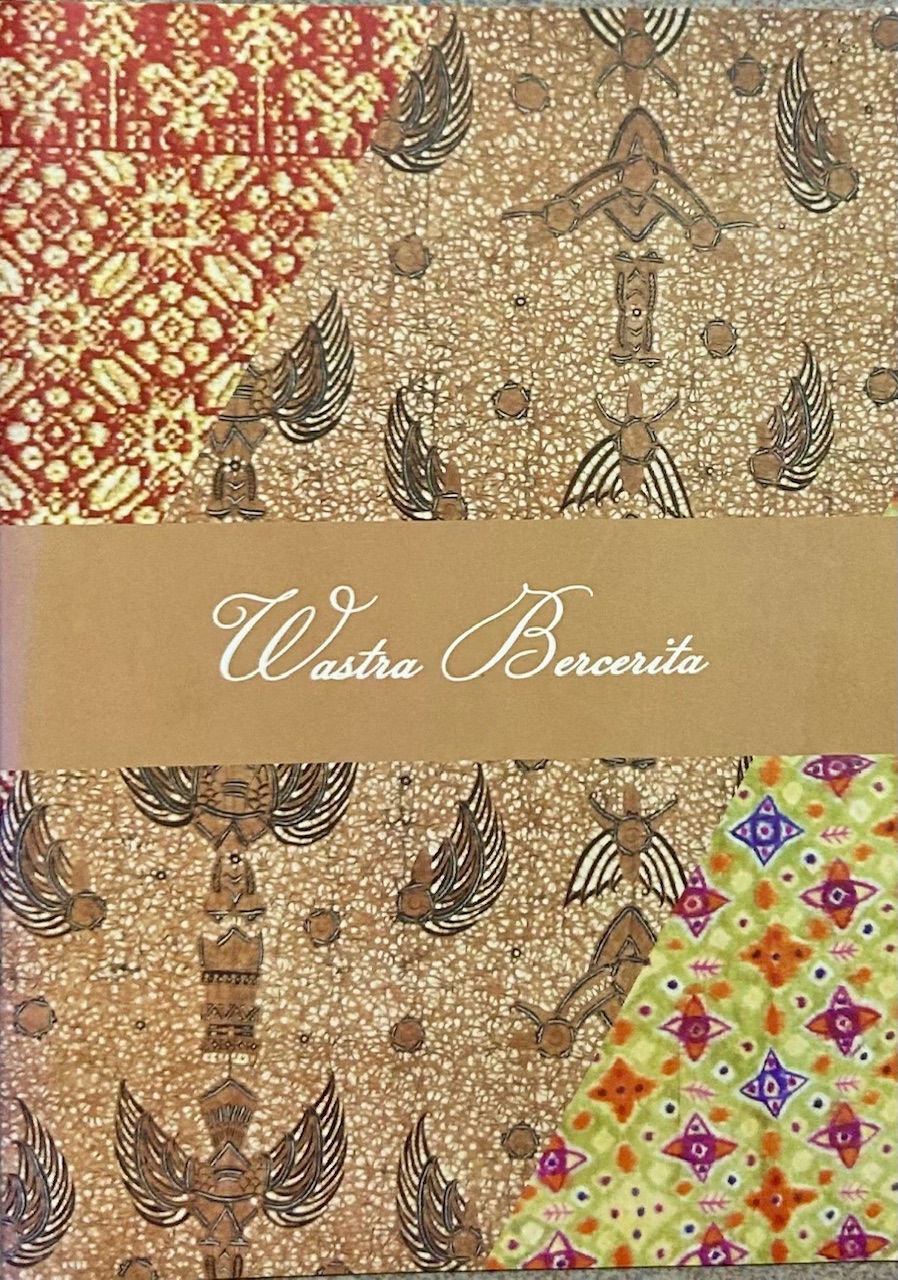
This catalog presents a remarkable collection of textiles that are over 100 years old and no longer in production. It features ancient textiles from Lampung and Palembang, along with exquisite songket from Gresik (East Java), Cirebon, Solo, and Pekalongan. Each entry not only highlights these unique fabrics but also delves into the rich stories behind their creation and explains the reasons for their discontinuation.
Author: Judi Achjadi, Benny Gratha, 2013, 81pg. (Indonesian and English). Softcover.
Publisher: Museum Tekstil Jakarta
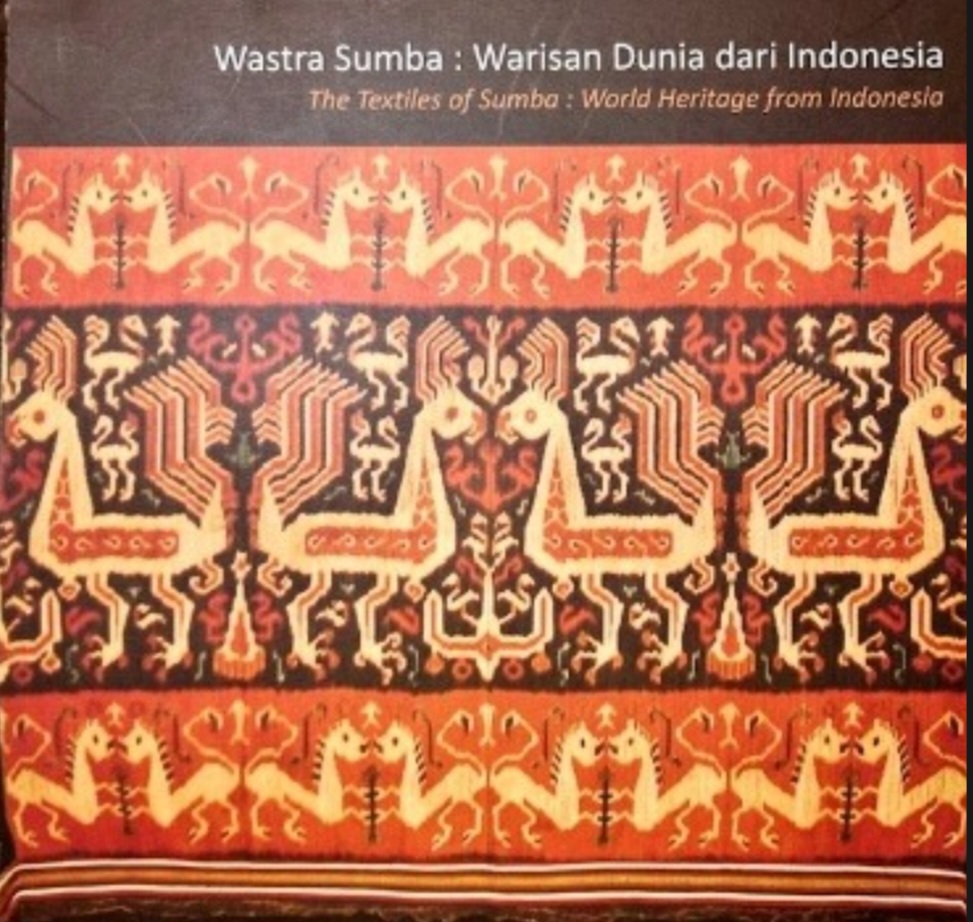
The exhibition Wastra Sumba, held from 9 to 20 October 2013, presented a distinguished selection of textiles from the collection of the Clemson family, who resided in Indonesia between 1974 and 1983. This curated display not only highlighted the aesthetic and cultural richness of Sumbanese weaving traditions but also underscored their historical significance within the broader context of Indonesian material culture. Accompanying the exhibition was an insightful essay by Judi Achjadi, which examined the intricate ceremonial practices of Sumba, including wedding rituals, funerary observances, and pahola—a symbolic mock battle associated with rice-planting rites. Achjadi’s contribution provided a critical ethnographic lens through which the textiles could be understood, situating them within the lived experiences and ritual frameworks of the Sumbanese people.
Author: Ardian Purwoseputro, 2014. 292pg. (English)
Publisher: Afterhours Books, Jakarta
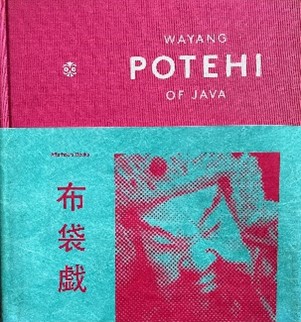
A dynamic new generation of dollmakers and puppeteers from the non-Chinese community has unequivocally transformed Potehi into a vibrant multicultural art form. The author confidently identifies this variant as "Wayang Potehi Jawa," marking its clear departure from traditional puppetry found in China and elsewhere. This evolution solidifies Indonesia as a powerful center for cross-cultural exchange, where puppets proudly display their exquisite hand-embroidered clothing.
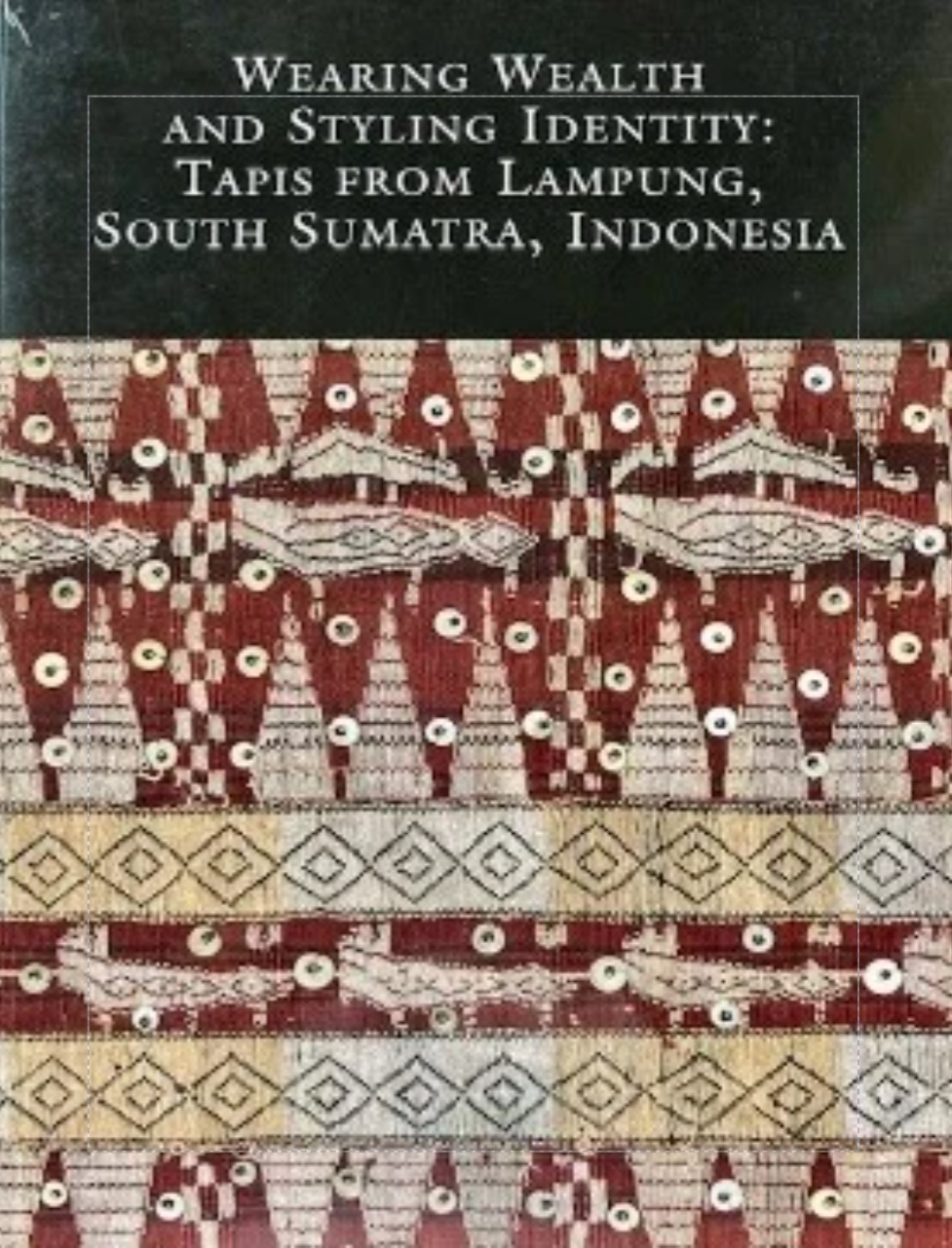
Author: Marie-Louise Toton, 2009. (English). Softcover
Publisher: Hood Museum of Art, Darthmouth College, Hanover, New Hampshire, USA
Positioned at the confluence of two pivotal maritime arteries that bridged East and West Asia, Sumatra—long stood as a preeminent hub of the global pepper trade. For centuries, its fertile landscapes yielded the spice that animated commerce across continents. In the island’s southern reaches, the Lampung communities, inhabiting the region evocatively known as “pepperland,” transformed the wealth derived from this lucrative exchange into ceremonial finery and artistic adornment. Foremost among these cultural expressions were the tapis, resplendent tubular sarongs distinguished by their intricate craftsmanship. Each garment was painstakingly handwoven from cotton and silk, and further enriched with threads sheathed in gold and silver. Embroidery executed in silk or pineapple fiber lent additional refinement, while appliqué ornamentation incorporating mirrors and mica imparted a luminous, almost celestial quality.
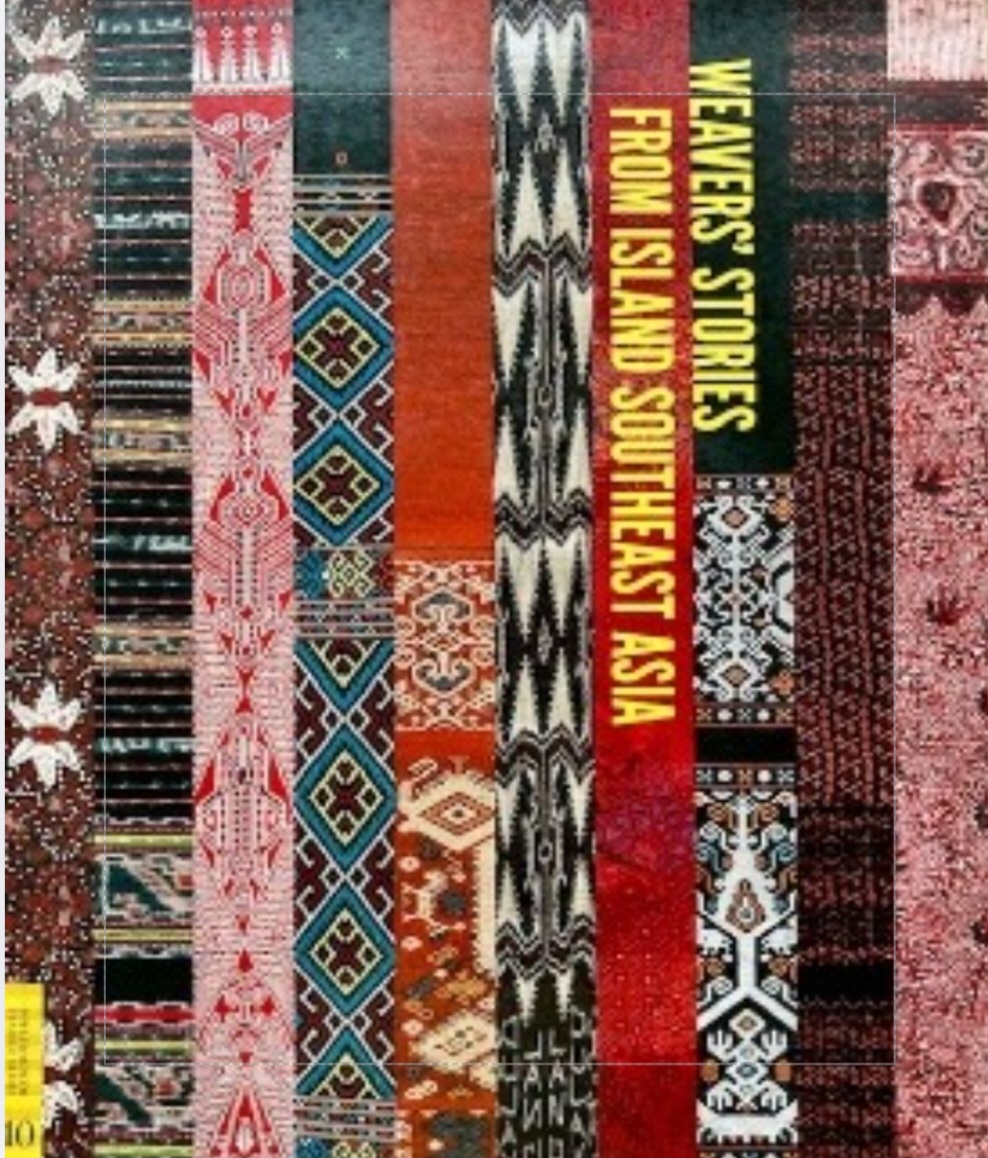
Author: Roy W. Hamilton, Jill Forshee, Traude Gavin, Cherubim Alonte Quizon, 2012, 88pg. (English). Softcover. Fowler Museum Textiles Series no. 10.
Publisher: Fowler Museum at UCLA, Berkely, California
This volume delves into the personal stories of individual textile artists, bringing recognition to their accomplishments, skills and extraordinary lives. Photographes of ten women from eight locations in the Southeast Asian archipelago along with examples of their weavings are accompanied by a DVD showing them at work. Although the makers of textiles are generaly not named in American museum collections, the creation of textiles is not anonymous in Southeast Asian communities. Senior artists are held in public esteem, and the cloth they produce is instantly recognizable to local people as their unique product.
Page 105 of 108