
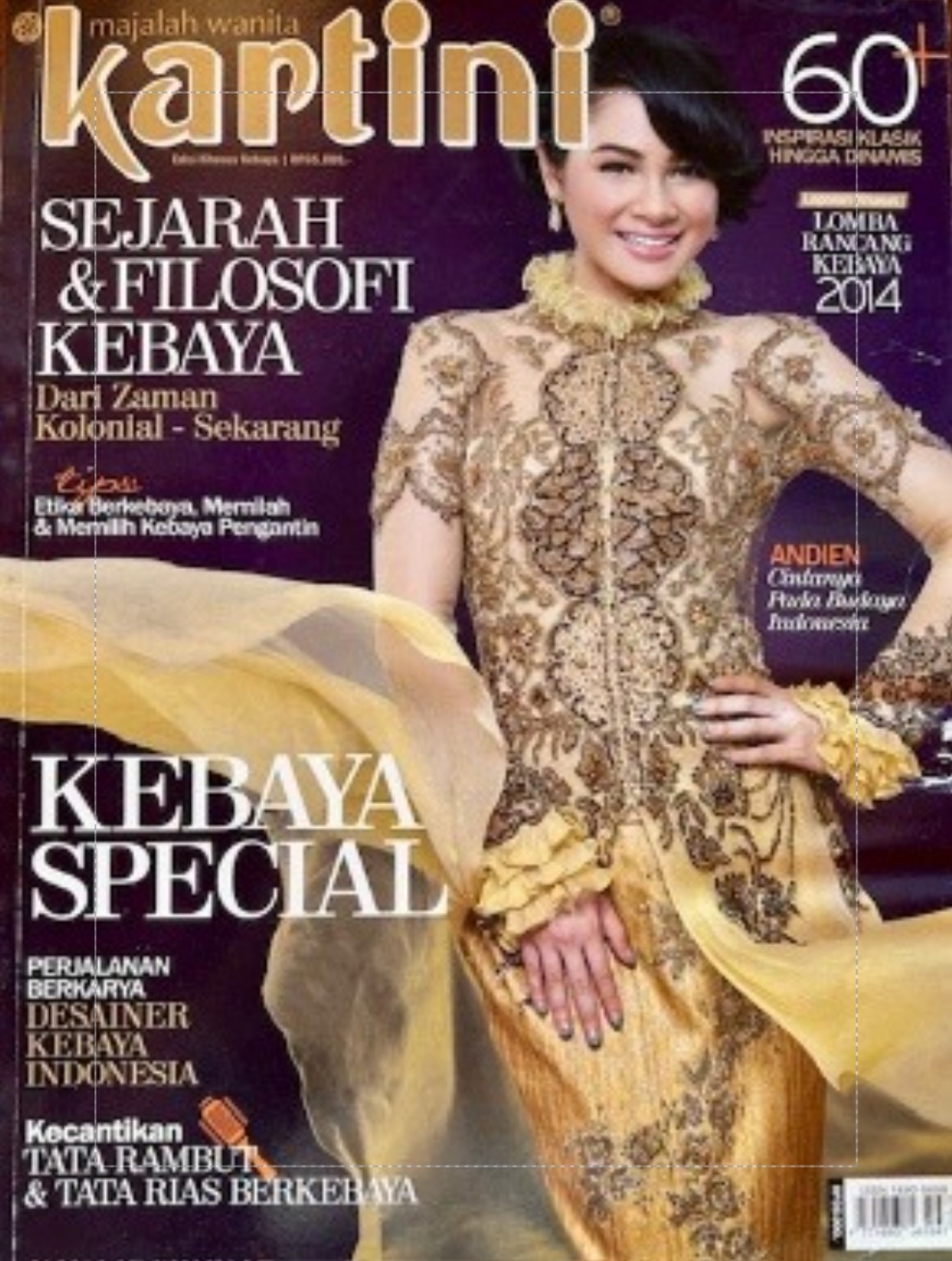
Author: Unknown, 2014, 138pg. (Indonesian). Magazine
Publisher: Kartini Cahaya Lestari, Jakarta
This edition of Kartini has been dedicated to the subject of the kebaya, a blouse that is worn on top of a sarong or kain panjang. Besides the history and philosophy, the article also discusses the structure of the kebaya from colonial time to the present. The article also mentions the ethics of wearing a kebaya, and how to wear a wedding kebaya. In addition the discussion turns around how kebaya designers in Indonesia are doing, all about wedding makeup and the dress code for kebaya outfit.
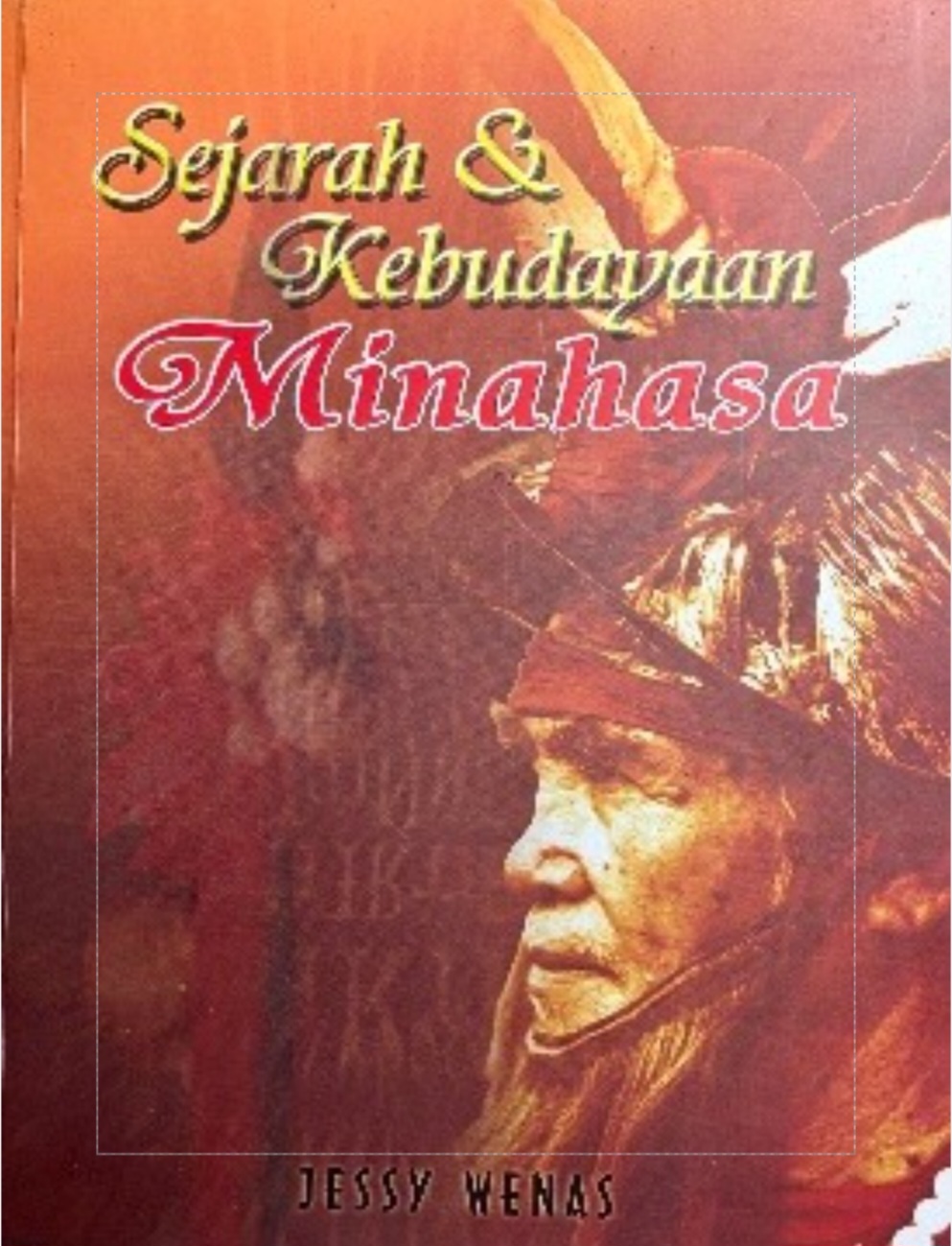
Author: Jessy Wenas, 2007. 181pgs (Indonesian). Softcover
Publisher: Institut Seni Budaya Sulawesi Utara
This monograph situates the intellectual and creative contributions of Jessy Wenas, a prolific journalist, poet, and cultural historian whose lifelong engagement with the traditions of the Minahasa has yielded a body of work of considerable ethnographic and historiographic significance. Born in Minahasa, Wenas has dedicated his career to documenting the cultural lifeworld of his community through diverse mediums—song, poetry, and prose—while simultaneously undertaking rigorous historical inquiry. Over the past two decades, Wenas has pursued an archival methodology, systematically collecting rare missionary texts and colonial records from the Portuguese, Spanish, and Dutch periods of occupation. These sources, often overlooked in mainstream historiography, serve as the foundation for his reconstruction of Minahasan origins and identity. His approach exemplifies a historical-ethnographic synthesis, wherein textual analysis of colonial manuscripts is interwoven with oral traditions, ecological observations, and cultural practices. The scope of his work is expansive. Wenas delineates the environmental and geographical contours of North Sulawesi, traces the demographic shifts and migratory trajectories of ethnic groups, and situates these within broader historical processes—from prehistoric developments to the successive waves of European and Japanese occupation, culminating in the incorporation of Minahasa into the modern Indonesian nation-state. His historiography is not merely chronological; it is interpretive, foregrounding the interplay between external colonial forces and internal cultural resilience. Equally central to his monograph is the ethnographic documentation of Minahasan art, religious traditions, social organization, and technological practices. Wenas devotes particular attention to the transformative role of Christian missionaries, whose introduction of formal education and schools reshaped the intellectual landscape of the region. His analysis of life-cycle rituals—birth, marriage, death—provides a nuanced ethnological account of Minahasan social continuity, while his chapters on fauna and flora underscore the ecological embeddedness of cultural identity. By integrating archival historiography with ethnographic observation, Wenas’s work exemplifies a methodological commitment to preserving cultural memory while critically interrogating the legacies of colonialism. His monograph thus stands as both a cultural testament and a scholarly contribution to the study of Indonesian ethnology and regional historiography.
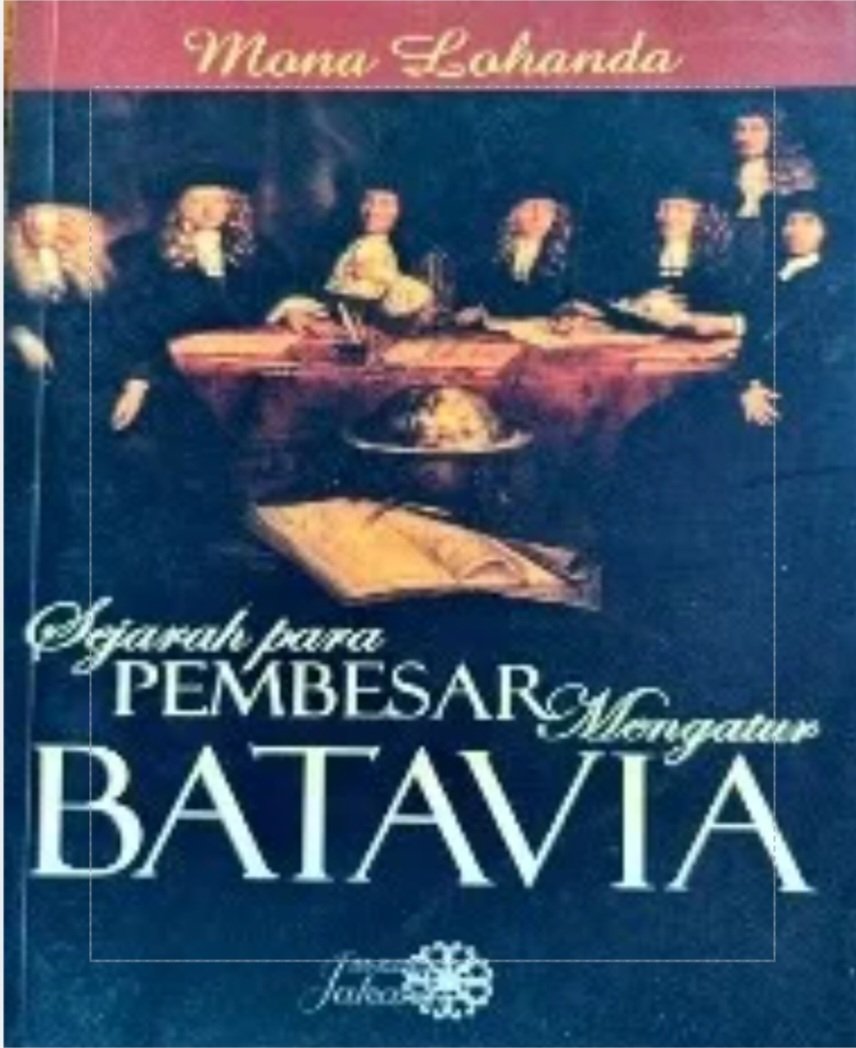
Author: Mona Lohanda, 2007. 304pgs. (Indonesian). Softcover
Publisher: Masup Jakarta, Depok
Authored by the eminent archivist and historian Mona Lohanda, this volume constitutes a captivating exploration of colonial Jakarta’s political and social hierarchies, spanning nearly four centuries—from the arrival of the Dutch East India Company (VOC) to the Japanese occupation. Lohanda deftly strips away the arid, bureaucratic framing of colonial governance to present a humanized portrait of those who wielded authority, colloquially known in Old Jakarta slang as the orang pangkat-pangkat (officials or elites). While the central subject remains the administrative and political structures of Batavia, Lohanda’s true achievement lies in her seamless transition from political history to richly textured social history. The book does not merely catalogue the policies enacted by Dutch officials; it illuminates how these rulers lived, offering glimpses into their domestic arrangements, including relationships with their legal wives and their nyai (local concubines). Equally compelling is Lohanda’s demonstration that the governance of Batavia was never an exclusively Dutch enterprise. Authority was sustained through a complex, often precarious web of local and ethnic leaders appointed by the colonial regime. The narrative details the intrigues, corruption, and responsibilities of figures such as the Dutch Governor General, the Kapitan Cina (Chinese captains), the Kapitan Arab (Arab captains), and the Komandan Pribumi (indigenous commanders). By foregrounding these diverse actors, Lohanda constructs a comprehensive tableau of how diaspora communities and indigenous aristocrats coexisted, collaborated, and contested power under the colonial umbrella. One of the most engaging dimensions of the book is its documentation of municipal laws enacted across centuries. Lohanda juxtaposes serious political history with the “strange but true” regulations of Old Batavia, revealing how colonial anxieties often crystallized into eccentric legal codes governing dress, public comportment, and spatial segregation. As a veteran archivist at the National Archives of Indonesia (ANRI), Lohanda enjoyed unparalleled access to primary Dutch sources. Yet rather than producing an inaccessible academic tome, she crafted a work in a lively, accessible style that renders dense historical findings digestible for students, casual readers, and history enthusiasts alike. The book’s principal strengths lie in its unrivaled archival depth and its vivid focus on quotidian life, humanizing historical figures by exposing their eccentricities, domestic routines, and social flaws. Importantly, Lohanda does not confine her lens to Europeans; she accords significant attention to Chinese, Arab, and indigenous leaders, thereby broadening the scope of colonial historiography. From another perspective, however, certain limitations emerge. The narrative often assumes the form of essays and vignettes rather than a cohesive chronological account, producing a somewhat fragmented structure. Moreover, the absence of translation restricts accessibility for international scholars. Finally, casual readers seeking a broad overview of Jakarta’s history may find the book’s specific concentration on administrative elites overly narrow.
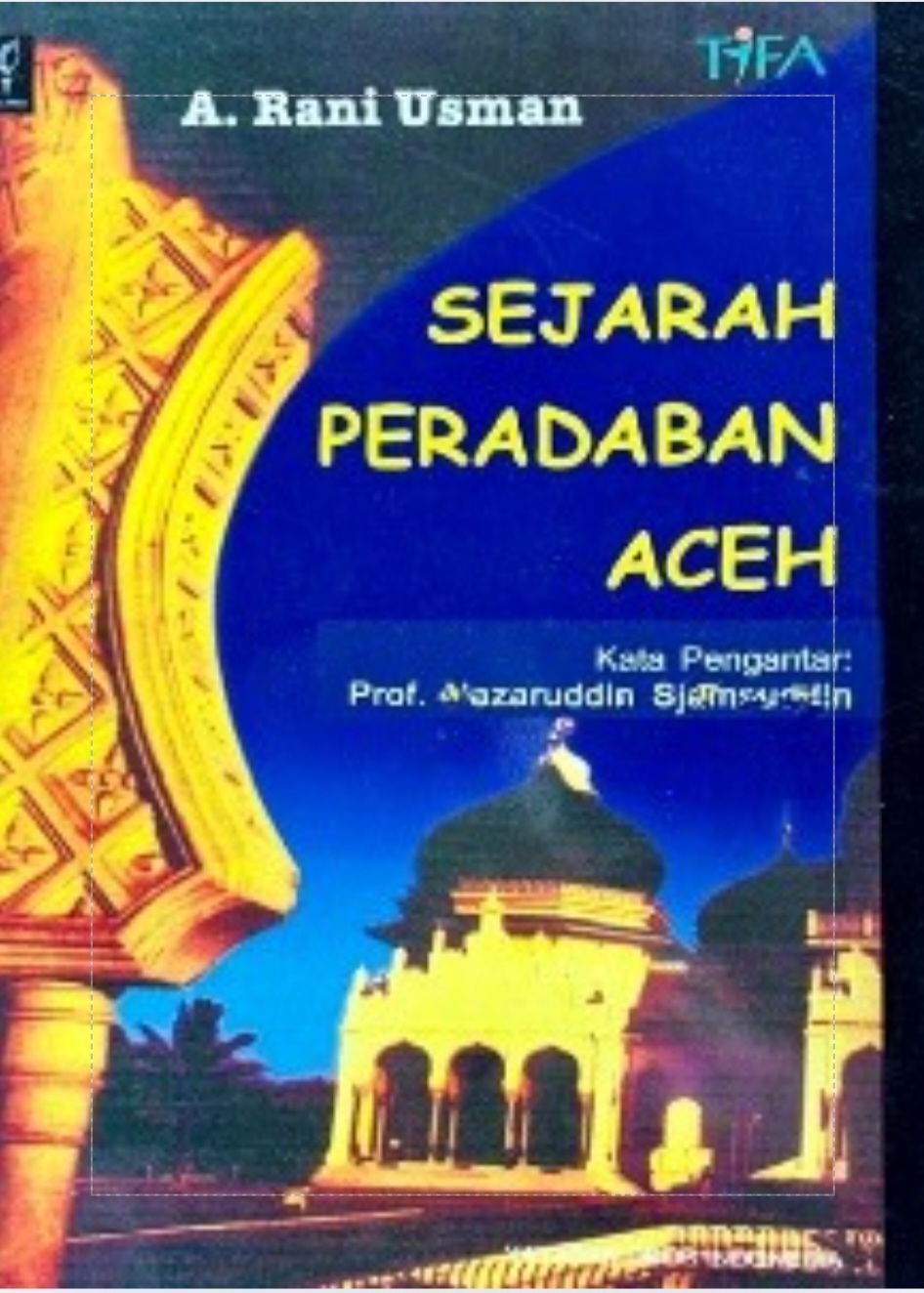
Author: A. Rani Usman, 2003. 156pgs. (Indonesian). Softcover
Publisher: Yayasan Obor, Jakarta
Scholarship on the Acehnese ethnic group has long emphasized their strategic position in North Sumatra, located along the maritime trade routes that historically connected the western and eastern worlds. Early historical accounts underscore Aceh’s role as a hub of commerce and cultural exchange, particularly in relation to India, Persia, China, and the Middle East. These interactions contributed to the formation of a distinctive cultural identity that set the Acehnese apart from other ethnic groups within the Indonesian archipelago. Anthropological studies have further illuminated the uniqueness of Acehnese society, focusing on their religious practices, kinship structures, and socio-economic networks. Scholars argue that Aceh’s Islamic identity, shaped by centuries of contact with Middle Eastern traders and scholars, became a defining feature of its cultural distinctiveness. Comparative analyses often highlight how Acehnese traditions diverge from those of neighboring ethnic groups, reinforcing the perception of Aceh as a culturally autonomous region. Political science and historical research have examined the fraught relationship between Aceh and the Indonesian central government, particularly during the period of DOM (Daerah Operasi Militer). Recent works have shifted toward analyzing the broader social transformations within Acehnese society, including the impact of globalization, migration, and post-conflict reconstruction. These studies highlight both resilience and adaptation, noting how Acehnese communities negotiate modernity while preserving cultural heritage. However, gaps remain in the literature regarding the intersection of economic development and cultural preservation, as well as the long-term effects of state intervention on local governance. In sum, the existing body of scholarship provides a rich interdisciplinary perspective — spanning history, anthropology, and political science — on the Acehnese. Yet, further research is needed to explore how contemporary socio-economic changes interact with historical legacies, and how Aceh’s unique identity continues to evolve within the broader Indonesian context.
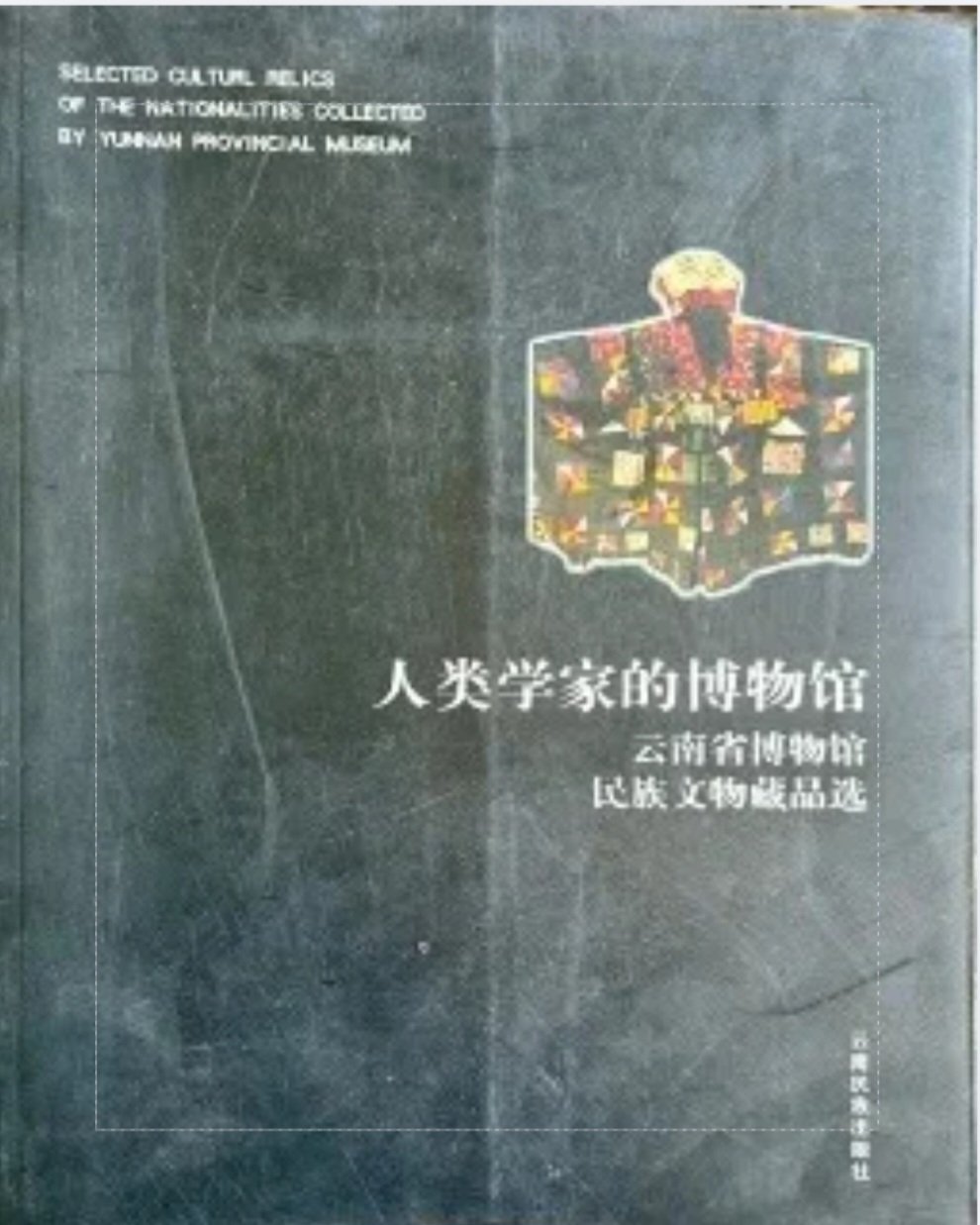
Author: unknown, 2001. 128pgs. (Mandarin& some English), Softcover, Catalog
Publisher: unknown
Also known in Chinese as An Anthropologist's Museum, this richly illustrated volume serves as an invaluable catalogue documenting the extraordinarily diverse material culture of Yunnan, China's most ethnically heterogeneous province. Home to twenty-five officially recognized ethnic minority groups, Yunnan possesses a cultural landscape of exceptional complexity and historical depth. This carefully curated publication functions as a permanent paper-based repository of the collections housed in the Yunnan Provincial Museum, preserving an extensive record of the region's tangible heritage. One of the volume's greatest achievements lies in its successful organization of an otherwise overwhelming museum inventory into accessible and coherent thematic sections. Through this structure, it traces a broad historical continuum of human development and cultural transformation in the region, bridging the archaeological legacy of ancient kingdoms with the lived realities of ethnic communities encountered during the early twentieth century. Among its most notable contributions are: The Dian Bronze Civilization The catalogue presents exquisite photographic documentation and detailed analyses of renowned artifacts from the ancient Dian Kingdom, including intricately cast bronze drums, kneeling male three-branched lamps, and elaborately decorated shell containers. These objects illuminate aspects of ritual practice, agricultural development, social organization, and warfare in early Yunnan. Religious and Spiritual Artefacts Particular attention is devoted to the Buddhist and Daoist traditions of the Nanzhao and Dali Kingdoms. The volume features an impressive selection of sacred objects, including finely crafted gold and silver statuary, demonstrating the artistic sophistication and religious pluralism that characterized the region's historical cultures. Ethnic Attire and Personal Adornment Comprehensive visual surveys explore the distinctive textile traditions, intricate batik dyeing techniques, and ornamental jewellery associated with ethnic groups such as the Yi, Bai, Hani, and Dai. These sections effectively highlight the aesthetic diversity and cultural symbolism embedded within local dress traditions. Folk and Utilitarian Objects The catalogue further examines everyday material culture through a wide array of domestic tools, ritual masks employed in ceremonial dances, and traditional musical instruments, including the distinctive bronze-gourd sheng. Together, these objects provide valuable insight into the social and ceremonial dimensions of community life. From an academic perspective, the volume functions exceptionally well as an introductory yet substantial survey of ethnology and borderland anthropology. Its curatorial methodology reflects the principle that material objects serve as vital witnesses to history. Through the careful examination of artifacts such as earrings, textiles, and silver vessels, broader narratives emerge concerning migration patterns, social hierarchies, intercultural exchange, and the enduring frontier character of Yunnan. The photographic documentation is particularly commendable. Exceptionally sharp and meticulously composed images reveal subtle details of metalworking, weaving, and decorative craftsmanship that may easily escape notice during a conventional museum visit. The visual presentation significantly enhances the scholarly and educational value of the publication. Nonetheless, certain limitations should be acknowledged. Because the work is fundamentally an exhibition catalogue, its structure prioritizes object-based classification over continuous historical narrative. Readers seeking a chronological and comprehensive history of Yunnan may therefore find the presentation somewhat fragmented. The volume is most effectively approached as a curated reference work rather than a conventional historical monograph. Furthermore, depending on the edition consulted, some descriptive texts employ highly specialized archaeological terminology, which may present challenges for readers without a foundational knowledge of Chinese history and material culture. Overall, this volume is highly recommended for anthropologists, art historians, museum professionals, and culturally engaged travellers seeking a deeper understanding of Yunnan's rich cultural heritage. More than a museum catalogue, it stands as a significant act of cultural preservation, safeguarding the memories, identities, and artistic achievements of generations of ethnic minority communities. In doing so, it demonstrates that the history of Yunnan is far more profound, intricate, and multifaceted than any superficial encounter with the region's celebrated landscapes could reveal.
Page 103 of 151