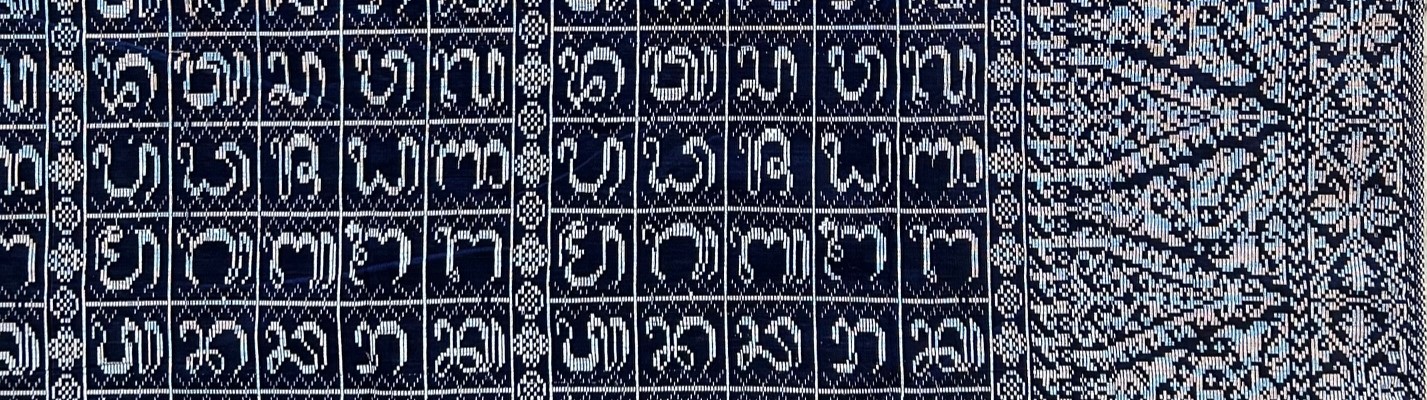
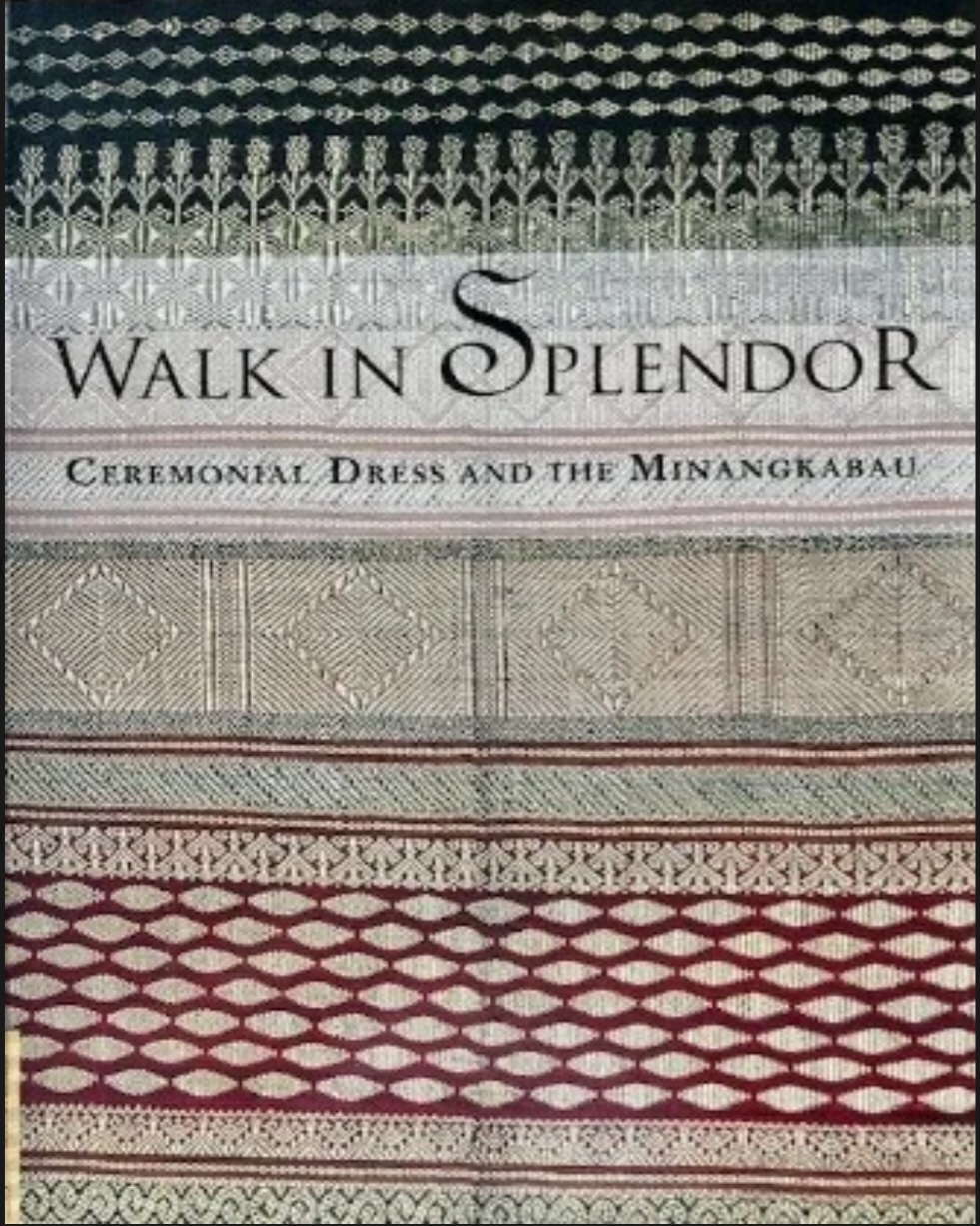
Author: Ann & John Summerfield, 1999, 362pg. (English), Softcover. Fowler Museum - Textile Series no.4
Publisher: UCLA Fowler Museum of Cultural History, California, USA
Embellished with highly sophisticated gold, silver, and silk ornamentation, the ceremonial textiles of the Minangkabau people of West Sumatra exemplify extraordinary refinement. Their production is so intricate that even the most accomplished weaver may complete only a few centimeters in a single day at the loom. The woven motifs embedded within these exquisite cloths embody the Minangkabau adat—the indigenous philosophical system that prescribes roles and norms governing social conduct, ritual practice, and speech. This richly illustrated volume brings together the scholarship of thirteen contributing authors, nine of whom are Minangkabau, to examine ceremonial attire, textile motifs, fibers, weaving techniques, traditional architecture, ritual practices, jewelry, music, dance, literature, and historiography. It has become the definitive reference on Minangkabau songket textiles, offering both ethnographic insight and aesthetic appreciation.
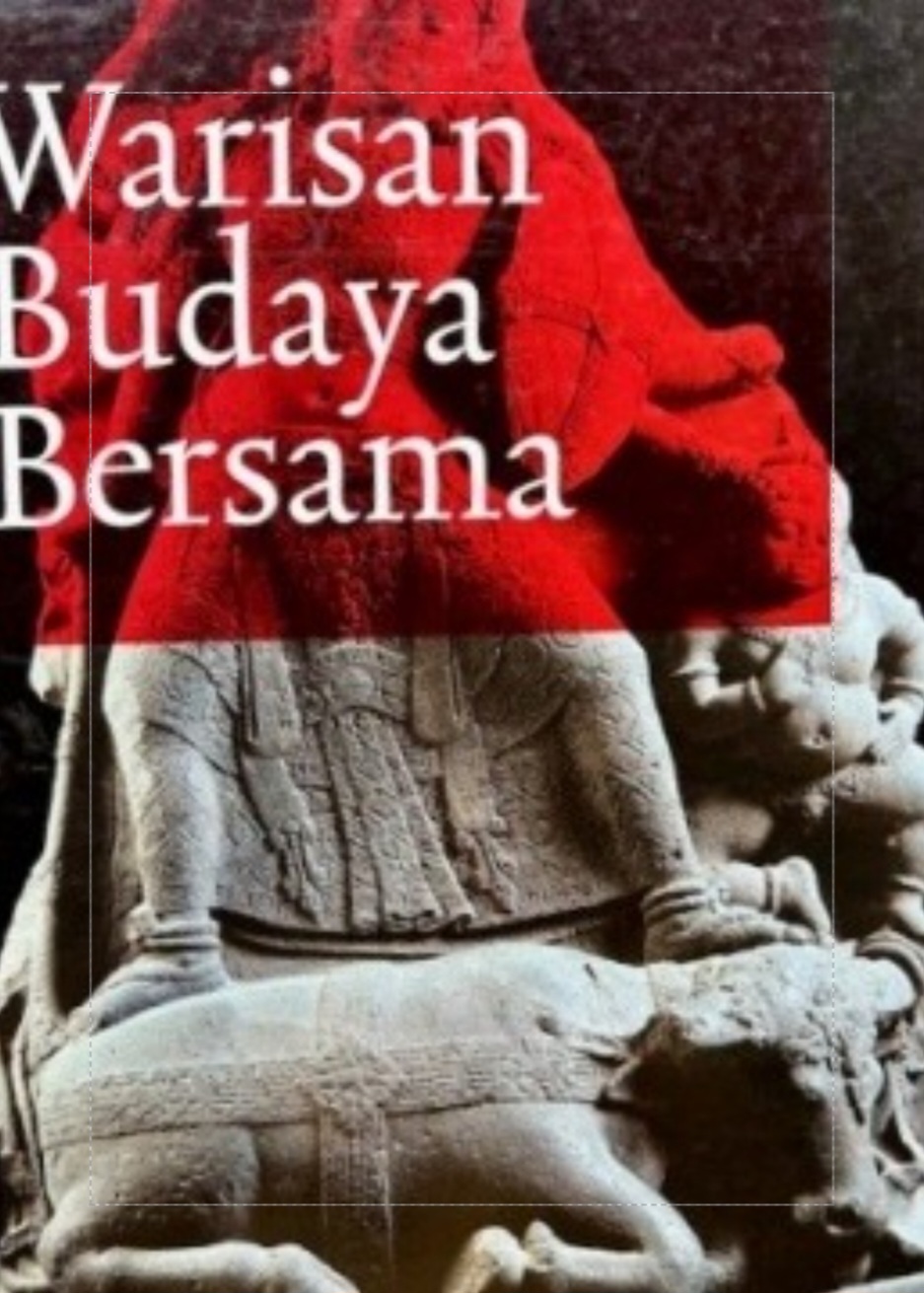
Author: Various contributors from the Museum Nasional, Jakarta and the Rijksmuseum voor Volkenkunde, Leiden, 2005, 208pg. (Indonesian). Hardcover
Publisher: Direktorat Jenderal Kebudayaan Republik Indonesia
The catalogue was published to accompany the exhibition Mewarisi Bersama: Makna Singasari dan Makna Koleksi (Shared Heritage: The Significance of Singasari and the Collection), held at the National Museum of Indonesia, Jakarta, from 15 August to 11 November 2005, and subsequently at the Nieuwe Kerk, Amsterdam, from 17 December 2005 to 17 April 2006. The volume is structured into three principal sections: History, Archaeological Collections, and Ethnographic Collections. Each section provides a distinct yet complementary perspective, collectively illuminating the cultural and historical significance of the Singasari legacy and its material representations.
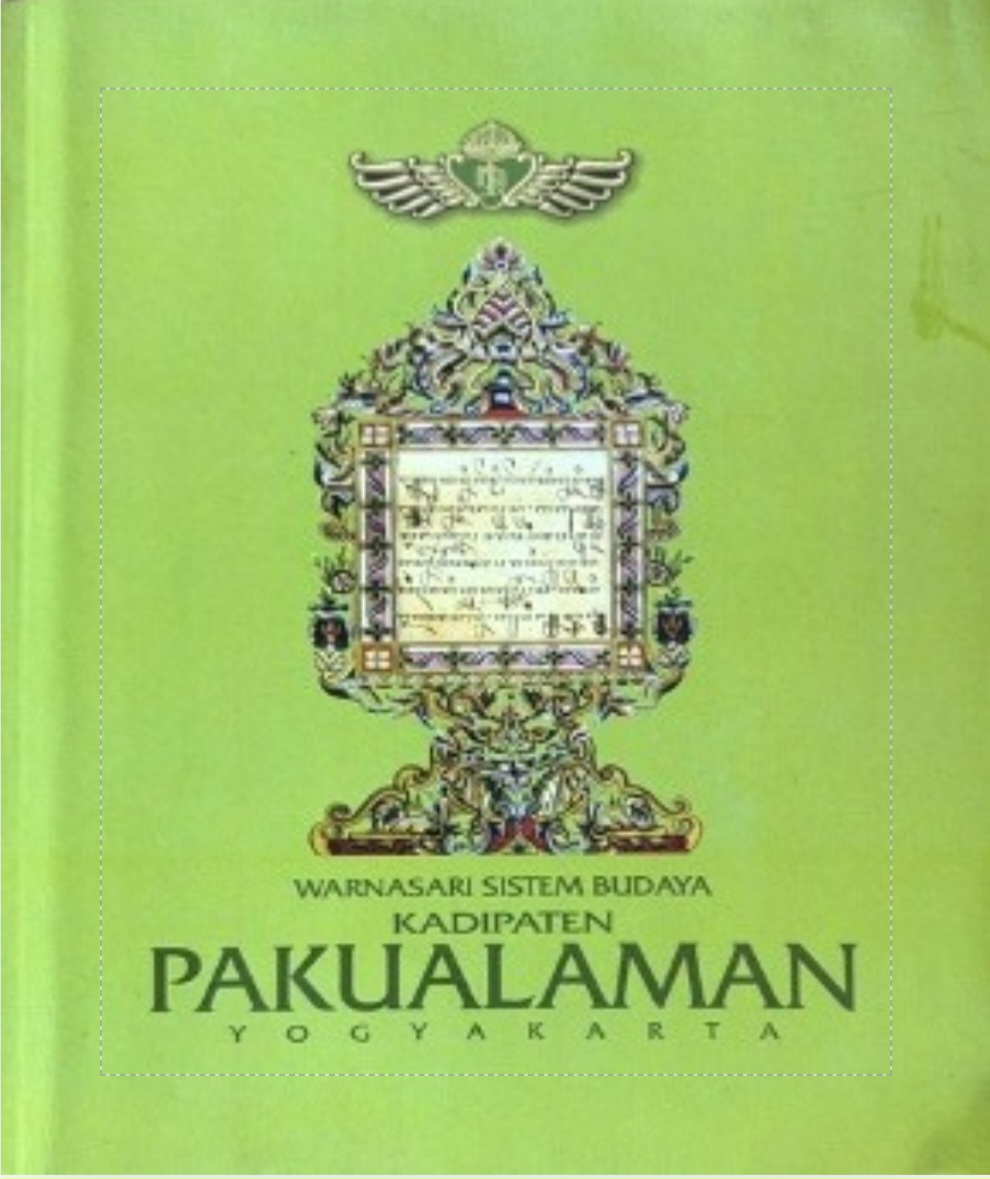
Author: Atika Suryodilogo, B. Sumardiyanto, Bima Slamet Raharja, Dyah S. Indrokusumo, Hermien Kusnayati, Projowinoto, Rahmat, S.Ratna Saktimulya, Sudibyo, Sri Margana, 2012 (2nd edition), 316 pgs, (Indonesian), Softcover
Publisher: Trah Pakualaman Hudyana, Jakarta, Eka Tjipta Foundation, & Perpustakaan Puro Pakualaman
This volume offers a comprehensive examination of the Kadipaten Pakualaman (a Dukedom in the special district of Yogyakarta), approached through a constellation of disciplinary perspectives, including governmental administration, architectural heritage, artistic production, dance traditions, wayang puppetry, literary expression, ritual practices, archival documentation, and culinary culture. By situating Pakualaman within the broader matrix of Indonesian cultural history, the study endeavors to illuminate its distinctive contributions while underscoring its interconnections with national identity. It is anticipated that such a multifaceted inquiry will not only deepen scholarly and public understanding of the Kadipaten Pakualaman, but also foster a heightened sense of cultural cohesion and advance the collective aspiration toward a more integrated and prosperous national life.
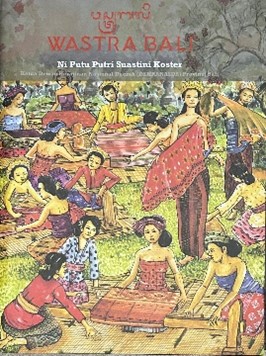
Author: Ni Putu Putri Suastini Koster, 2022, 188 pg. (Indonesian and English).
Publisher: Dinas Perindustrian dan Perdagangan Provinsi Bali.
Ni Putu Putri Suastini Koster is the leader of the Indonesian Regional Handicraft Council in Bali. The volume is a manifestation of her great interest in the field of Balinese traditional textiles and the book is based on an annual exhibition “Bali Bangkit” (Rise Bali) for small and medium enterprises (IKM), in 2022. The book protected with an attractive dust jacket featuring industrious Balinese weavers in a beautiful setting presents textiles from the exhibition as well as from Balinese weavers, collectors, and scholars.
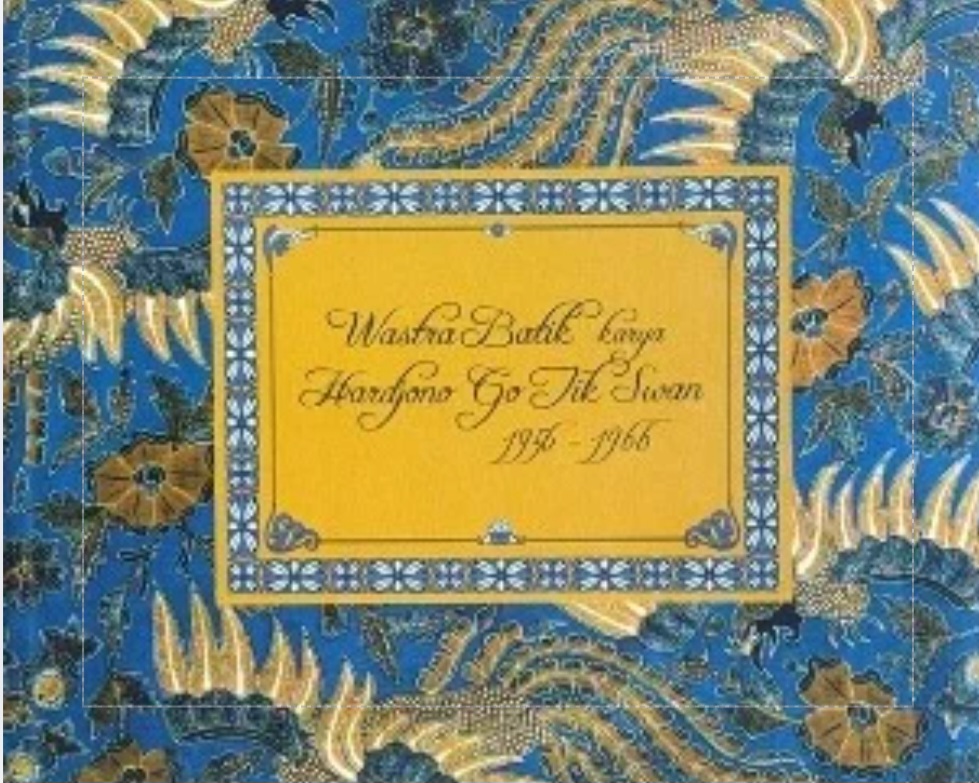
Author: -
Publisher: -
This volume presents the batik creations of Hardjono Go Tik Swan, who was later conferred the honorary title Panembahan Hardjonagoro by the Kasunanan Surakarta in recognition of his outstanding contributions and profound knowledge of Javanese culture. The batiks featured herein were produced between 1956 and 1966 and originate from the collections of distinguished patrons and collectors, including Hartini Soekarno, Soejatoen Damais, Srimani Mardanus, Soetiarsih Martadinata, Herawati Diah, Minarsih Soedarpo, Nian Djoemena, Nora Goenawan, Sri Redjeki Boediardjo, Soelasmini Sjafiri Alim, Yani Arifin, Nugroho, as well as the Museum Tekstil Jakarta. Among his most celebrated motifs are Sawunggaling, Kumudowati, Ceplok, Semen, Parang, and Puspawarna, each exemplifying the refinement and symbolic depth characteristic of Javanese textile artistry.
Page 104 of 108