Author: Gӧsta Sandberg, 1989. 184pgs. (English). Hardcover
Publisher: Lark Books, Asheville, NC, USA
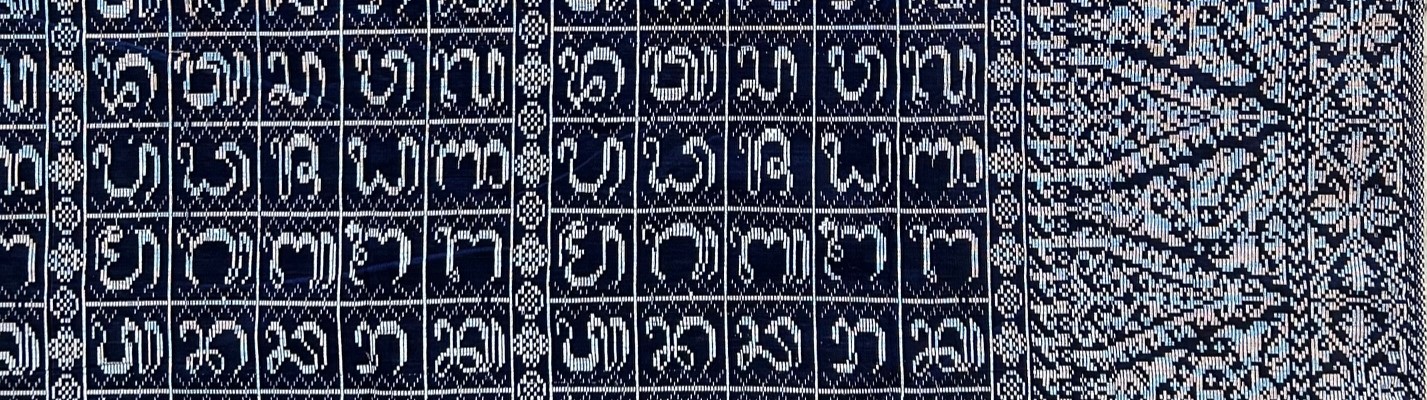
Gösta Sandberg’s monograph on indigo constitutes a seminal contribution to the study of textile history and dyeing traditions. As a longtime Swedish researcher devoted to the subject, Sandberg offers a meticulously documented exploration of indigo’s cultural, technological, and aesthetic significance across continents and centuries. The volume situates indigo within a broad historical framework, beginning with the contest between woad and indigo in Europe, and extending to the eventual triumph of synthetic indigo in the modern era. Sandberg’s narrative deftly interweaves technical detail with cultural analysis, examining dyeing and printing practices in Europe, West Africa, China, and Japan. Particularly noteworthy is his attention to regional patterning techniques, which illuminates the diverse ways in which indigo was harnessed to produce distinctive visual identities. Sandberg’s ethnographic sensitivity is evident in his accounts of wax-resist batik among the Meo, as well as the Indonesian traditions of plangi and ikat. His discussion of chromatic innovations—Indigo Turkish Red, African kola brown, and Javanese soga brown—underscores the interplay between local resources, cultural symbolism, and technical ingenuity. Equally compelling is his treatment of contemporary indigo dyeing, including the subsequent processing of dyed materials, the use of printing paste, and the art of blueprint dyeing. Sandberg’s inclusion of historical recipes, such as Cajsa Wang’s 1762 urine bath method, enriches the text by linking artisanal practice to archival documentation. This work stands out for its interdisciplinary approach, bridging textile technology, cultural anthropology, and art history. Sandberg’s synthesis of technical processes with cultural narratives makes the book invaluable not only to historians of dyeing but also to scholars of material culture and global trade. . While the book’s breadth is impressive, some readers may find its technical sections dense, particularly those unfamiliar with dye chemistry. Nevertheless, this density reflects Sandberg’s commitment to precision and authenticity. The text’s strength lies in its ability to balance scientific rigor with cultural storytelling, thereby appealing to both specialists and informed general readers. Gösta Sandberg’s study of indigo is a landmark in textile scholarship. By tracing indigo’s journey from plant to pigment, from local craft to global industry, Sandberg demonstrates the enduring resonance of this legendary dye. His work not only preserves traditional knowledge but also situates indigo within the broader discourse of cultural heritage and technological innovation.
Author: Loan Oei, Stichting Indigo (Indigo Institute). 223pgs. (Dutch language). Hardcover.
Publisher: Fibula van Dishoeck, Weesp, Netherlands
This volume, authored by Loan Oei in Dutch, presents translated contributions from diverse scholars and writers who interrogate the multifaceted cultural, historical, and artistic dimensions of indigo. The text underscores indigo’s pivotal role within European textile industries and folk traditions, while also tracing its colonial entanglements in India and its significance among the Maya communities of Guatemala. Further chapters illuminate indigo’s presence in African cotton weaving, as well as its enduring cultural resonance in Javanese villages such as Kerek on the northern coast, Yogyakarta, Solo, and within the Baduy community of West Java. Its importance extends to Nusa Tenggara Timur in eastern Indonesia, where indigo continues to shape local identity and artisanal practice. Taken together, the volume offers a compelling and richly textured exploration of indigo blue as a chromatic and cultural phenomenon, charting its resonance across continents and communities worldwide.
Author: Unknown, 2010, 235pg. (English). Hardcover
Publisher: Ministry of Culture and Tourism R.I., Jakarta
This coffee-table volume offers a meticulously curated selection of Indonesian handicrafts, exemplifying the nation’s rich artistic heritage and cultural diversity. Each piece reflects not only aesthetic refinement but also the profound socio-historical contexts in which these artisanal traditions have flourished. By showcasing the intricate craftsmanship and symbolic motifs embedded within these objects, the book underscores the enduring significance of material culture in shaping Indonesia’s collective identity.
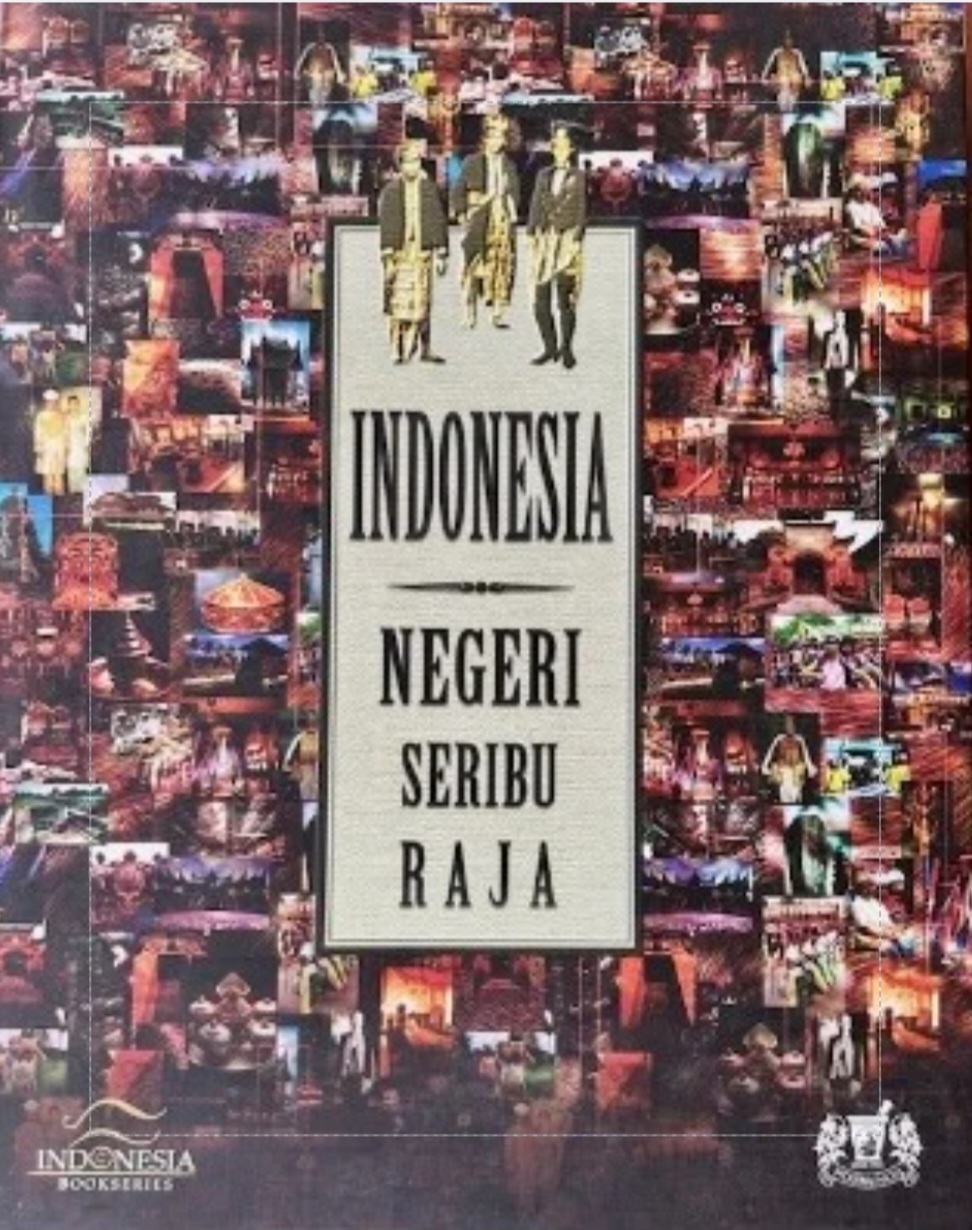
Author: Irwan Hidayat et al 2004. 175pg. (Indonesian). Hardcover.
Publisher: Foresight Asia, Jakarta
The book offers a concise historical overview of prominent ancient kingdoms in the Indonesian archipelago, including Sriwijaya, Janggala, Pangjalu, Singosari, Pajajaran, Majapahit, Demak, and Mataram Islam. It further highlights the continuity of monarchical traditions by documenting extant polities such as Aceh, Deli, Siak, Pagaruyung, Banten, Kasepuhan, Kanoman, Sumedang Larang, Keraton Surakarta, Pura Mangkunegaran, Keraton Yogyakarta, Puro Pakualaman, as well as the Balinese kingdoms of Ubud, Klungkung, Karangasem, Gianyar, and Buleleng. Beyond Java and Bali, the text also records the Sultanate of Bima, the Kingdom of Kupang, Mempawah, the Sultanate of Pontianak, Kutai, Gunung Tabur, Sabaliung, Bone, Gowa, and Ternate. This work constitutes a comprehensive attempt to catalogue the known monarchies of the Archipelago, both historical and contemporary. It underscores the responsibility of the Indonesian people to preserve, venerate, and safeguard the cultural heritage, traditions, and architectural legacies bequeathed by their ancestors.
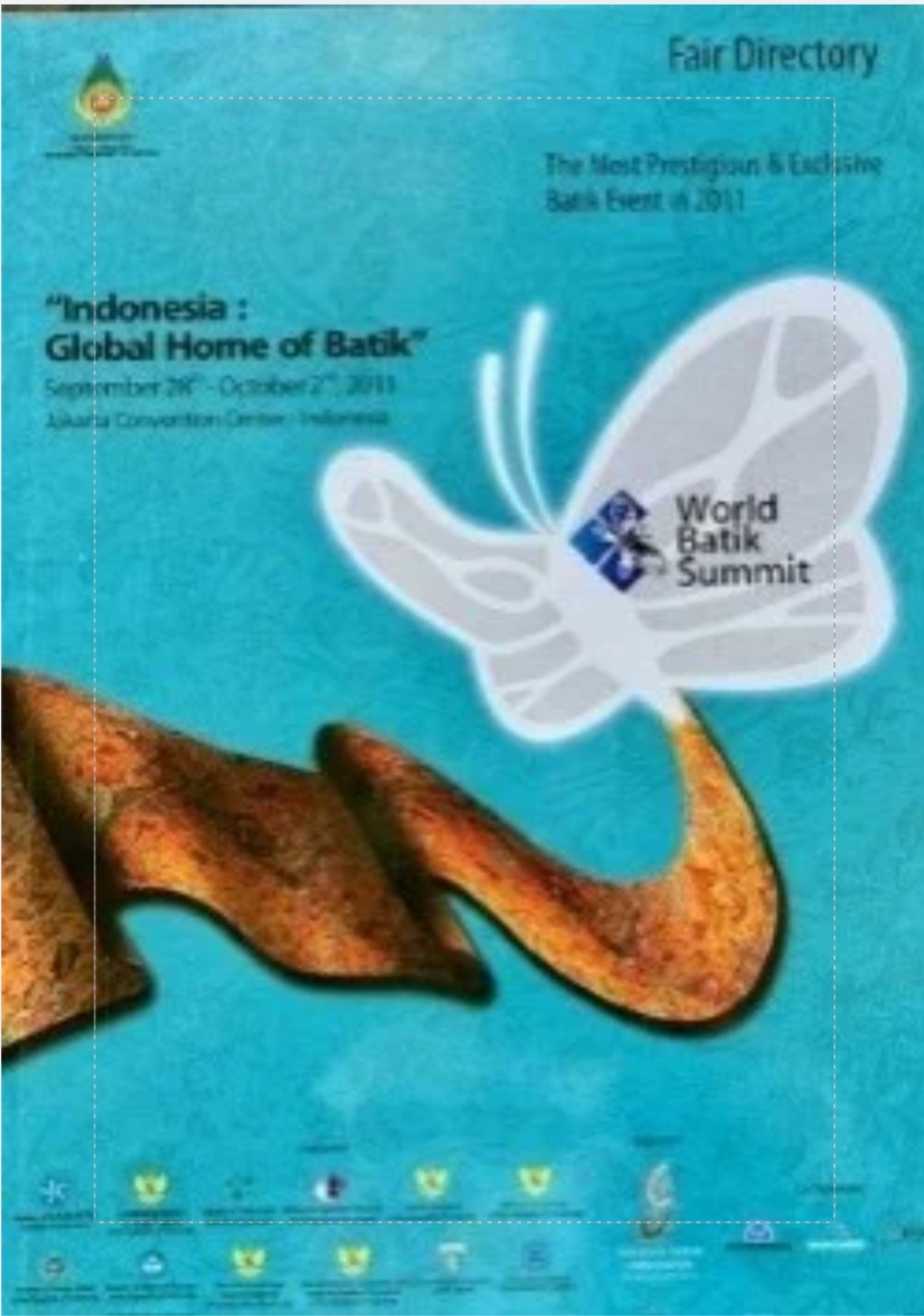
Author: Unknown, 2011, (English). Softcover. Catalog
Publisher: The Ministry of Trade of the Republik of Indonesia
The catalog was published to commemorate the World Batik Summit 2011, convened at the Jakarta Convention Center. This landmark event encompassed an international conference, a cultural evening showcasing Indonesia’s artistic heritage, and a comprehensive exhibition dedicated to the diverse traditions and innovations of batik craftsmanship.
Page 37 of 108