Author: Jane Mallinson, Nancy Donnelly, & Ly Hang. 1988. 87pgs. (English). Softcover
Publisher: University of Washington Press, Seattle and London
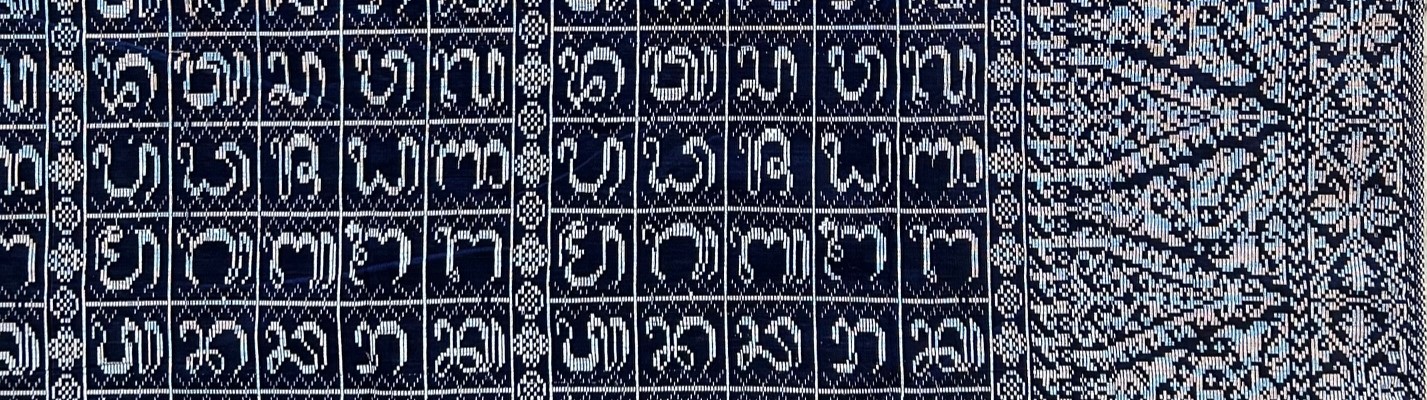
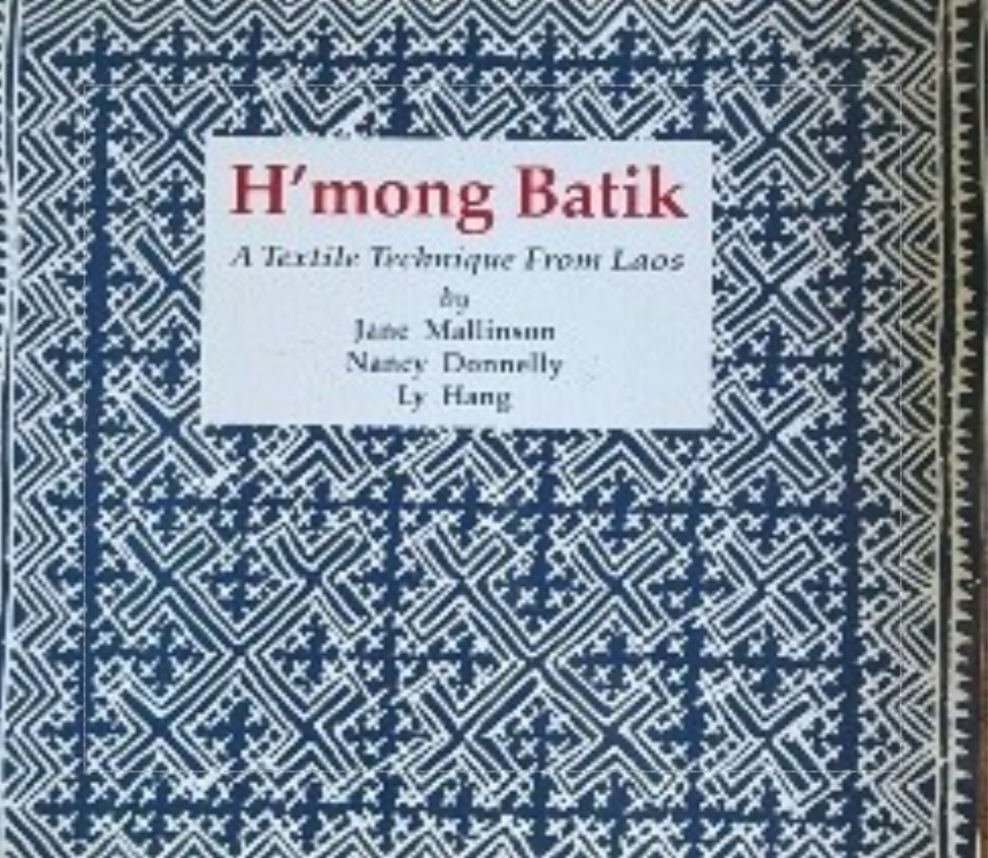
This volume offers a comprehensive exploration of the batik techniques practiced by the Lao-Hmong people, many of whom immigrated to the United States during the 1970s. The text begins with a concise yet illuminating historical overview of the Hmong community, situating their textile traditions within the broader context of Hmong society and cultural identity. Subsequent chapters provide detailed instruction on the process of learning to create batik, followed by an examination of textiles as integral components of costume and cultural expression. The book then turns to the meticulous craft of producing a batik skirt, highlighting both traditional methods and the creative adaptations that have emerged over time. Particular attention is devoted to the developments and innovations in the design of blue Hmong skirts, which serve as a vivid example of the dynamic interplay between heritage and modernity. Finally, the volume concludes with a reflective narrative on the origins of batik, tracing its cultural significance and enduring legacy within Hmong artistic traditions. This volume presents the batik technique of the Laos people, who immigrated to the US in the seventies.The books starts with a biref history of the H’mong, textiles and the H’mong society, Learning to d Batik, Textiles as costume, the making of a batik skirt, developments and innovations in blue H’mong skirts, and at the end tell the story of the batik orgins.
Author: Traude Gavin, 2003. 356pg. (English), softcover
Publisher: KITVL Press, Leiden, Netherlands
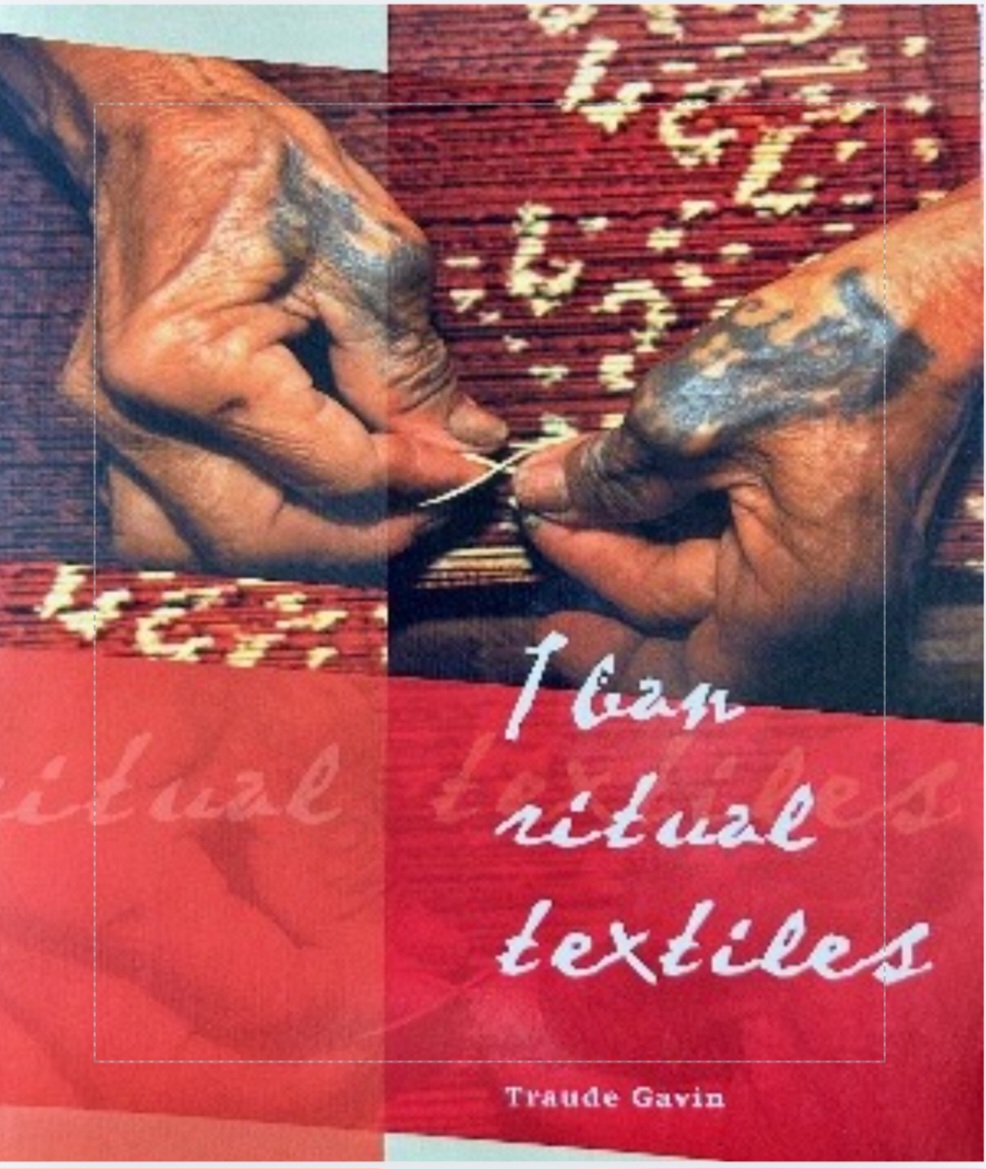
This scholarly book examines the ritual cloths of the Iban from Serawak, the emphasis on the names of patterns, the different way in which these names are used as titles or as labels, and their relation to rituals. Topics include the weaving of ritual functions of Iban Ikat-patterned fabrics, the technical aspects of producing those cloths, as well as the dynamics of the complex art of weaving. The author focusses on a new perspective, particularly the notion of designs as a primitive form of language. From this novel perspective, the role of weavers as artisans is set off against the power of patterns as an index for a weaver’s relative rank in society. This book on Iban textiles is the first in-depth field research and should be of interest to art historians and scholars of material culture with an interest in the textile traditions of Southeast Asia.
Author: Contributions by Torang Sitorus, Nestor Rico Tambunan, Christ Sempati Barasha, 2021. 370 pgs. (English). Hardcover with book sleeve.
Publisher: BAB Publishing House, Jakarta
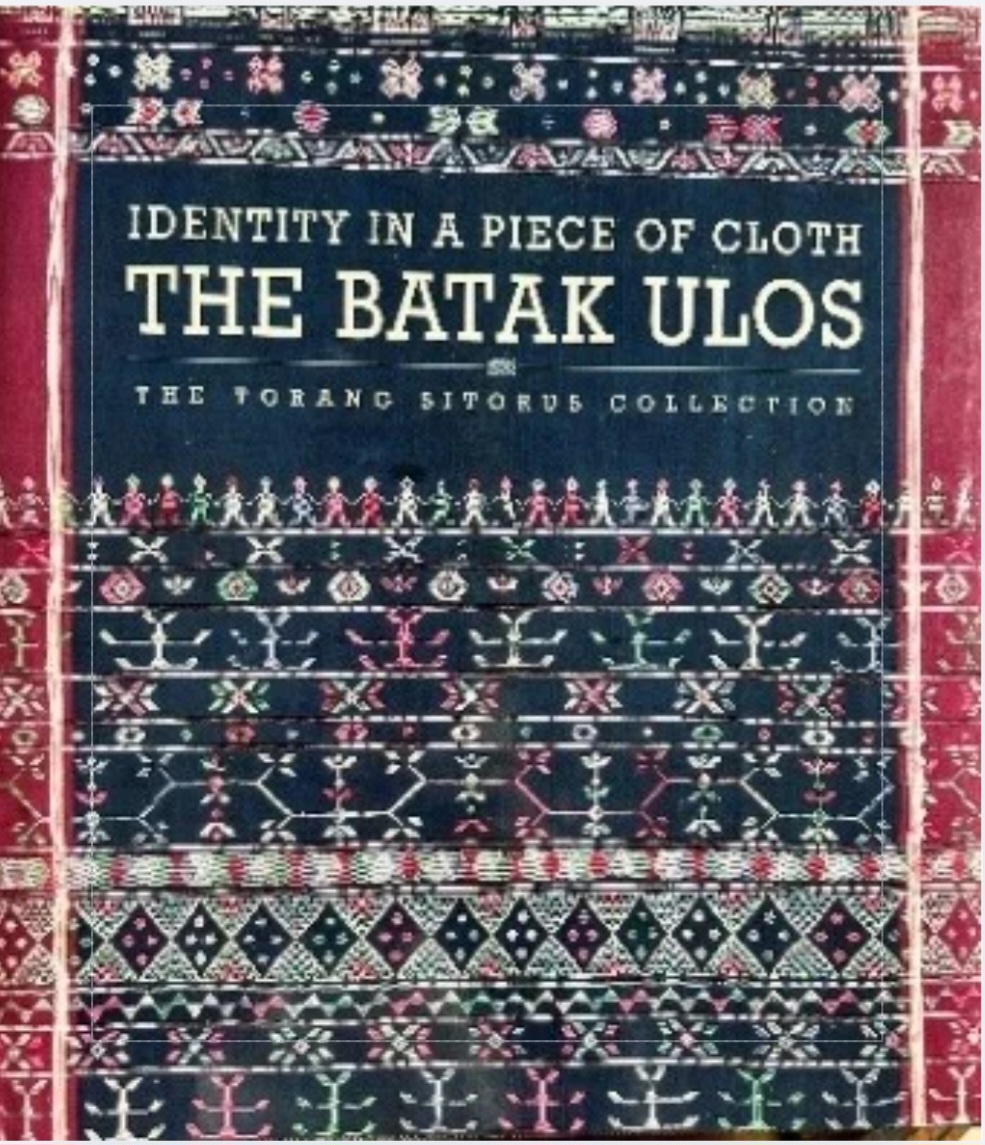
In this insightful book, the authors delve into the captivating world of Ulos, a traditional art form that has thrived for centuries in Indonesia. The skilled weavers, referred to as partonun, showcase their exceptional creativity through an impressive array of ulos, each distinguished by its unique name, size, and intricate ornamentation, reflecting the rich cultural tapestry of the region. A compelling chapter is dedicated to exploring the significance of Ulos in various life cycles, illustrating how these textiles are woven into the fabric of celebrations, rites of passage, and everyday life. The book culminates in a remarkable textile collection of Torang Sitorus, enhancing its stature as a vital resource in the treasure trove of Indonesian Ulos weaving. With each page, readers are invited to appreciate the artistry and cultural significance of this cherished tradition.
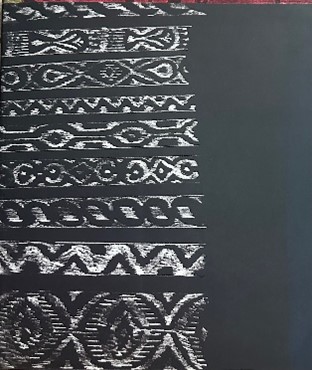
Author: Before 2017, 117pg. (Uzbeki language)
Publisher: Islam Karimov Foundation, Uzbekistan
A publication of Ikat Textiles from Uzbekistan showcasing beautiful pieces from the hands of Uzbeki ikat artisans.
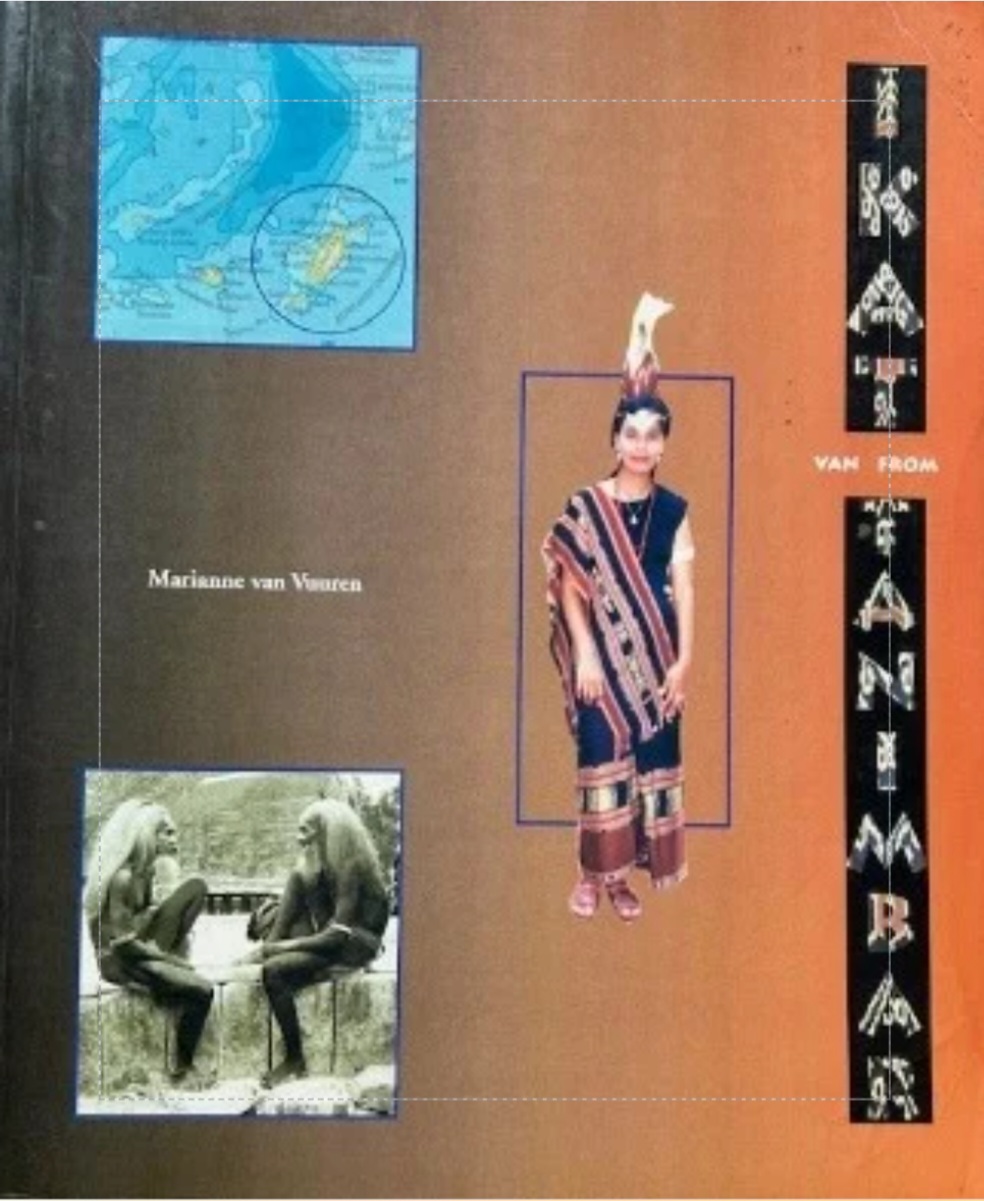
Author: Marianne Van Vuuren, 2001, 198PG. (Dutch & English). Softcover
Publisher: Marianne van Vuuren, Netherlands
This volume offers a comprehensive examination of the ikat textiles of Tanimbar, situated in the eastern reaches of the Indonesian archipelago, within the Moluccas. These textiles, previously undocumented in such detail, are analyzed through their social and cultural significance in Tanimbarese society. The author elucidates the symbolic meanings and historical origins of the motifs, presenting an extensive catalogue of more than 250 distinctive designs, accompanied by photographs and illustrations that enrich the study.
Page 35 of 108