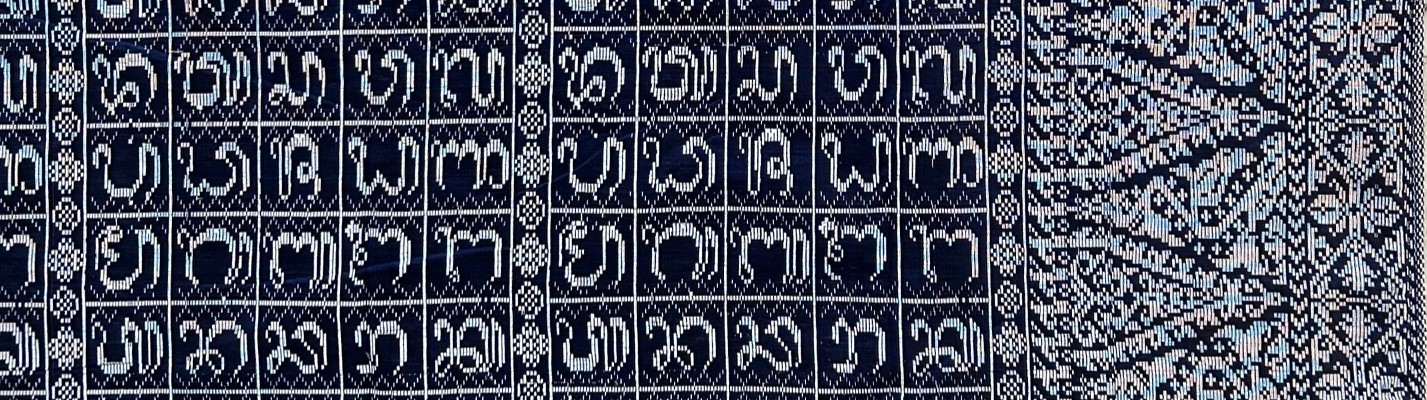

Author: Andrew Lake, 2004. 202pgs. (English). Softcover
Publisher: All Saints Church, Jakarta
This volume, authored by the vicar of All Saints Church in Jakarta—also known as the Anglican Church—constitutes both a personal memoir and a historical chronicle. Written during his eight-year ministry, which coincided with the tumultuous riots of 1998, the text offers a rare insider’s perspective on the intersection of faith, community, and political upheaval in Indonesia’s capital. The work begins with a historical reconstruction of the church’s origins in 1819, situating its foundation within the colonial framework of Sir Stamford Raffles’ administration and the broader cultural landscape of Batavia. The narrative then transitions to critical episodes of violence and crisis, most notably the murders of Eric Constable and an Indonesian night watchman in 1975. These events are not treated as isolated tragedies but as emblematic of the precariousness of religious and communal life in Jakarta. The author’s recollections of navigating the 1998 riots further highlight the church’s role as both sanctuary and symbol of resilience, where spiritual leadership was tested against the backdrop of national instability. From a historical perspective, the book illuminates the continuity of colonial legacies within modern Indonesian society. The Anglican Church, established during the British interlude in Java, became a locus where expatriate and local identities converged, often under duress. The author’s reflections reveal how religious institutions functioned as stabilizing forces, offering moral guidance and communal solidarity during periods of acute social fracture.
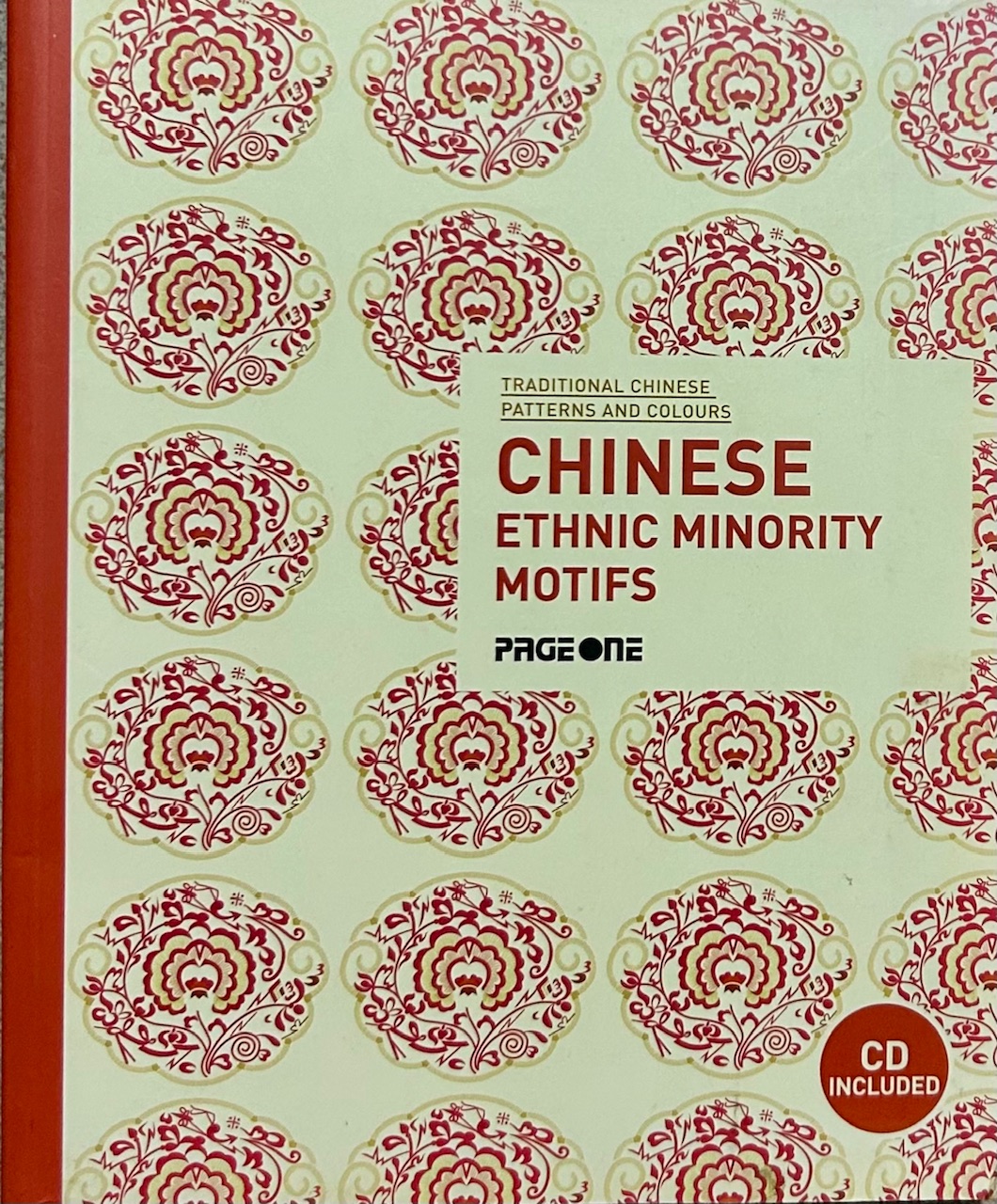
Author: Unknown
Publisher: Page One, Singapore
China has a long-standing history of unity among diverse ethnic groups, each showcasing unique lifestyles and cultural expressions through their decorative patterns. This book decisively highlights ten prominent ethnic minority groups: Miao, Yi, Yao, Uighur, Tibetan, Mongolian, Qiang, Tujia, Zhuang, and Dong. It focuses on their distinctive patterns found in clothing, architecture, and carpets, serving as an essential resource for designers across fashion, textiles, graphics, and interior design.
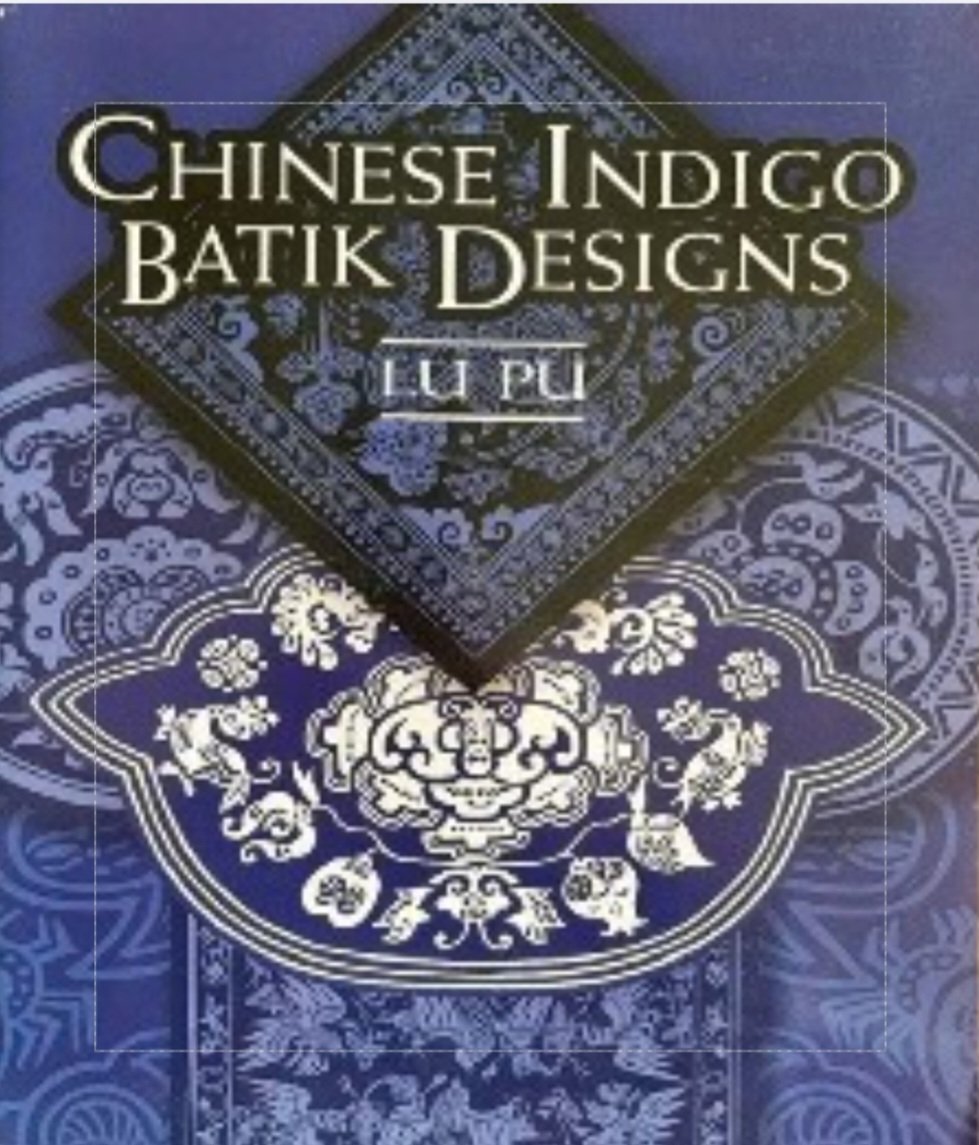
Author: Lu Pu. 2007. 110 Plates. (English). Softcover Dover Pictorial Archive Series.
Publisher: Dover Publications Inc., New York
Chinese Indigo Batik Designs by Lu Pu constitutes a compelling visual survey of a folk-art tradition whose origins extend back more than two millennia. Originally published by New World Press in 1981 and subsequently reissued as part of the Dover Pictorial Archive series, the volume functions primarily as a valuable design compendium rather than a comprehensive instructional or ethnographic study. The principal strength of the book lies in its extensive collection of over 110 authentic, royalty-free batik patterns, meticulously reproduced from rare holdings originating in the southwestern provinces of China. These designs reveal significant regional variations in aesthetic sensibility and decorative vocabulary. The batik traditions of Huangping, for example, emphasize geometric harmony and stylized representations of mountains, trees, and birds. In contrast, the Miao regions are characterized by densely composed floral arrangements and intricate butterfly motifs, reflecting a highly ornamental visual language. Meanwhile, examples from Yunnan Province exhibit bolder and more localized depictions of wildlife, including peacocks, monkeys, and elephants, demonstrating a distinctive regional interpretation of natural forms. As a reference work, the volume succeeds admirably as a meticulously curated pictorial archive. The reproductions are crisp and clearly rendered, making them particularly valuable for contemporary graphic designers, textile artists, illustrators, and decorative arts practitioners seeking historically grounded visual inspiration. The clarity of the linework facilitates direct adaptation for modern applications, including digital design, textile pattern development, printmaking, and stencil production. Nevertheless, readers seeking substantial historical analysis, ethnographic interpretation, or practical instruction in batik production techniques may find the volume somewhat limited in scope. The book privileges visual documentation over contextual discussion, offering relatively little exploration of the cultural, spiritual, or social significance embedded within the motifs and tribal traditions represented. Rather than situating the designs within broader frameworks of material culture and indigenous identity, the publication largely presents them as autonomous graphic compositions. Despite these limitations, Chinese Indigo Batik Designs remains a highly recommended resource for artists, quilters, pattern designers, and researchers interested in traditional ornamental design. Its exceptional collection of high-contrast, carefully preserved motifs provides a rich source of inspiration for creative adaptation and comparative design study. However, it is less suitable for textile historians, anthropologists, or scholars seeking a comprehensive examination of wax-resist dyeing traditions, technical processes, or the broader cultural history of batik in southwestern China. While not intended as an academic monograph or technical manual, Chinese Indigo Batik Designs succeeds as an important visual archive that preserves and disseminates a remarkable corpus of traditional Chinese textile ornamentation. Its enduring value lies in the accessibility and quality of its reproduced patterns, making it an indispensable reference for designers and a useful supplementary resource for those interested in the decorative arts of Southwest China.
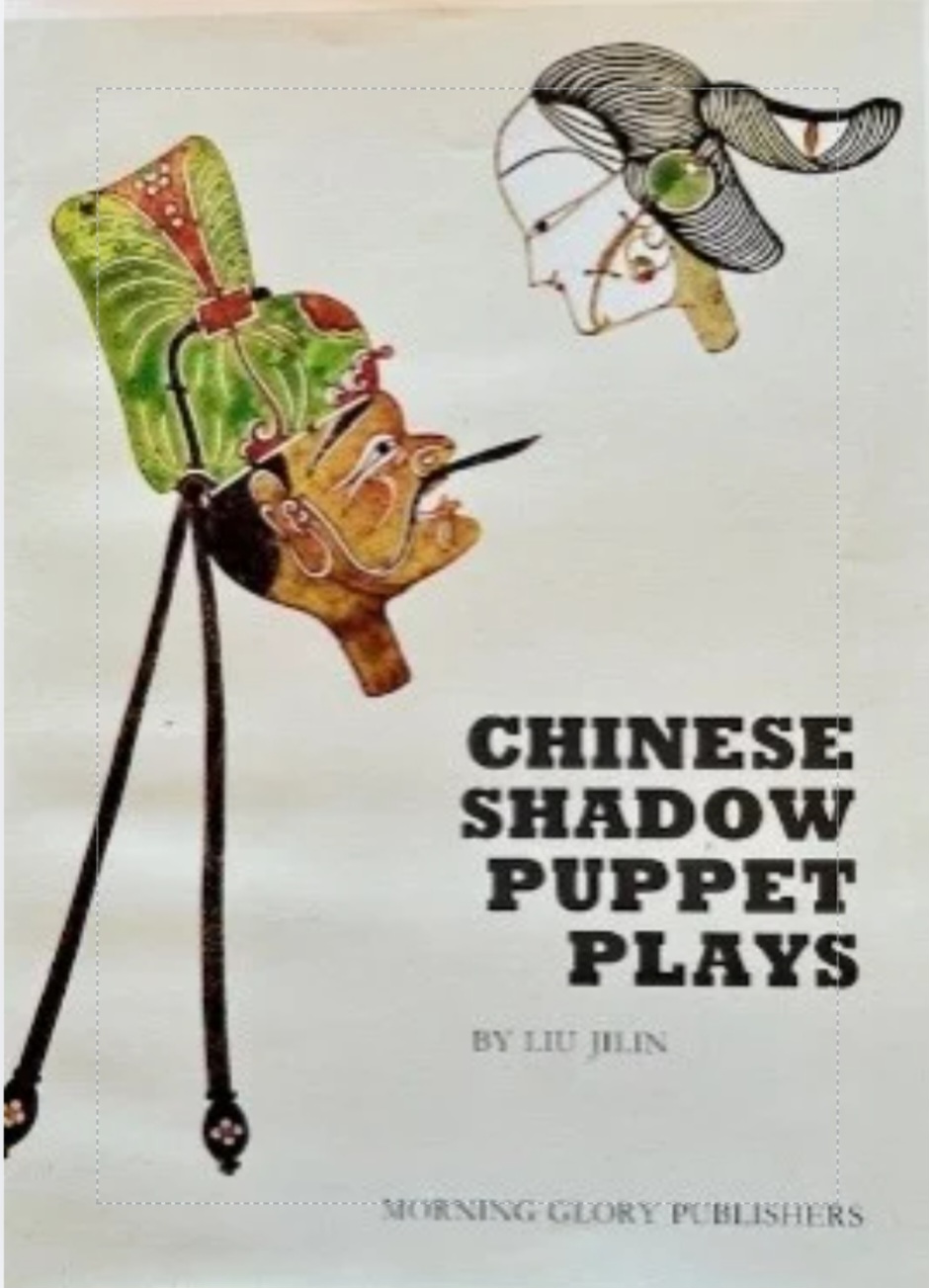
Author: Liu Jilin, 1988, 112pg. (English & Chinese) Softcover
Publisher: Morning Glory Publishers, Beijing, China
Shadow puppetry represents an ancient and deeply rooted rural art form in China, embodying both aesthetic expression and cultural heritage. Yet this tradition is not confined to China alone; variations of shadow puppet theatre are widely encountered across Southeast Asia, each region adapting the practice under distinct names and stylistic conventions. The text under discussion traces the historical trajectory of shadow puppetry, elucidating the processes by which these intricate figures are crafted and animated. Performances are typically grounded in mythological narratives or local folklore, ensuring that the stories resonate with audiences through their familiarity and communal significance.
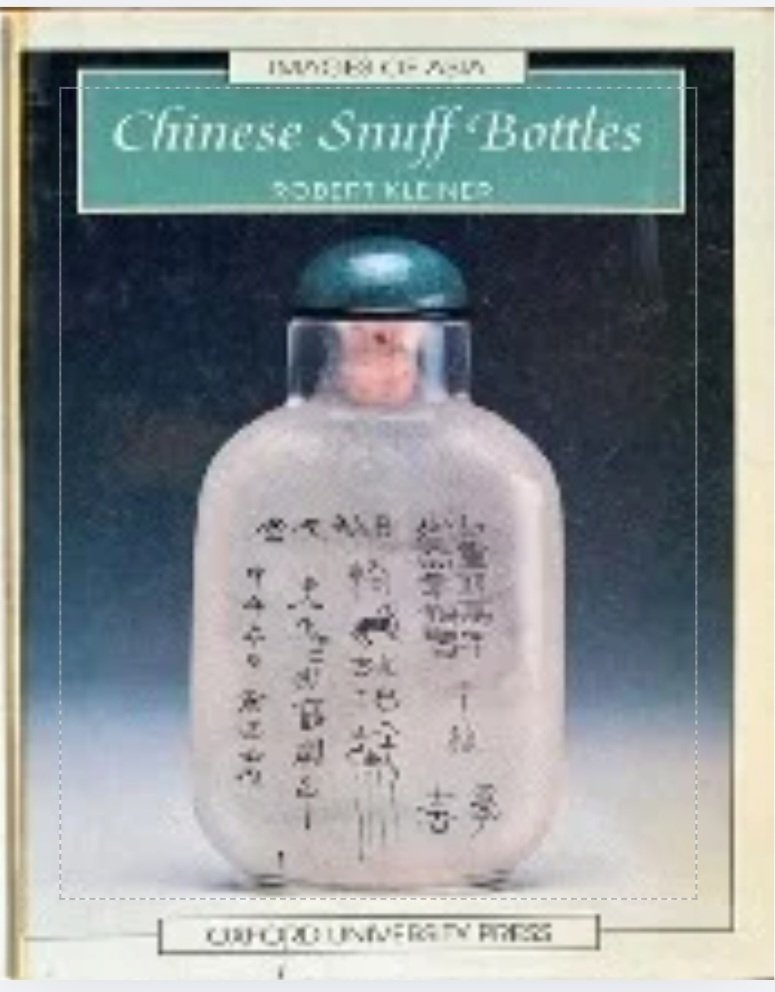
Author: Robert Kleiner, 1994. 74pgs (English), Hardcover
Publisher: Oxford University Press, USA
Published by Oxford University Press as part of the Images of Asia Series, this volume constitutes an exceptional and highly accessible primer devoted to the history and appreciation of Chinese snuff bottles—miniature masterpieces of material culture. Authored by Kleiner, a former consultant to Sotheby’s, the book deftly balances historical contextualization with pragmatic guidance for prospective collectors, navigating a marketplace increasingly susceptible to counterfeits. Structured to provide a comprehensive overview within a compact format, the text foregrounds both the cultural evolution and material diversity of these artifacts. Kleiner traces the origins of snuff-taking in Chinese society, elucidating how bottle-shaped flasks evolved from exclusive Qing dynasty court luxuries into widely disseminated status symbols. The core chapters survey the remarkable array of materials employed by Qing artisans, categorizing bottles by their physical composition—glass, porcelain, jade, agate, organic substances such as ivory and amber, and various metals. Readers are introduced to sophisticated artisanal techniques, ranging from intricate relief carving to the astonishing practice of inside painting, wherein artists executed delicate landscapes and calligraphy upon the interior walls of glass or crystal vessels using a minuscule hooked brush. The book privileges visual presentation, featuring twenty-four full-color and sixteen monochrome plates that vividly convey the tactile allure and intricate detail of these diminutive art forms. Kleiner’s prose is at once erudite and approachable, rendering complex craftsmanship intelligible to non-specialists. One of the volume’s most valuable contributions lies in its pragmatic counsel regarding the art market. As the value of authentic snuff bottles has escalated dramatically, the field has attracted increasingly sophisticated forgeries. Kleiner’s work thus functions as a vital introductory safeguard for the “unwary collector,” equipping novices with the discernment necessary to recognize genuine artistry before undertaking significant acquisitions.
Page 33 of 151