
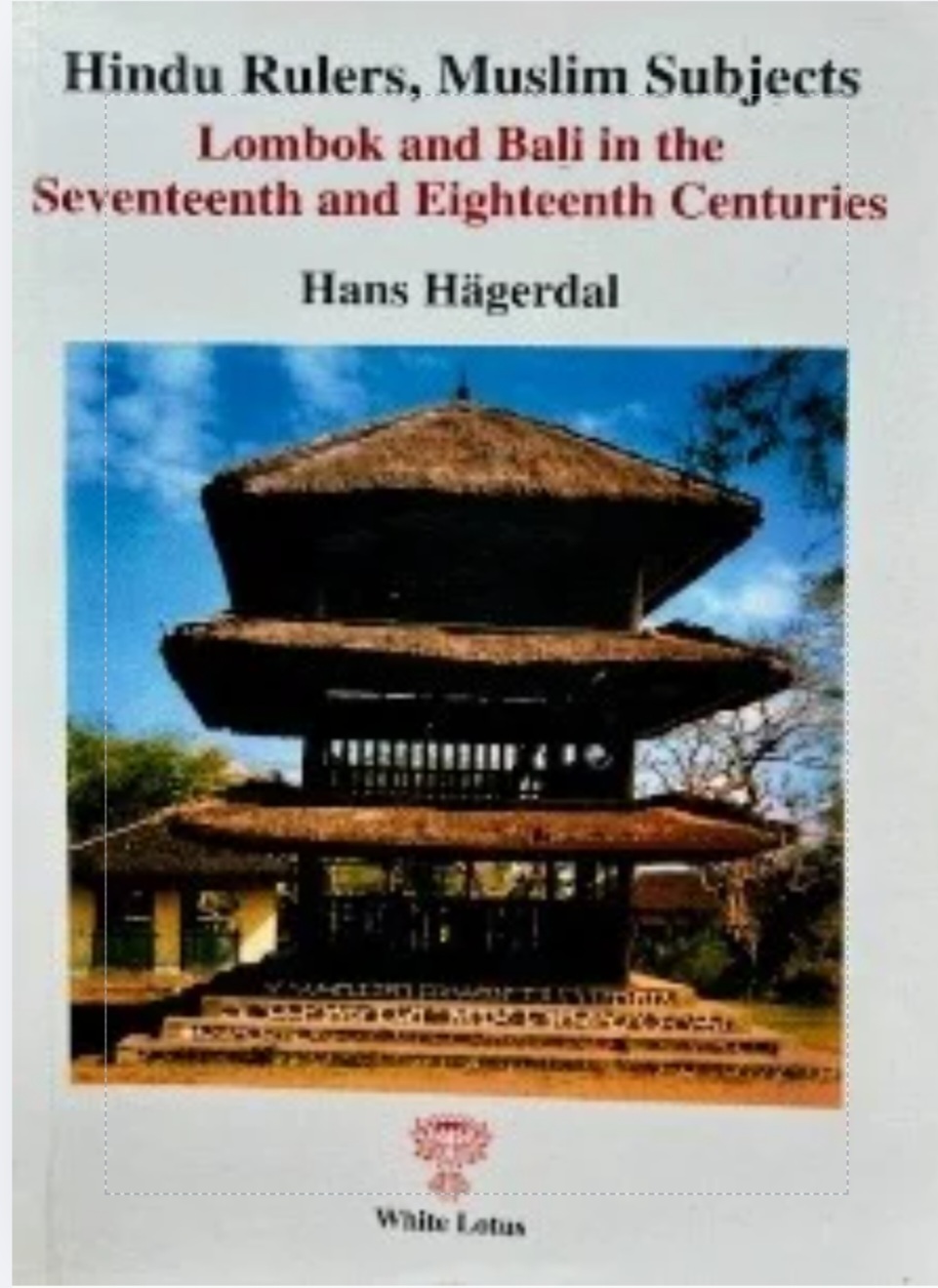
Author: Hans Hägerdal, 2001, 200pg. (English) Softcover. Photocopied version.
Publisher: White Lotus, Bangkok, Thailand
This volume examines a compelling historical episode: the establishment of Balinese Hindu rule over a predominantly Muslim population during the period 1700–1748. The sources pertaining to this era are re-evaluated, and additional insights are offered regarding the events of the time, situated within a broader regional framework. Particular attention is devoted to the interplay of ethnic and religious relations, as well as to the cultural foundations underpinning the legitimacy of political authority. Of special significance is the broader question of how a Hindu minority succeeded in governing a Muslim majority, and the eventual consequences of this arrangement. The deterioration of interethnic relations in one part of the island culminated in a rebellion in 1891, thereby facilitating Dutch colonial conquest in 1894. The disruptions introduced by the arrival of the Dutch East India Company in the late seventeenth century had already contributed to the conditions that shaped these developments. A comparative example of Hindu rulers exercising authority over a predominantly Muslim population may also be observed in Kashmir.
Author: W.P. Groeneveldt, 1880. 145pg. (English & Chinese)
Publisher: Bhratara, 1960, Jakarta (reprint - photocopy)
This book is indispensable for anyone looking to understand the history of the Malay Archipelago and the trade that flourished before Western colonization. It serves as a reprinted translation of a significant article from "Verhandelingen van het Bataviaasche Genootschap van Kunsten en Wetenschappen," Volume XXXIX, published in 1880.
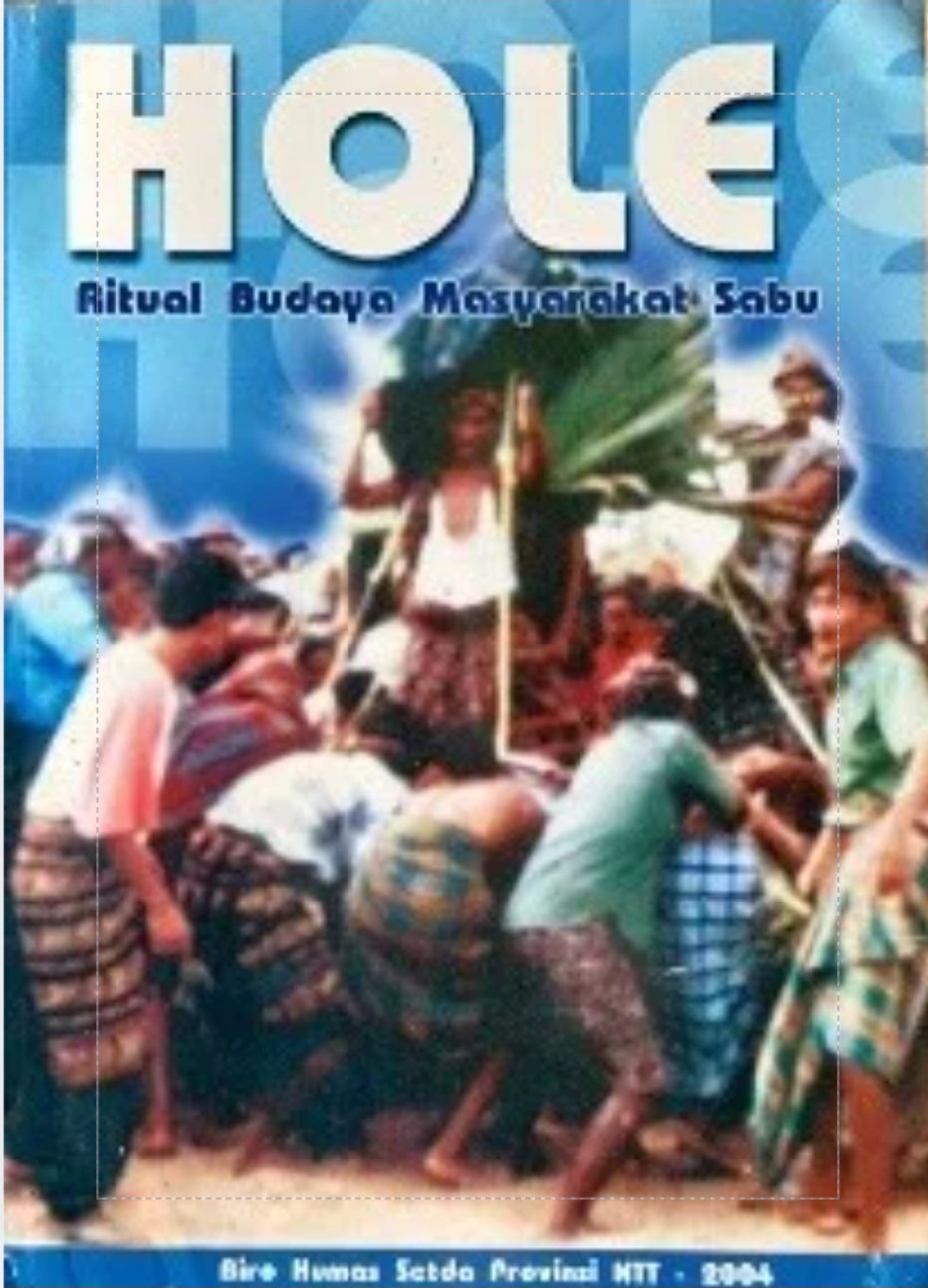
Author: Team District Secretary of NTT Province, 2004. 83pgs. (Indonesian & English). Softcover.
Publisher: Bureau of Public Relation, Secretary of East Province of East Nusa Tenggara
The booklet endeavors to elucidate the grand ritual known as Hole among the Savunese people. It begins with an overview of the historical background of Savu Island—referred to in Indonesian as Sabu—before outlining nine annual rituals that the Savunese community collectively observes. Rituals start during the dry season (July–August), the ritual of tapping the sap of the coconut palm (nira), the essential raw material for sugar production. This is followed by the ceremonial closure of production sites in September–October. Subsequently, the ritual pf Djalii Ma (October–November) marks the ritual cleansing of farmland, symbolically welcoming the rainy season and preparing the soil for the sowing of new seeds. In January–February, the Hanga Dimu ritual coincides with the harvest season, while the Daba, ritual also observed during this period, celebrates the maize harvest. These festivities are accompanied by communal entertainment, including daytime horse riding and evening dances. The culmination of the ritual calendar is the Hole ceremony (April–May), regarded as the most significant event. During Hole, offerings from the harvest are ceremonially brought to Raijua Island, which is revered as the ancestral homeland of Sabu.
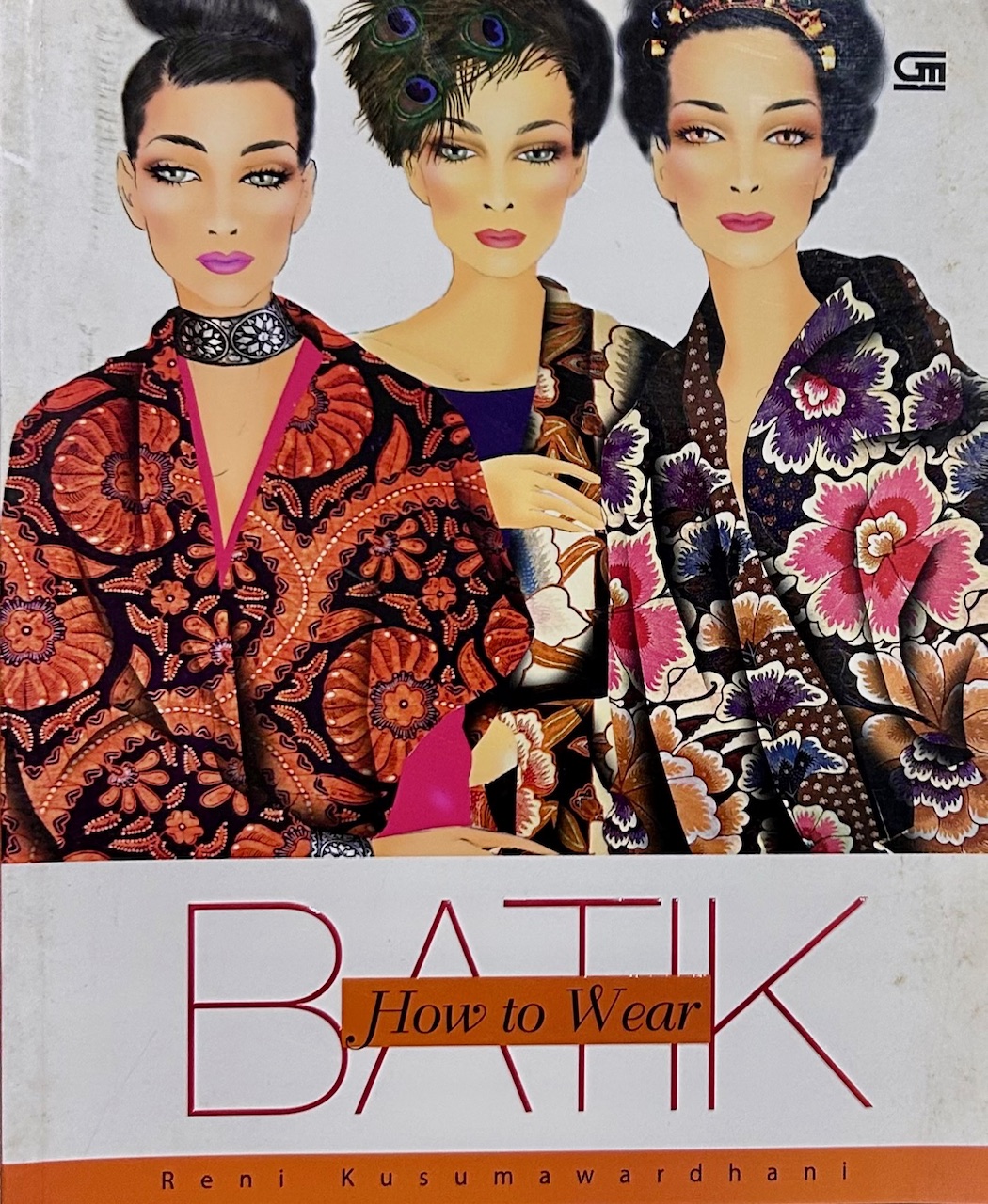
Author: Reni Kusumawardhani, 2012. 97pg. (Indonesian)
Publisher: Gramedia Pustaka Utama, Jakarta
This concise book offers tips on when and how to wear batik. The author provides guidance on matching batik with skin tone, body shapes, and appropriate workplace attire.
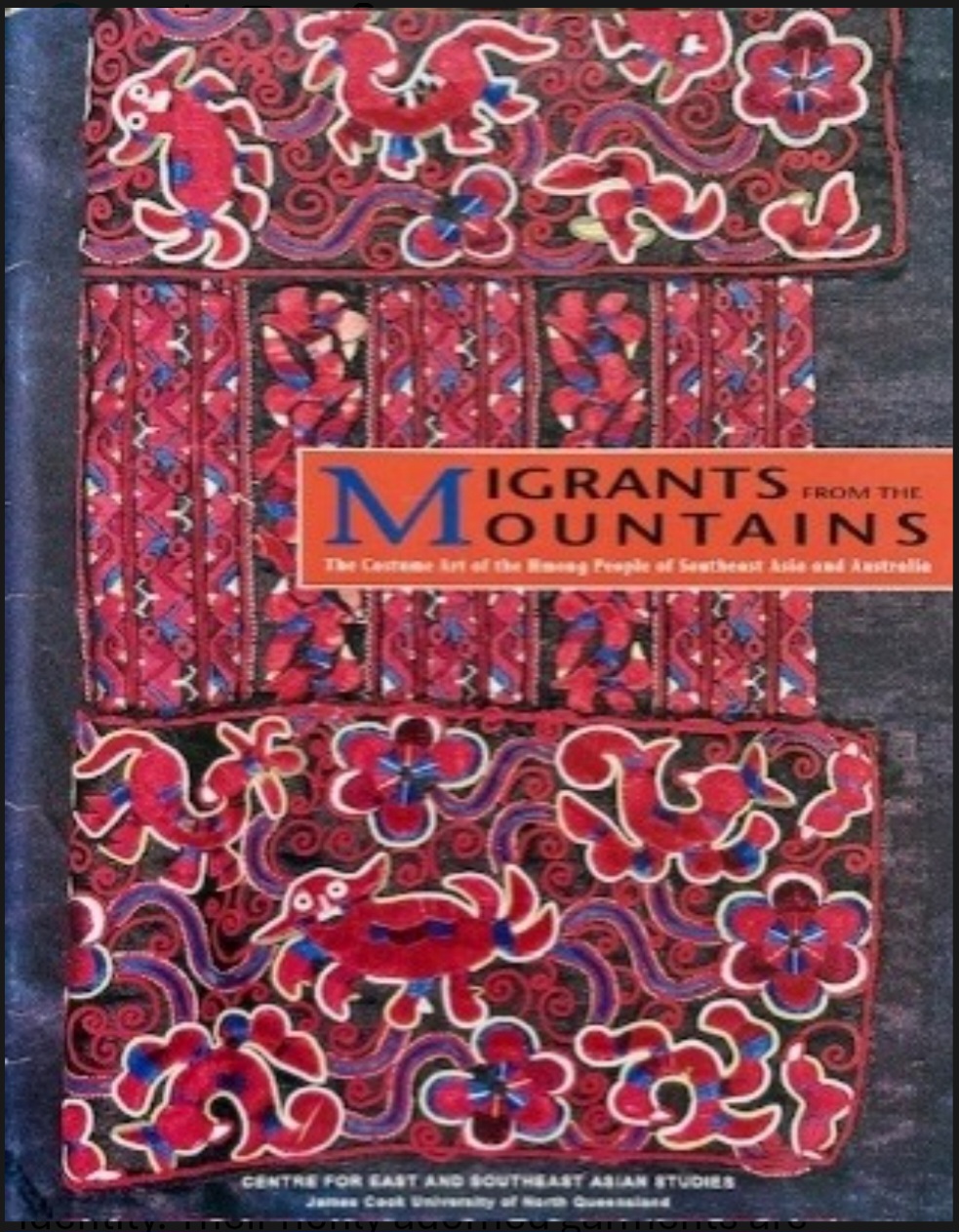
Author: Percy P. Courtenay & Maria Wronska-Friend, 1995. 40pgs. (English), Softcover.
Publisher: James Cook University of North Queensland, Australia
The Hmong people, also known as the Miao, have cultivated a distinctive tradition of costume and silver ornamentation that, while not conventionally classified as a major art form, constitutes a profound expression of cultural identity. Their richly adorned garments are embellished with symbolic motifs and executed through a diverse repertoire of techniques, including embroidery, batik, and appliqué. These textiles rank among the most visually compelling attire in Southeast Asia. Beyond their aesthetic value, Hmong textiles serve as a visual chronicle of the community’s historical trajectory: from their ancestral homeland along the Laos–China border, through the turbulent years of conflict and displacement into refugee camps in Thailand, and ultimately to their resettlement in Australia. In this way, the garments embody not only artistic ingenuity but also the resilience and continuity of cultural memory across generations.
Page 34 of 108