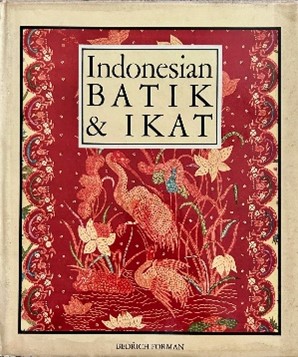
Author: Bedrich Forman, 1988. 167 pg. (English)
Publisher: Hamlyn, London
This book serves as a key reference for art historians, focusing on three distinct methods of cloth patterning: Batik, Ikat, and Ship cloths. Bedrich offers insights into the symbolism of batik motifs and the sacred functions of ikats and ship cloths, enhancing readers' appreciation of Indonesian textile arts.
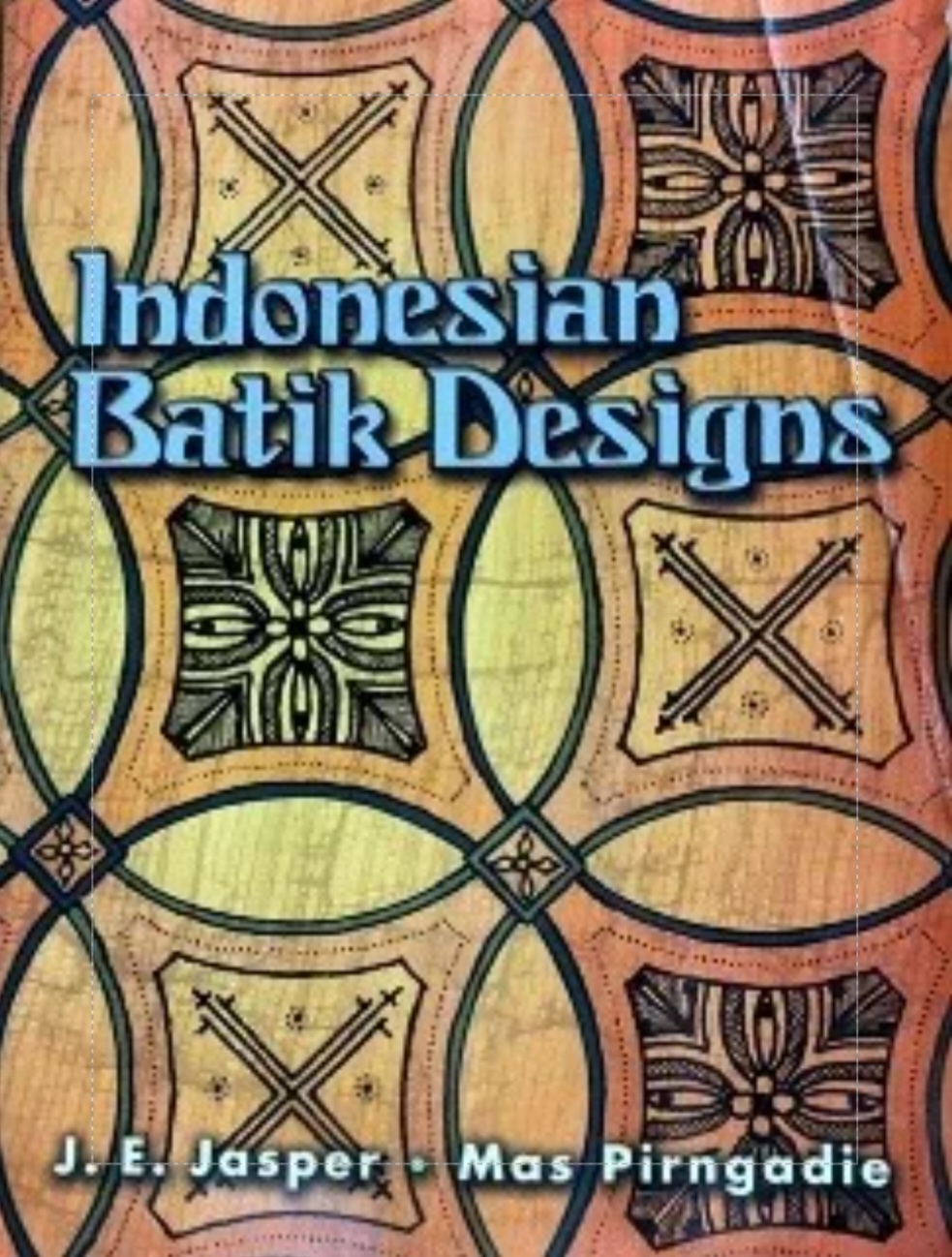
Author: J.E.Jasper & Mas Pirngadi. Dover Pictoriaql Archive Series, 2006. 59pgs. (Indonesian), Softcover.
Publisher: Dover Publ., Mineola, NY- USA
Batik designs constitute one of the most prominent and venerated artistic traditions in Indonesia. The term batik derives from a Javanese expression meaning “cloth with little dots,” aptly reflecting the meticulous decorative technique. This textile art involves the application of wax to fabric in order to resist dyes, a process that may be repeated multiple times on a single piece to produce vibrant and distinctive compositions. Historically, the finest Indonesian batik cloths were often embellished with specific motifs to denote an individual’s social status or regional origin, with each pattern carrying its own cultural symbolism. The corpus of batik artistry encompasses approximately 200 highly stylized motifs, ranging from representations of animals, flowers, and plants to diagonal and repetitive geometric configurations. Indonesia’s rich cultural heritage provides an inexhaustible source of inspiration for these striking and imaginative linear illustrations. Many of these designs, reproduced from rare archival sources, appear in exquisite black-and-white renderings that may serve diverse artistic purposes or simply be admired for their aesthetic refinement and remarkable diversity.
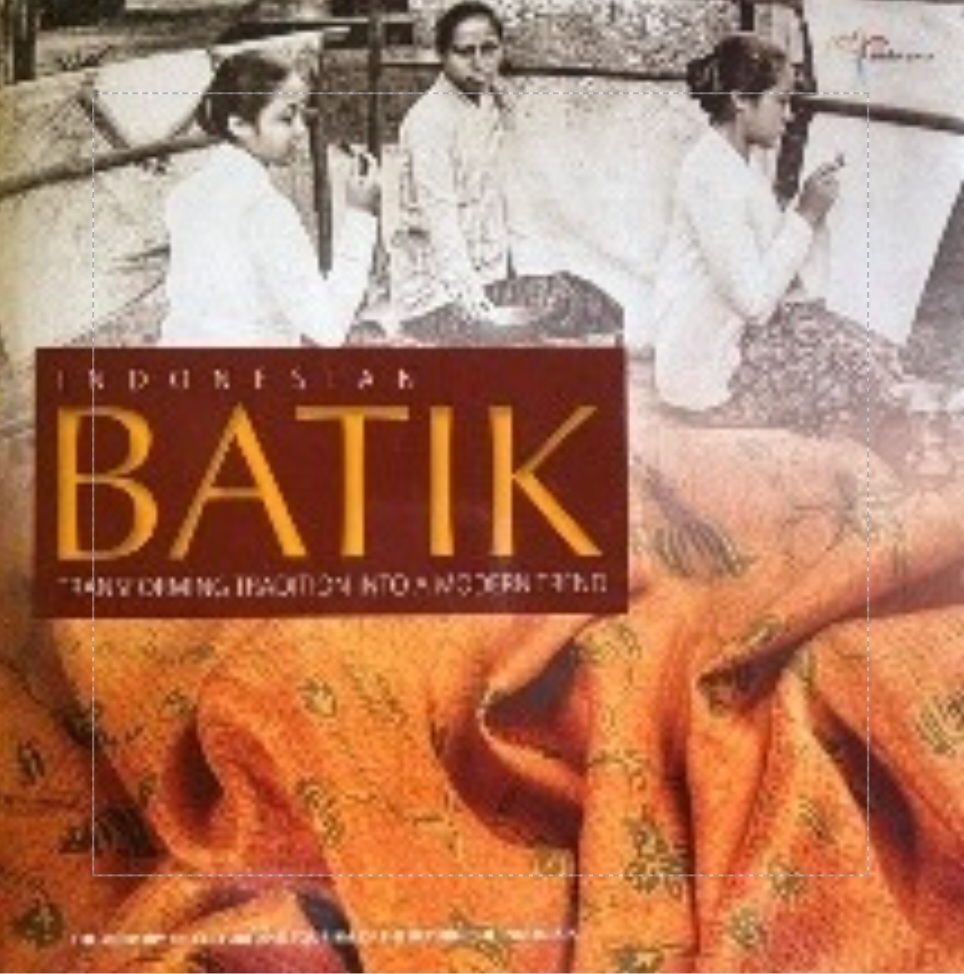
Author: Dr. Wiendo Nuryanti & Helly Minarti, 2008. 154pgs. (English). Hardcover
Publisher: The Ministry of Culture and Tourism of the Republic of Indonesia
This study traces the transformation of batik from a traditional cultural artifact into a dynamic commercial and creative medium. It highlights the pivotal role of Indonesian designers such as Iwan Tirta and Ardiyanto Pranata in expanding batik’s applications beyond clothing to interior design. The book examines batik’s cultural significance, its commodification through tourism, and its emergence as a marker of national identity. It further explores batik’s integration into fashion, addressing debates on authenticity and demonstrating its adaptability across classical and avant-garde styles. Finally, it considers contemporary challenges and future prospects, emphasizing the need for strategic innovation as Indonesia advances toward a knowledge-based economy.
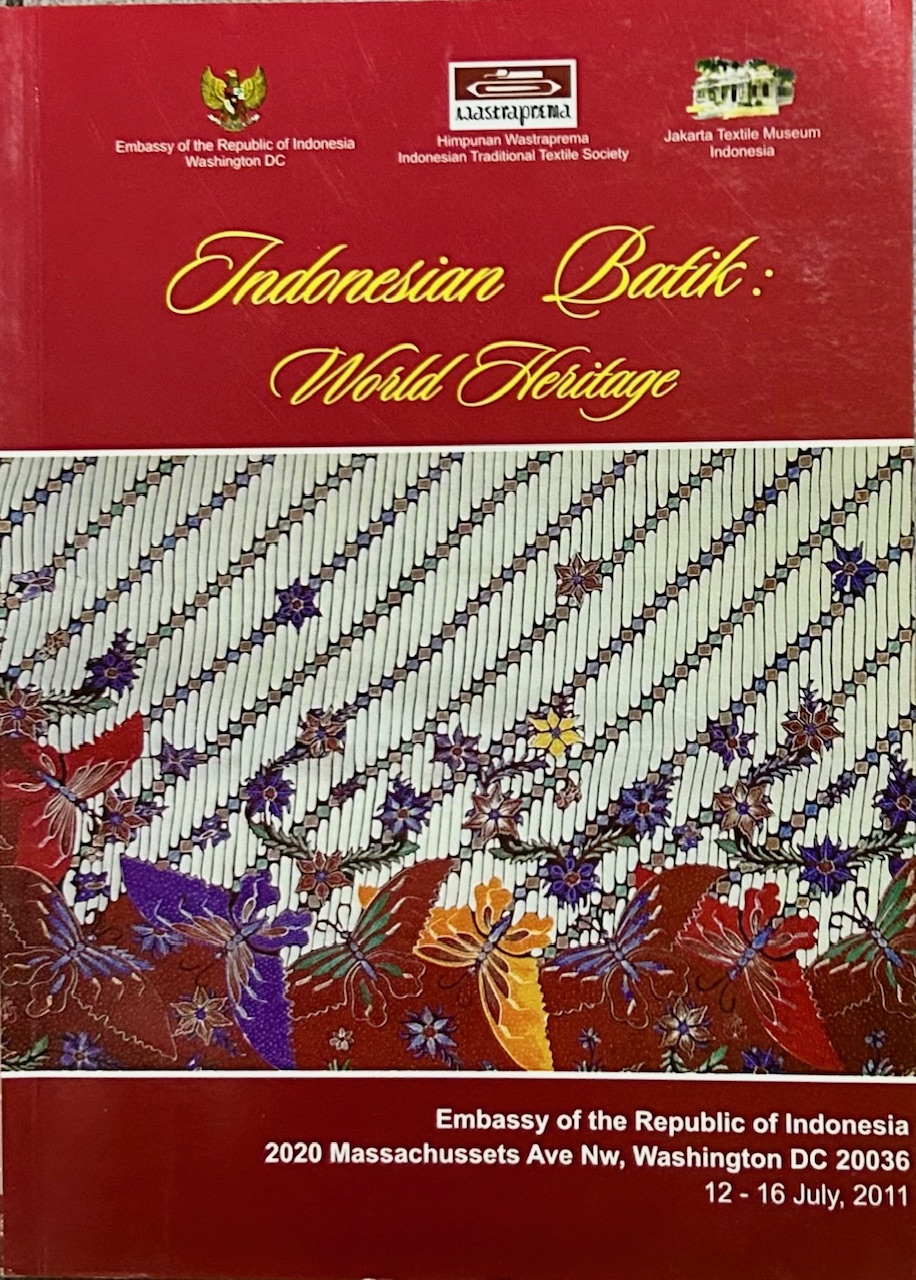
Author: Judi Achjadi & Mariah Waworuntu, 2011. 72pg. (Indonesian and English)
Publisher: Himpunan Wastraprema, Jakarta
The Indonesian Batik exhibition is the first overseas showcase since UNESCO recognized it as an Intangible Cultural Heritage in 2009. This important collaboration between Himpunan Wastraprema, the Indonesian Embassy in Washington, D.C., and the Jakarta Textile Museum features exceptional works by renowned artisans like Iwan Tirta and Katura, highlighting the global significance of Indonesian batik.
Author: Judi Achjadi & Mariah Waworuntu, 2011. 71pgs (English). Softcover. Catalog
Publisher: Himpunan Wastraprema, Jakarta
The catalog was produced to accompany a distinguished batik exhibition held at the Embassy of the Republic of Indonesia in Washington, D.C., entitled Indonesian Batik: World Heritage. This exhibition took place two years after UNESCO formally inscribed batik on its Representative List of the Intangible Cultural Heritage of Humanity, recognizing its profound cultural significance and artistry. The batiks showcased were drawn from the private collections of members of Himpunan Wastraprema, an association devoted to the preservation and appreciation of Indonesian textiles. These collectors traveled to the United States to personally oversee the installation of the exhibition, ensuring that the presentation reflected both authenticity and reverence. The event was warmly received by audiences, garnering admiration for its celebration of Indonesia’s textile heritage and its role in fostering cross-cultural appreciation.
Page 38 of 108