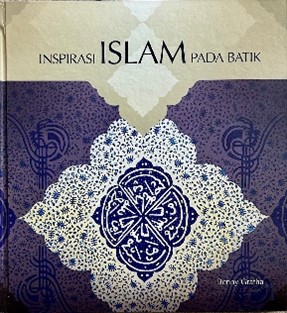
Author: Benny Gratha, 2020. 199pg. (Indonesian)
Publisher: Buana Alit Wastra Mahakarya, Denpasar Bali
This book is the first to explore the influence of Islam on batik in Indonesia. It accompanies an exhibition at the Jakarta Textile Museum that shares the same title. The motifs featured on the cloth are categorized into calligraphic designs, geometric patterns, undefined shapes, parts of animals, or combinations of two or more animals. This is a bold effort to document these batiks and is a valuable addition to the collection of Indonesian textile literature.
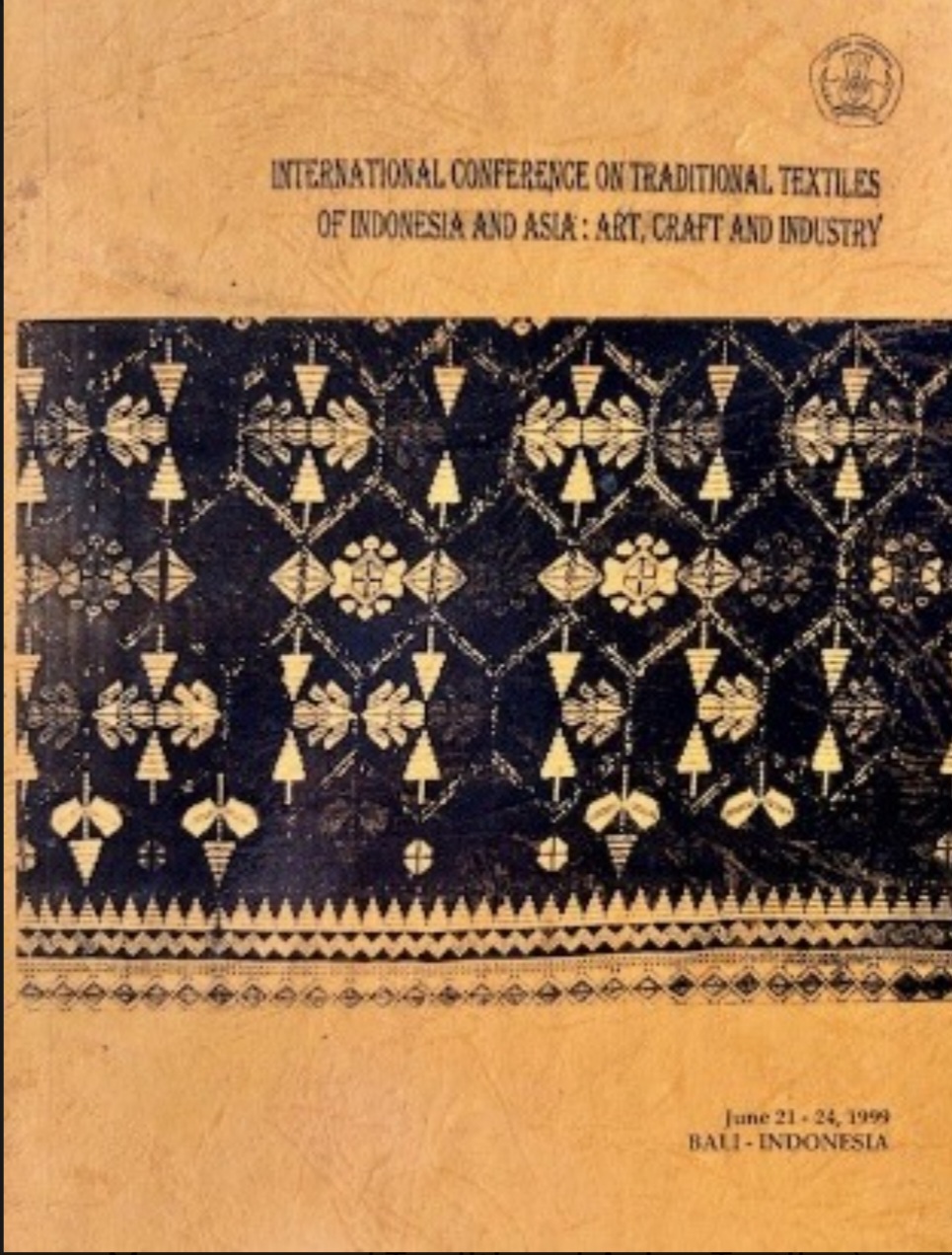
Author: editor unknown, 1999, photocopied version
Publisher: Museum Nasional Indonesia
The proceedings includes the following papers: Dale Gluckman. (Keeping Culture: Museums and Traditional Asian Textiles) Jasleen Dhamija. (Traditional Textiles and Changing Perceptions.) Robyn Maxwell. (Textile and Politics in the Indonesian Archipelago in the 20th century) Kim Jane Saunders. (Textile for Tourists or Textiles for Heritage?) Mary Hunt Kahlenberg. (Nine Lives of a Textile.) John Summerfield. (Then and Now. Ceremonial Textiles 1800-1999) Wahyono Martowikrido. (On the Men’s Cloth of Ayutopas, South Central Timor.) Thomas Murray. (Textile Motifs in Indian Trade Cloth, made to the South Sumatra Taste.) Kun Lestari WF. (The Development of Traditional Javanese Batik Colors with natural dyes.) Sulaeman et al. (Traditional Dyeing method of soga color using natural dyes.) Djumala Mahmud. (Wood as main material of batik stamp in the batik process.) Trihusodo. (Use of national raw materials for the Batik industries.) Hendri Suprapto. (Natural Dyeing on Cotton, Silk, and Wool. Elizabeth Oley. (Natural Dye revival in Indonesia.) Liz Perry. (Weaving and Dyeing in Cambodia.) Xayprany Chantalangsy. (Lao Textiles at the World Textile Fashion and Art.) Dwi Suheryanto. (Intelectual Property Rights in the field of Batik Indonesia.) Puji Yoseph Subagyo. (North Coast Java Batik 1994.) Kay Krippen. (Marketing Naturally Dyed Traditional textiles.) Joseph Fisher. (Balinese and Embroideries.) Suhardini Khalid. (The Ulos Weaver in the Life of the Toba Batak.) Suwati Kartiwa. (Appreciation for Traditional Textiles, Revitalization and Development.) Toeti Kakiailatu. (Market segmentation in Traditional textiles.) Moh. Najib bin Ahmad Dawa. (Malaysian batik sarong and its symbolism.) Geneviève Duggan. (Woven metaphors and Gender symbolism in Savunese Textiles.) S. Hertini Adiwoso. (The sacred weavings of the “Wetu Telu” in East Lombok.) Puspitasari Wibisono. (Baduy community and its handwoven cloth.) Fiona Kerlogue. (Transformation and Tradition: Calligraphy Batik from Jambi.) Itie van Hout. (Indonesian weaving between heaven and earth. Bird motifs on Indonesian Textiles.) Anne Summerfield. (The ‘Way’ of motifs in Minangkabau Ceremonial textiles.) Woro Aryandini. (The Meaning of Pattern in Javanese Traditional Batik.) T.T. Soerjanto. (Nitik motifs in Javanese Batik.)
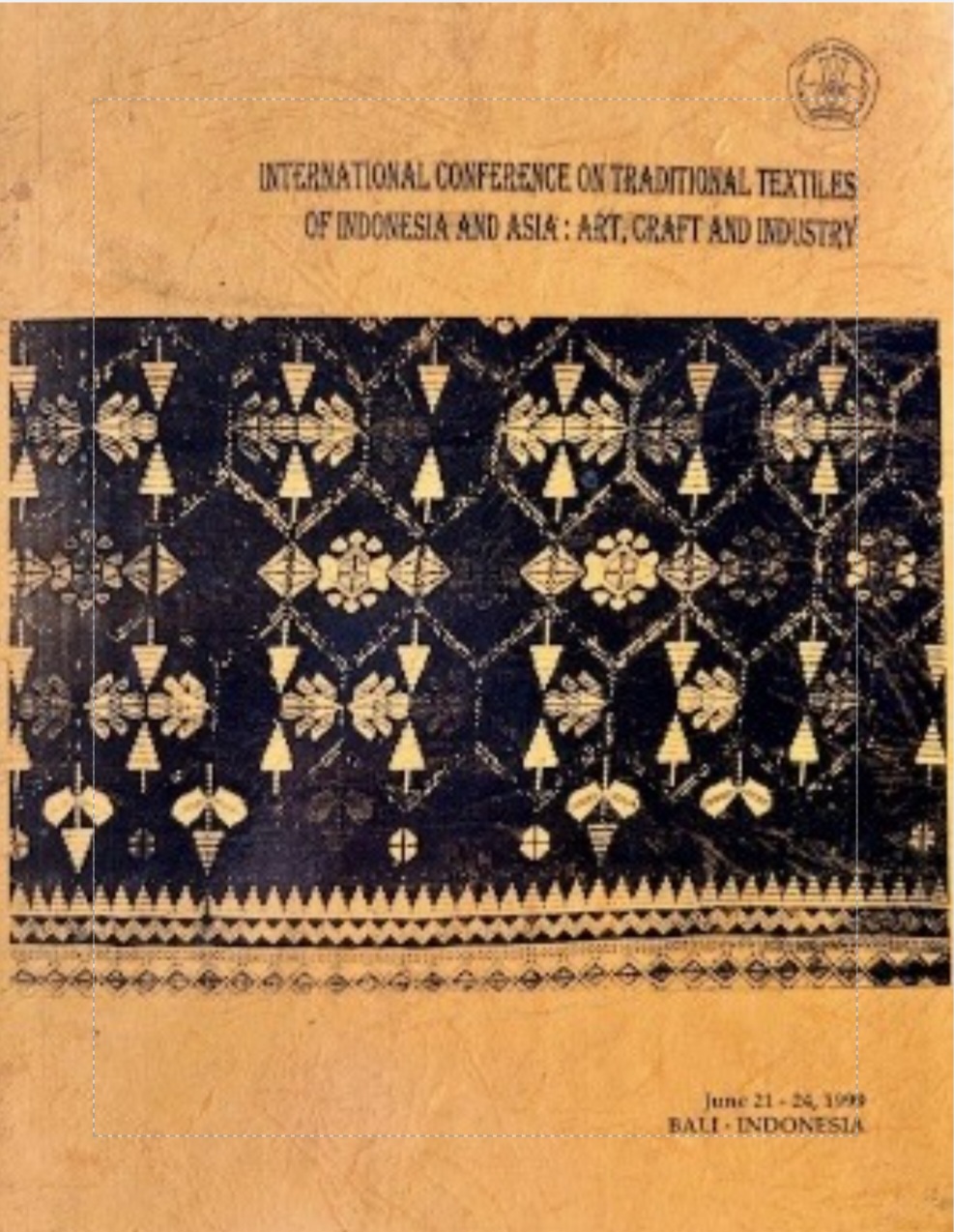
Author: Endang Sri Hardiati et all (Editor). 1999, 312pgs, (In English) photocopied version
Publisher: Museum Nasional Indonesia, Jakarta
The proceedings of the conference included papers on: History and Trade Dale Carolyn Gluckman. (Keeping Culture: Museums and Traditional Asian Textiles) Jasleen Dhamija (Traditional Textiles and Changing Perceptions) Robyn Maxwell (Textiles and Politics in the Indonesian Archipelago in the 20th Century) Kim Jane Saunders (Textiles for Tourists or Textiles for Heritage?) Mary Hunt Kahlenberg (Nine Lives of a Textile) John Summerfield (Then and Now: Ceremonial Textiles 1800 – 1999) Wahyono Martowikrido (On the Men’s cloth of Ayutopas, South Central Timor. Technical Notes) Thomas Murray (Textile Motifs in Indian Trade Cloth made to the South Sumatra Taste) Papers on Dyeing and Technology Kun Lestari WF (The Development of Traditional Javanese Batik Colours with Natural Dyes) Suleiman, Tri Haryanto & Riyanto (The Development of Traditional batik Dyeing Method of Soga colour using natural dyes) Djumala Mahmud & Dwi Suharyanto (Wood as main material for batik stamp at the batik Process in Batik Industries) Tri Husodo & Dwi Suheryanto (Useful of Natural raw material for development Batik Industries) Elizabeth Oley (Natural Dye Revival in Indonesia) Hendri Suprapto & Kun Lestari WF (Dyeing of Natural on Cotton, Silk and Wool) Liz Perry (Weaving and Dyeing in Cambodia) Xayprani Chantalangsy (Presentation of the Lao textile at the World Textile Fashion and Art in Tourism Perspective Exhibition) Dwi Suheryanto and Wisnu Pamungkas (Intellectual Property Rights in the field of Batik Indonesia) Puji Yoseph Subagio & Gathut Dwihastoro (North Coast Java Batik, 1994) Kay Crippen & Patricia Mulready (Marketing Naturally Dyed Traditional textiles) Joseph Fisher (Balinese and Embroideries) Suhardini Chalid (The Ulos Weaver in the life of the Toba Batak) Papers on Meaning and Motifs Suwati Kartiwa (Appreciation for traditional textiles, Revitalization and Development Toeti Kakialatu (Market Segmentation in Traditional Textiles) Mohamad Najib bin Ahmad Dawa (Malaysian Batik Sarong and its Symbolism, Past, Present, and its Future) Genevieve Duggan ( Woven Metaphors and Gender Symbolism in Savunese Textiles) S. Hertini Adiwoso (The Sacret Weavings of the “Waktu Telu” In East Lombok) Puspitasari Wibisono (Baduy Community and its hand-woven Cloth) Fiona Kerlogue (Transformation and Tradition. Calygraphy Batik from Jambi) Itie van Hout (Indonesian Weavings between Heaven and Earth: Bird motifs on Indonesian Textiles) Ann Summerfield (The “Way” of Motifs in Minangkabau Ceremonial Textiles) Woro Aryandini (The Meaning of Pattern in Javanese Traditional Batik) Soerjanto (Nitik Motifs in Javanese Batik)
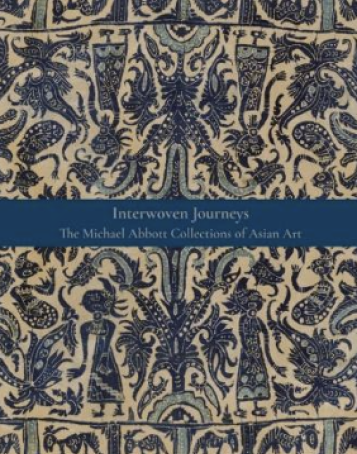
Author: James Bennett, Russel Kelty (editors). 2023. 468pg. (English)
Publisher: Art Gallery of South Australia, Adelaide
The Michael Abbot Collection features various Asian art objects, including textiles, ceramics, manuscripts, photographs, paintings, and wayang puppets, all accompanied by texts from different authors, each an expert in their field
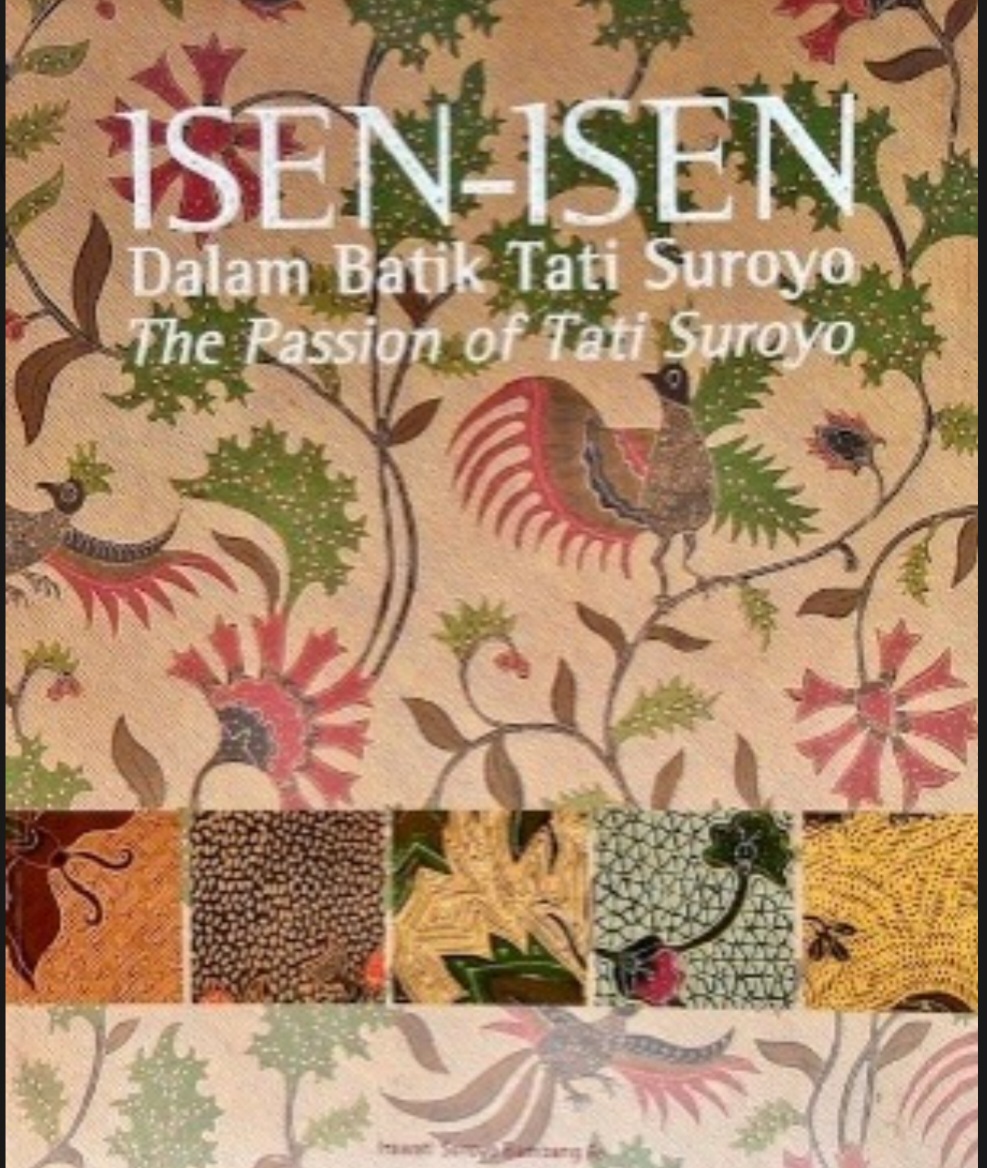
Author: Irawati Suroyo Bambang As., 2012, 229pg. (English). Softcover
Publisher: Ciriajasa Rancang Bangun, Jakarta
Isen-isen, traditionally employed as filler motifs, are most commonly integrated into the outlines of batik designs. Tati, an accomplished and deeply devoted batikker, extended the application of these fillers beyond the motifs themselves, incorporating them into the background with remarkable dexterity and unwavering patience. Whereas classical batik typically remains austere—restricted to sober hues such as sogabrown, white, or black—serving primarily as visual unifiers, Tati pursued a higher standard of perfection in the placement of isen-isen. This meticulous approach required exceptional technical skill and extraordinary perseverance. The resulting compositions acquire a dynamic vitality, imbuing the motifs with a heightened sense of depth and even an optical illusion of dimensionality. The book offers lucid and meticulously detailed illustrations of her oeuvre. It constitutes the first publication to systematically document this innovative technique, thereby foregrounding the consummate artistry of isen-isen within the broader tradition of batik.
Page 40 of 108