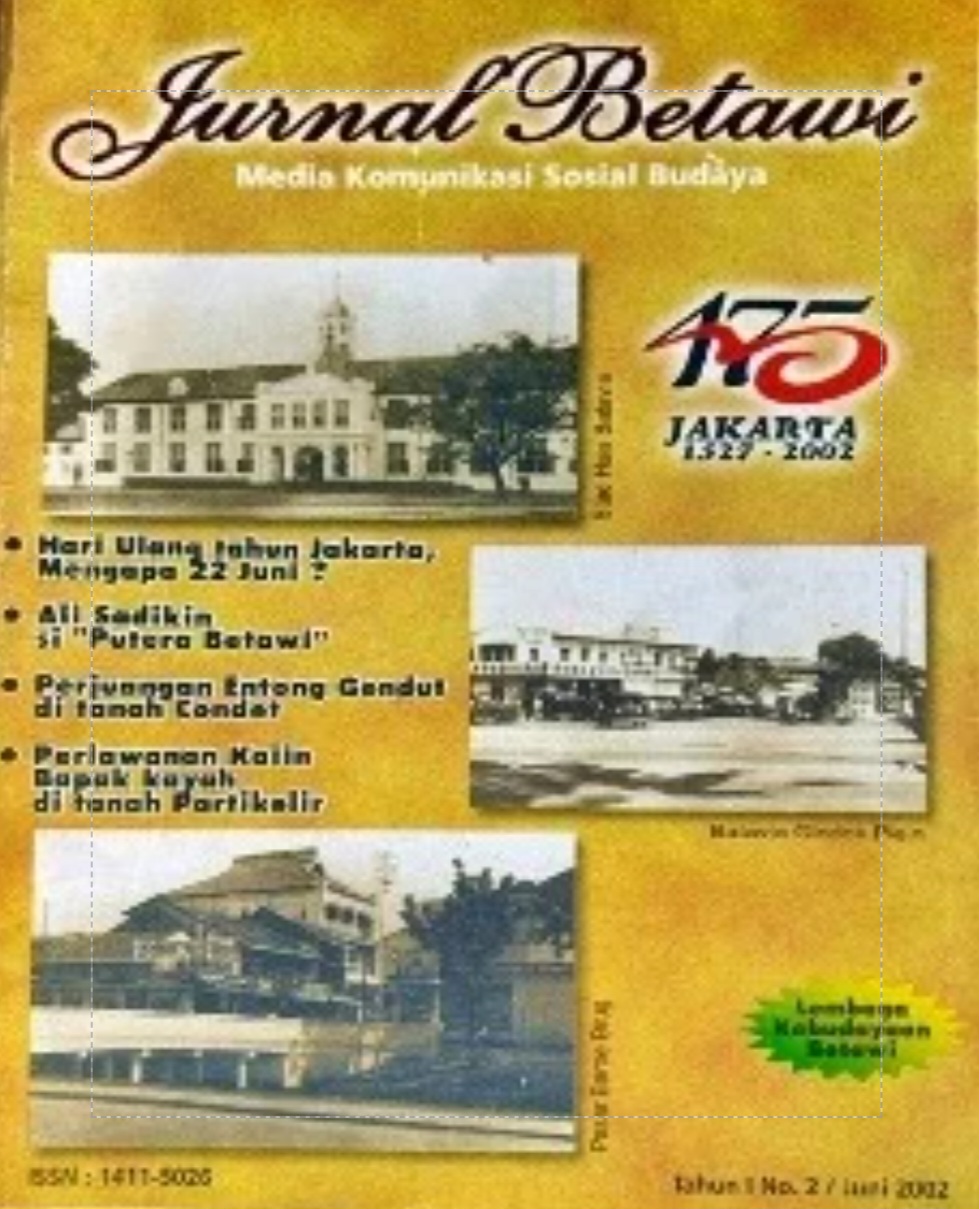
Author: Redaksi, 2002. 121pgs. (Indonesian). Softcover
Publisher: Unknown
This journal aspires to serve as a distinguished platform for the study and celebration of Betawi culture, offering readers a gateway into the historical memory and lived traditions of the Betawi people. By revisiting the cultural landscapes of earlier eras, it seeks not merely to preserve the past but to reanimate it, allowing contemporary audiences to encounter the richness of Betawi heritage in all its complexity. The present volume brings together a curated selection of essays that collectively illuminate the multifaceted identity of Jakarta and its Betawi roots. Among its highlights are reflections on the anniversary of Jakarta, an exploration of the enduring legacy of Ali Sadikin—often regarded as the symbolic “son” of the city—and narratives of legends that have emerged from diverse Betawi villages. Further contributions examine the role of Betawi journalists and other cultural figures, weaving together stories that underscore the dynamic interplay between history, memory, and identity. In presenting these essays, the journal endeavors to foster deeper appreciation of Betawi traditions while situating them within broader discourses of urban history, cultural resilience, and collective identity. It is hoped that this volume will not only enrich scholarly engagement with Betawi heritage but also inspire renewed recognition of its significance in shaping Jakarta’s evolving cultural tapestry.
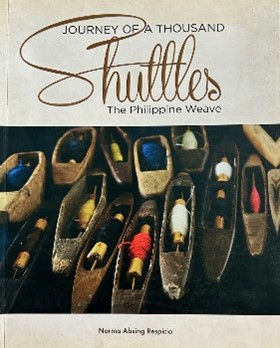
Author: Norma Absing Respicio, 2014. 153pg. (English)
Publisher: National Commission for the Culture and the Arts, Philippines
This book examines the textile weaving traditions of various ethno-linguistic groups in the Philippines, covering their development from colonial times to the present through short narratives and archaeological findings. It includes a cultural map that highlights the characteristics, similarities, and differences among these diverse groups, serving as an introduction to more detailed discussions on Philippine textile weaves.
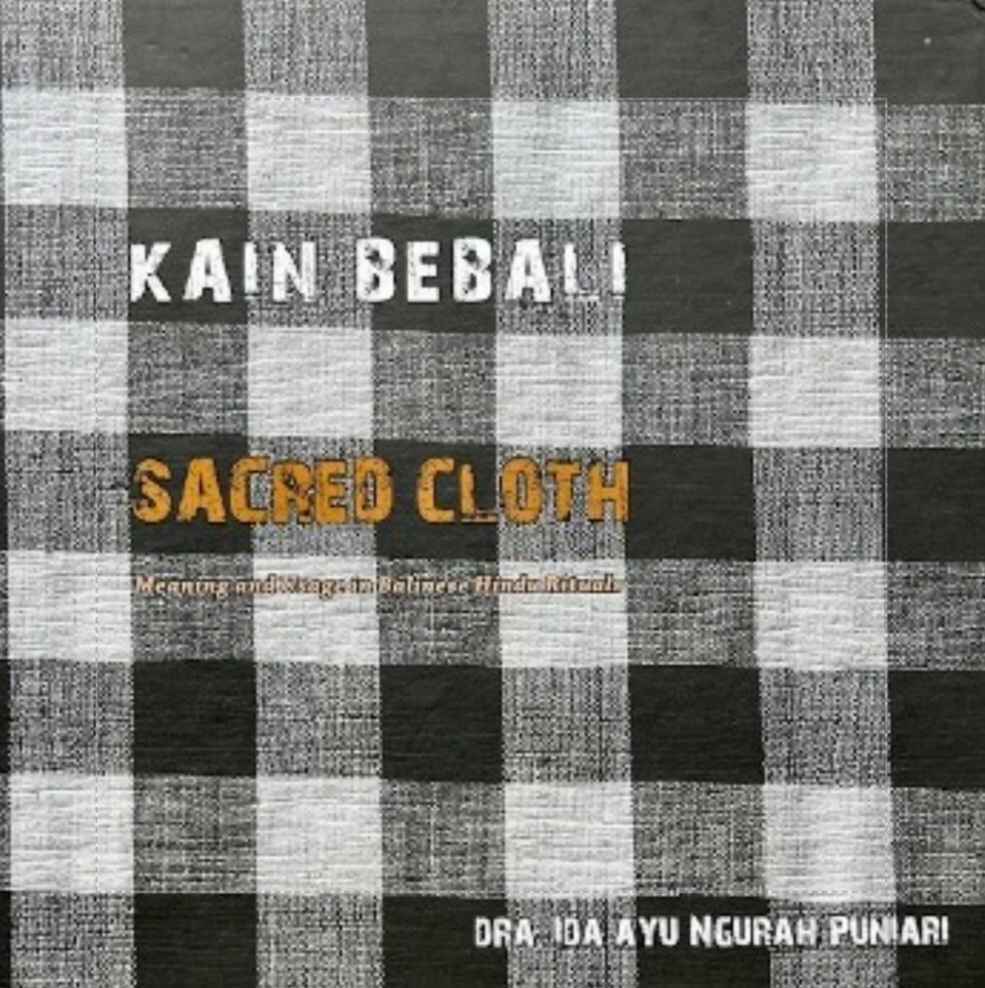
Author: Ayu Ngurah Puniari, 2011, 63pg. (Indonesian and English). Hardcover
Publisher: Indonesian Heritage Society, Jakarta
This volume represents a freely rendered English translation of Makna dan Pemakain Kain Bebali dalam Upacara Agama Hindu Bali. It is produced on premium-grade paper and enriched with newly curated, full-color photographic documentation of the kain Bebali. The publication not only preserves the aesthetic integrity of the original work but also enhances its accessibility for a broader readership, offering a visually compelling and scholarly resource on the ritual significance and ceremonial application of Balinese sacred textiles.
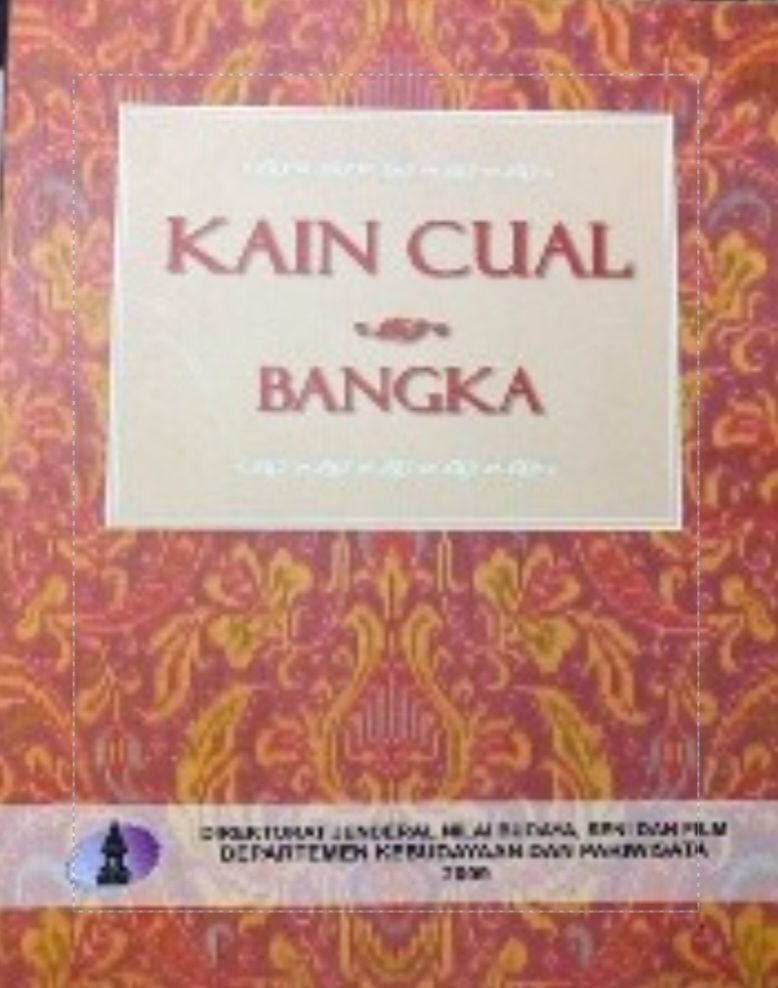
Author: iti Rohana, 2009. 82pgs. (Indonesian) Softcover
Publisher: Direktorat Jenderal Nilai Budaya, Seni dan Film, Departemen Kebudayaan dan Parisiwata
The textile tradition known as kain Cual, historically designated as Limar Muntok, originates from Muntok in Bangka Island, Indonesia. As the emblematic fabric of the Bangka Belitung (BABEL) province, Cual represents a syncretic weaving practice that integrates songket—a supplementary weft brocade technique characteristic of Palembang—with limar, an ikat method involving resist-binding of weft threads prior to dyeing. This study examines the historical trajectory of Cual, emphasizing its revival during the early 1990s and subsequent development as a cultural artifact. The analysis highlights the pivotal role of Mazlina Yasid and her family in sustaining and advancing the production of Cual, thereby ensuring the continuity of this distinctive textile heritage within the Indonesian Archipelago. The findings underscore the significance of Cual as both a material expression of regional identity and a dynamic site of cultural preservation and innovation.
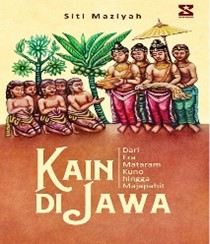
Author: Siti Maziyah, 2022. 335pg. (Indonesian)
Publisher: Sinar Hidoep, Semarang
The book "Kain di Jawa" (Textiles in Java) is an authoritative exploration of the history of textiles in ancient Java, drawing from stone inscriptions, temple reliefs, manuscripts, and ethnographic data. Siti Maiziyah expertly reconstructs the textile practices from the 9th to the 15th century, providing comprehensive insights into their production techniques and cultural significance. She rigorously examines the clothing, textiles, and costumes that were produced, worn, and traded during this pivotal period. This work stands as an essential resource for textile enthusiasts, archaeologists, historians, and philologists alike.
Page 42 of 108