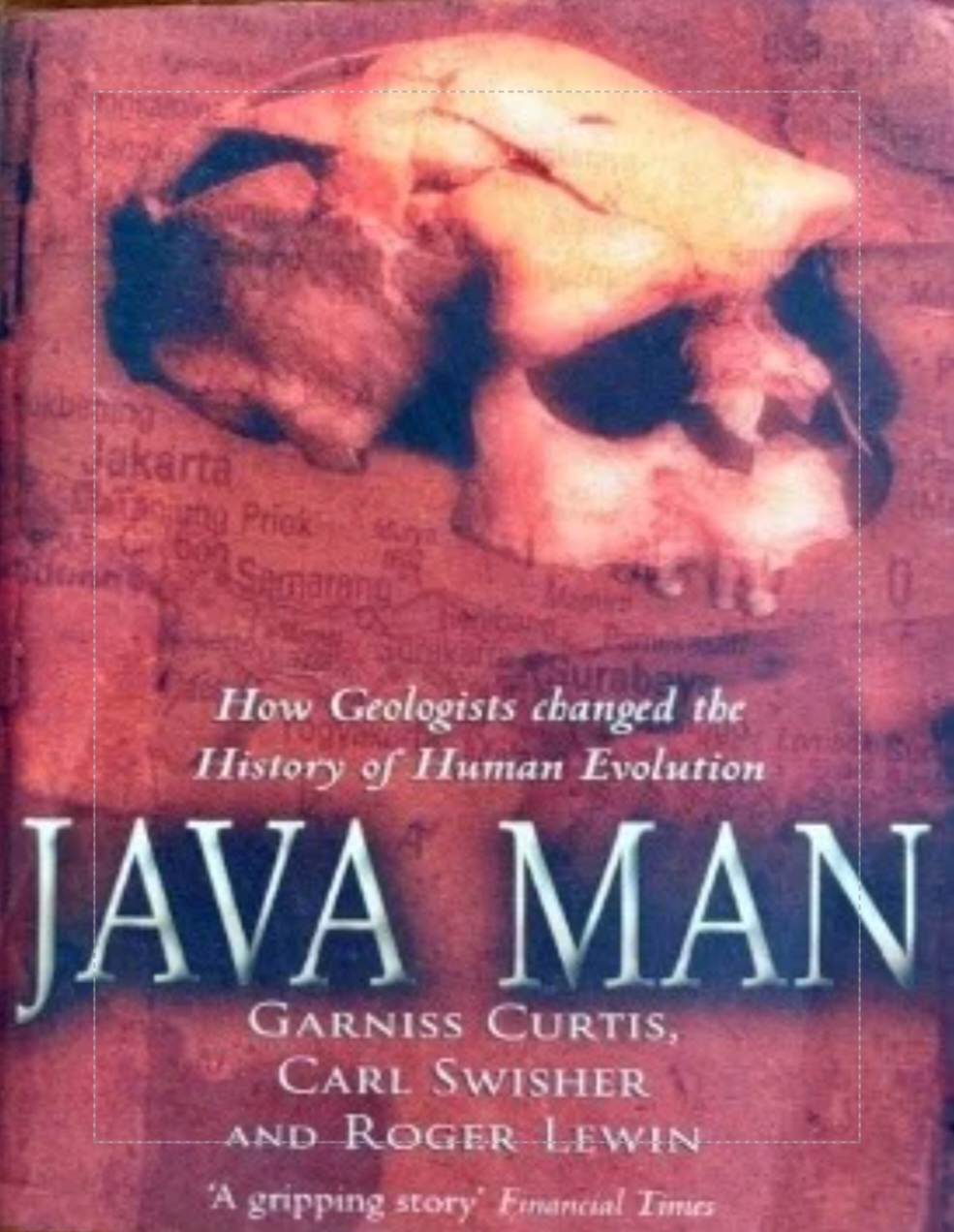
Author: Garness Curtis, Carl Swisher & Roger Lewin, 2002. 307pgs. (English). Softcover
Publisher: Abacus, Great Britain
The volume constitutes a compelling scientific narrative that illuminates how the advent of modern radiometric dating transformed debates surrounding human origins. Central to its account are the renowned hominid fossils unearthed in Indonesia during the 1890s by the Dutch anatomist Eugène Dubois. For decades, paleoanthropologists contested both the chronological placement and evolutionary significance of these remains within the broader human lineage. Employing cutting-edge argon-40/argon-39 dating techniques, the authors delivered a profound shock to the scientific community by demonstrating that the fossils were approximately 1.7 million years old. This revelation effectively extended the timeline of early human dispersal from Africa by nearly one million years. The narrative unfolds with the suspense of a detective story, tracing the rivalries among scholars, the persistence of entrenched dogmas, and the painstaking geological investigations that ultimately redefined the field. By confidently establishing the antiquity of the Indonesian strata, the authors substantiated that Homo erectus departed Africa far earlier than previously assumed. In doing so, the book destabilizes the conventional “ladder” model of human evolution, instead advancing the notion that ancient hominin lineages often coexisted rather than simply supplanting one another.
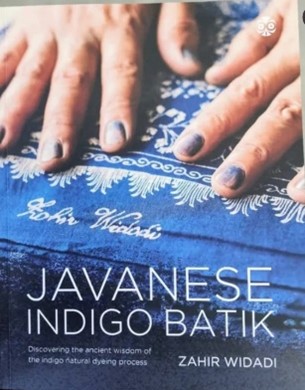
Author: Zahir Widadi. 2022. 54pg. (in English)
Publisher: Afterhour Books, Jakarta
Producing batik with chemical dyes is harmful to the environment. To promote sustainability in batik, Zahir aimed to preserve the ancient techniques and knowledge of indigo natural dyeing. Zahir Widadi began his research 15 years ago. Through his efforts, he has transformed batik from a craft into an art form, using indigo tinctoria as a natural dye.
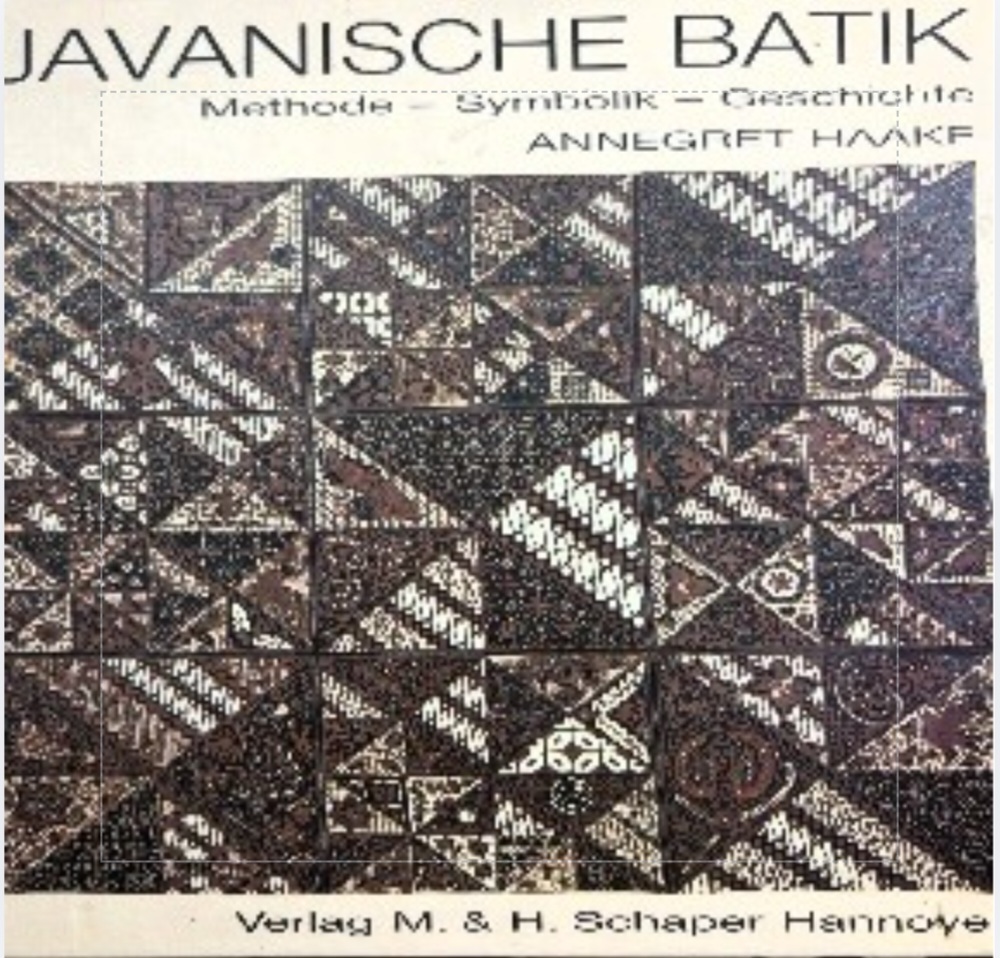
Author: Annegret Haake, 1984, 128pgs. (German). Hardcover
Publisher: M & H Schaper, Hannover, Germany
This volume represents one of the most comprehensive publications on Batik available to German-speaking audiences. The author, a dedicated connoisseur of the art form, has written extensively on the subject. In this work, she collaborates with Hani Winotosastro, a master batik artisan based in Yogyakarta, thereby bridging scholarly inquiry with traditional craftsmanship. Beyond documenting the batik-making process and the materials employed, Annegrete—trained as a chemist, physicist, and crystallographer—applies a scientific lens to the study of motif creation. Her analysis extends to the symmetry inherent in batik designs and the emergence of geometric configurations within patterned textiles. By examining the structural foundations of motif generation, she elucidates the principles of symmetry operations and crystallographic group theory as they manifest in batik ornamentation. Furthermore, she investigates the distribution and scatter patterns of motifs, quantifying their spatial organization and revealing the underlying mathematical frameworks that govern aesthetic expression in batik design. This interdisciplinary approach situates batik not merely as a cultural artifact but as a subject of scientific inquiry, where chemistry, physics, and crystallography converge to illuminate the processes by which art and structure coalesce.
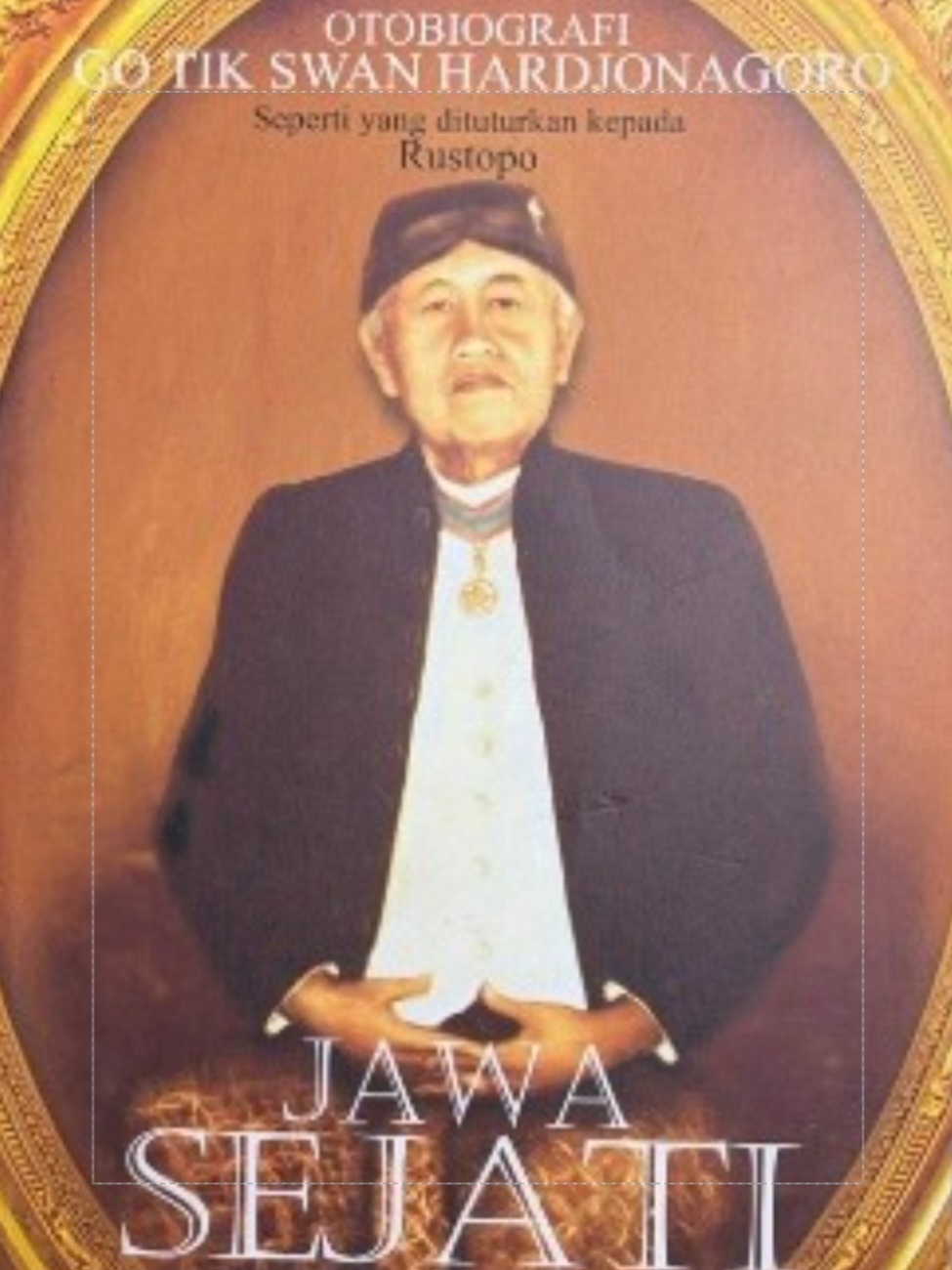
Author: Rustopo, 2008. 352pgs. (Indonesian). Softcover
Publisher: Ombak-Yogyakarta & Yayasan Nabil, Jakarta
This volume constitutes the autobiography of the batik maestro Go Tik Swan Hardjonagoro, narrated to Rustopo of the Institute of the Arts in Yogyakarta. The work represents a significant contribution to the corpus of Indonesian batik literature, offering profound insights into the unique historical and cultural processes that shaped the Javanese identity of Go Tik Swan (GTS). As a peranakan Chinese, GTS exemplifies the complex negotiation of ethnicity, culture, and religion in Indonesia, ultimately embodying what he himself describes as a deeply authentic Javaneseness — a state of being rooted not merely in external markers but in heart and soul. Importantly, GTS does not perceive ethnic difference as a barrier; rather, he interprets difference as a defining strength of individual personality. His life reflects a dynamic synthesis of Chinese heritage, Javanese tradition, Islamic faith, and Indonesian national consciousness. This amalgamation, enriched by personal experiences and communal living environments, produced an identity that is both authentically Javanese and profoundly plural. GTS never abandoned his Chinese heritage; instead, he integrated it harmoniously with his Javanese identity and religious devotion, thereby embodying the ideals of a good Muslim and a conscientious Indonesian citizen. His narrative thus illuminates the possibility of multiple, overlapping identities coexisting within a single individual, offering a compelling model of cultural hybridity and national belonging.
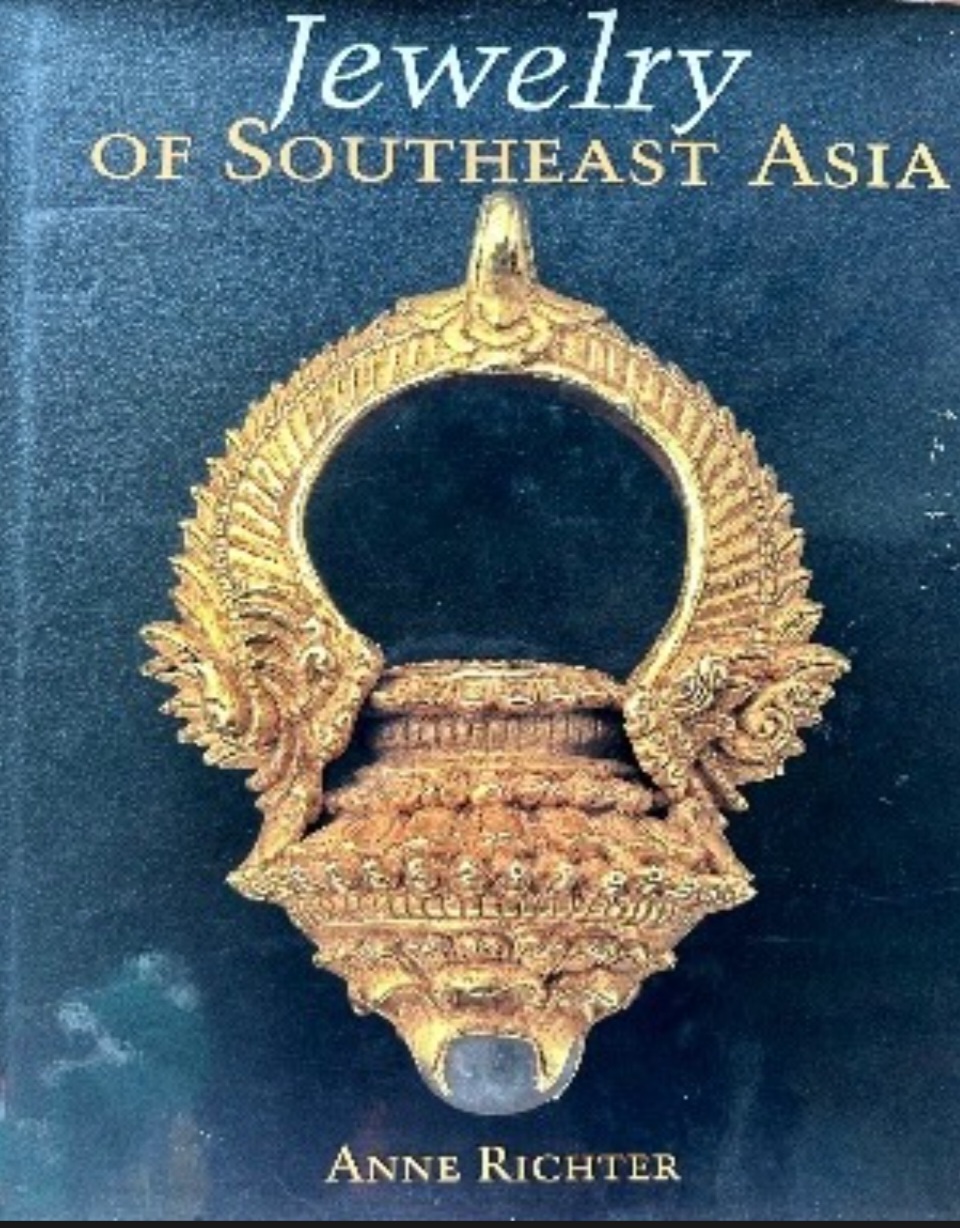
Author: Ann Richter, 2000, 304 pg. (English). Hardcover
Publisher: Harry N. Abrams, New York, USA
This informative volume is eagerly sought by collectors worldwide. Praised for its ethnographic interest, today it is recognized as a high art form. In a tour de force of original research and synthesis, involving years of study and extensive travel throughout the region, Ann Richter plots a sure path through a complex cultural landscape to produce the first comprehensive account of jewelry traditions that spans the millennia from the present day to the past.
Page 41 of 108