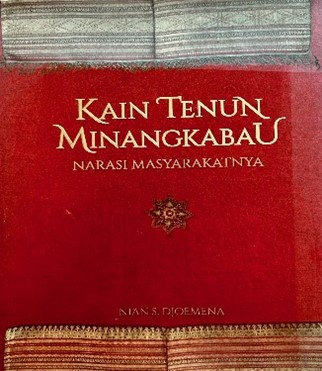
Author: Nian S. Djoemena. 2015. 195 pg. (Indonesian)
Publisher: Indonesia Kebanggaanku, Jakarta
The book explores the Minangkabau people and their exquisite songket weavings, narrated by Nian S. Djoemena, the first Indonesian female textile scientist to graduate from the Higher Textile School in Enschede, the Netherlands. Nian is the daughter of Rahman Tamin, a prominent textile tycoon associated with Ratatex, one of the largest textile factories in the early 1960s. In addition to her scientific achievements, Nian is also a writer and a collector of traditional Indonesian textiles.
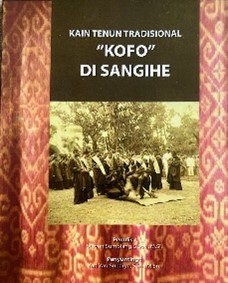
Author: Steven Sumolang, 2011. 100pg. (Indonesian)
Publisher: Indonesian Ministry of Tourism and Culture
Kofo refers to banana fibers, or abaka (Musa textilis), which are used to weave clothing on the island of Sangihe, located north of Sulawesi. This book is part of a program aimed at reviving indigenous textiles of Southeast Asia. It focuses on ceremonial textiles that are at risk of extinction. The book explores the history and functions of kain kofo, as well as the designs and their meanings, and discusses future prospects for these rare traditional textiles.
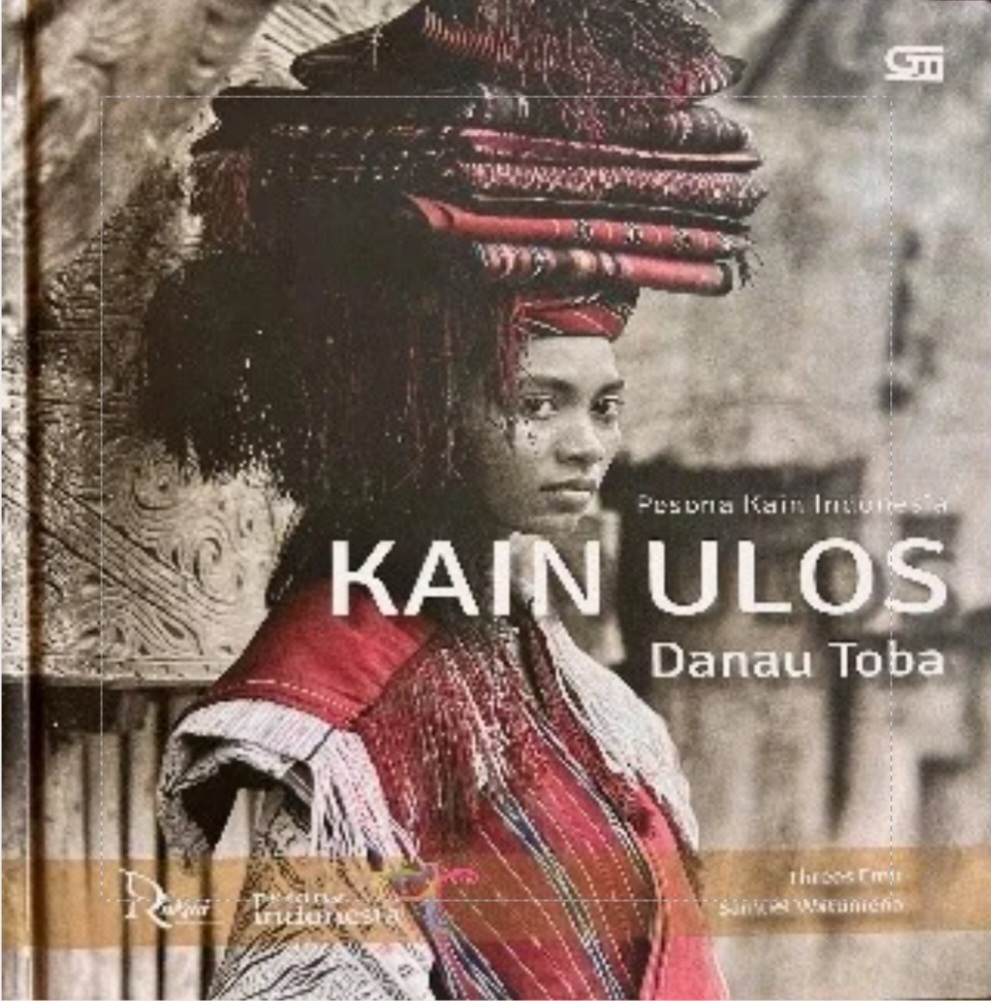
Author: Threes Emir & Samuel Wattimena, 2017. 116pgs. (Indonesian). Hardcover. Pesona Kain Indonesia Series
Publisher: Gramedia Pustaka Utama, Jakarta.
Ulos textiles are a traditional handicraft, with techniques passed down through generations. The writers.. This book provides a look at the Ulos weaving process, its creation and historical development. It emphasizes the effort to replicate traditional motifs while also introducing innovative designs that resonate with modern tastes. Additionally, the book addresses challenges faced by artisans, such as maintaining quality amidst changing market demands, and offers practical solutions to enhance this invaluable cultural art form.
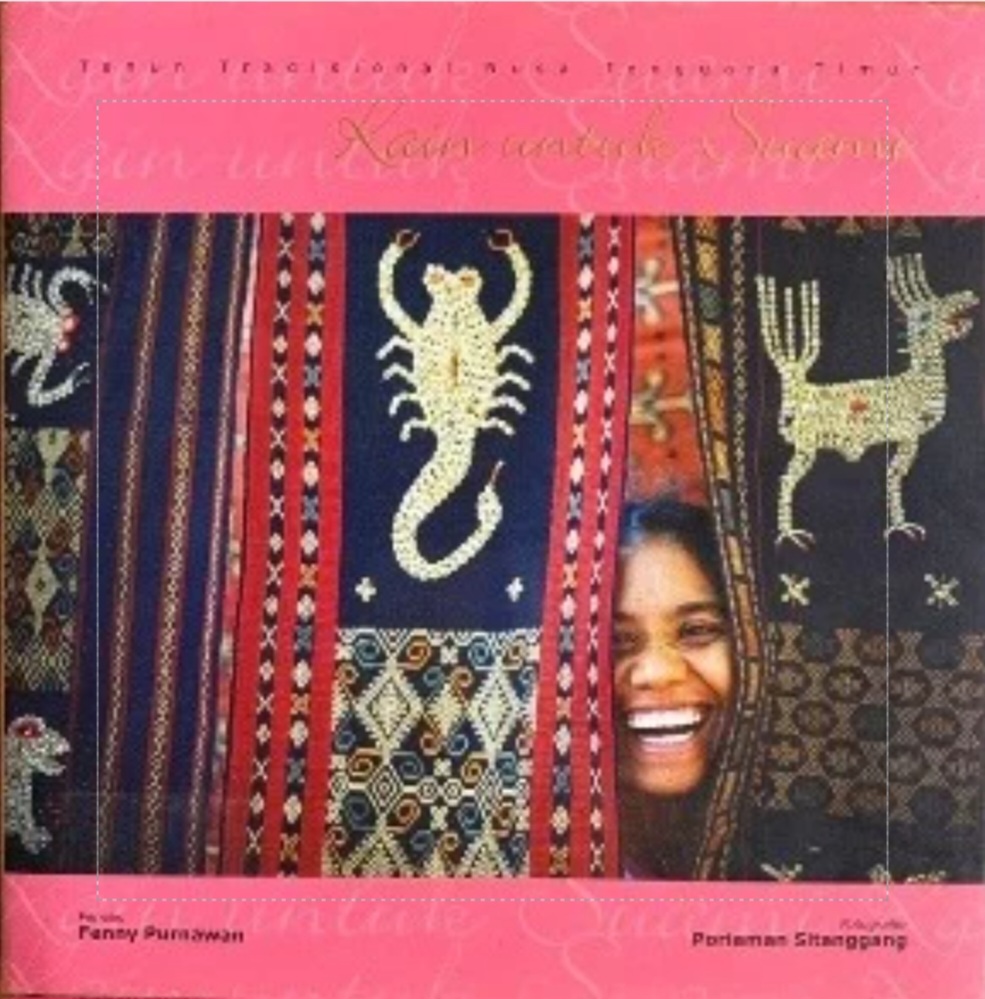
Author: Fenny Purnawan, 2004. 132pgs. ()Indonesian) Hardcover. Photographer: Poriaman Sitanggang
Publisher: PT. Indofood Sukses Makmur & PT Natayu
The volume unfolds as a luminous chronicle of exploration across the Eastern Indonesian archipelago, wherein the author journeys to weaving centers and meticulously records the narratives interwoven within the textiles themselves. More than a mere documentation of artisanal skill, the work resonates with the voices of textile devotees encountered along the way. Among these interlocutors is Jes Therick, a civil servant who, in 1989, produced a seminal study on the woven traditions of Flores. Therick discerns that Flores is undergoing profound social and cultural metamorphoses. Once organized under a kingdom whose authority was deeply enmeshed with the rhythms of communal life, the island’s social fabric has since fragmented into dusun, or hamlets. This reconfiguration signals the emergence of a new order—one defined not by hereditary rulers but by ordinary citizens who, through economic agency, are reshaping the contours of collective identity. The textiles, in this context, become eloquent witnesses to transition: they embody both continuity with ancestral heritage and the subtle inflections of modernity pressing upon village life. This democratization of textile motifs signals both continuity and rupture: the persistence of tradition, yet reshaped by shifting social dynamics. The author’s interviews extend further, engaging with weavers and cultural custodians deeply invested in preserving identity and heritage. Figures such as Jovita Meta in Timor exemplify the resilience of local weaving traditions, while William Ingram and Jane Howe, founders of Threads of Life, highlight the importance of sustaining indigenous textile practices through global awareness and ethical collaboration. Together, these voices underscore the enduring significance of weaving as both a cultural expression and a marker of social change in contemporary Indonesia.
Author: Riyanto, Wisnu Pamungkas, Muhamad Amin Jafar, 1997, 79 pgs. Photocopied Version
Publisher: Balai Besar Penelitian dan Pengembangan Industri Kerajinan dan Batik, Yogyakarta
This is an early version of a book about Batik published by the National Center for Research and Development of the Handicrafts and Batik Industries in Yogyakarta. It features the process of Batik making, the motifs, the dyes, the materials used, and a gallery of batik from various regions.
Page 44 of 108