Author: K.P.T. Hardjonagoro, 2001. 24pg. (Bahasa Indonesia)
Publisher: Unknown
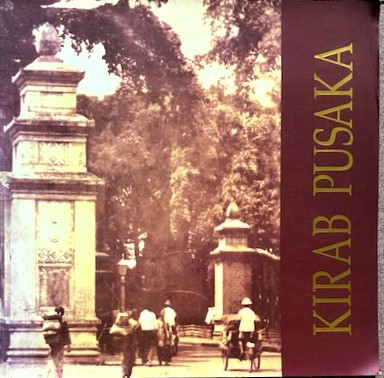
This book powerfully commemorates the annual midnight cleansing ritual of a Procession of Heirlooms, held at midnight on the 1st of Suro in the Javanese calendar. Authored by K.P.T. Harjonegroro Go Tik Swan, it boldly honors his close friend, the Susuhunan of Surakarta Hadiningrat. The publication features striking historical photos of Susuhunan Paku Buwono XII, details the royal family tree, and offers a compelling explanation of the Kudhi weapon, written by Soewito Santoso Wiryonagoro. The Kudhi is an essential part of the procession, symbolizing a strong request for divine blessings to protect the nation.
Author: Steven Sumolang, 2011, 100pgs. (Indonesian). Softcover
Publisher: Directorat Tradisi, Kementerian Kebudayaan dan Pariwisata
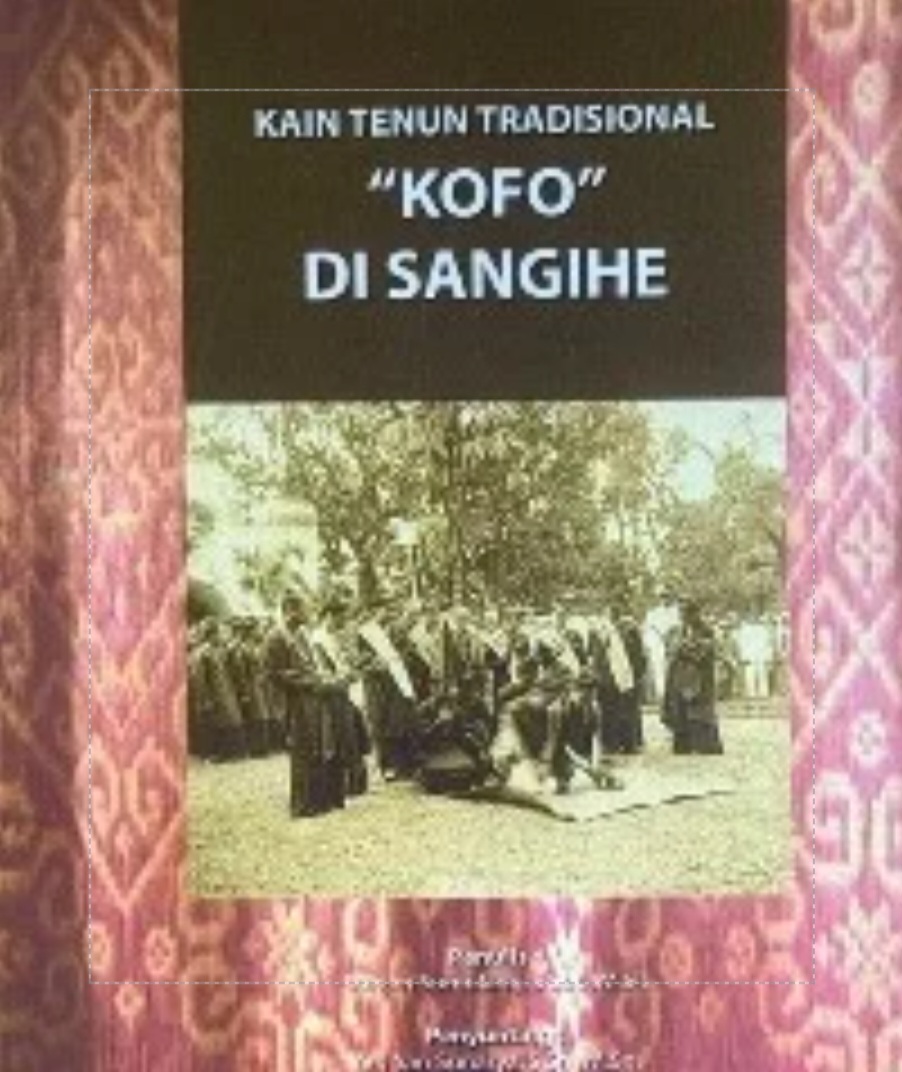
This book, published as a project of the IndonesianMinistry of Culture in 2011, documents the traditional textile known as kofo, which is produced from fibers extracted from the bast of the banana tree. Due to its geographical proximity to the Philippines—where similar materials are widely utilized—the islands of Sangir and Talaud remain the only regions in Indonesia historically associated with the production of kofo. The last recorded instances of its manufacture date back to the 1970s. The author undertook extensive research to trace the remnants of this textile tradition across the islands, successfully locating and interviewing three inhabitants who retain living memory of kofo. These informants recalled its remarkable strength and versatility, noting its use in domestic contexts such as curtains and room dividers, as well as in ritual attire and everyday clothing. Sumolang further catalogues the diverse motifs employed to embellish this durable material, underscoring its aesthetic as well as functional significance within local households. In the early 2000s, initiatives were launched to revive kofo production. However, the outcomes of these efforts remain uncertain, and it is unclear whether the revival achieved sustained success. The narrative thus highlights both the cultural importance of kofo and the fragility of traditional practices in the face of modernization and shifting socio-economic conditions. This version corrects grammar and flow, elevates vocabulary (e.g., “remnants,” “catalogues,” “underscoring,” “initiatives”), and adds an academic tone by situating kofo within broader cultural and historical contexts.
Author: Munir Djody, no year, 57pg. (Labels in Indonesian & English). Softcover. Catalog
Publisher: Unknown
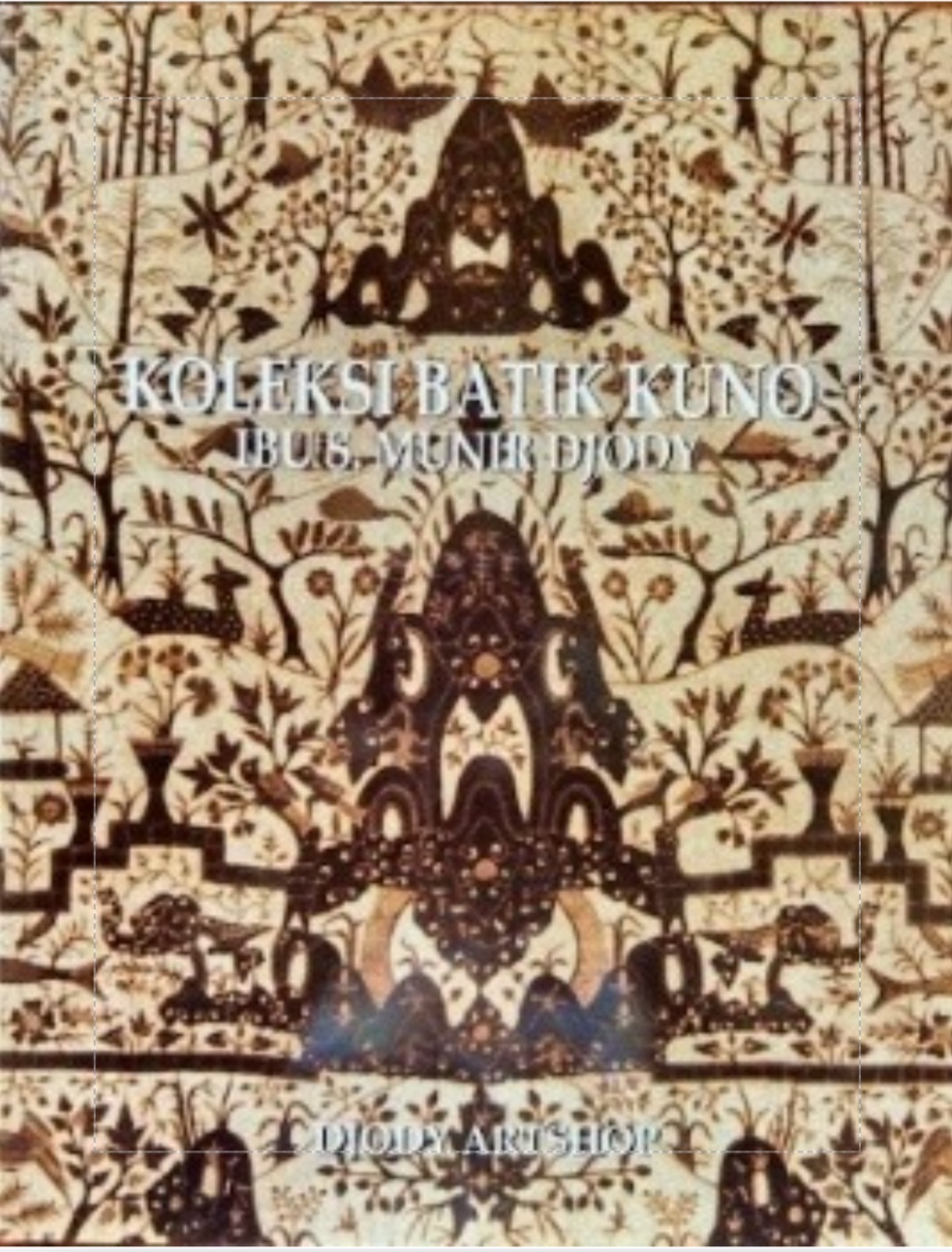
The catalog was issued in the 1990s to accompany an exhibition hosted at Jody’s Art Shop, a once-prominent cultural establishment located in Central Jakarta. During its years of operation, the shop functioned as a significant site of artistic exchange, fostering dialogue between local creators and the broader public. Although it played a noteworthy role in Jakarta’s evolving art scene of the late twentieth century, the shop has since ceased operations and remains permanently closed.
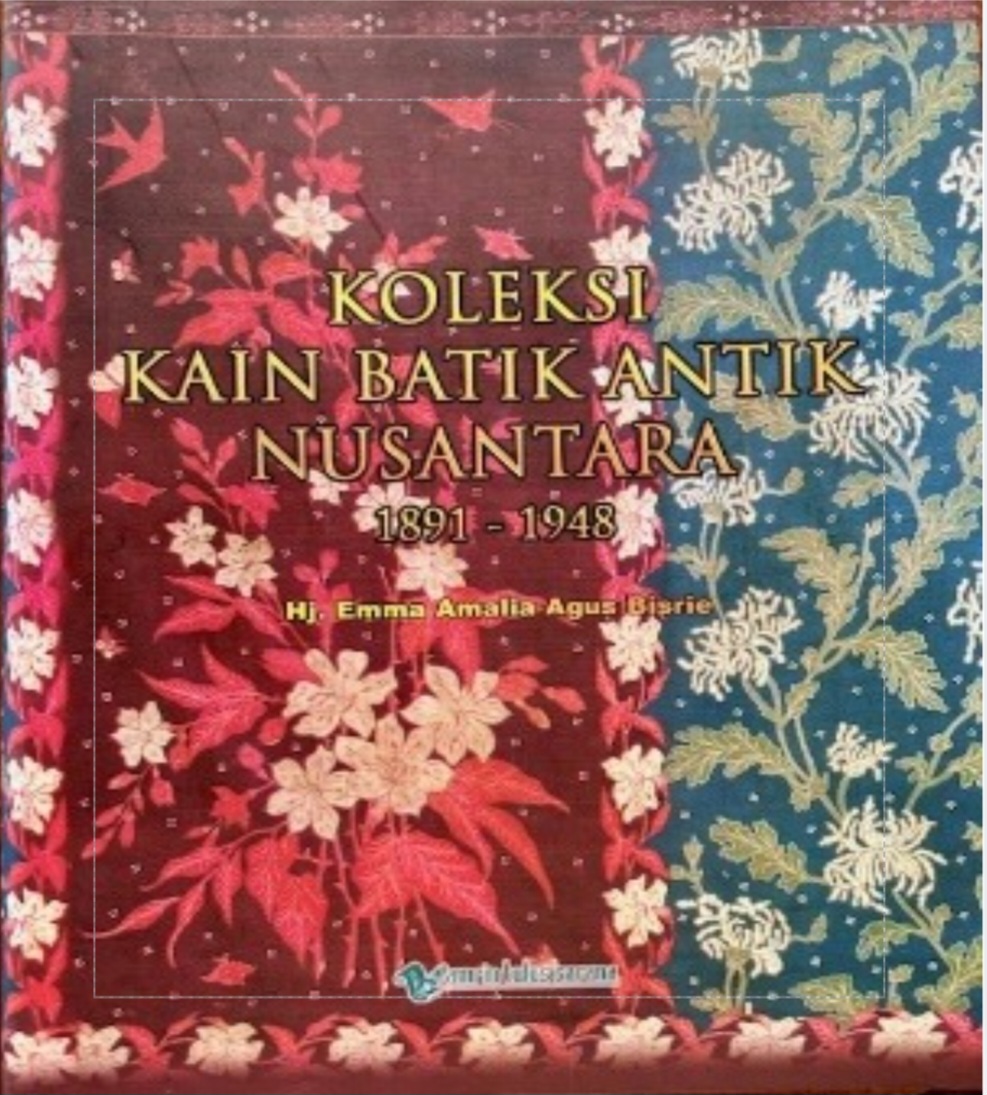
Author: Hj. Emma Amalia Agus Bisrie, 2010, 328pg. (Indonesian & English). Hardcover. Catalog
Publisher: Amrin Tulus Sarana, Jakarta
The volume was published in conjunction with the exhibition Nusantara Antique Batiks, 1891–1948, held at the Jakarta Convention Center in 2008. Its author and compiler, Emma Bisrie, is both a dedicated collector and an accomplished writer with a profound passion for traditional textiles. She has emerged as a central figure in the preservation and promotion of Betawi batiks, as well as in the cultural organization of the Betawi ethnic community in Jakarta. Through this work, Bisrie conveys her enthusiasm to readers, presenting her antique collection in a carefully curated book form that underscores the historical and artistic significance of these textiles.
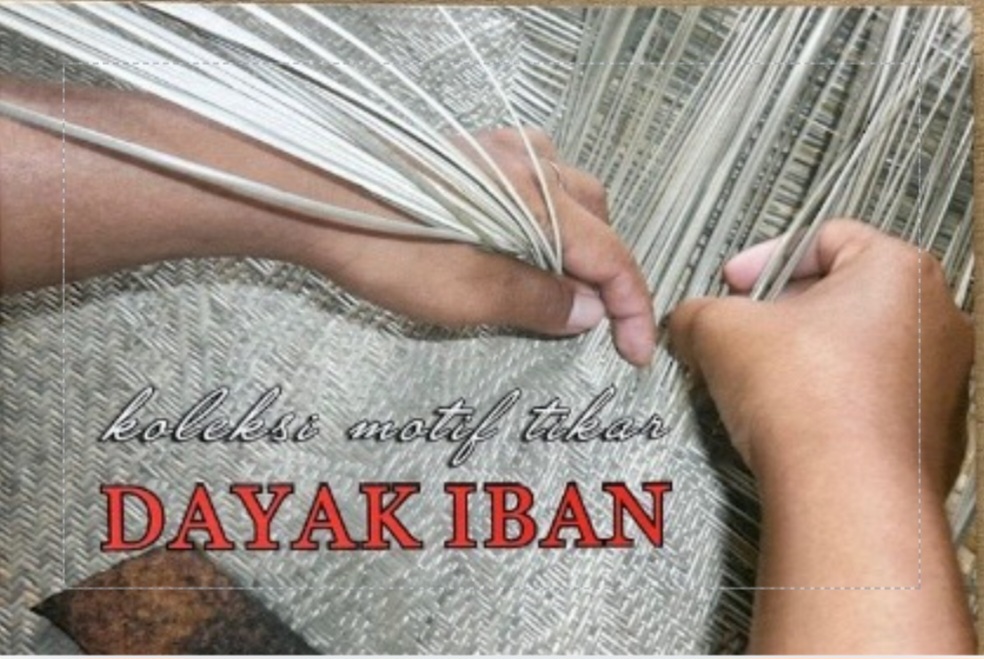
Author: Seselia Ernawati, 2012, 99pg. (Indonesian & English). Hardcover,
Publisher: Riak Bumi, Pontianak, West Kalimantan.
This book is initiated by Riak Bumi, an NGO that specializes in the preservation of West Kalimantan’s ecosystem and cultural heritage. The book documents a collection of Iban Dayak mat motifs, showing detailed motifs of the mats, in so doing, preserving this beautiful art form for the next generation, so that this aspect of their culture does not disappear.
Page 46 of 108