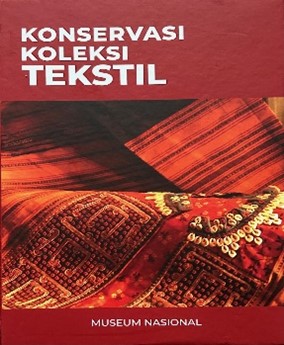
Author: Tim Penyusun Konservasi Museum Nasional, 2020. 282pg. (Indonesian)
Publisher: Musium Nasional
A conservation guide is an absolute necessity for every museum that showcases ancient artifacts. This publication is the foremost and most comprehensive resource on textile conservation produced by the National Museum of Indonesia. It is an invaluable tool for textile enthusiasts and collectors who are serious about preserving these treasures.
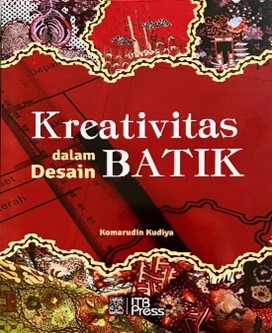
Author: Komarudin Kudiya, 2019. 24 pg. (Indonesian)
Publisher: ITB Press, Bandung
The author outlines the creative process of making batik, detailing various techniques involved. These techniques include using cap (stamps) and canting (wax pen), knowledge about the wax and dyeing processes, arranging motifs and patterns, and understanding the final step of removing the wax.
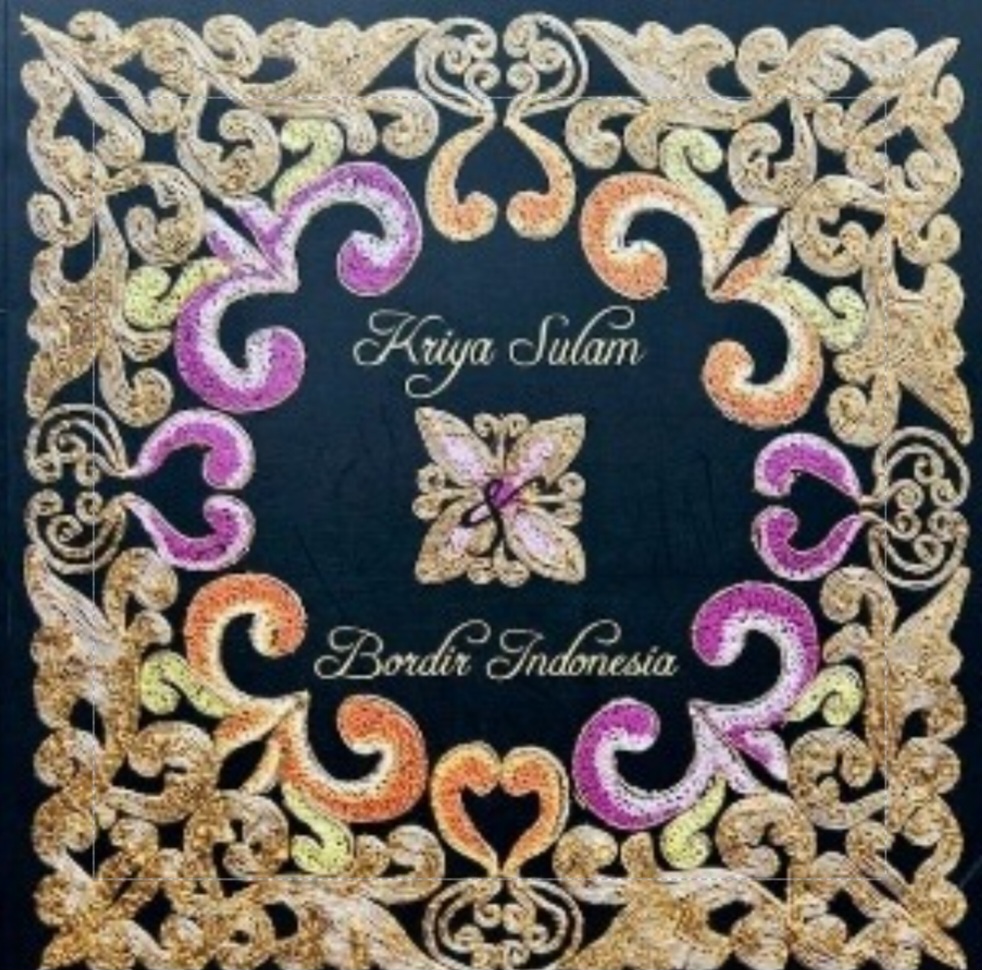
Author: Dhorifi Zumar. 2009, 120pg. (Indonesian). Softcover.
Publisher: The National Craft Council (DEKRANAS), & the Department of Industries of the Republic of Indonesia
A book on embroidery craft in Indonesia is rare, and we are proud that the Indonesian Handicraft Council decided to publish a book on a subject rarely explored. The books begins with the history of embroidery craft in Indonesia, its origins and the place in Indonesia where embroidery developed, followed by the embroidery centers in Indonesia, the tools and the technique of embroidery, and the economic potential of embroidery.
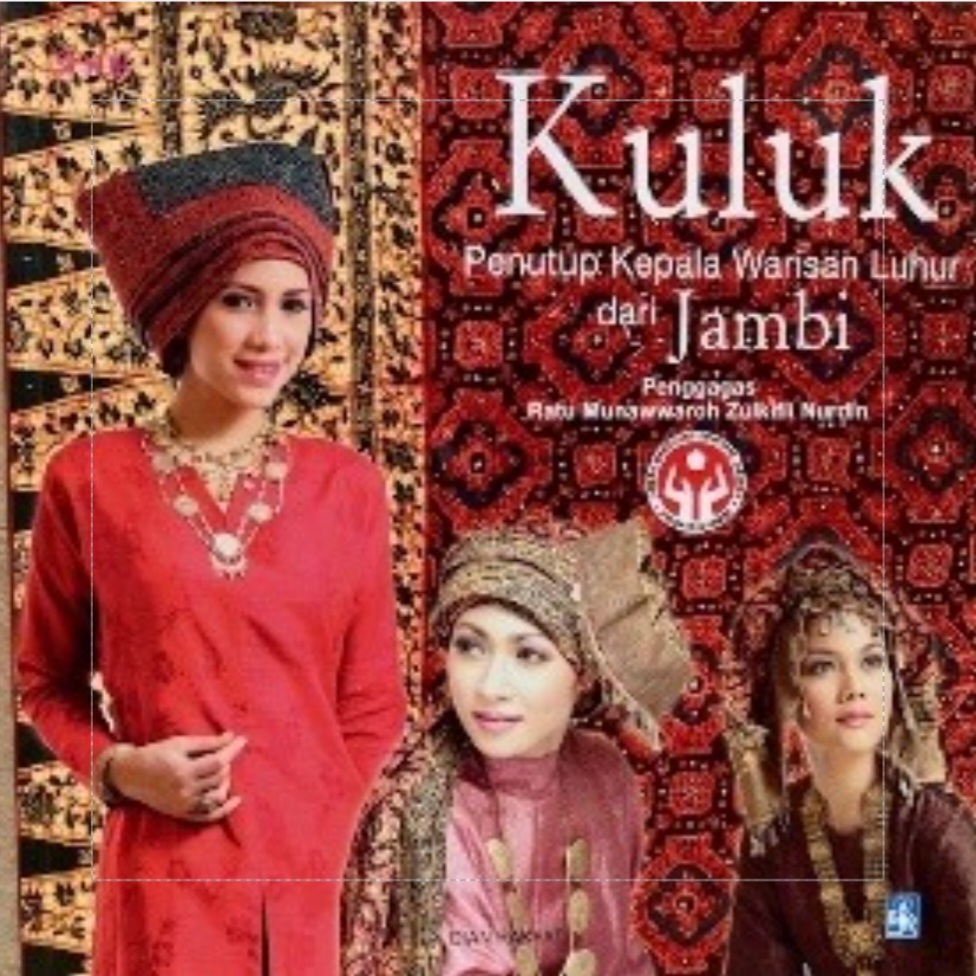
Author: Sativa Sutan Aswar, 2010, 96pg. (Indonesian). Softcover
Publisher: Dian Rakyat, Jakarta
The author composed this volume on the headdresses of Jambi, South Sumatra, as a response to the religious imperative within Islam regarding the use of head coverings. Consequently, in Jambi, many of the region’s traditional head coverings are fashioned from indigenous textiles—most notably the selendang or shoulder cloth—whose narrow width lends itself to such adaptation. Moreover, Sativa catalogues and explicates more than eighty distinct forms of Jambi headdresses, produced through weaving or batik techniques, and in certain instances adorned with jewelry. The text further demonstrates the intricate methods by which these headdresses are folded and worn, thereby preserving and disseminating local sartorial knowledge.
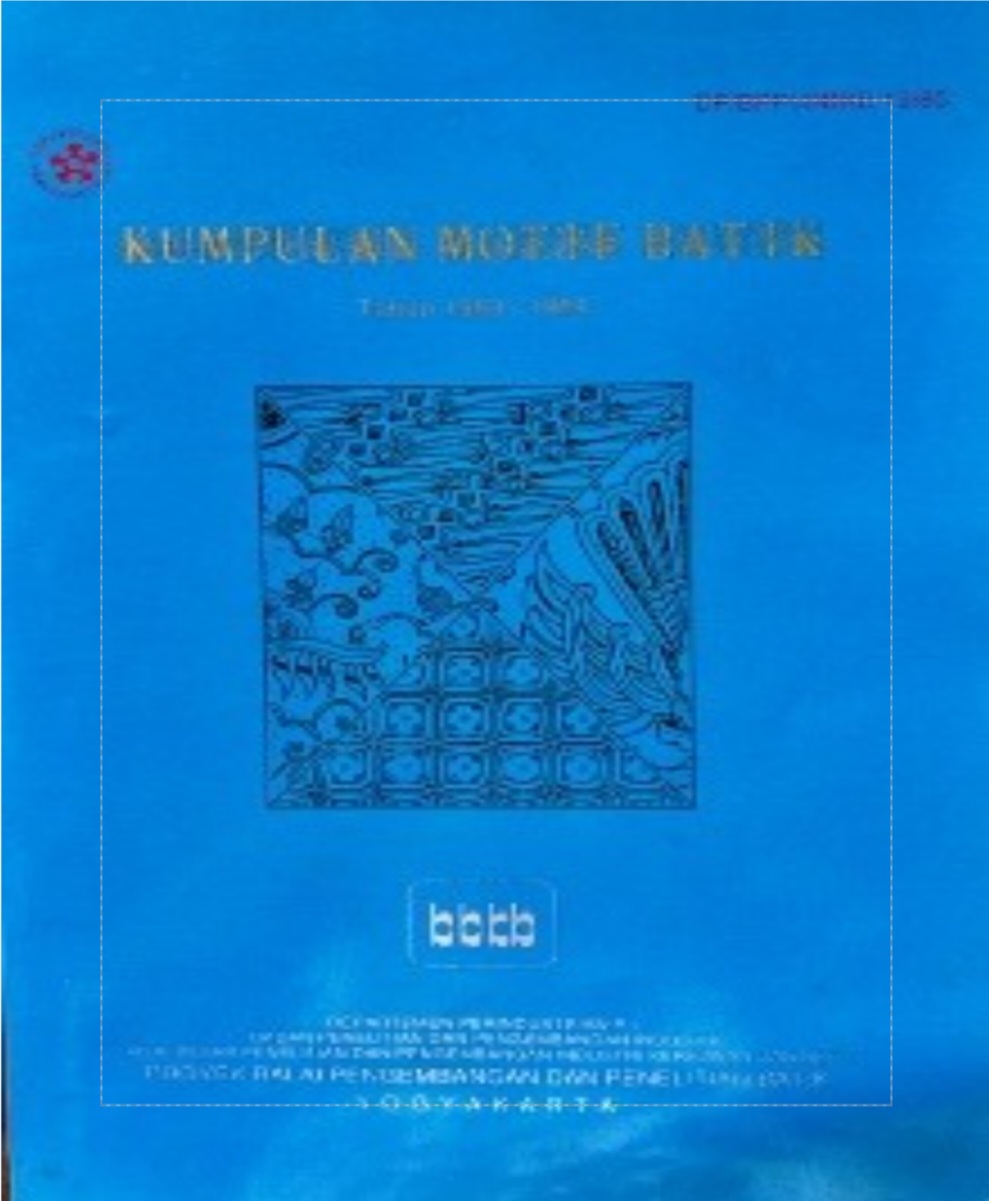
Author: Unknown - Balai Pengembangan dan Penelitian Batik, Yogyakarta, 1985, 169pg. (Indonesian). Photocopied Version
Publisher: BPPB (Badan Penelitian dan Pengembangan Industri Kerajinan dan Batik), Yogyakarta
According to the Center for Research and Development of Handicrafts and Batik in Yogyakarta, batik artistry is systematically classified into eleven principal categories of motifs. These include: Banji, Ceplok, Ganggong, Kawung, Lereng, Nitik, Lung-lungan, Anyaman, Semen, Free batik motifs, and Dynamic batik motifs. Each category embodies distinctive aesthetic principles, symbolic meanings, and cultural narratives that have evolved across centuries of Javanese textile tradition. The comprehensive volume produced by the Center presents over 170 representative batik samples, meticulously curated from these eleven categories. Each sample is accompanied by its traditional designation, thereby offering not only a visual archive but also a scholarly reference that illuminates the diversity and complexity of batik design. This catalog serves as a vital resource for researchers, artisans, and cultural historians, underscoring the enduring significance of batik as both a material craft and an intangible cultural heritage.
Page 47 of 108