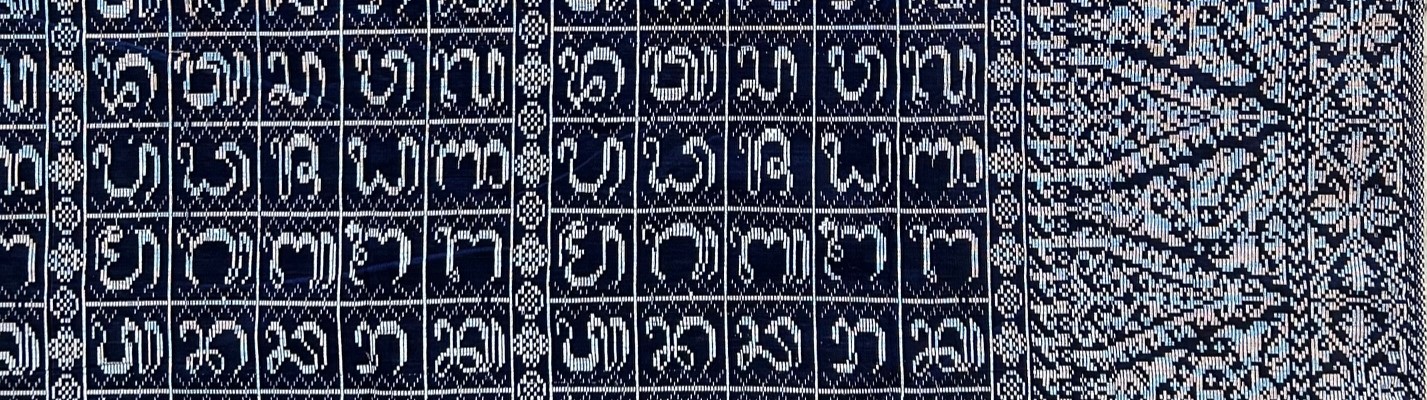
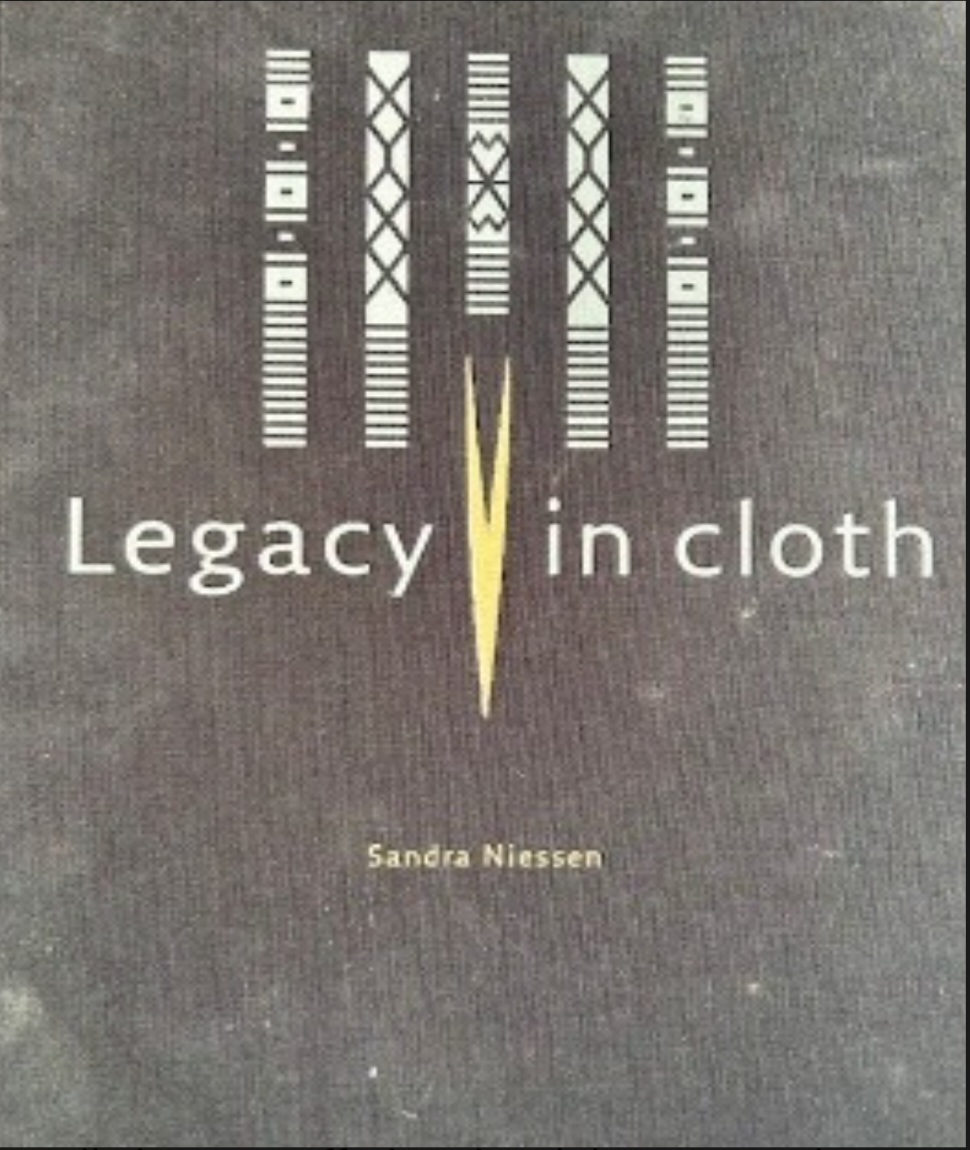
Author: Sandra A. Niessen, 2009. 567pgs. (English). Hardcover. With book sleeve.
Publisher: KITLV Press, Leiden Brill Academic Publisher
This remarkable volume constitutes the most comprehensive scholarly analysis of Batak textiles published to date. Structured into four distinct sections, the work begins with an incisive introduction to design, followed by an exploration of stylistic regions, including textiles originating from Samosir, Simalungun, Karo, Si Tolu Huta, Holbung/Uluan, and Silindung. The third section presents an extensive catalogue of textile images, offering visual documentation that complements the analytical discourse. The final section provides a meticulous examination of techniques, encompassing the types of threads employed, methods of dyeing and coloration, processes of warping and warp ikat, the loom apparatus, as well as the intricacies of decorative warp and weft and the finishing procedures.
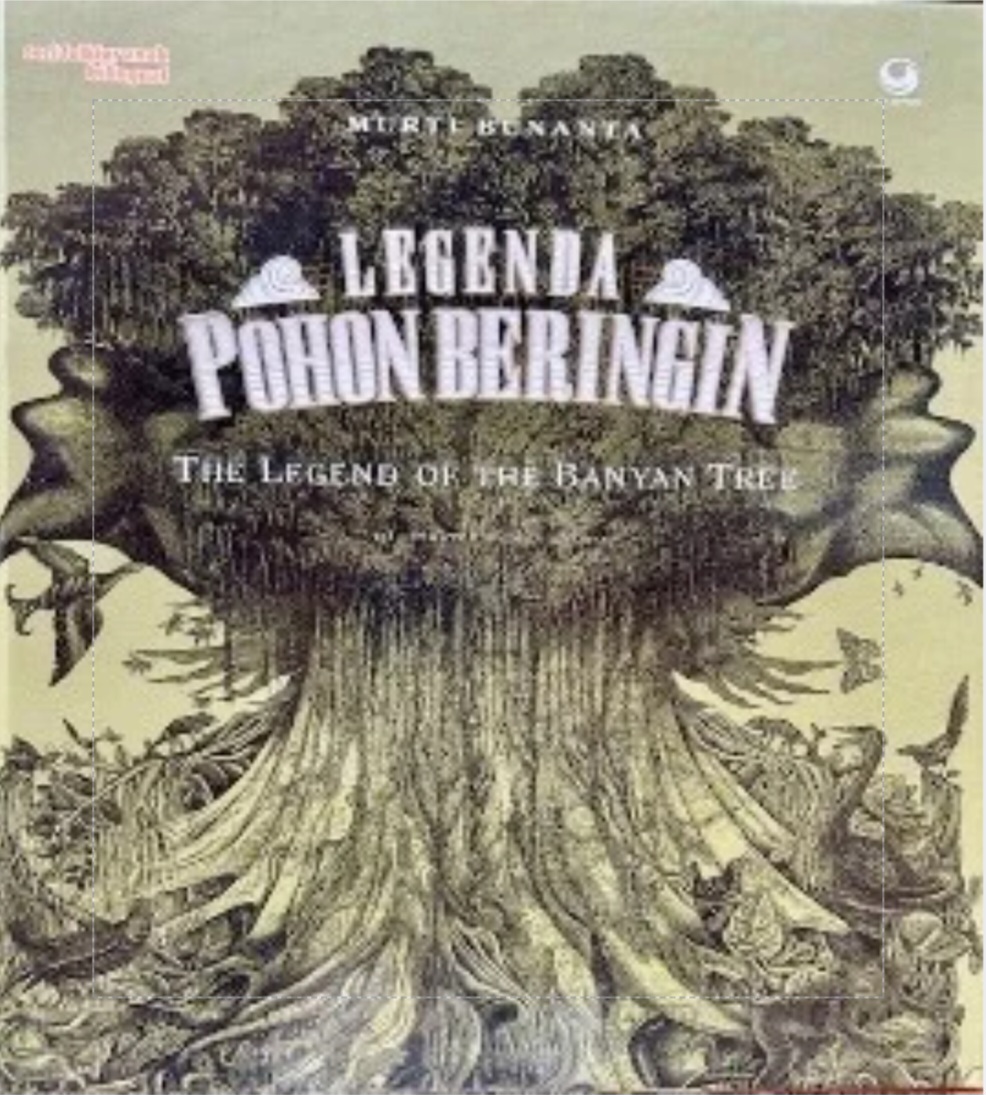
Author: Murti Bunanta, 2012, 40pg. (Indonesian & English)
Publisher: Kompas Gramedia, Jakarta
The banyan tree occupies a profound place in Javanese cultural imagination, symbolizing resilience, continuity, and spiritual protection. This evocative legend, beautifully retold by Murti Bunanta — a distinguished Indonesian author and scholar specializing in children’s literature — illustrates the tree’s enduring role as both a natural landmark and a vessel of cultural meaning. Bunanta’s retelling situates the banyan not merely as a botanical entity, but as a living metaphor for community and tradition. In Javanese cosmology, the tree’s expansive roots and sheltering canopy embody interconnectedness, offering refuge and wisdom across generations. By adapting this legend for younger audiences, Bunanta bridges folklore and pedagogy, ensuring that the moral and symbolic dimensions of the banyan tree remain accessible, relevant, and inspiring in contemporary Indonesia. Her work underscores the importance of storytelling as a cultural transmission device: legends such as this one do not simply entertain, but also cultivate identity, ethical reflection, and reverence for nature. The banyan tree thus becomes more than a subject of myth; it is a pedagogical tool, a cultural anchor, and a reminder of the symbiotic relationship between human communities and the natural world.
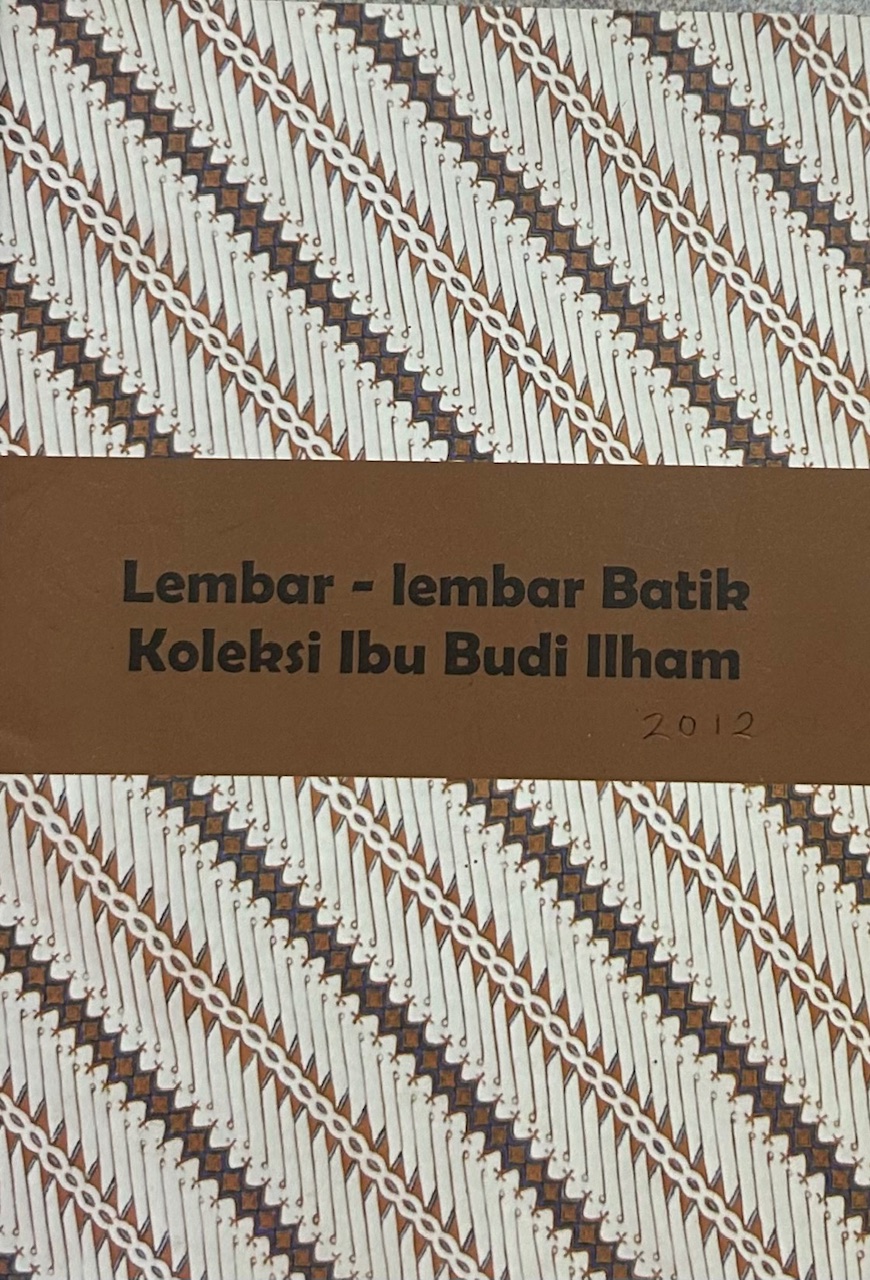
Author: Sri Sintasari (Neneng) Iskandar), 2012. 27pg. (Indonesian)
Publisher: Uni Pinta Jakarta
This catalog proudly showcases the exquisite collection of batiks from Ibu Budi Ilham, a remarkable individual known for her passionate commitment to wearing traditional batik costumes. Her collection features exceptional works by esteemed batik artisans, including Tris Hadi, Go Tik Swan Hardjonagoro, Maria Noor, Phoa Tjian Nio, Hoo Tjong Leng, and MD Hadi. This booklet stands as a testament to her enduring love for batik.
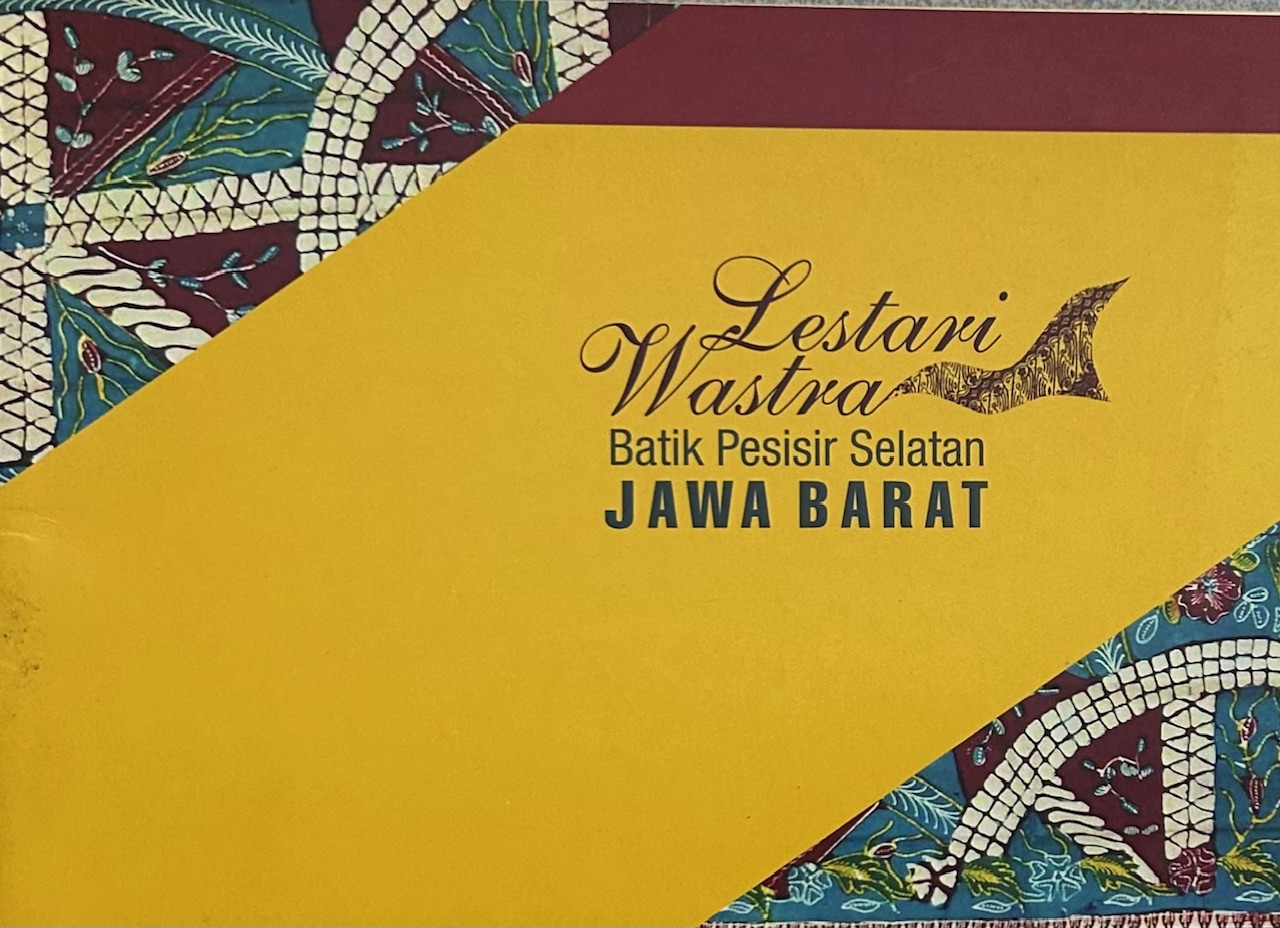
Author: S. Ken Atik Djatmiko, 2014. 24pg. (Indonesian)
Publisher: Musium Tekstil Jakarta & Yayasan Batik Jawa Barat, Jakarta
The catalog describes the textiles from the south coast of West Java, including Ciamis, Tasikmalaya, Cianjur, and Garut.
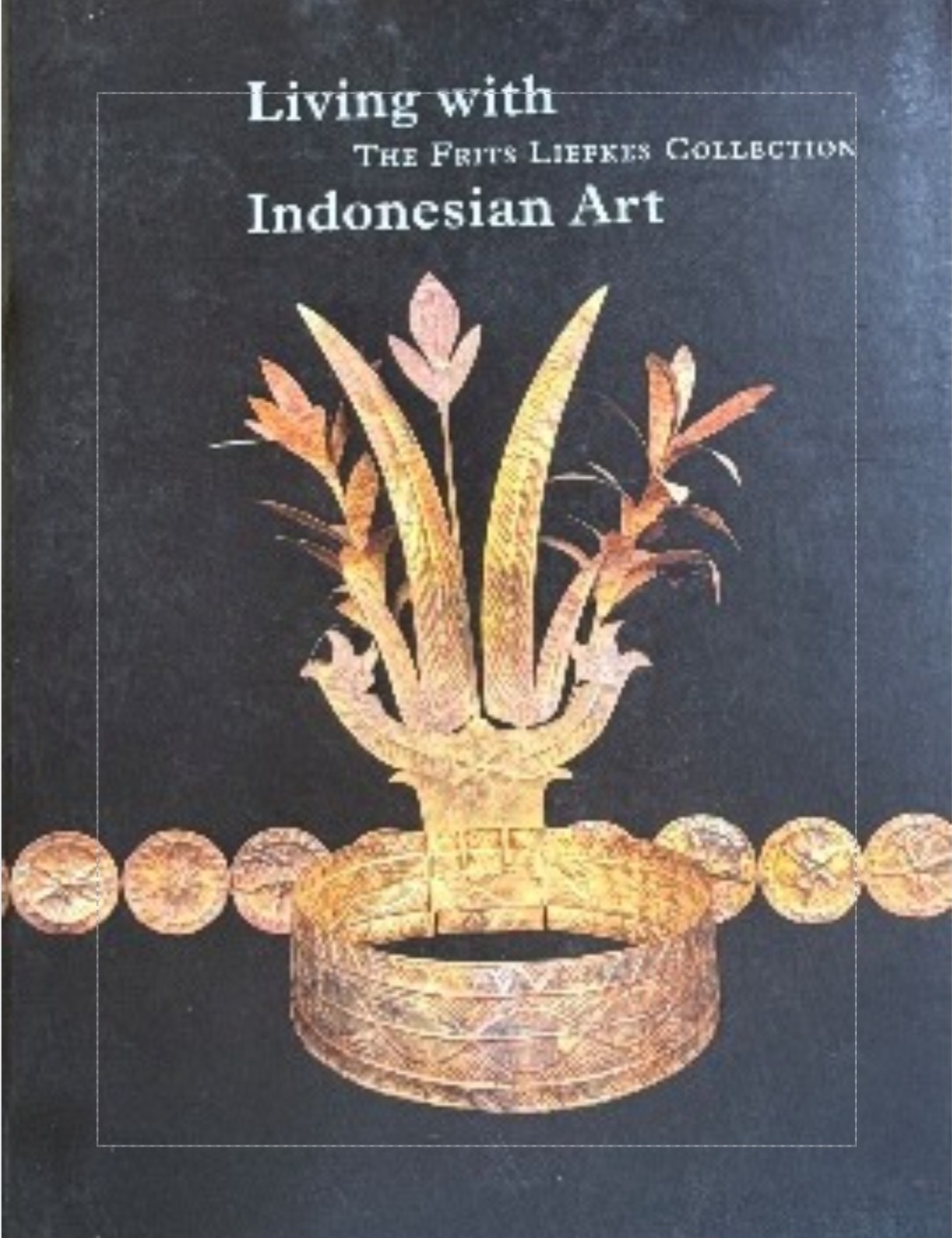
Author: Francine Brinkgreve & David J. Stuart-Fox(Eds.). 2013. 336pgs. (English). Softcover. Contributions by various experts. Collection Series.
Publisher: Rijksmuseum Volkenkunde/National Museum of Ethnology
This volume constitutes a substantial 336-page exploration of Indonesian craftsmanship, meticulously cataloguing the personal collection of the late Dutch connoisseur Frits Liefkes. Within its pages, readers encounter an arresting assemblage of golden jewelry and intricately woven textiles from across the Indonesian archipelago, each piece bearing testimony to the region’s artistic virtuosity and cultural richness. The publication, however, is not conceived as a comprehensive or chronological survey of Indonesian art history. Rather, it reflects the highly personal predilections of a single collector. The emphasis falls predominantly upon textiles and jewelry, while other major artistic traditions—such as sculpture, woodcarving, or ritual objects—remain largely outside its purview. In this sense, the volume offers insight less into the totality of Indonesian material culture than into the selective gaze of a European collector navigating the art world of the late twentieth century. Beyond its aesthetic merits, the book provides a fascinating window into the Dutch collecting milieu over a forty-year period. It traces the provenance of these objects from local auctions in Indonesia, through their installation in Liefkes’ domestic interior in The Hague, and ultimately to their institutional preservation at the Rijksmuseum Volkenkunde in Leiden. Thus, the volume not only illuminates the artistry of Indonesian makers but also charts the transnational trajectories of cultural artifacts, revealing the interplay between local production, private collecting, and museum curation.
Page 49 of 108