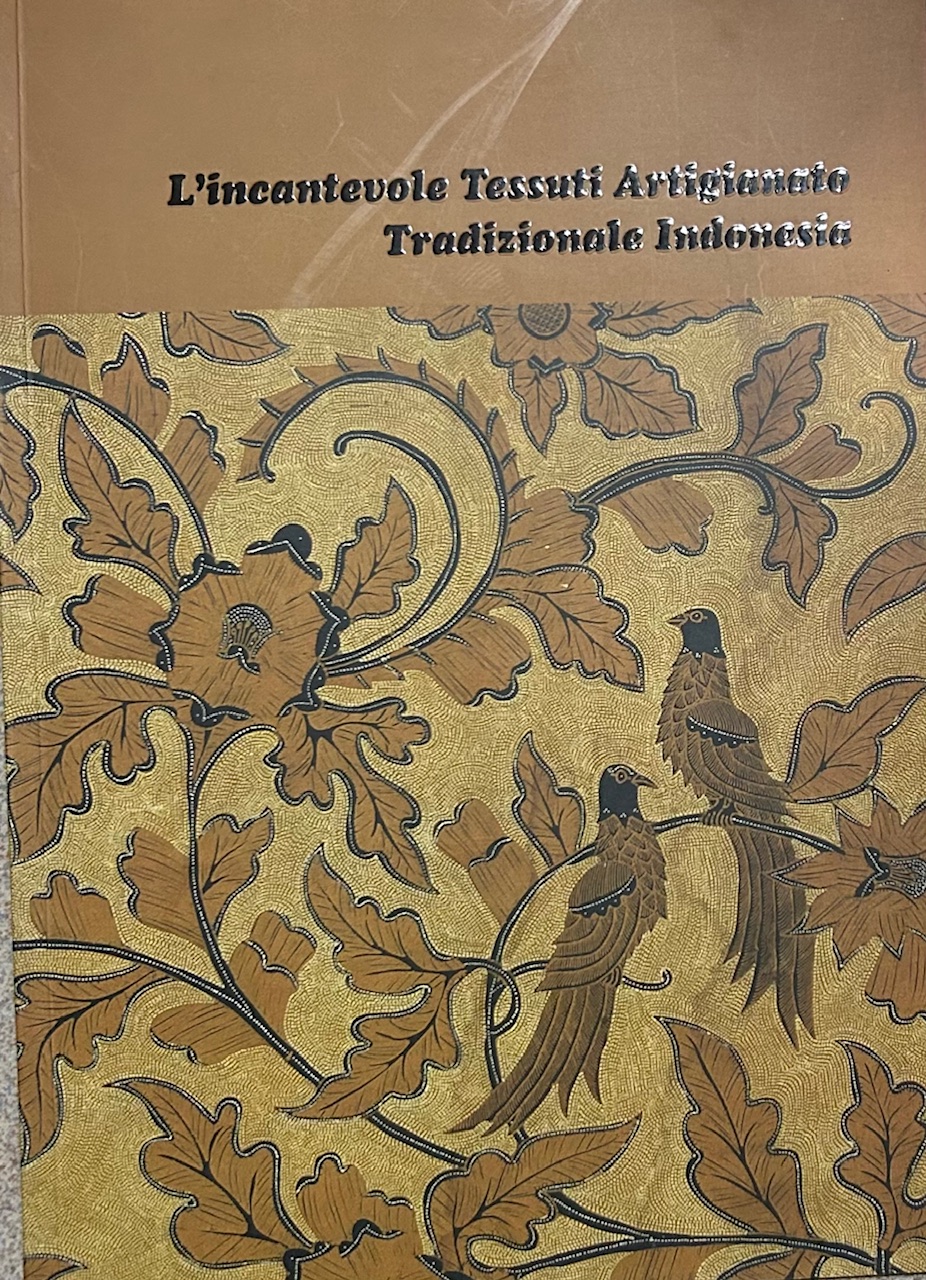
Author: Neneng Iskandar et al, 2014. 79pg. (Italian and English)
Publisher: Himpunan Wastraprema, Jakarta Textile Museum & Fondo Ambiente Italiano
The catalog definitively showcases the textiles on display at a Museum near Milan, featuring batik, Ikat, and songket from the esteemed collection of the Jakarta Textile Museum alongside select pieces from private collections.
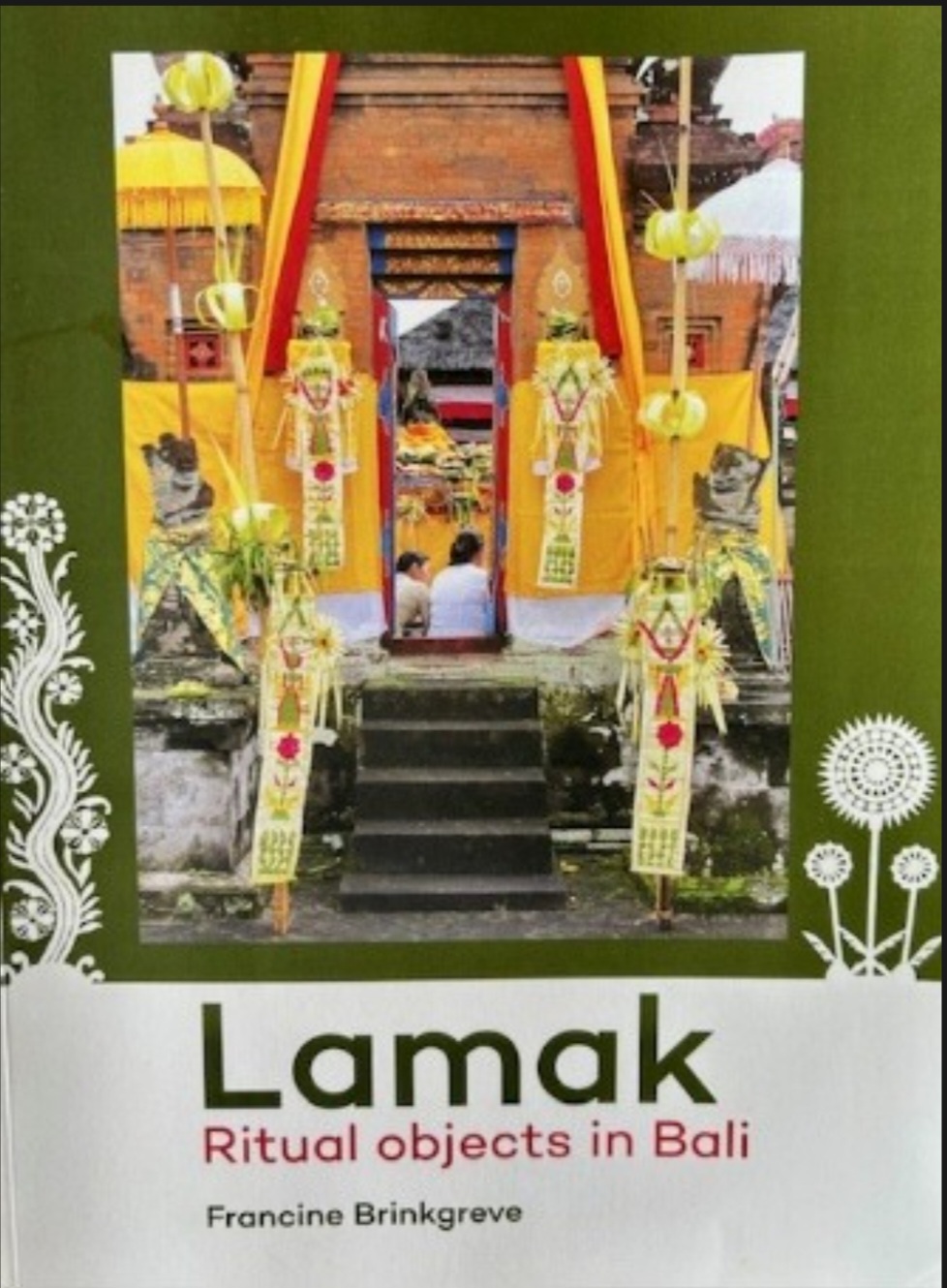
Author: Francine Brinkgreve, 2016. 272pg. (English). Softcover
Publisher: Sidestone Press, Leiden, Netherlands
A Lamak is a long, narrow ritual hanging that constitutes an indispensable element in nearly all ceremonial practices in Bali. Commonly suspended from altars and shrines during temple festivals and festive occasions, it is traditionally crafted from palm leaves and thus inherently ephemeral, necessitating continual remaking. Its decorative motifs, which symbolize sources of life, are conceived in accordance with Balinese cosmological principles, particularly the vertical structuring of the universe. Through offerings and the ritual function of the Lamak, worshippers express gratitude to their deities while simultaneously petitioning for prosperity and protection. Although Bali’s internationally celebrated arts and crafts have been the subject of extensive scholarly inquiry, this volume represents the first comprehensive study devoted specifically to the Lamak—a distinctive and culturally significant form of material expression. Central to the investigation is the question: Why do the Balinese persist in producing the Lamak repeatedly, generation after generation? The author explores its ritual applications, symbolic ornamentation, materials and techniques of construction, as well as the dynamics of transformation and commercialization that have shaped its contemporary practice.
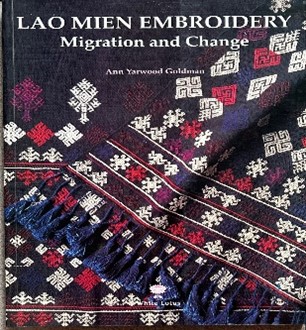
Author: Ann Yarwood Goldman, 1995. 72 pg. (English)
Publisher: White Lotus, Bangkok
This volume provides a comprehensive study of the Lao Mien, a distinct subgroup of the Yao people who historically lived in isolation in Northwest Laos. The Vietnam War disrupted their way of life, forcing many into refugee camps in Laos and Thailand. In the 1980s, a significant number of Lao Mien successfully resettled in the United States, Canada, and France. Embroidery is not just a skill; it is a crucial aspect of Mien women's identity, prominently featured on all their clothing. As their circumstances evolved, so did their embroidery, incorporating new designs and vibrant colors with the advent of commercial thread. Today, Mien women in the U.S. are actively engaged in education and the workforce, showcasing their resilience and adaptability.
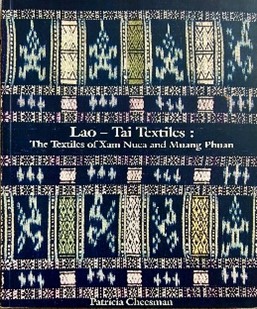
Author: Patricia Cheesman, 2009 Second edition, 304pg. (English)
Publisher: Studio Naenna C. Ltd, Chiang Mai, Thailand
Patricia Cheesman has a deep commitment to the textile arts of Laos and Thailand, creating valuable resources for newcomers and art historians alike. Her work emphasizes clarity and cultural understanding of the region's traditional textiles in an engaging manner.
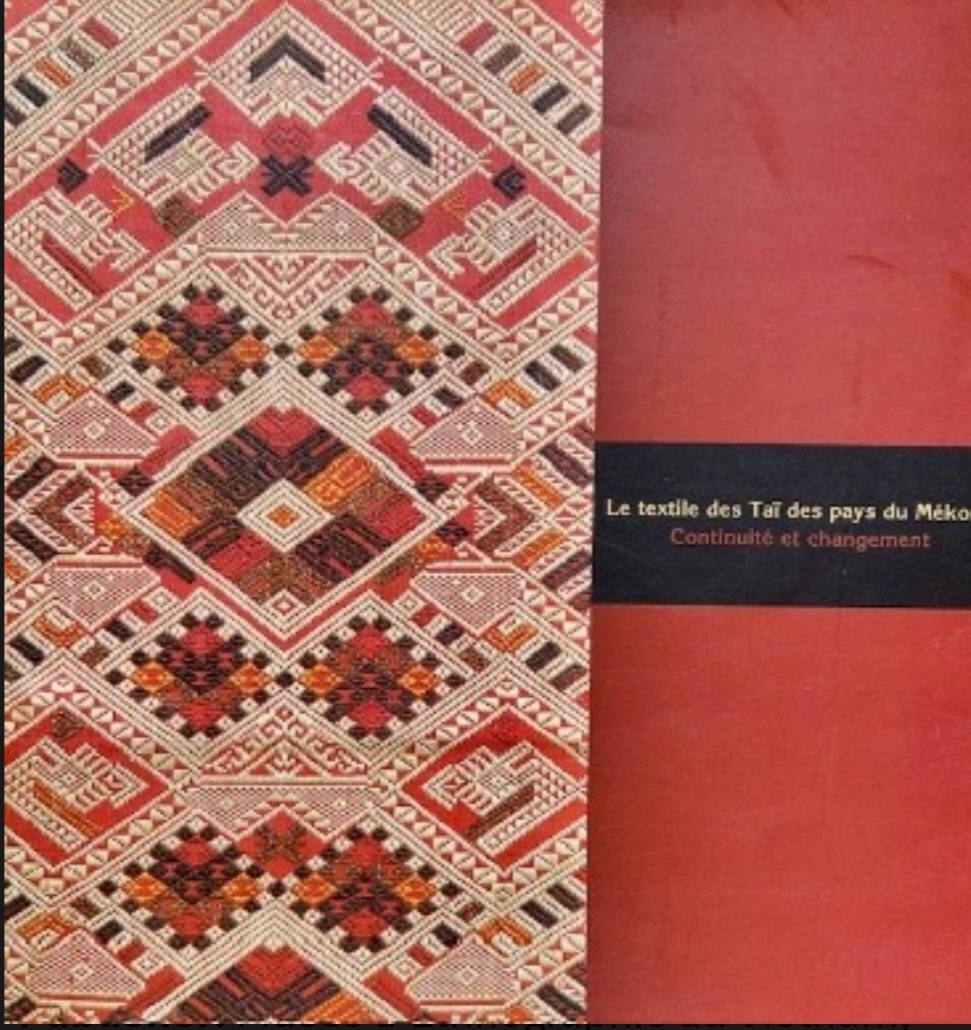
Author: Unknown, 2004, 29pg. (French) Softcover
Publisher: Musée d’Ethnographie du Vietnam, Hanoi, Vietnam
This booklet serves as a comprehensive catalog, produced in direct association with the exhibition bearing the identical title. It functions not merely as a record of the works presented, but also as a scholarly companion that contextualizes the exhibition within broader artistic, cultural, and historical frameworks. By documenting the curatorial vision and the selected pieces, the catalog extends the life of the exhibition beyond its temporal boundaries, offering readers an enduring resource for research, reflection, and critical engagement.
Page 48 of 108