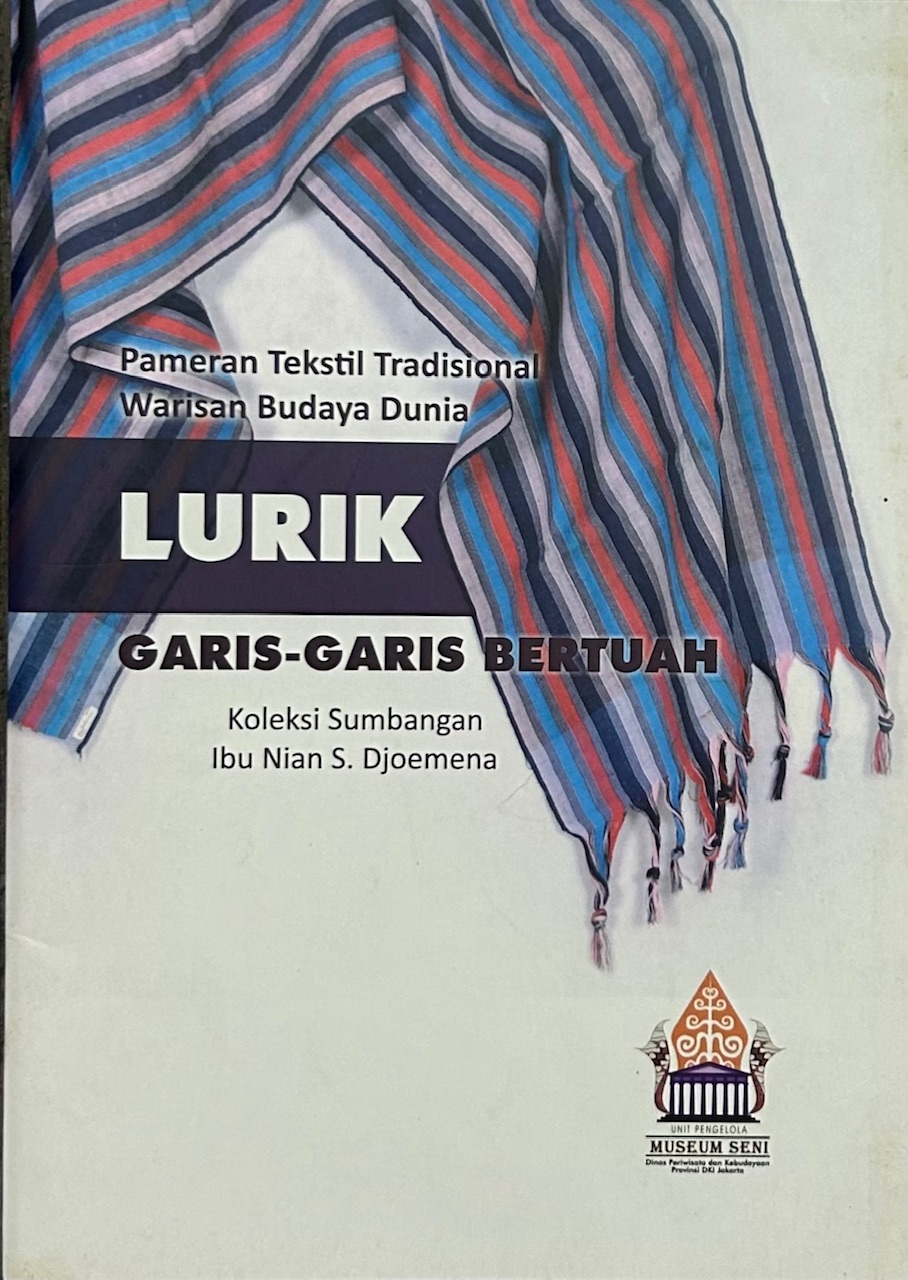
Author: Judi Achjadi & Benny Gratha, 2016. 44pg. (English & Indonesian)
Publisher: Musium Tekstil Jakarta
The Catalog showcases a remarkable collection of Lurik, the distinctive striped cloth from Java, generously donated by the family of the late Nian S. Djoemena, an esteemed authority on Indonesian textiles. It provides essential insights into decorating techniques, including the strategic use of alternating colours and white dotted patterns, while also emphasizing the significant role of Lurik in rituals and ceremonies.
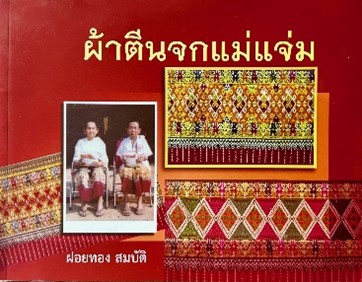
Author: Phoi Tong Sombat, 2013. 124 pg. (Thai language)
Publisher: Unknown
Mae Jaem stands as a prominent center for Tai woven cotton textiles, especially the famed "pha teen jok," produced in Chiang Mai Province. This booklet is published to mark the significant opening agenda of the continuation of Paya Muang Jam at Muang Dek Wittaya School in Mae Jam District, Chiang Mai Province, Thailand.
Author: Ida Ayu Ngurah Puniari, 2003, 51pg. (Indonesian). Photocopied Version.
Publisher: Dinas Pendidikan Kabupaten Karangasem, Bali
Ida Ayu Ngurah Puniari, born into the highest Brahmin caste, serves as a high school teacher in Sidemen, Karangasem, Bali. She authored her book as a pedagogical endeavor to educate readers about kain bebali, a sacred textile integral to the ritual practices of Panca Yadnya—the five ceremonial offerings in Hindu tradition. These encompass rites dedicated to the deities (Dewa Yadnya), humanity (Manusa Yadnya), ancestors (Pitra Yadnya), the appeasement of malevolent forces (Bhuta Yadnya), and consecrations for holy individuals (Rsi Yadnya). The bebali cloth assumes a multifaceted role within these rituals: adorning temple pillars, embellishing offerings, and serving as a ceremonial garment in pivotal life-cycle events. It is employed in rites for newborns, the three-month infant ceremony, matrimonial unions, and funerary observances, thereby symbolizing continuity between the sacred and the quotidian dimensions of Balinese Hindu life.
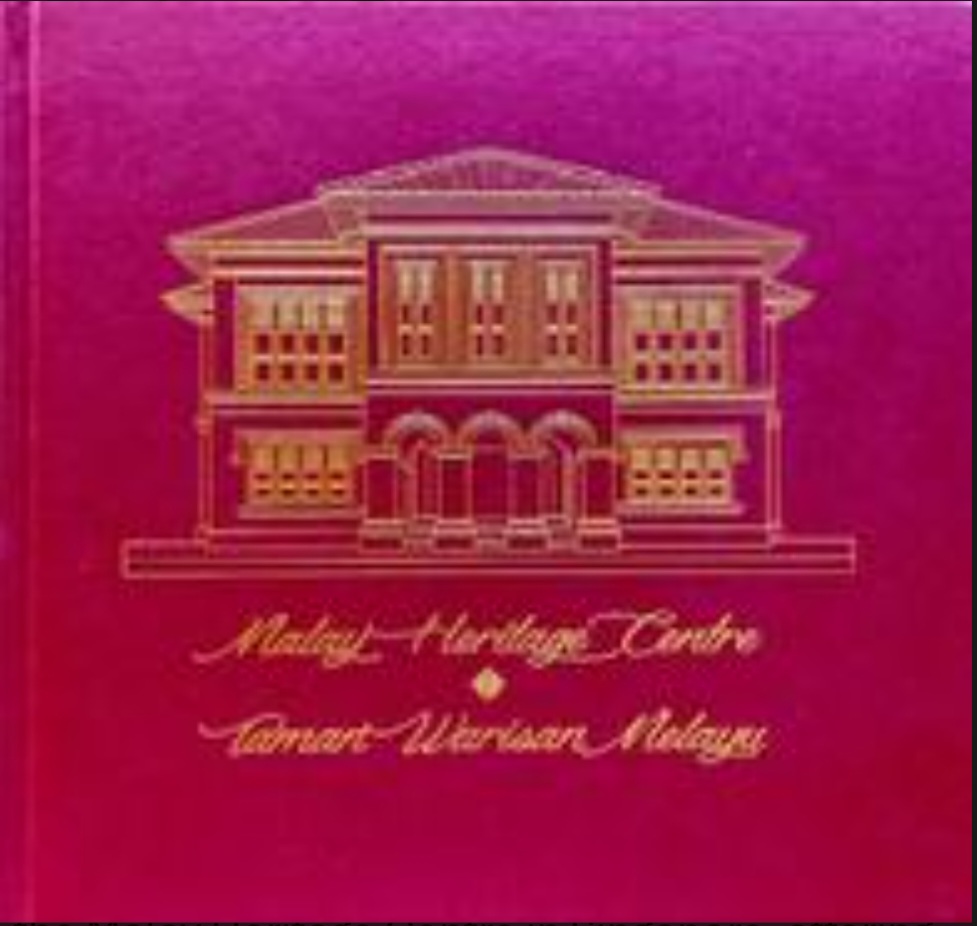
Author: Unknown, 2014, 200pg. (Malay & English). Hardcover
Publisher: Malay Heritage Centre, Istana Kampung Gelam, Singapore
The volume inaugurates a permanent gallery at the Malay Heritage Centre in Singapore, offering a comprehensive exploration of the diverse ethnic constituencies that collectively constitute the Malay community. Through an assemblage of artefacts, archival records, photographs, and audiovisual materials, it meticulously chronicles the Malay community’s contributions to Singapore’s historical trajectory—from its early identity as a dynamic port-town to its transformation into one of the most rapidly advancing global economies of the twenty-first century.
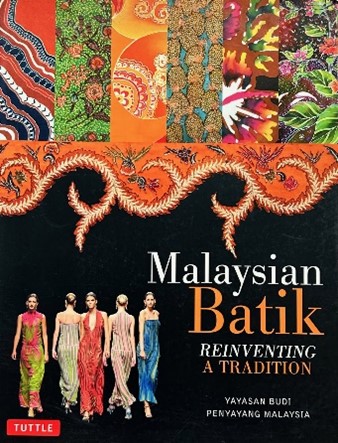
Author: Noor Azlina Yunus, Yayasan Budi Penyayang Malaysia,2011. 176pg. (English)
Publisher: Tuttle, London
Malaysian batik has revolutionized the ancient craft of fabric decoration with molten wax, establishing itself as a powerful art form. Characterized by bold designs, vibrant colors, and dynamic floral patterns, batik showcases innovative color combinations that captivate the eye. This book decisively explores the origins, materials, and techniques of both block-stamped and hand-drawn methods, demonstrating how Malaysian batik has firmly secured its place on the international stage.
Page 51 of 108