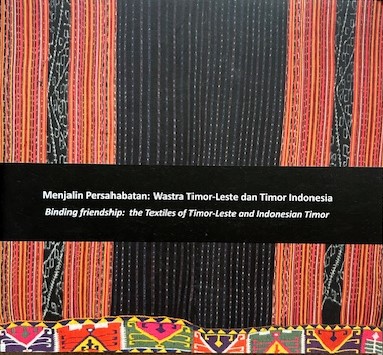
Author: Judi Achjadi & Benny Gratha, 2013. 48pg. (Indonesian and English)
Publisher: Musium Tekstil Jakarta
The aim of the exhibition is to introduce Timor Leste’s weaving traditions to Indonesians and to compare them to those of Indonesia’s border areas: Amfoang, Miomafo, and Insana, surrounding the Oecusse enclave. This exhibition is a collaboration among several organizations, including Timor Aid, the Alola Foundation, Timor-Leste's Ministry of Tourism, and the Jakarta Textile Museum. The exhibition showcases Timor-Leste's textiles from the Jakarta Textile Museum Collection, along with a few pieces from private collections. The introduction is written by Judi Achjadi, the senior curator of the Textile Museum, and it details the weaving techniques, materials, and looms used on both sides of the border.
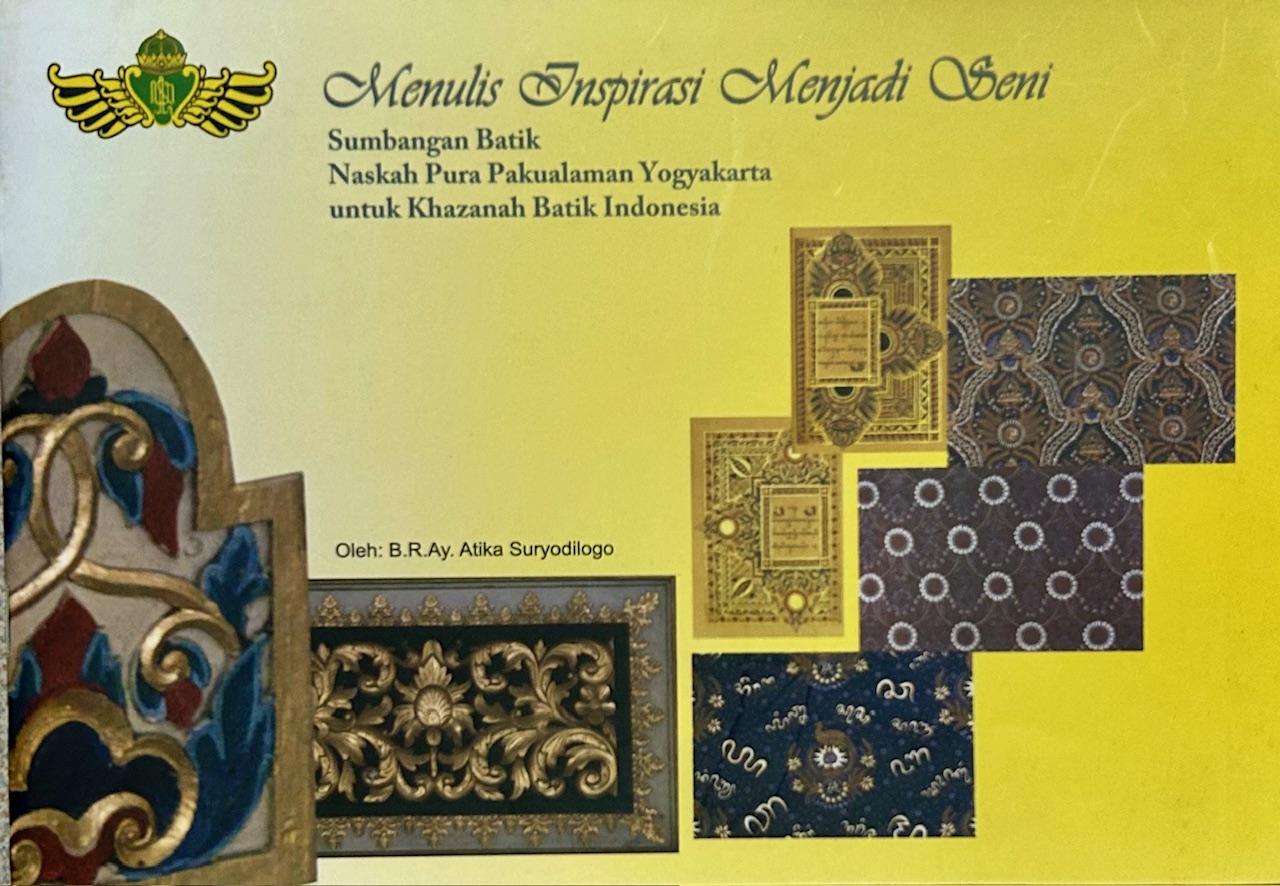
Author: B.R.Ay. Atika Suryodilogo, 2013. 32pg. (Indonesian)
Publisher: Perpustakaan Puro Pakualaman Yogyakarta
This catalog serves as the inaugural publication by BRAy Atika, showcasing her commitment to revitalizing Pakualaman batik. Drawing from the stunning illustrations found in the ancient manuscripts of Pakualaman's library, she has crafted 11 distinctive batik motifs. This catalog not only features these motifs but also highlights the manuscripts that inspired her and articulates the philosophies behind each motif.
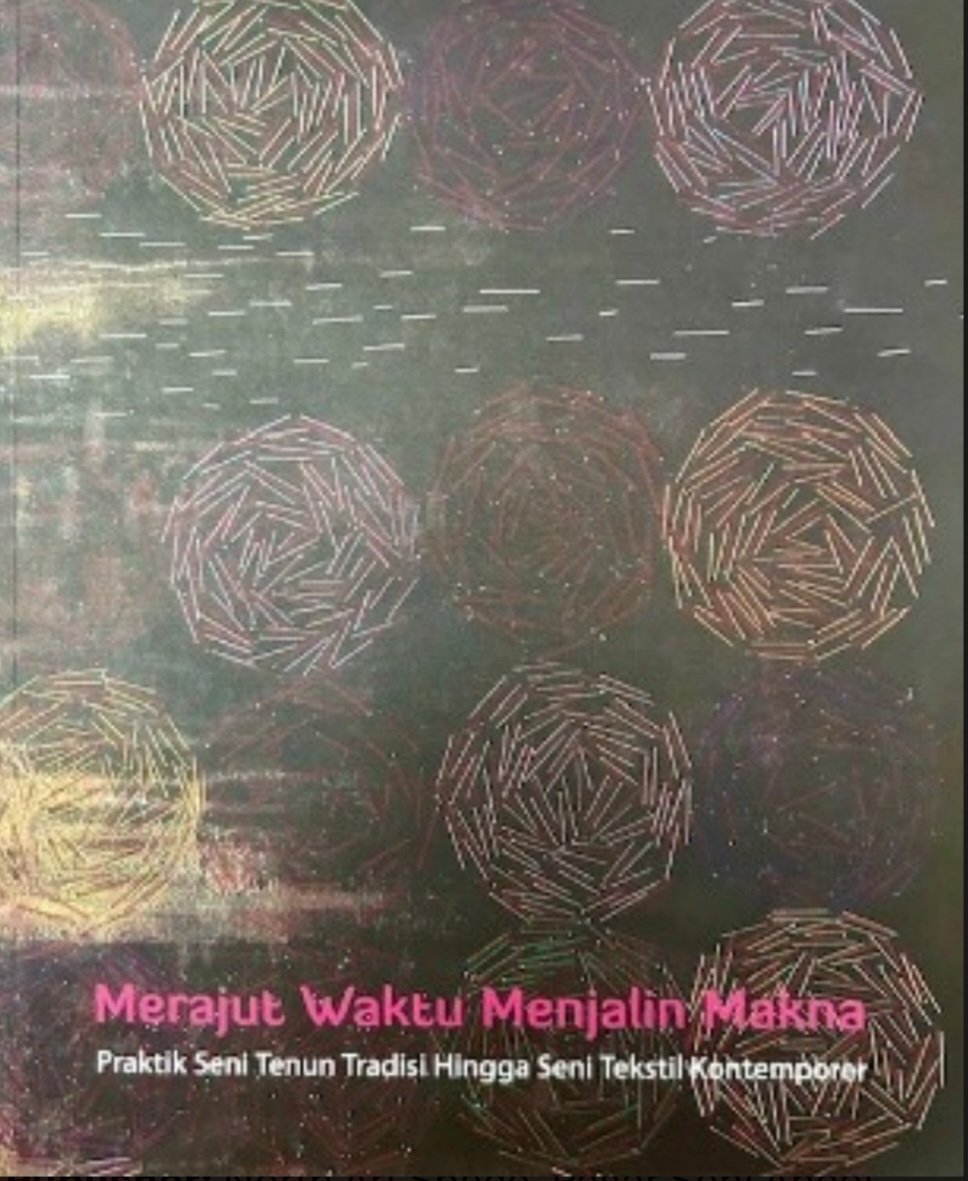
Author: Unknown, 2009, 134pg. (Indonesian). Softcover. Exhibition from 26 February to 26 March 1981 at the Jakarta Textile Museum
Publisher: North Art Space, Pasar Seni Ancol, Jakarta
The exhibition, presented under the same title, was held from 10 to 31 July 2009 at the North Art Space, located within Pasar Seni Ancol at Taman Impian Jaya Ancol in Jakarta. This curatorial endeavor showcased not only the rich heritage of ancient Indonesian weaving traditions but also highlighted the innovative practices of contemporary textile art produced by emerging young artists. By juxtaposing historical artifacts with modern interpretations, the exhibition underscored the continuity and transformation of Indonesia’s cultural identity through the medium of weaving, situating the craft within both its historical lineage and its evolving contemporary relevance.
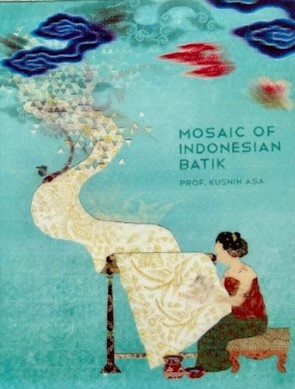
Author: Kusnin Asa, 2014, 216pg. (Indonesian and English)
Publisher: R & W Publishing, Jakarta
The author provides an overview of Indonesia's decorative arts from prehistoric times until the rise of Batik. Subsequent chapters include Mataraman batik, Coastal and Rural Batik, and contemporary regional batik.
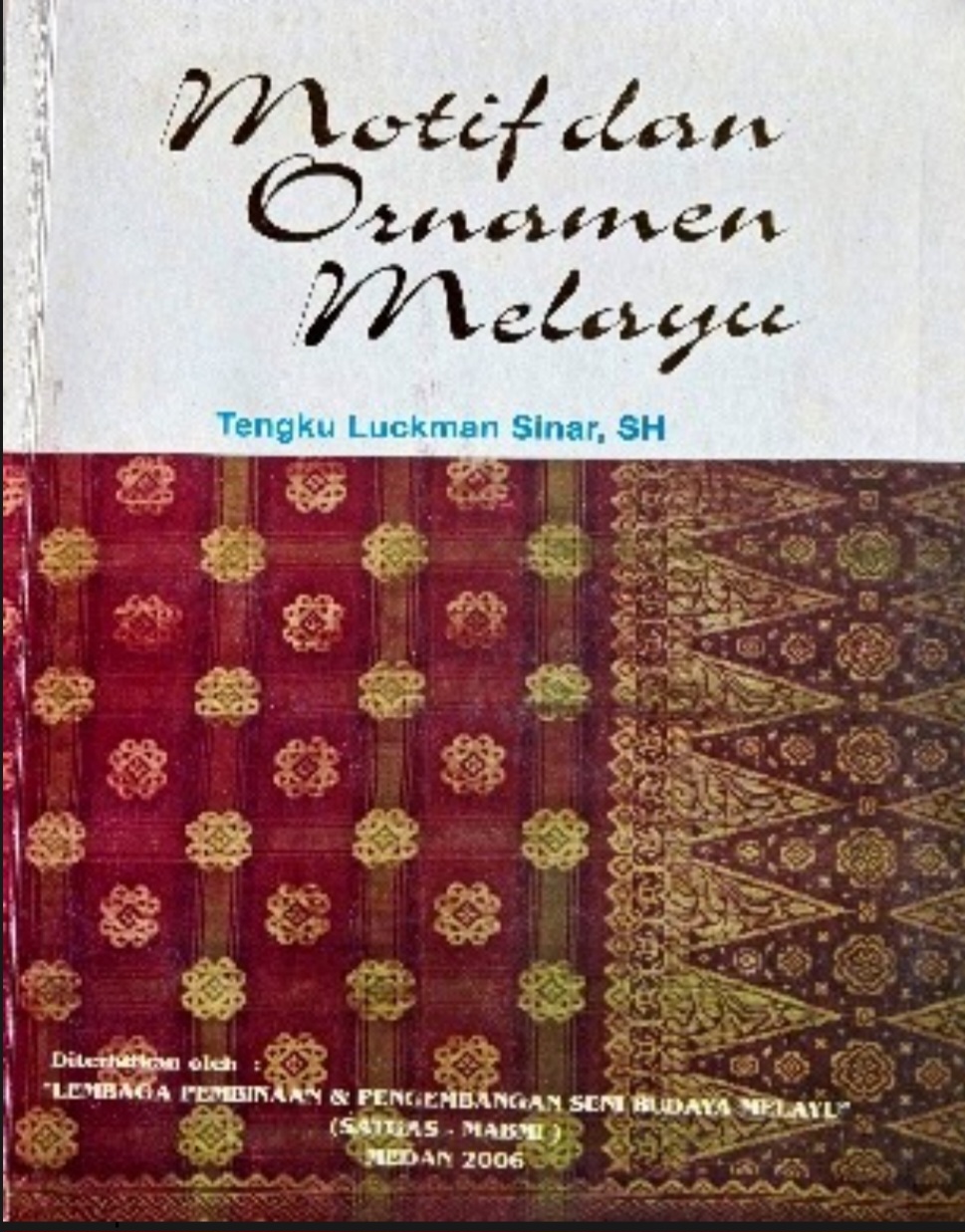
Author: Tengku Luckman Sinar, SH, 2006. 60pgs. (Indonesian) Softcover.
Publisher: Lembaga Pembinaan dan Pengembangan Seni Budaya Melayu, Medan
This volume functions as a definitive reference for Malay decorative arts, systematically documenting their visual history, philosophical underpinnings, and cultural resonance. The author’s primary focus lies in geometric, floral, and cosmological motifs that have historically shaped Malay architecture, textiles, and woodcarving. These artistic forms are intricately connected to the natural environment and Islamic philosophy, abstractly representing local flora, fauna, and spiritual beliefs. Serving as an extensive catalog, the book dissects hundreds of traditional ornaments, praised for its meticulous illustrations and richly contextualized historical background. It has become indispensable for students of architecture, fine arts, and cultural anthropology. Beyond aesthetics, Sinar underscores that every line and curve in Malay design embodies profound meaning: floral motifs such as bamboo shoots and creeping plants symbolize resilience, humility, and humanity’s symbiotic relationship with nature. A central theme is the intersection of indigenous animism, Hindu–Buddhist legacies, and Islamic principles. In accordance with Islamic artistic conventions, Malay ornamentation privileges geometric patterns and stylized vegetation, eschewing depictions of human and animal forms. Scholars value this work as a vital historical record, particularly as urbanization and modern architectural trends threaten to erode or transform traditional building and carving practices.
Page 55 of 108