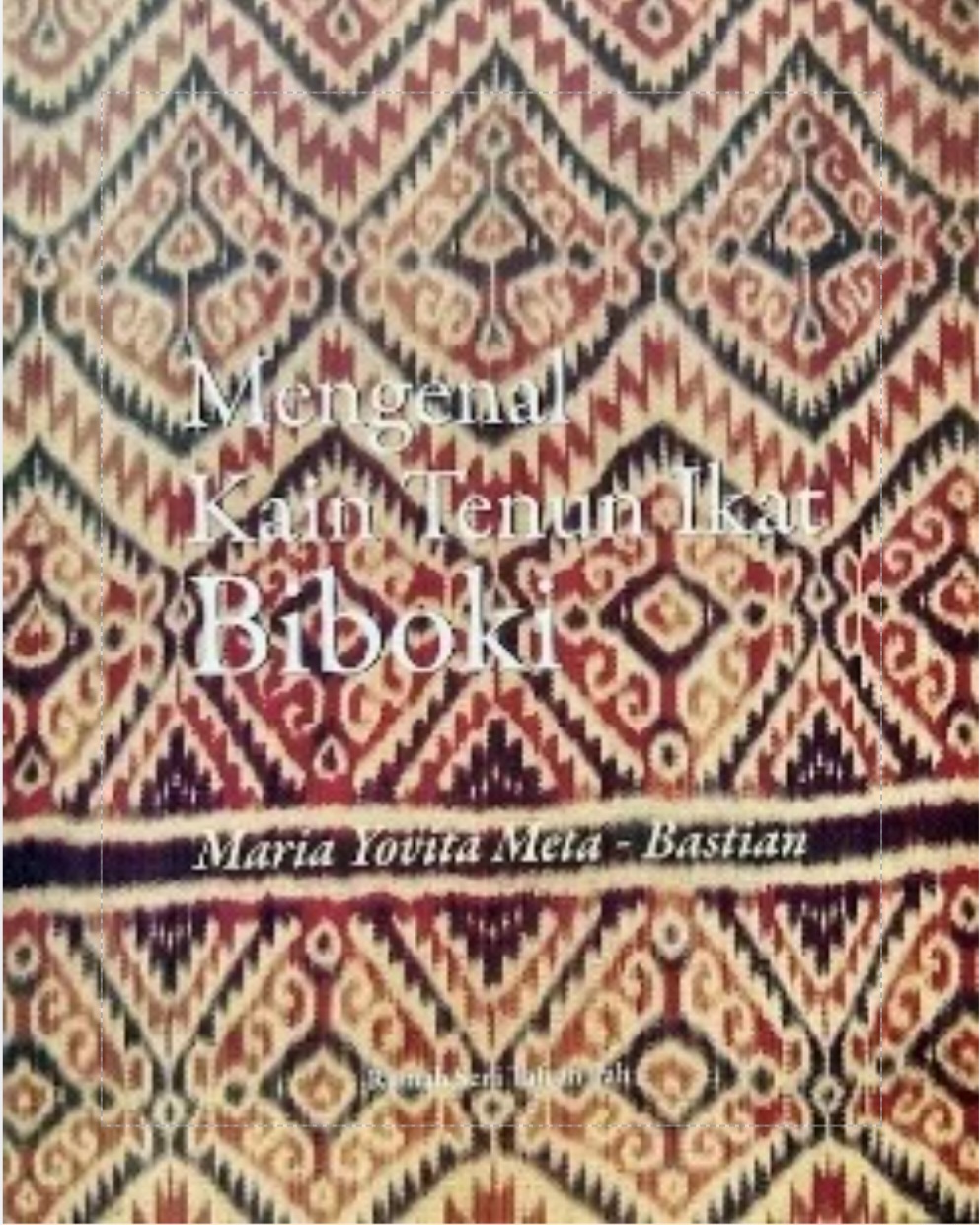
Author: Maria Yovita Meta – Bastian, 2009. 50pgs. (Indonesian). Softcover.
Publisher: Rumah Tenun Tafean Pah, TTU, Nusa Tenggara Timur
The volume was published in 2007 in conjunctiowith an exhibition at the Erasmus Huis, the cultural center of the Embassy of the Netherlands in Jakarta. Its author, Yovita, received a grant from the Prins Bernhard Fonds in the Netherlands to establish a weaving center in Biboki, North Timor. The book documents and introduces forty-three ikated Biboki motifs, twenty-two Buna motifs, and four sotis motifs, all meticulously crafted by seventy artisans from both North and South Biboki. In addition to cataloguing these motifs, the volume provides a comprehensive account of the tools employed in weaving, the functions and social uses of the textiles, the materials and processes of ikat production, the nomenclature of motifs, the natural dyes utilized, and the sartorial practices through which traditional cloth is worn as a marker of Biboki identity and social stratification. A dedicated chapter highlights the most distinguished Biboki motifs, situating them within their respective village origins. This publication remains the first and insofar known the only scholarly work devoted exclusively to the traditional textiles of Biboki, thereby constituting an invaluable resource for the study of Indonesian weaving traditions and the cultural heritage of Timor. Biboki textiles are not merely decorative cloths but deeply embedded cultural artifacts that have historically functioned as markers of identity, social hierarchy, and ceremonial life in West Timor. Their motifs, techniques, and uses reflect centuries of local tradition, foreign trade contact, and ritual significance.
Author: Maria Yovita Meta – Bastian, 2009, 51pg. (Indonesian). Softcover
Publisher: Rumah Seni Tafean Pah, Kefamenanu, NTT
In 2006, the author received a grant from the Prins Bernard Fonds, the Netherlands, and she produced this small book to introduce her famous Biboki textiles to the world. She and other weavers in North and South Biboki documented 43 Biboki ikat motifs, 22 Buna motifs and 4 Sotis motifs from the actual artisans that made these motifs.
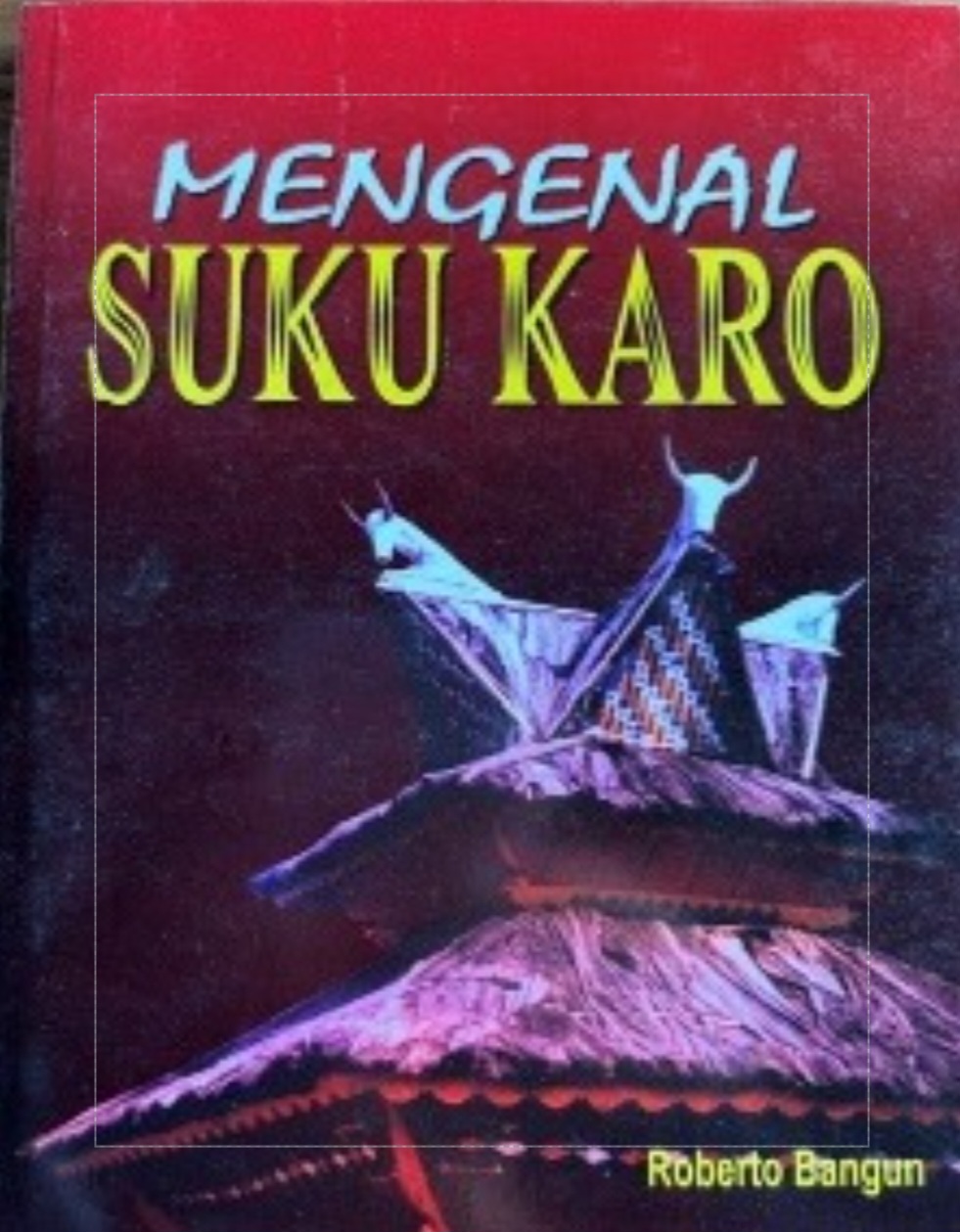
Author: Roberto Bangun, 2006. 255pgs. (Indonesian). Softcover
Publisher: Penerbit Bangun, Jakarta
The author, an assiduous collector of books, letters, clippings, and diverse oral and written testimonies, undertakes a critical inquiry into the ethnological identity of the Karo people. His work interrogates the prevalent misapplication of the term Batak, a designation frequently employed in the Indonesian archipelago to describe a broad cultural category, yet one that often obscures the distinctiveness of the Karo. Contrary to widespread assumptions, the Karo do not constitute a sub-ethnic division within the Batak; rather, they represent an autonomous ethnic group with their own historical trajectory and cultural heritage. Central to his exposition is the elaboration of the marga (clan system), which functions as the highest organizational framework in Karo society, and the principle of Dalihan na Tolu, a socio-political and socio-religious institution that structures communal relations and governance. Beyond these institutional dimensions, the author provides a comprehensive ethnographic account of Karo cultural practices, encompassing literature, oral traditions, dance, architecture, textile production, script, ornamentation, and other artistic forms. Through this multifaceted exploration, he seeks to reposition the Karo within the broader discourse of Indonesian ethnography, affirming their cultural autonomy and challenging reductive categorizations that subsume them under the Batak identity.
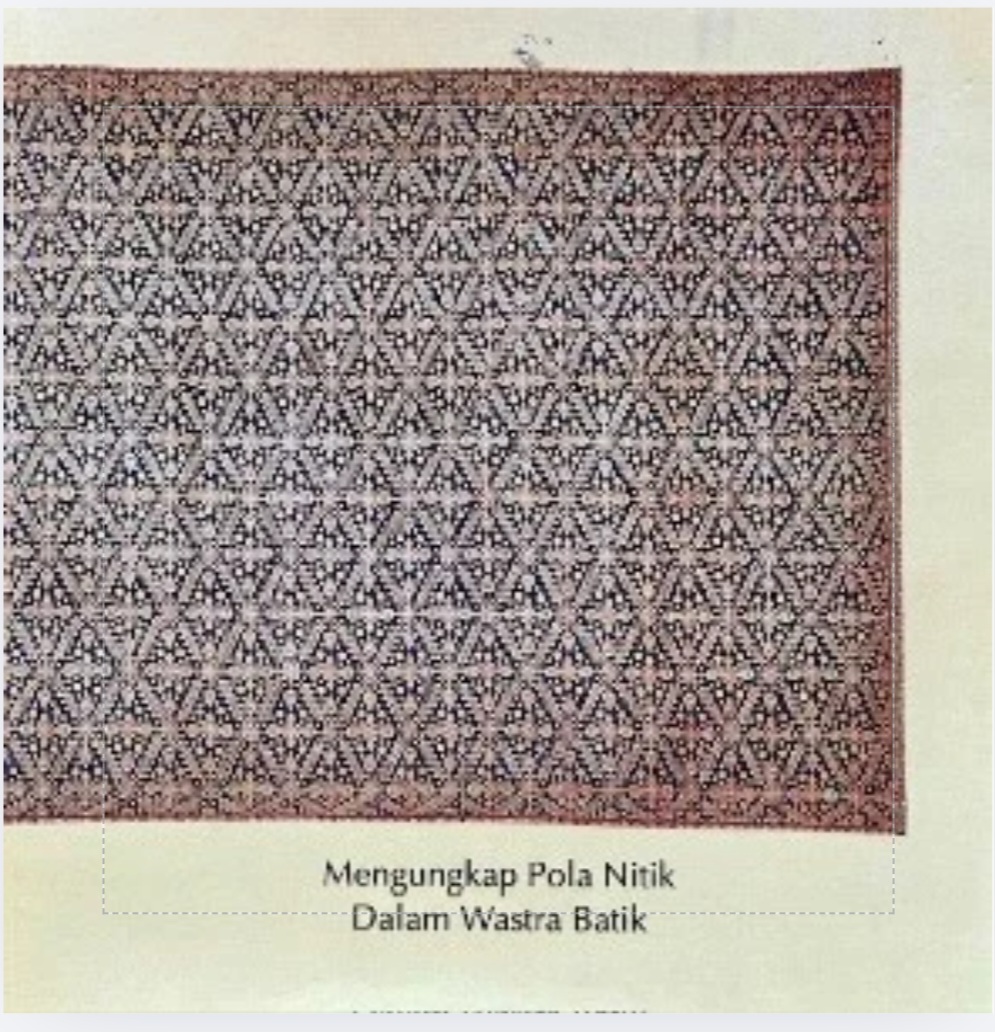
Author: Sri Sintasari (Neneng) Iskandar, 2013, 198pg (Indonesian) Softcover. Catalog in sleeve + CD included
Publisher: Jakarta Textile Museum
The exhibition prominently showcased the Nitik pattern, a distinctive and highly intricate motif within the tradition of Javanese batik. The accompanying catalog features a scholarly essay that traces the historical evolution of Nitik, examines its characteristic motifs, and explores the specialized use of the Nitik canting pen. Authored by leading experts in the field of batik studies, the essay situates Nitik within broader cultural and artistic contexts, highlighting its role as both a technical innovation and a symbol of aesthetic refinement in Indonesian textile heritage.
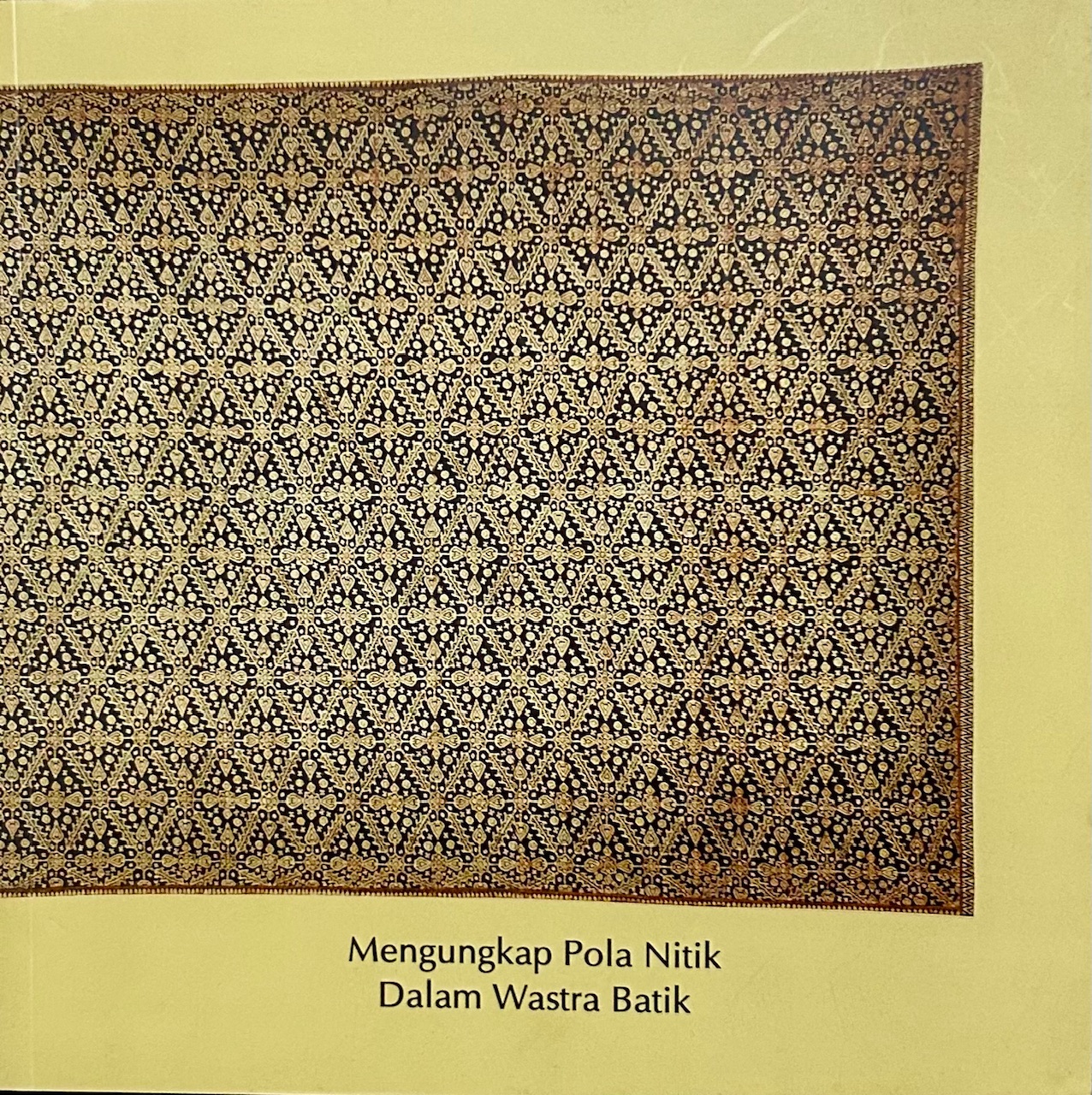
Author: Sri Sintasari (Neneng) Iskandar & Benny Gratha, 2013. 107pg. (Indonesian)
Publisher: Musium Tekstil Jakarta & Himpunan Wastraprema
This exceptional catalog delivers essential and thoroughly researched information on Nitik batik. It outlines the specific tools utilized for Nitik in Yogyakarta, Surakarta, and Pekalongan, where this traditional art form continues to thrive. Furthermore, it showcases remarkable batik Nitik pieces from diverse collectors, highlighting the unique heritage of the three Nitik regions in Central Java.
Page 54 of 108