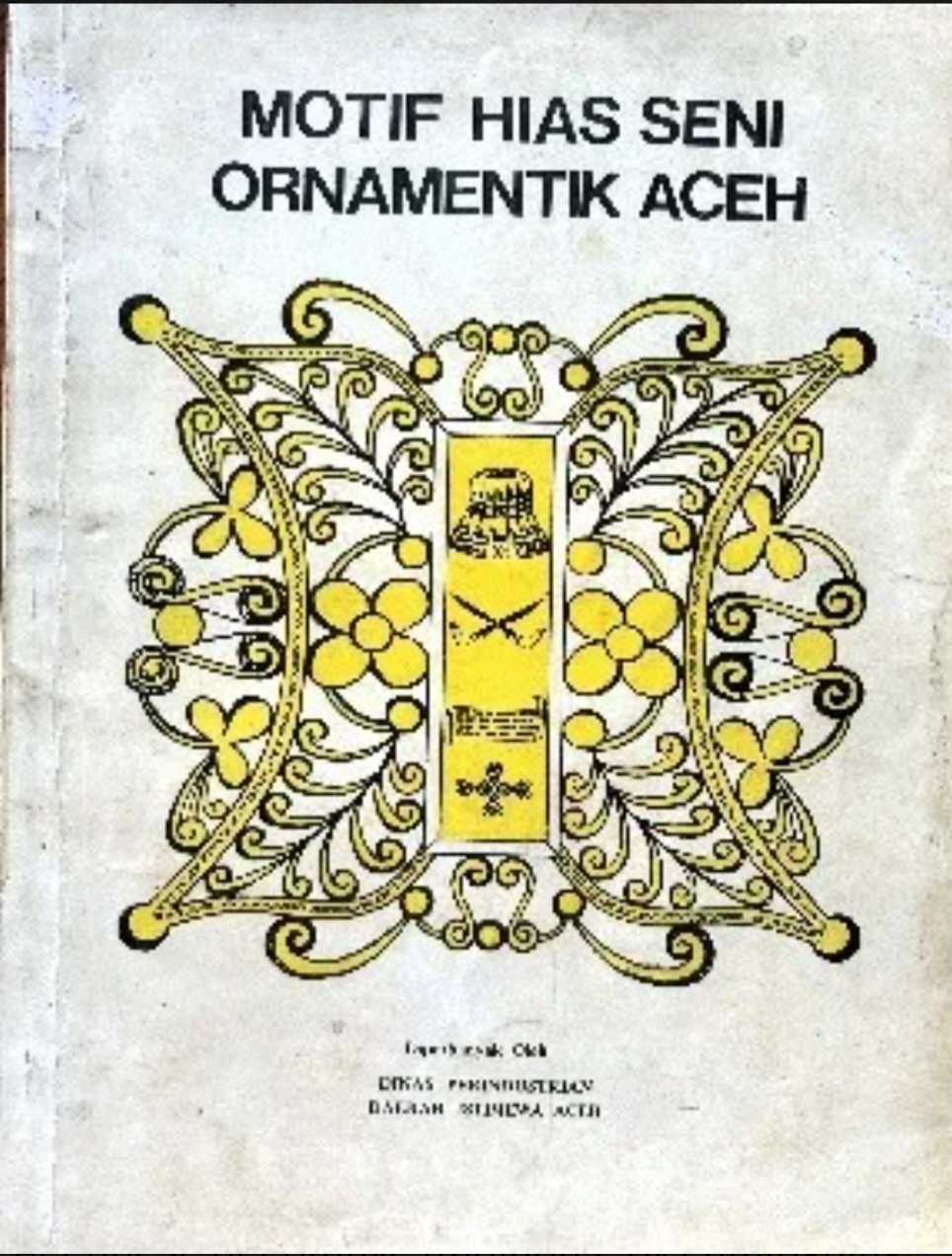
Author: Unknown, no year, 120pg. (Indonesian), Softcover.
Publisher: Dinas Perindustrian Daerah Istimewa Aceh (Office of the Ministry of Industries in the Special Region of Aceh
The present volume offers a compendium of over one hundred meticulously rendered illustrations, each depicting the distinctive ornamental motifs indigenous to the Special Region of Aceh Darussalam. These visual exemplars not only serve as aesthetic representations of regional artistry but also embody the cultural memory, symbolic language, and historical continuity of Acehnese decorative traditions. By cataloguing such motifs in a systematic manner, the book situates them within broader discourses of Southeast Asian visual culture, thereby underscoring their significance as both artistic expressions and markers of collective identity.
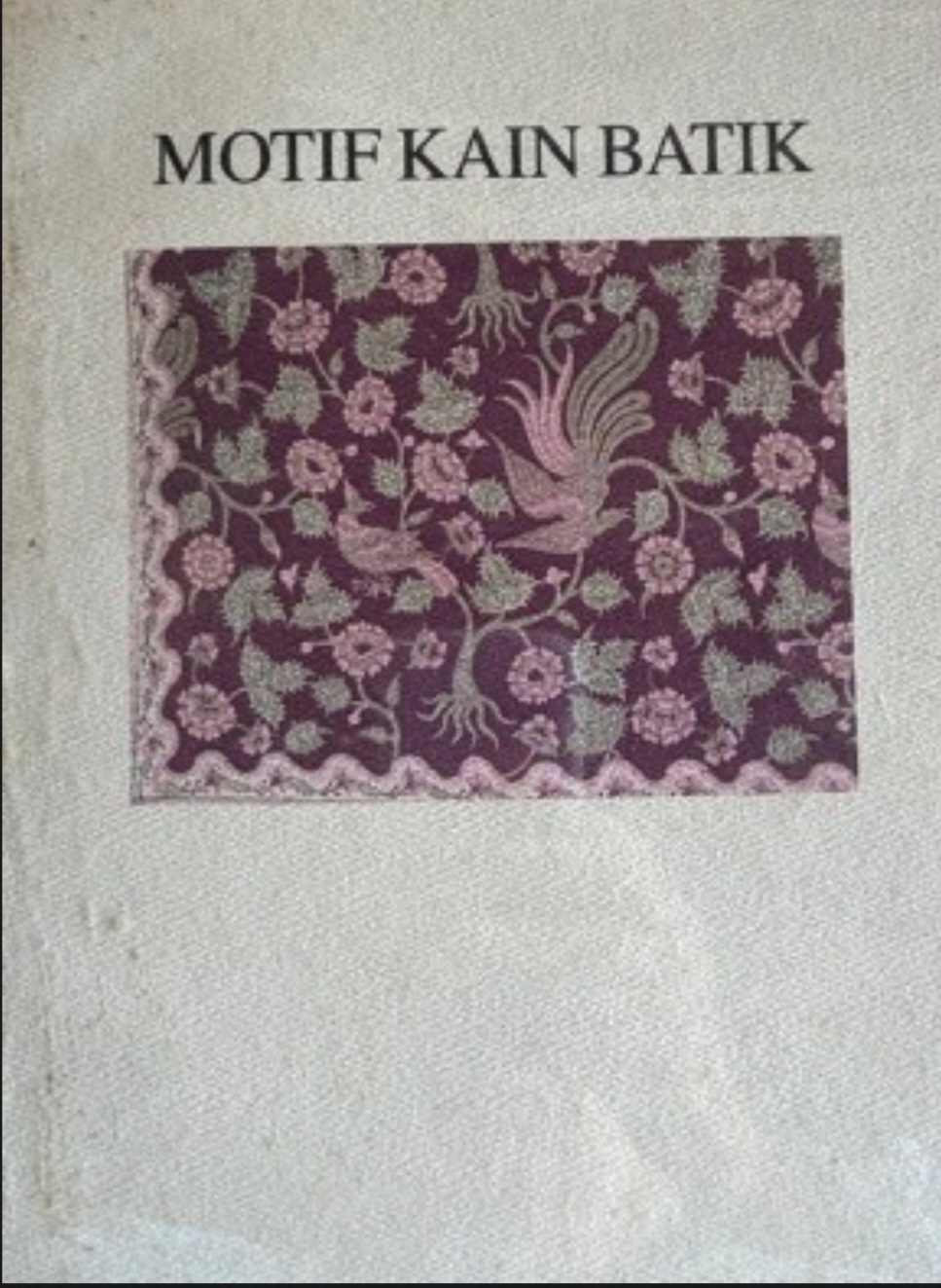
Author: Unknown, no year
Publisher: Unknown
The compendium lists a collection of Batik motifs and patterns, and a Batik glossary
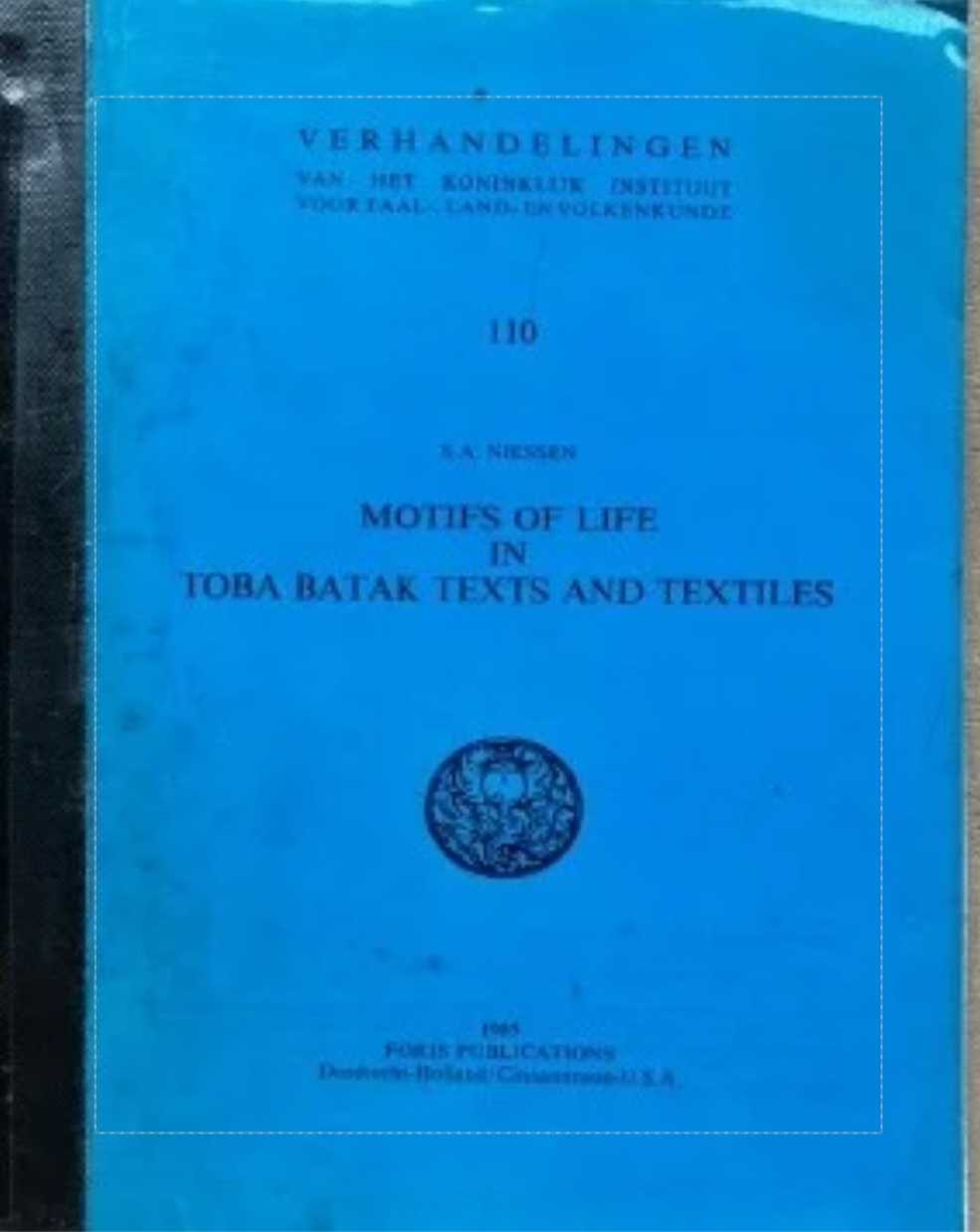
Author: S.A.Niessen, 1985, 249pg (English) Softcover. Photocopied version. Appeared in VERHANDELINGEN of the Royal Institute for Languages, Land, and Ethnology)
Publisher: FORIS Publications, Dordrecht, Netherlands
The cultural and intellectual significance of Toba Batak textiles has long been acknowledged, yet their role as a nexus of mythology, kinship, and cosmological thought remains underexplored in scholarly discourse. This study interrogates the textiles not merely as aesthetic artifacts but as dynamic embodiments of social memory and cosmological imagination. By situating them within indigenous frameworks of temporality and spatiality, the analysis foregrounds the textiles as material expressions of a worldview in which myth, genealogy, and cosmology are inextricably intertwined. Methodologically, the work advances the field by synthesizing textual resources with ethnographic fieldwork, thereby reconstructing the epistemological contours of the Toba Batak cultural universe. In doing so, it challenges prevailing tendencies in material culture studies that privilege form and function over symbolic resonance. The study’s most notable intervention lies in its revival of the Field of Anthropological Study (FAS) theory, marking the first substantive application of this theoretical framework to material culture in fifty years. This re-engagement not only repositions FAS theory within contemporary anthropological debates but also underscores its enduring relevance for analyzing the entanglement of tangible artifacts and intangible cultural systems.
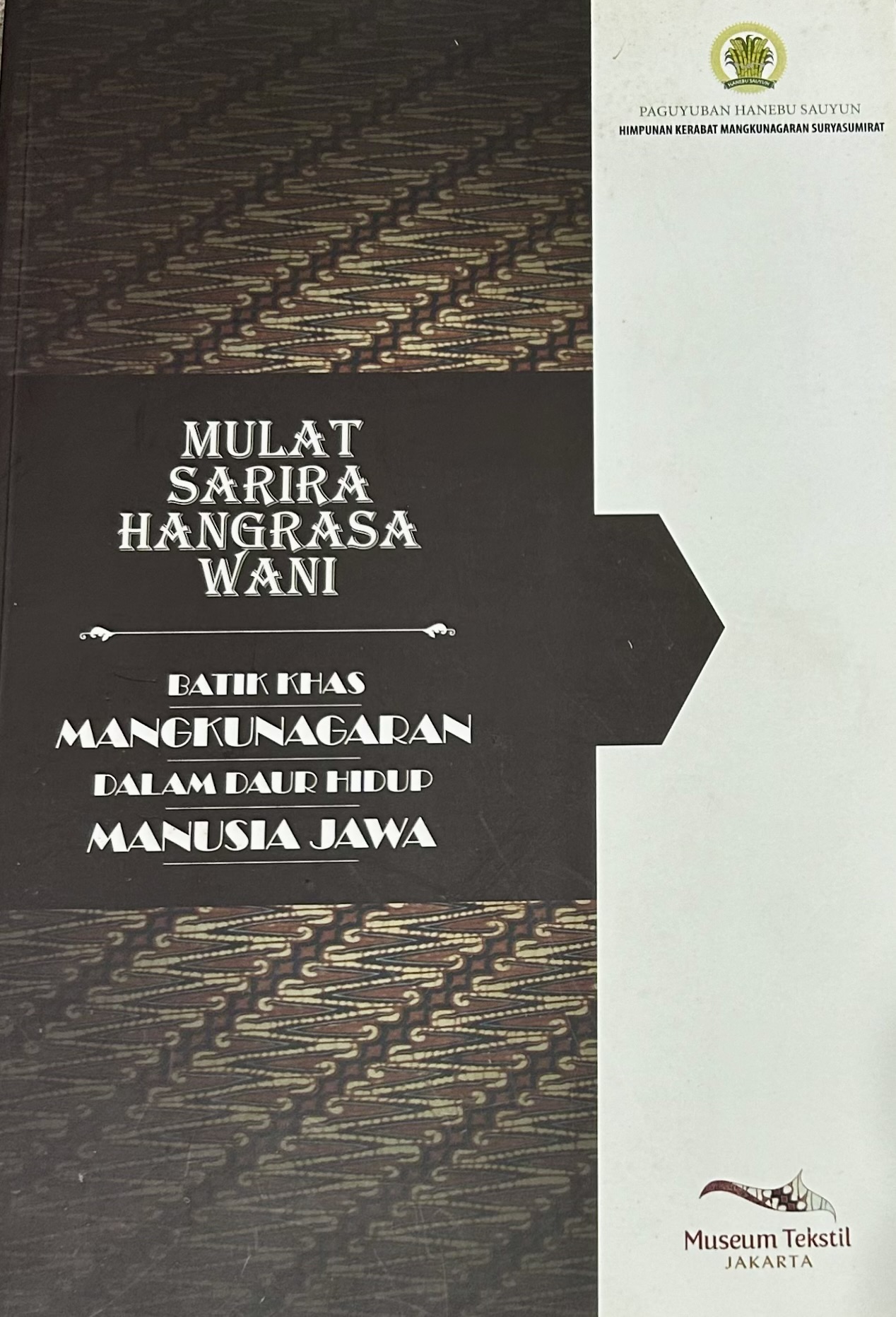
Author: Unkown, approx. 2012, 77pg. (Indonesian)
Publisher: Musium Tekstil Jakarta
The Mangkunegaran lineage, one of the two royal houses in Surakarta, is dedicated to preserving and sustaining the existence and vitality of the royal court. In 2012, the Mangkunegaran Suryasumirat community successfully collaborated with the Jakarta Textile Museum to organize a significant exhibition that highlighted batiks used in lifecycle ceremonies. The exhibition catalogue showcases batiks utilized in essential rites of passage, including those for birth, adolescence, marriage, the seven-month pregnancy ceremony (mitoni), and death. The catalog concludes with an exhibition of batik pieces from the collections of various descendants of Mangkunegaran.
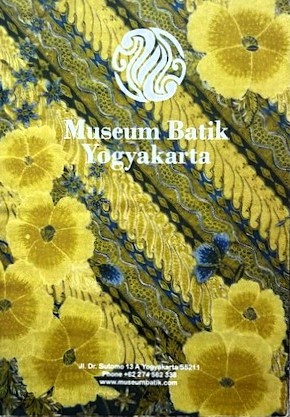
Author: Unknown 2012.12 pg. (English and Indonesian)
Publisher: Batik Inc. Yogyakarta
The catalog presents the history of the museum, which in 2022 sadly has closed its doors following bankruptcy and the pandemic, after the third generation of Indo-Chinese batikers.
Page 56 of 108