Author: Unknown
Publisher: The Supports Arts and Crafts International Centre of Thailand (SACICT), Thailand
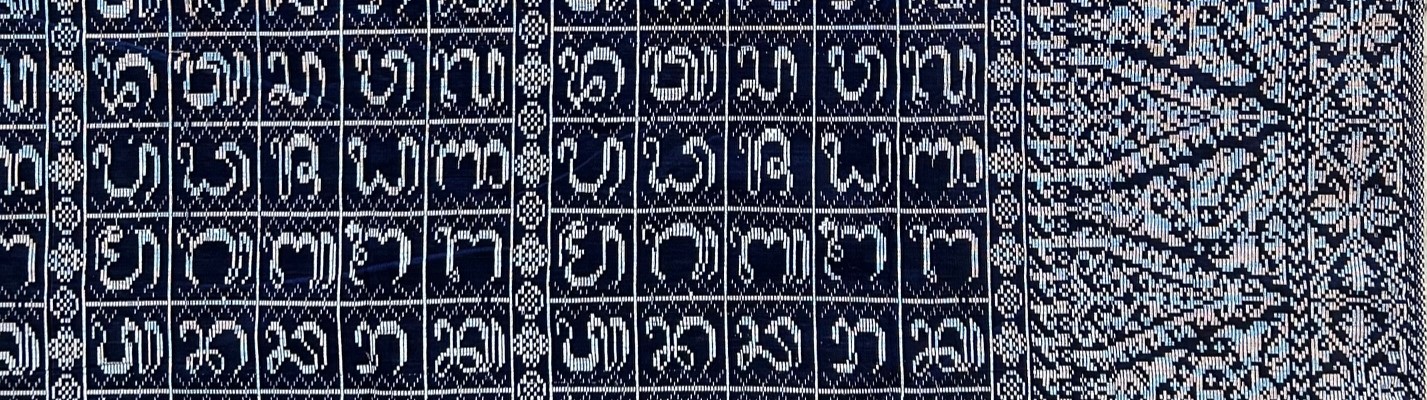
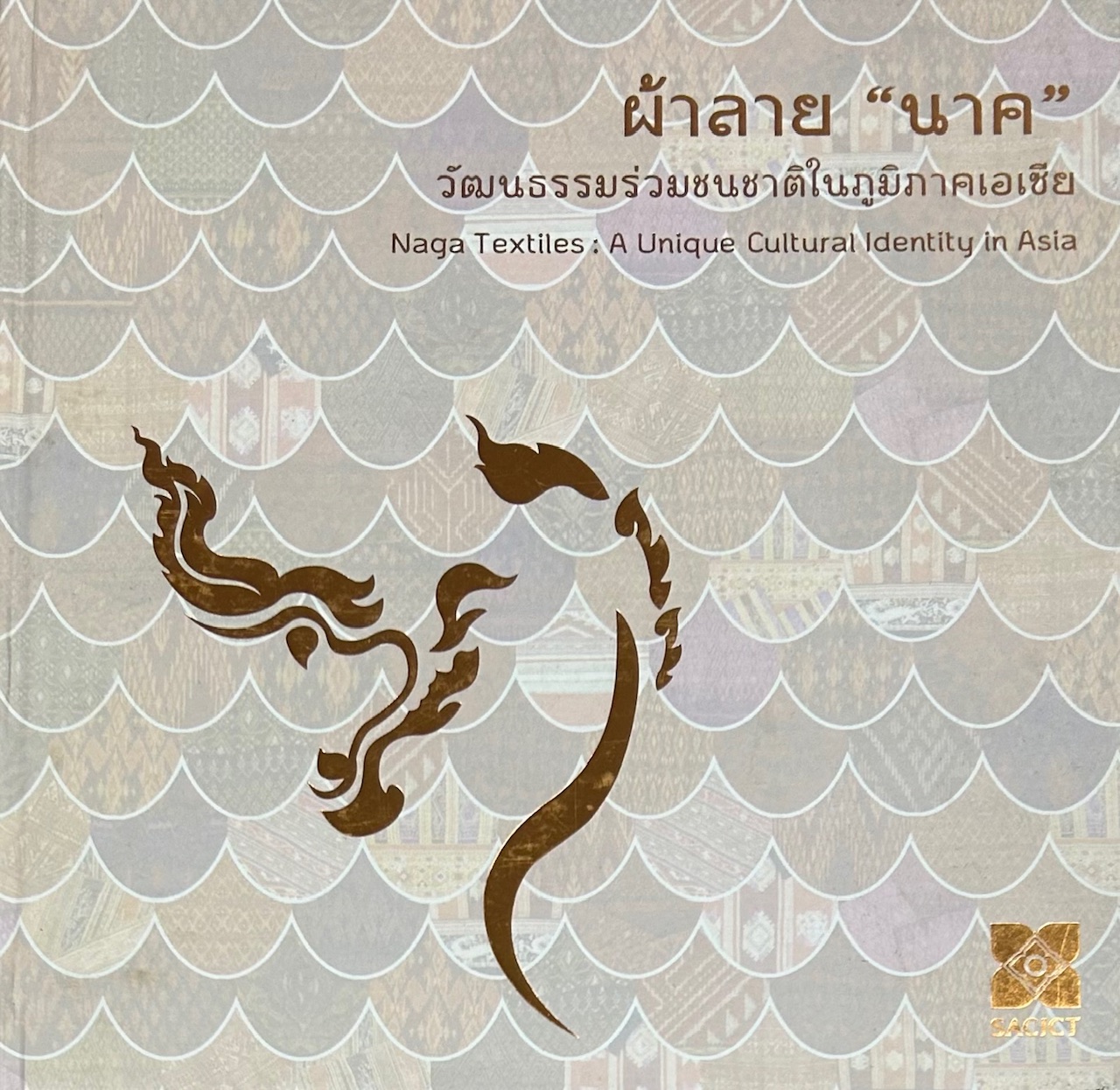
This volume explores the history and origins of the belief in Nagas, highlighting their significant influence on art across India, Sri Lanka, Southeast Asia, Myanmar, Cambodia, Indonesia, Laos, Vietnam, and Thailand. It culminates with an insightful examination of Naga patterns in textiles. This compelling book is essential reading and should not be overlooked.
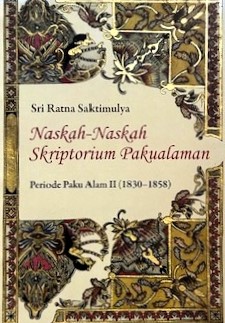
Author: Sri Ratna Saktimulya, 2016. 438pg. (Indonesian, with foreword by Dr. Peter Carey in English).
Publisher: KPG Kepustakaan Populer Gramedia & Ecole Français d’Extrême Orient
This book is derived from Sri Ratna Saktimulya’s dissertation and represents a significant contribution to the field of nineteenth century Javanese literature. Ki Hajar Dewantoro, the great-grandson of Paku Alam II, notes that the peak of Pakualaman’s poetry occurred during the reign of Paku Alam II, characterized by both an impressive volume and remarkable artistic quality. The manuscripts from this period are notably illuminated. Ibu Sakti’s work is not only a substantial scholarly piece but also essential for understanding Javanese literature in the second quarter of the 19th century (Peter B.R. Carey).

Author: Dwi Suheryanto, et al, 2007. 93pgs. )Indonesian & English). Softcover
Publisher: Institute of Batik and Handicraft, Yogyakarta
This scholarly volume, published by the Balai Besar Penelitian Batik dan Kerajinan in Yogyakarta, constitutes a meticulously curated and richly illustrated compendium of thirty-nine botanical species historically and contemporaneously employed in the practice of Batik dyeing. Beyond its descriptive cataloguing, the work provides the Latin binomial nomenclature alongside vernacular appellations, thereby situating each plant within both scientific taxonomy and local cultural knowledge systems. The authors further enhance the utility of the text by presenting empirical samples of chromatic outcomes on diverse substrates, including silk, cotton, and fully batiked textiles, thus offering a comparative perspective on material responsiveness. Rendered in full color, the volume transcends mere documentation of botanical resources; it foregrounds the cultural, historical, and aesthetic significance of these dye plants within Indonesia’s textile heritage.
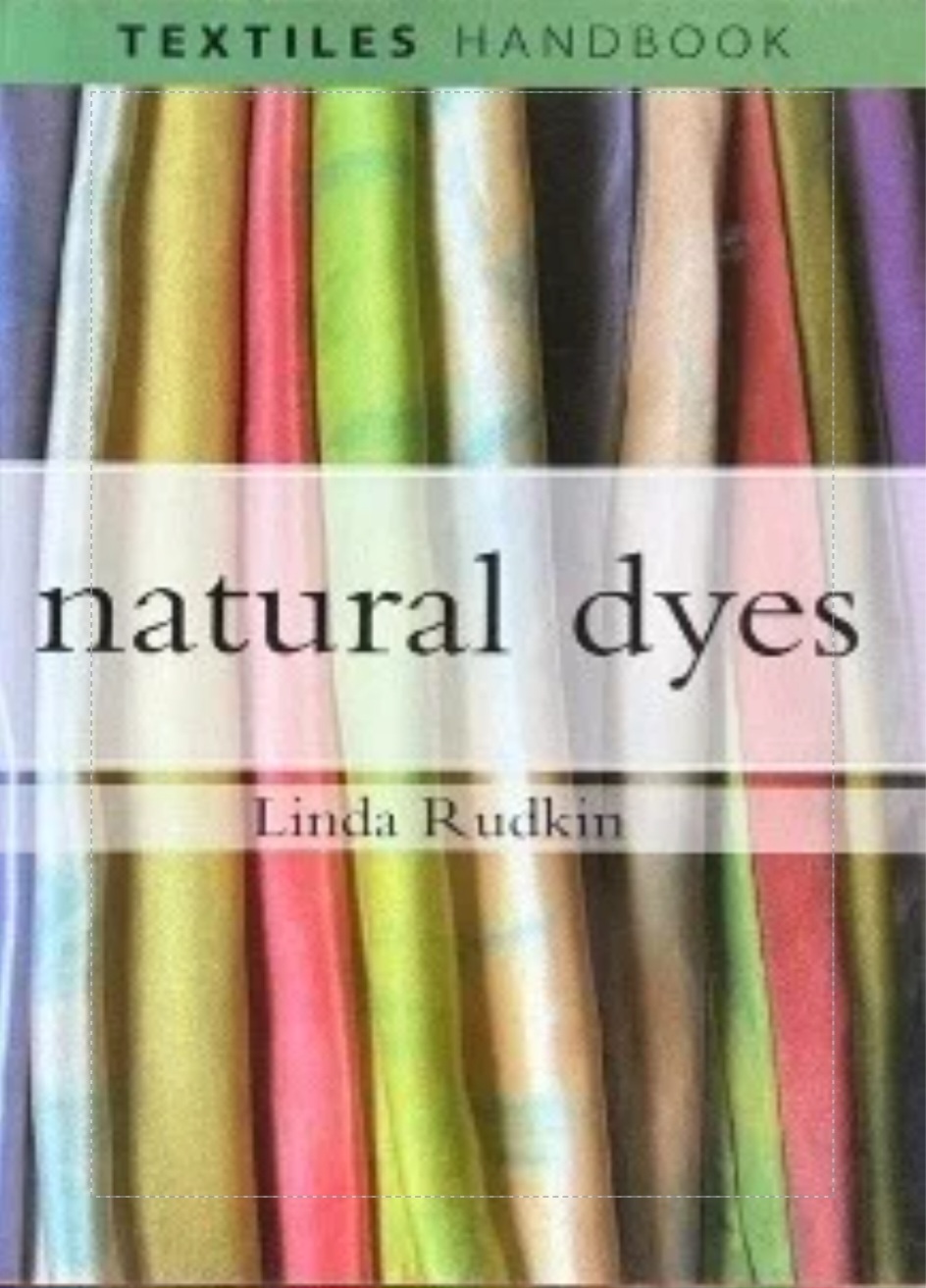
Author: Linda Rudkin, 2007. 114 pgs. (English). Softcover
Publisher: A & C Black Publishers, London
The volume Natural Dyes constitutes a significant contribution to the literature on textile arts and sustainable craft practices. It offers a meticulously curated selection of projects, practical guidance, and sequential instructions that collectively demystify the process of dyeing yarns, fabrics, and embroidery threads. The clarity of exposition and the minimal technical requirements render the text accessible to both novice practitioners and experienced artisans, thereby broadening its pedagogical reach. A particularly noteworthy feature of the book is its inclusion of over forty documented experiments employing diverse botanical dye sources. This empirical section provides a comparative framework through which readers may discern the chromatic variability and aesthetic potential inherent in different plants. The systematic presentation of results enhances the text’s scholarly value, situating it not merely as a manual but as a repository of experimental knowledge that bridges craft and research. In conclusion, Natural Dyes transcends the boundaries of a conventional craft manual. It functions simultaneously as a pedagogical tool, an experimental archive, and a source of creative impetus. Scholars of material culture, practitioners of textile arts, and advocates of sustainable design will find in this volume a compelling synthesis of tradition, experimentation, and innovation.
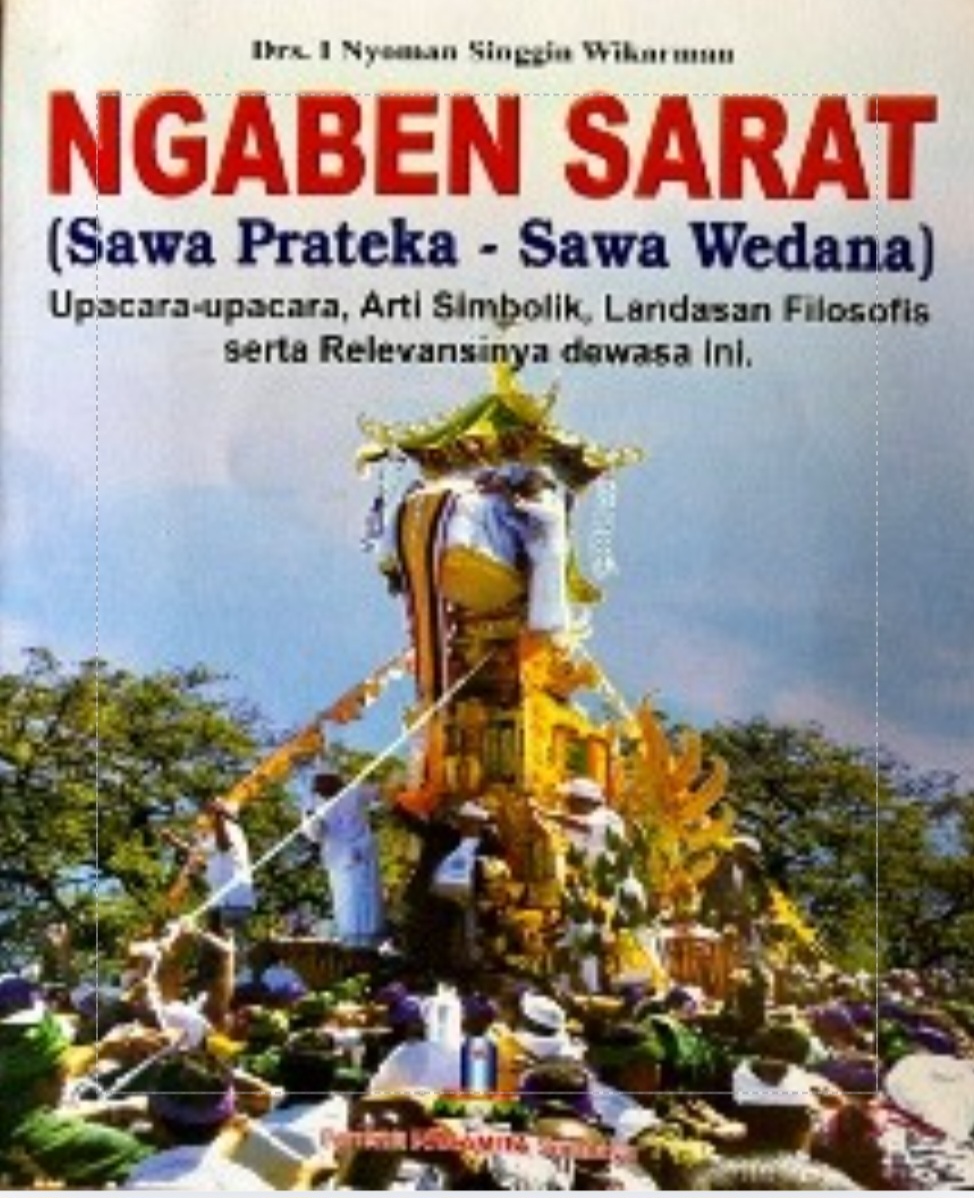
Author: I Nyoman Singgin Wikarman, 1998, 76[gs. (Indonesian). Softcover
Publisher: Paramita, Surabaya
Ngaben Sarat is a ritual guidebook that codifies the Balinese Hindu cremation ceremony in its most complete form. It prescribes the essential offerings (banten) and ceremonial paraphernalia required by Hindu Dharma, while simultaneously elucidating the symbolic meanings and philosophical foundations of the rite. Beyond its practical function, the text situates cremation within the Balinese cosmological worldview, presenting it as both a spiritual necessity and a cultural expression that remains relevant in contemporary society. The booklet underscores the ceremony’s ultimate purpose: to liberate the soul from worldly attachments and provide a sanctified path for its return to the divine origin. By integrating ritual prescriptions with philosophical reflection, Ngaben Sarat affirms the enduring significance of cremation as a sacred passage, embodying the Balinese understanding of death not as an end, but as a transformative journey within the eternal cycle of existence.
Page 58 of 108