
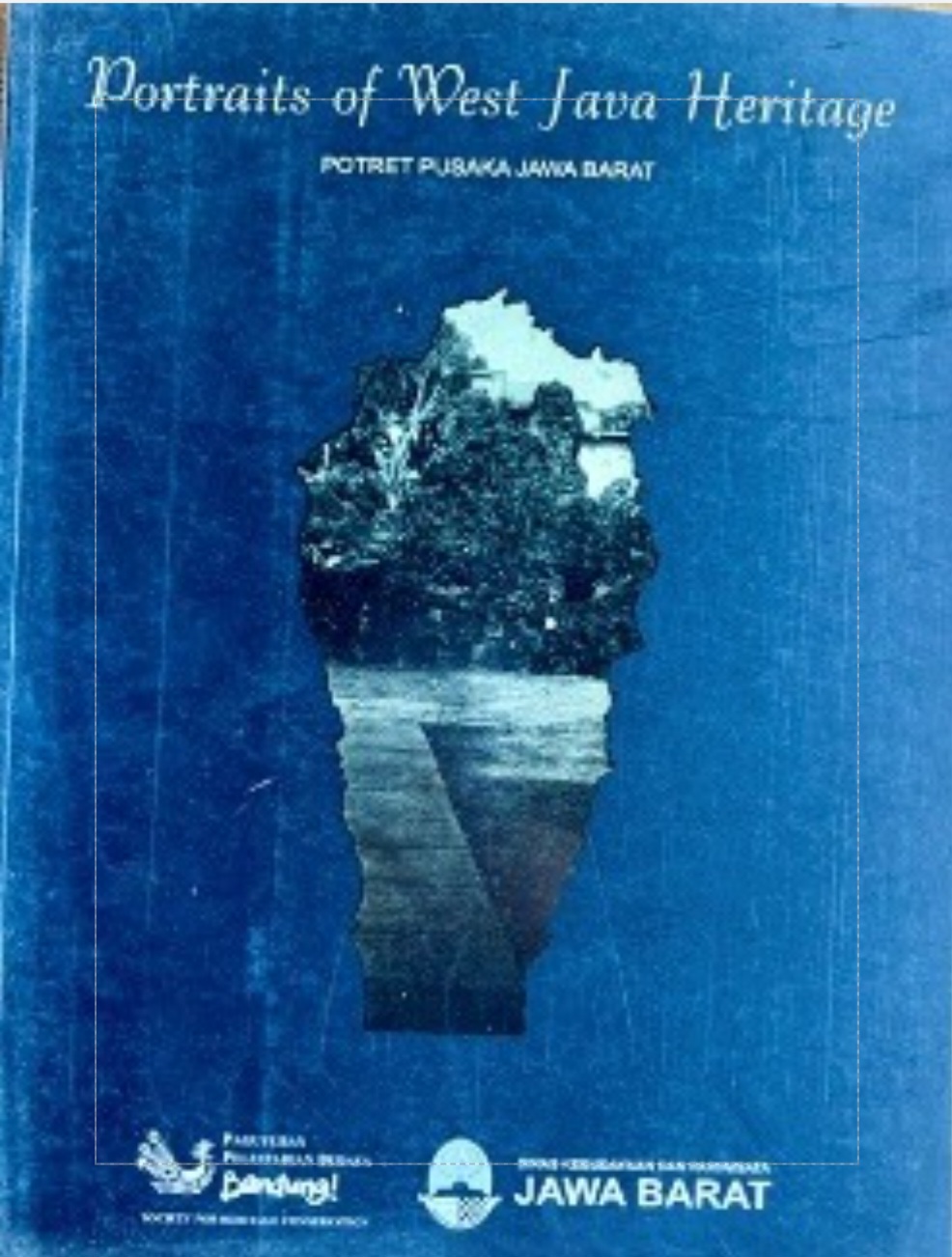
Author: Francess B. Affandy & Andi Abubakar, 2003. 67pgs. (Indonesian and English). Softcover
Publisher: Paguyuban Pelestarian Budaya Bandung & Dinas Kebudayaan dan Pariwisata, Jawa Barat
This visually compelling bilingual volume operates not merely as a historical guide but as an ethnographic tribute to the enduring traditions of West Java. Through striking photography, it captures both the majesty of the natural landscape and the lived realities of Sundanese society, foregrounding the intricate interplay between environment and culture. Architectural forms, streetscapes, and cultural artifacts are presented as tangible expressions of Sundanese identity, while heritage sites, artisanal crafts, and historical landmarks are contextualized as nodes within a broader cultural continuum. The narrative situates these elements within the longue durée of regional history, engaging with the imprint of Dutch colonialism, the centrality of agrarian life, and the negotiation between traditional village structures and emergent urban modernities. In doing so, the book underscores the dynamic resilience of Sundanese culture, revealing how local traditions adapt yet persist amidst shifting socio-political landscapes. Although modest in length—comprising only sixty-seven pages—the volume functions as an accessible coffee-table introduction, offering readers a gateway into the ethnological richness of West Java’s cultural fabric.
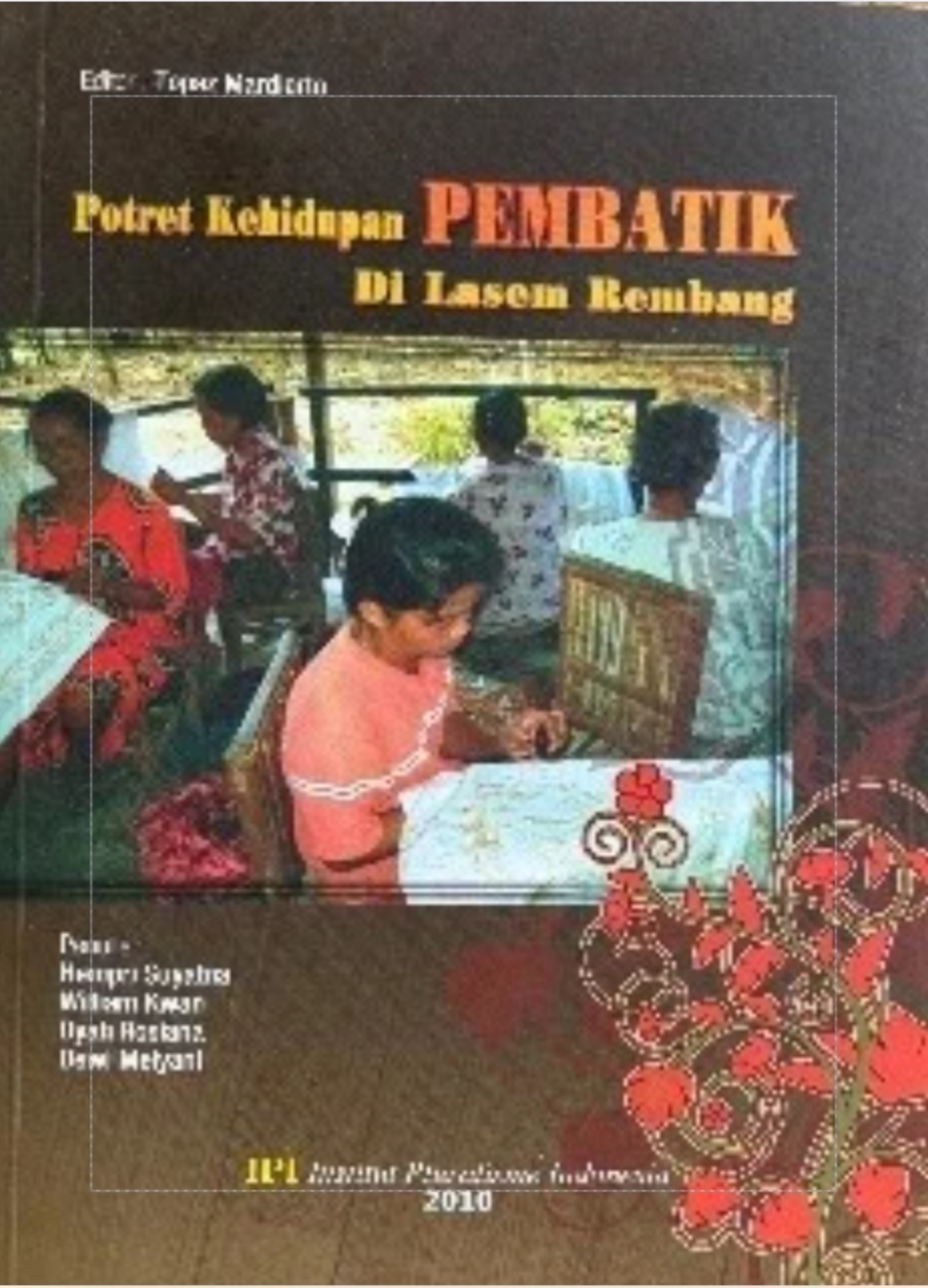
Author: Hempri Suyatna, William Kwan, Dyah Rosiana, and Dewi Meiyani, 2010. 96pgs. (Indonesian). Softcover
Publisher: Institut Pluralisme Indonesia
This booklet offers a nuanced portrait of the daily life of batik artisans in Lasem and Rembang. The exploration of the Lasem batik industry is both compelling and significant, as Lasem was historically renowned for its exquisitely crafted textiles, predominantly produced by Indo-Chinese batikkers. The authors begin by tracing the early development of batik production in this region, situating it within broader socio-economic and cultural contexts. Traditionally, batik workers in Lasem emerged from agrarian communities. Many were impoverished farmers residing in the surrounding villages who engaged in batik-making only intermittently, typically during the intervals between rice planting and harvesting seasons. This dual livelihood underscores the precarious economic conditions of rural households and highlights the adaptive strategies employed to sustain their existence. Within this booklet, the authors present a vivid ethnographic account of batik workers’ lives, examining not only their craft but also the intricate social relations that bind batikkers to batik traders. These relationships reveal the dynamics of labor, commerce, and cultural transmission in the region. Furthermore, the text addresses the pressing challenges faced by the community in preserving the continuity of Lasem’s batik tradition amidst shifting economic realities and cultural transformations.
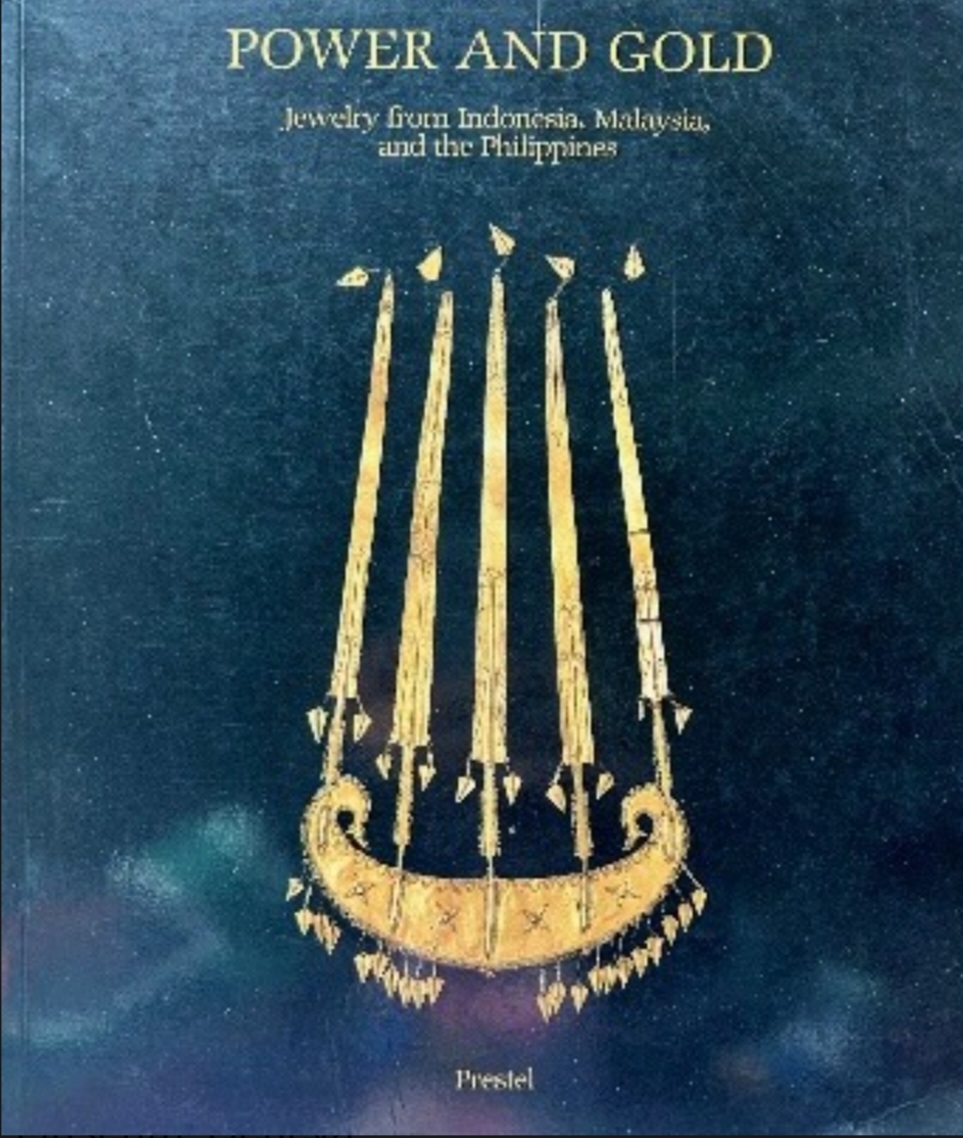
Author: Susan Rodgers, 1988, 370 pgs, (in English), Hardcover
Publisher: Prestell Verlag, Barbier Mueller Museum, Geneva
Power and Gold examines the ethnic jewelry traditions of the Indonesian archipelago beyond Java and Bali, focusing on communities that sustained ritual and mythological practices despite encounters with Islam, Christianity, and European colonialism in the nineteenth and twentieth centuries. Susan Rodgers organizes the study into four sections: the role of ornaments and heirlooms outside classical court societies; the artistic and cultural contexts of Island Southeast Asia; the social and supernatural dimensions of jewelry; and its contemporary significance. The collection encompasses material culture from Nias, North Sumatra, Kalimantan, Sarawak, Central Sulawesi, Flores, Sumba, West Timor, the Moluccas/Tanimbar, Northern Luzon, and Mindanao, offering a comprehensive account of jewelry as both aesthetic expression and social marker.
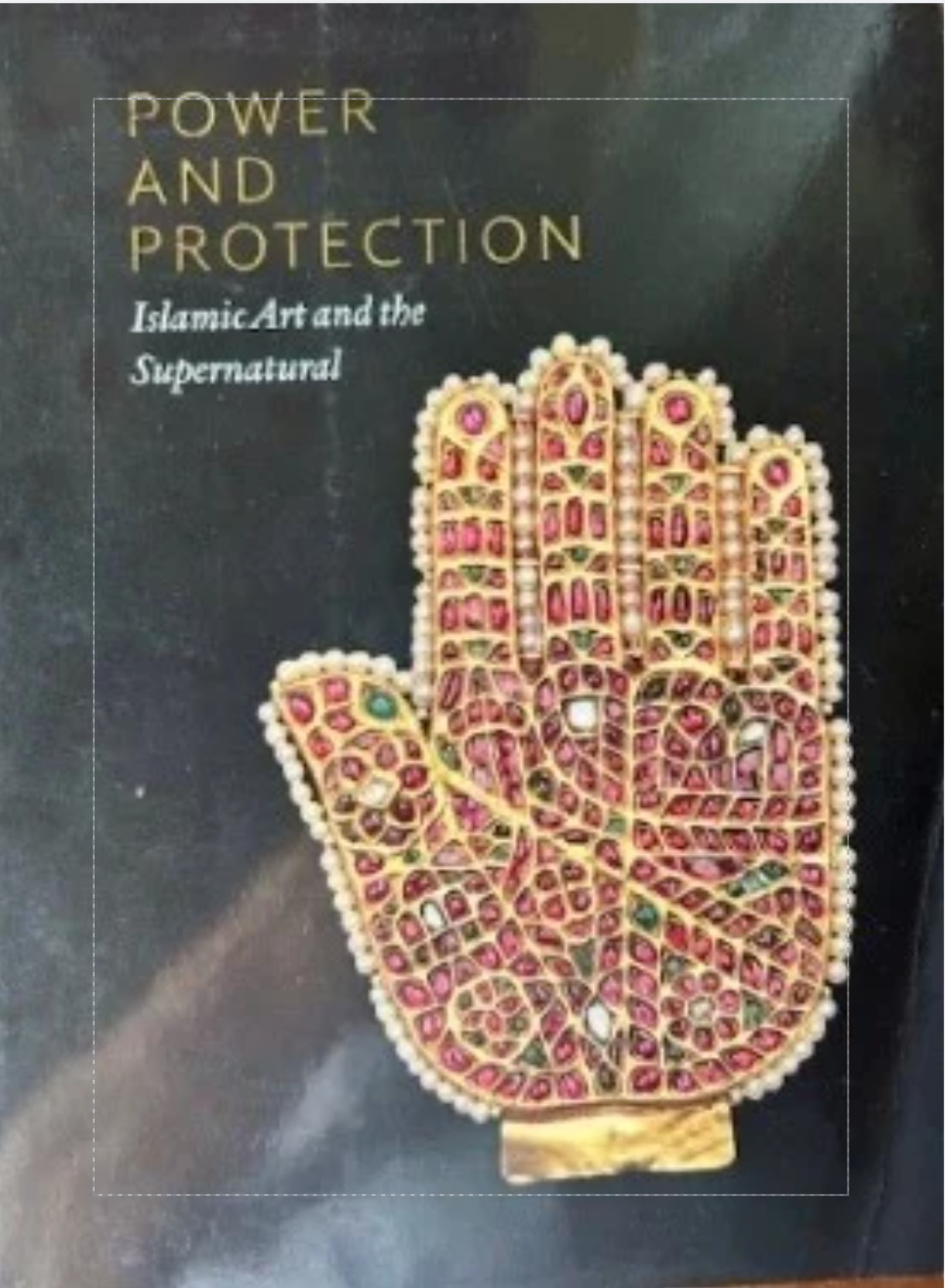
Author: Francesca Leoni et al 2016, 104pg. (English). Softcover. Catalog
Publisher: Ashmolean Museum, University of Oxford, United Kingdom
The volume Power and Protection serves as a scholarly companion to an exhibition that investigated the profound role of divinatory and talismanic practices within the Islamic world from the twelfth through the twentieth centuries. This work illuminates the intricate interplay between spirituality, material culture, and the pursuit of metaphysical guidance, presenting more than one hundred exemplary objects of Islamic art. Among these are astrological charts, dream manuals, amulets, and talismanic garments, each of which functioned as instruments of protection, channels of divine insight, and tangible manifestations of belief. Collectively, these artifacts underscore the enduring significance of esoteric knowledge and protective symbolism in shaping religious, cultural, and intellectual life across centuries of Islamic civilization.
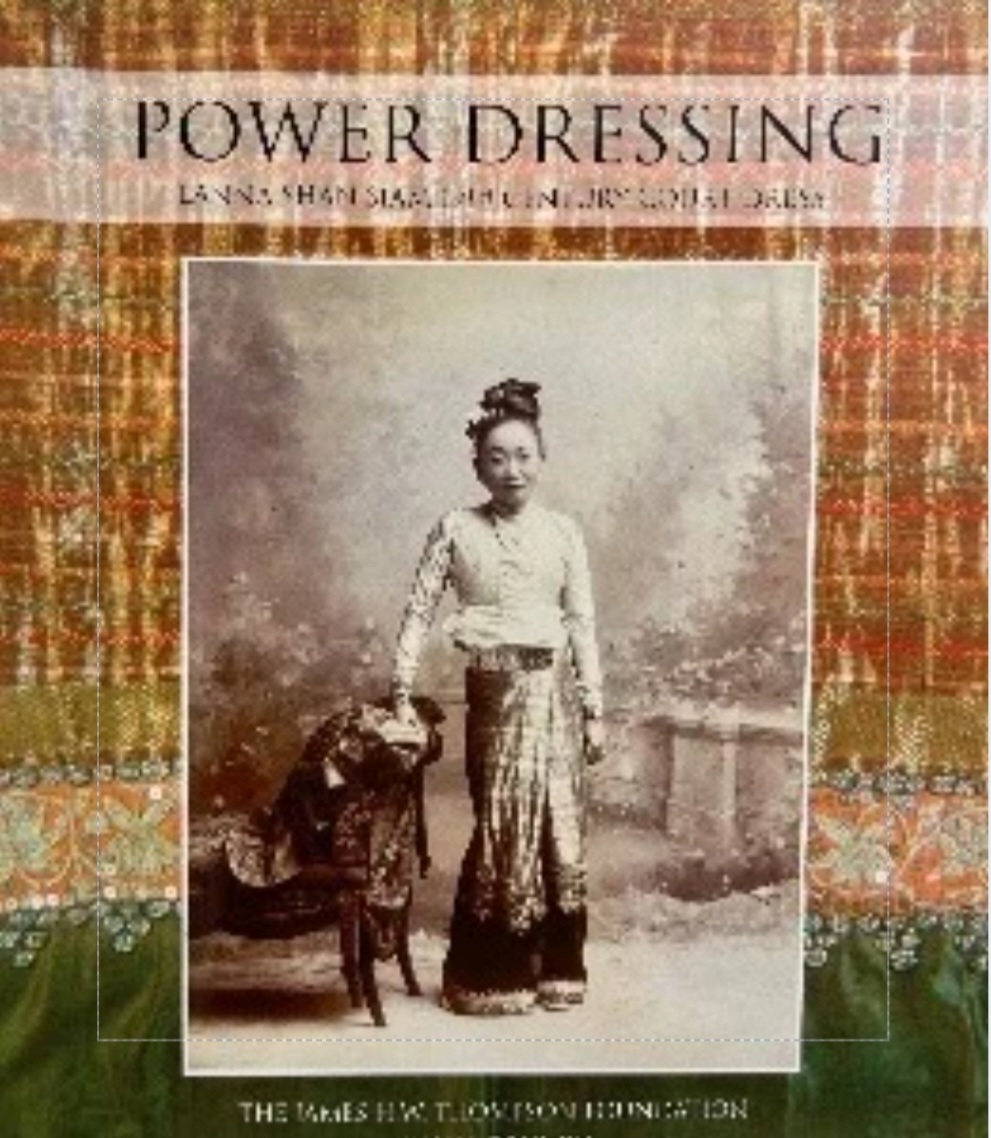
Author: Susan Conway – Editor: Jane Puranananda, 2003. 75pgs. (English). Softcover.
Publisher: The James H.W. Thompson Foundation, Bangkok
The exhibition presents an array of intricately woven and meticulously embroidered textiles, accompanied by regalia of exceptional craftsmanship produced by highly skilled artisans. These objects functioned as symbolic tokens of tribute and as instruments of diplomatic exchange among royal households. The prestige and authority of individual rulers were intimately tied to the adornment and public display of these coveted artifacts, which served not only as markers of status but also as embodiments of political legitimacy and cultural capital.
Page 70 of 108