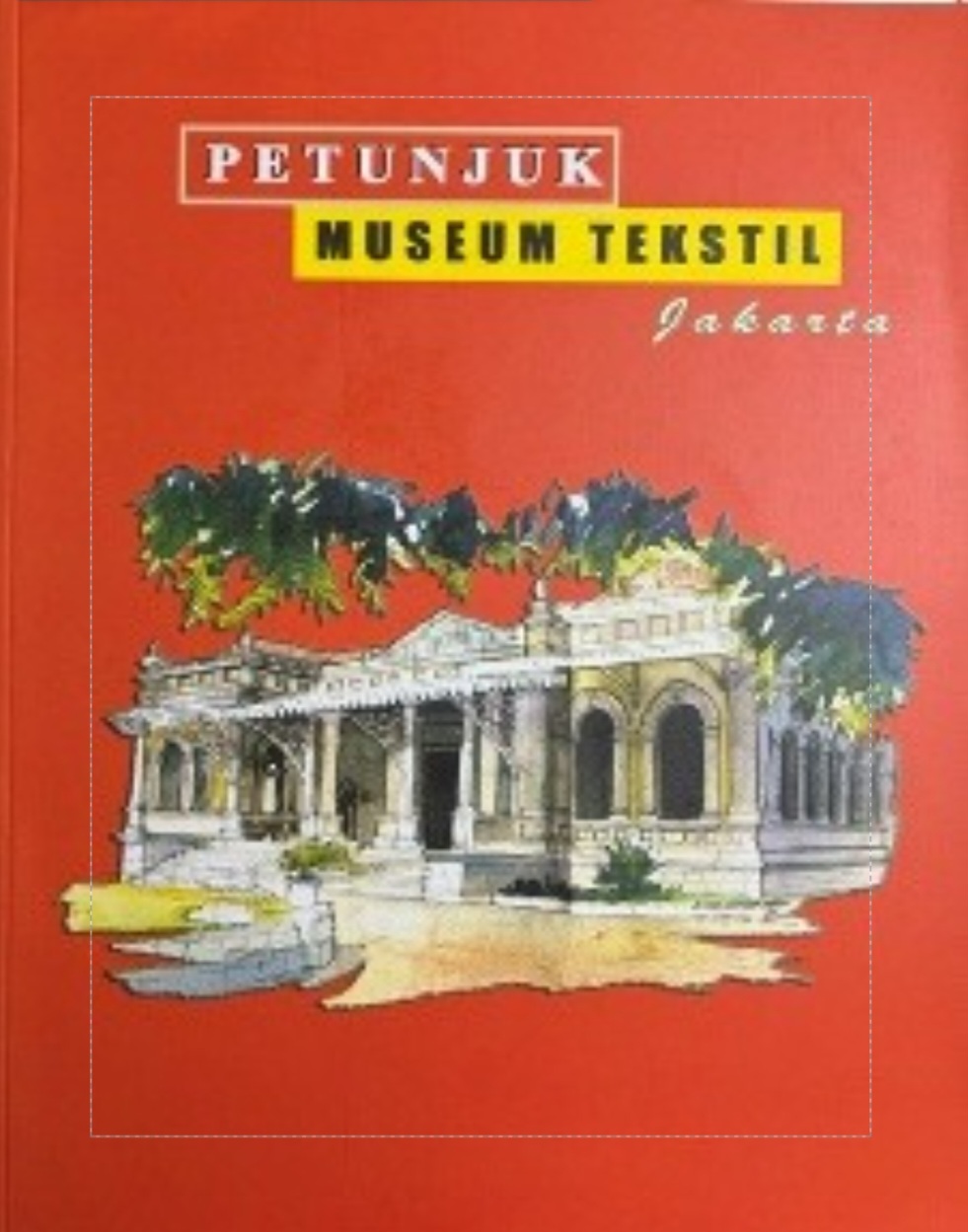
Author: Mis Ari, 2010. 26pgs. (Indonesian). Softcover
Publisher: Museum Teksti, Jakarta
This guidebook, written in the Indonesian language, is designed for visitors to the Textile Museum. It provides a comprehensive overview of the institution, beginning with the historical background of the building itself. The text then explores the museum’s extensive collections, which include traditional batiks, woven textiles, and a variety of ancillary materials such as looms and other weaving apparatus. In addition to documenting the artifacts, the guidebook highlights the museum’s facilities and the diverse range of cultural and educational activities it organizes, thereby situating the Textile Museum not only as a repository of material heritage but also as a dynamic center for the preservation and promotion of Indonesia’s textile traditions.
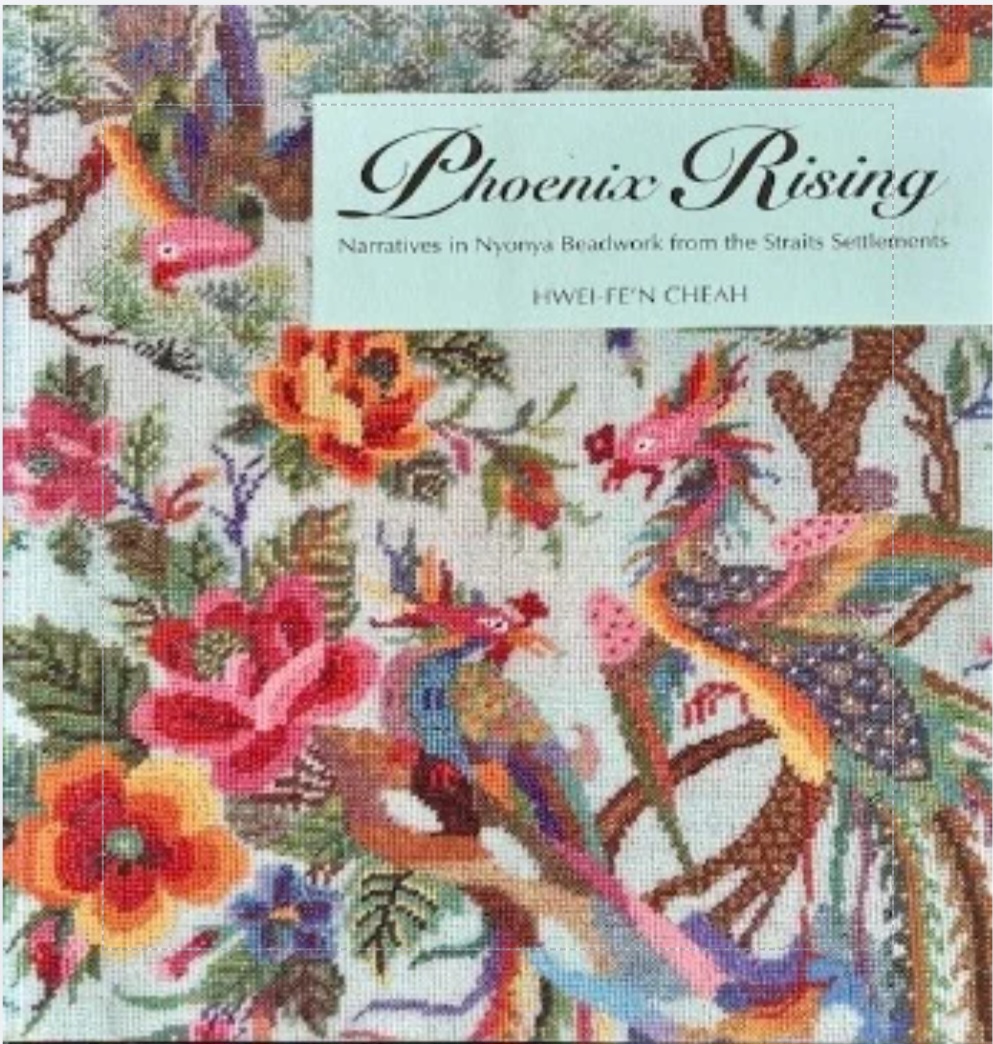
Author: Hwei Fe’n Cheach, 2010. 284pgs. (English). Softcover.
Publisher: National University of Singapore (NUS)
Intricate, meticulously executed, and visually distinctive, Nyonya beadwork occupies a pivotal position within the cultural imagination of the Peranakan Chinese—the acculturated descendants of Chinese migrants to the Malay Peninsula and the Indonesian archipelago. Drawing upon private and institutional collections in Singapore, Malaysia, Australia, Europe, and the United States, this volume presents a rigorous art-historical inquiry into the aesthetic and social dimensions of Nyonya beadwork. The author interrogates its multifaceted social functions, as well as the transformations in form, style, and iconography, to illuminate the evolving articulations of Peranakan Chinese identity as the community negotiated modernity, gendered expectations, and ancestral heritage during the late nineteenth and early twentieth centuries. These shifting expressions continue to inform contemporary conceptions of Peranakan culture.
Author: Hwei-Fe’n Cheah, 2010. 384pg. (English)
Publisher: NUS Press, Singapore
Beadwork is an essential skill for Peranakan Chinese girls, prominently featured in weddings and significant events that resonate throughout the community. Nyonya beadwork is not just a craft; it is a fundamental aspect of the Peranakan social hierarchy, embodying the community's evolving ideals and lifestyles. The history of Nyonya beadwork powerfully illustrates the cultural transformation of the Peranakan Chinese community.
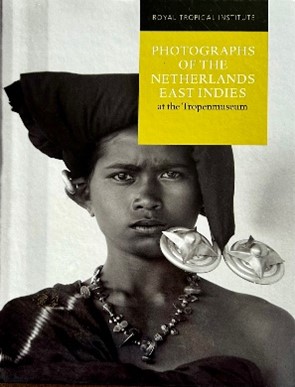
Author: Janneke van Dijk et al., 2012. 152pg. (English)
Publisher: KIT Publishers – Tropen Museum, Amsterdam
This book offers an overview of one of the world's most significant collections of colonial photography and is the fourth in a series about the Tropen Museum. Featuring over 120 full-color photographs, it explores the changing attitudes toward the collection over the past 150 years and its various uses by the museum.
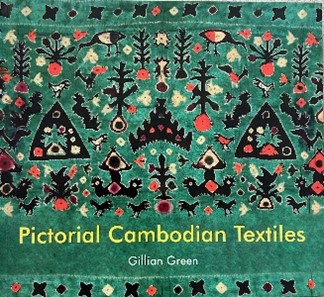
Author: Gillian Green, 2008. 163pg. (English)
Publisher: River Books, Bangkok
Cambodian silk textiles stand out as unique examples in mainland Southeast Asia, with antique pieces prominently featuring detailed Theravada Buddhist themes. Additionally, a distinct style showcases imagery of a bird, snake, and tree of life, rooted in a different tradition. Research firmly establishes that these textiles symbolize the celebrations held at the end of the rainy season in Cambodia.
Page 68 of 108