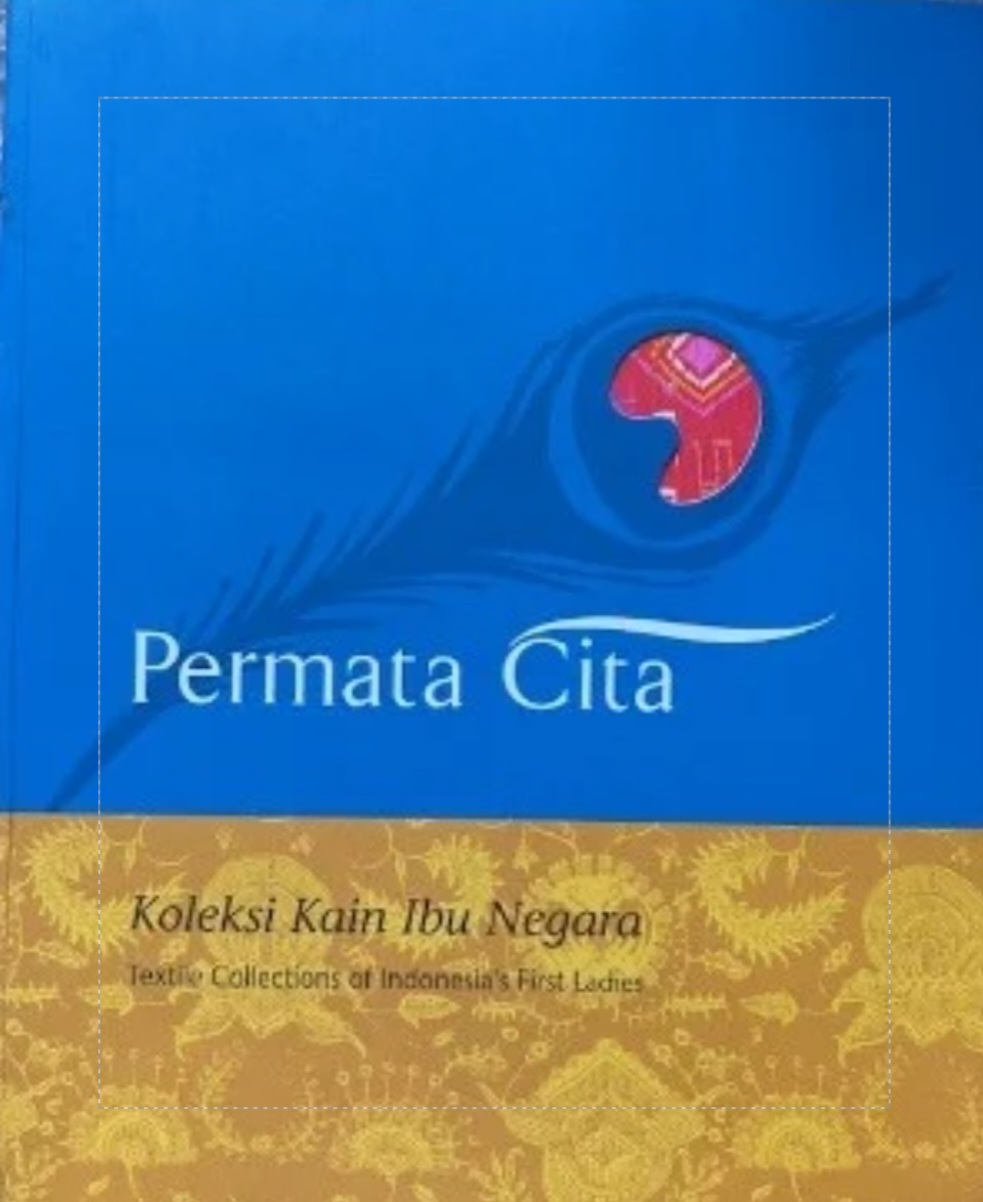
Author: Editorial team, 2003, 237pg. (English). Softcover
Publisher: Himpunan Wastraprema, Jakarta
This volume was published by the Indonesian Traditional Textile Society (Wastraprema) to accompany an exhibition dedicated to the rich heritage of Indonesia’s traditional textiles, specifically those preserved within the collections of the nation’s First Ladies. The exhibition features textiles from the collection of the then-President of the Republic of Indonesia, Ibu Megawati Soekarnoputri, alongside pieces belonging to her mother, First Lady Ibu Fatmawati Soekarno. It further encompasses works from the collections of First Lady Ibu Siti Hartinah Soeharto, First Lady Dr. Hasri Ainun Habibie, and First Lady Ibu Sinta Nuriyah Abdulrahman Wahid. In addition, the exhibition presents textiles curated from the collections of the spouses of Indonesia’s Vice Presidents, including Ibu Rahmi Hatta, Ibu Nelly Adam Malik, Ibu Karlinah Umar Wirahadikusumah, Ibu E.N. Sudharmono, Ibu Tuti Tri Sutrisno, and Ibu Nani Hamzah Haz. Complementing the visual display, the book incorporates essays contributed by distinguished Wastraprema members: Elsie Soenarya, Neneng Iskandar, Nian Djoemena, Noes Moeljanto Djojomartono, and Judy Soemarsono. These writings provide critical perspectives that enrich the historical and cultural significance of the exhibition.
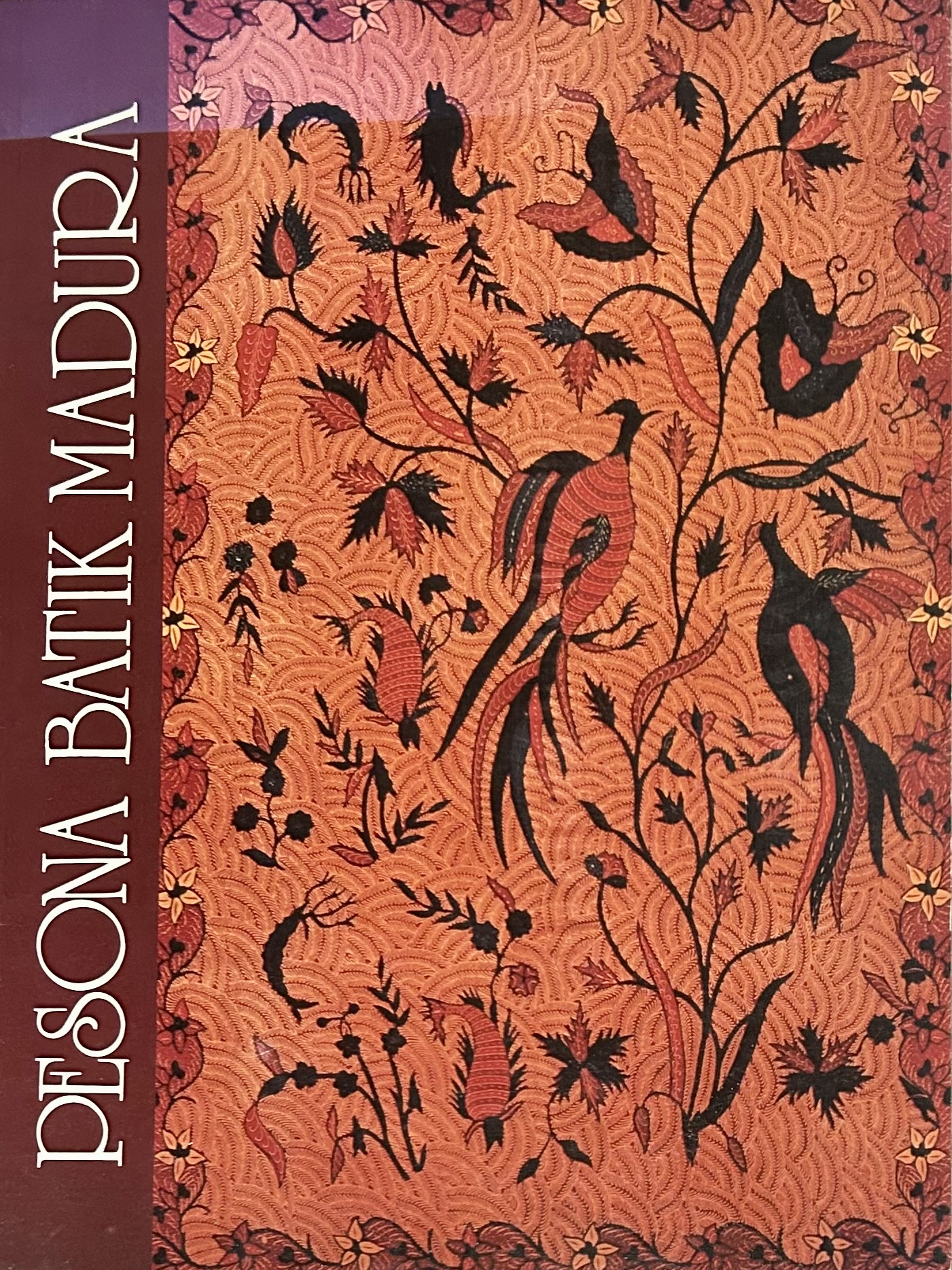
Author: Kartina Prawirabisma, et al, 1985. 44pg. (Indonesian)
Publisher: Himpunan Pecinta Kain Tenun dan Batik Indonesia, Wastraprema, Jakarta
This is Himpunan Wastraprema’s first catalog focused on Madurese Batik. It highlights unique pieces from the collections of Ms. Irma Safioen, Nian Djoemena, and Mrs. Hasnah Gasim, detailing the characteristics, names, and color palettes of coastal Madurese Batik. It also includes a list of Guri or back-drop fillers (isen-isen), which will later be featured in the 1999 book "Batik: The Spirit of Indonesia."
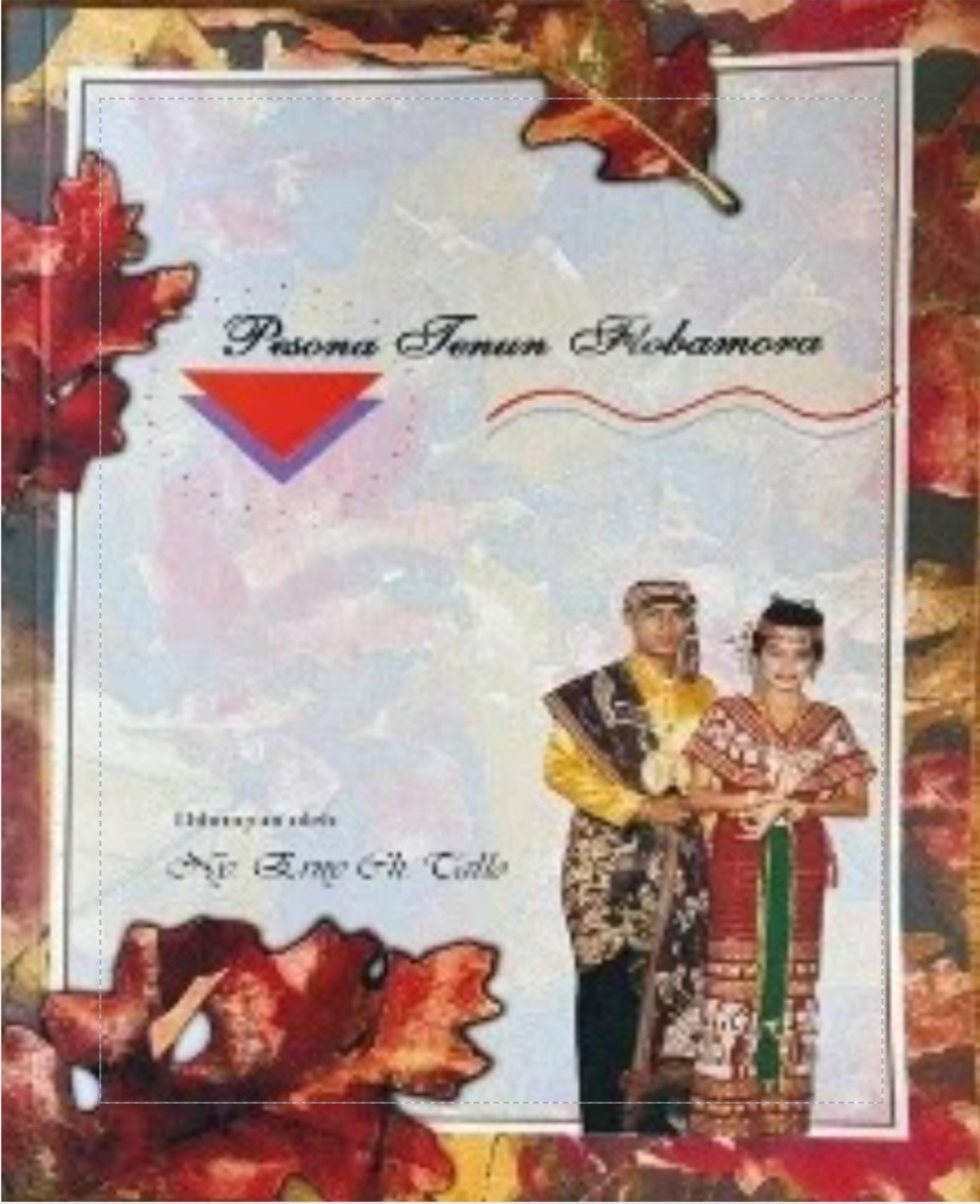
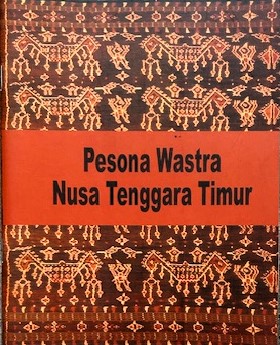
Author: Erny Ch. Tallo, 2003, 163pgs. (Indonesian). Softcover
Publisher: Tim Penggerak PKK & DEKRANASDA, Prov. NTT
The book offers a comprehensive exploration of textile traditions in East Nusa Tenggara, beginning with an in-depth presentation of the ikat process, alongside the distinctive Buna and songket weaving techniques. It carefully examines the materials employed in weaving, the construction and use of traditional looms, and the diverse range of natural and synthetic dyes that impart color and symbolism to the cloth. Beyond technical aspects, the author underscores the cultural functions of woven textiles within East Nusa Tenggara society, situating them as both utilitarian objects and carriers of ritual, social, and aesthetic meaning. The narrative also maps the geographical distribution of these practices, highlighting the specific regions where each technique flourishes. In the second part, the author curates an extensive survey of the province’s woven heritage, showcasing exemplary works from the capital city of Kupang and fourteen regencies across East Nusa Tenggara. This section not only documents the diversity of weaving styles but also illuminates the regional identities and cultural narratives embedded within each textile tradition, thereby affirming weaving as a vital expression of collective memory and artistry in the province. This version elevates vocabulary (“comprehensive exploration,” “curates an extensive survey,” “affirming weaving as a vital expression”) and expands ideas about cultural significance, symbolism, and regional identity.
Author: Sri Sintasari (Neneng) Iskandar, 2012. 32pg. (Indonesian)
Publisher: Musium Tekstil Jakarta
The catalog for the East Nusa Tenggara (NTT) textile exhibition at the Jakarta Textile Museum features textiles from Ibu Yo Seda’s distinguished collection. The exhibition includes a fashion show by Ratna Busana that showcases the vibrant art of padu-padan—mixing and matching—of weavings from East Nusa Tenggara and textiles from other Indonesian regions.
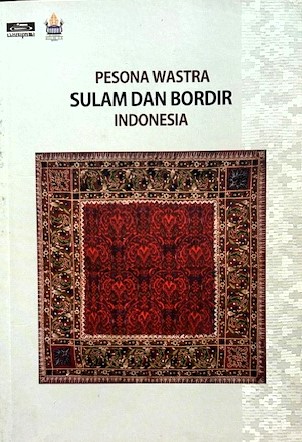
Author: Sri Sintasari (Neneng) Iskandar, 2019. 58pg. (Indonesian).
Publisher: Himpunan Wastra Prema, Musium Seni Jakarta
This catalog printed on the occasion of the 43th anniversary of Himpunan Wastraprema featuring an exhibition with the same title showcases the different techniques of embellishing textiles through hand- or machine-embroidery.
Page 67 of 108