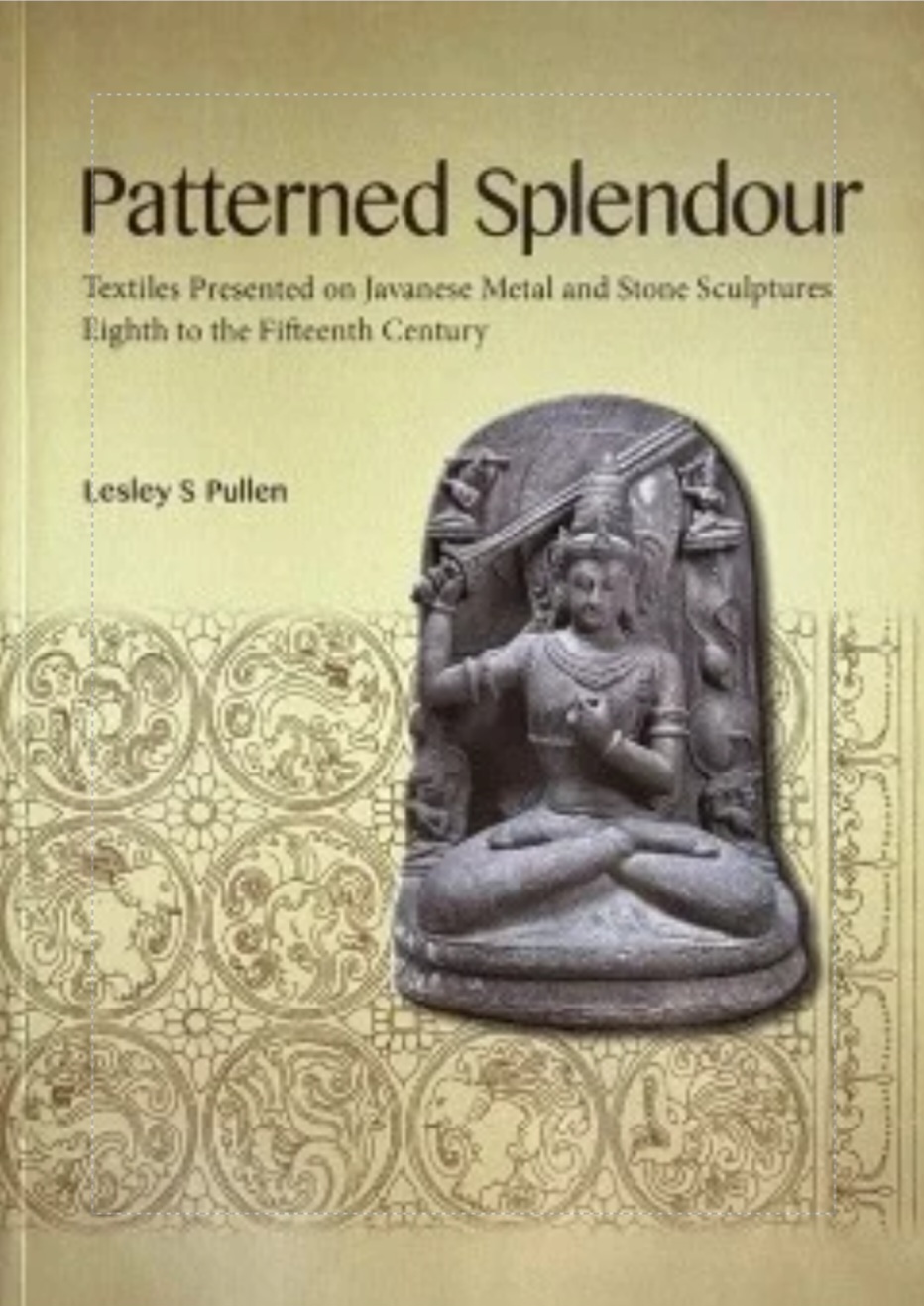
Author: Lesley S. Pullen, 2021. 308pgs. (English). Softcover
Publisher: ISEAS Publishing - Yusof Ishak Institute, Singapore
A substantial corpus of free-standing figurative sculpture from Java, dating between the 8th and 15th centuries, depicts garments adorned with highly elaborate textile motifs. These extant works—executed in stone and metal—exhibit considerable variation in scale and condition, and are distributed across archaeological sites and museum collections both within Indonesia and internationally. The island’s equatorial climate has precluded the survival of textiles from this period; thus, the sculptural representations of patterned fabrics constitute an indispensable proxy for reconstructing the material culture of dress. This study advances the argument that such representations provide a rare and critical lens through which to apprehend the aesthetic and technical sophistication of textiles circulating in Java during this era. The present volume contributes to the historiography of Southeast Asian textiles by offering the first comprehensive catalogue of this sculptural corpus. It further develops a typological framework that systematically classifies the textile patterns represented, thereby facilitating comparative analysis across chapters. The author’s extensive regional expertise, combined with sustained collaboration with local communities and scholars, underscores the timeliness of this work. Beyond its art-historical significance, the study foregrounds urgent concerns regarding the preservation of these sculptures and the cultural contexts in which they were produced, exchanged, and utilized. The inclusion of detailed drawings enhances the interpretive dimension of the text, providing visual clarification that will serve scholars and students in art history, religious studies, and area studies alike.

Author: John Guy, Theresa McCullough, Ruth Barnes. 2022, 248 pg. (in English)
Publisher: Asian Civilization Museum, Singapore.
The book, inspired by the 2012 exhibition titled “Patterns of Trade: Indian Textiles for Export,” explores the history of textile production in South Asia, including trade in southern and southeastern Asia, as well as Japan, from the fifteenth to the nineteenth century. This long-awaited work features over 150 early Indian textiles, with 70 pieces showcased in the original exhibition. "Patterns of Trade" is an excellent reference for scholars studying early Indian trade cloths
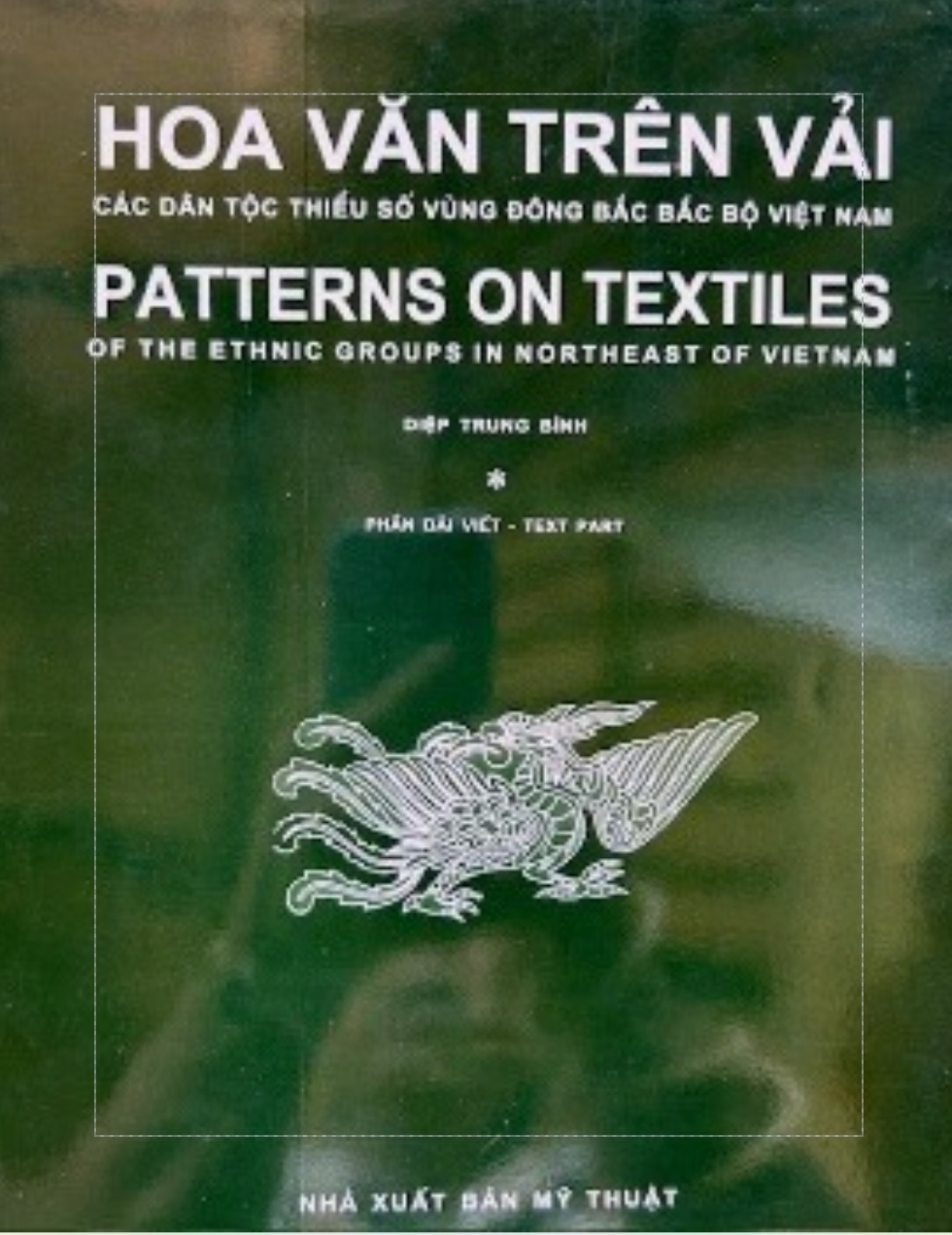
Author: Diep Trung Binh, 2003, 127pg. (Vietnamese & English). Softcover. Both volumes in sleeve
Publisher: Na Xuat Ban My Thuat, Hanoi, Vietnam
The first volume, distinguished by its green front cover, contains the accompanying textual analysis and explanatory commentary that correspond to the illustrations and figures presented in the second volume, which is marked by a red cover. Together, these two volumes form a complementary set: the former providing interpretive context, while the latter offers the visual material essential for a comprehensive understanding of the work.
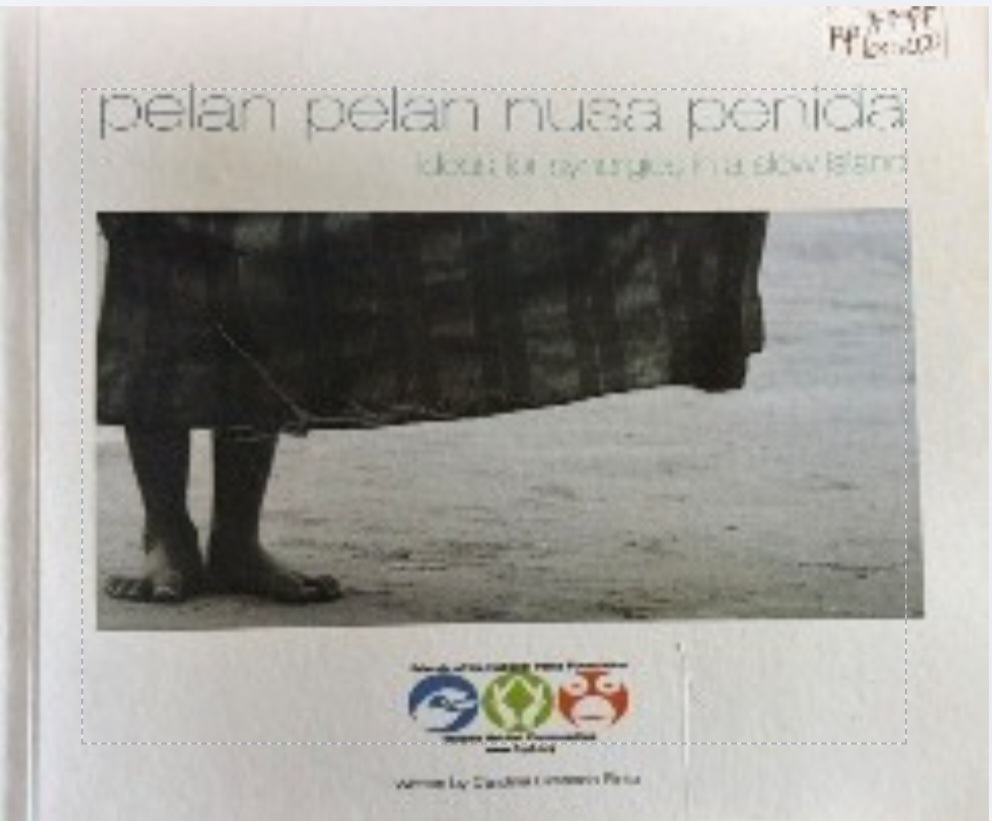
Author: Carolina Granado Pinto, 2012. 87pgs. (English). Softcover
Publisher: Friends of the National Parks Foundation, Wildlife Habitat Communities
The booklet springs from the pen of a gifted storyteller and visionary social entrepreneur, the founder of Mobapi—a movement devoted to awakening the human capacity to dream and to weave creative synergies that ripple outward toward a more luminous world. Pelan Pelan Nusa Penida is not merely a guide; it is a gentle invitation to wander slowly, to let the island reveal itself in whispers rather than declarations. It acquaints the traveler with the people of Nusa Penida, their ancestral culture, and the cadence of their daily lives. It lingers over the artistry of their weavings, the shimmer of beaches where the sea breathes against the shore, the vibrancy of local art, and the profound spirituality that permeates their existence. Everything unfolds at a deliberate pace—an ode to slowness, where each encounter becomes a meditation, each detail a revelation. In this rhythm of “pelan pelan,” the traveler is invited not simply to observe but to dwell, to listen, and to be transformed by the island’s quiet poetry.
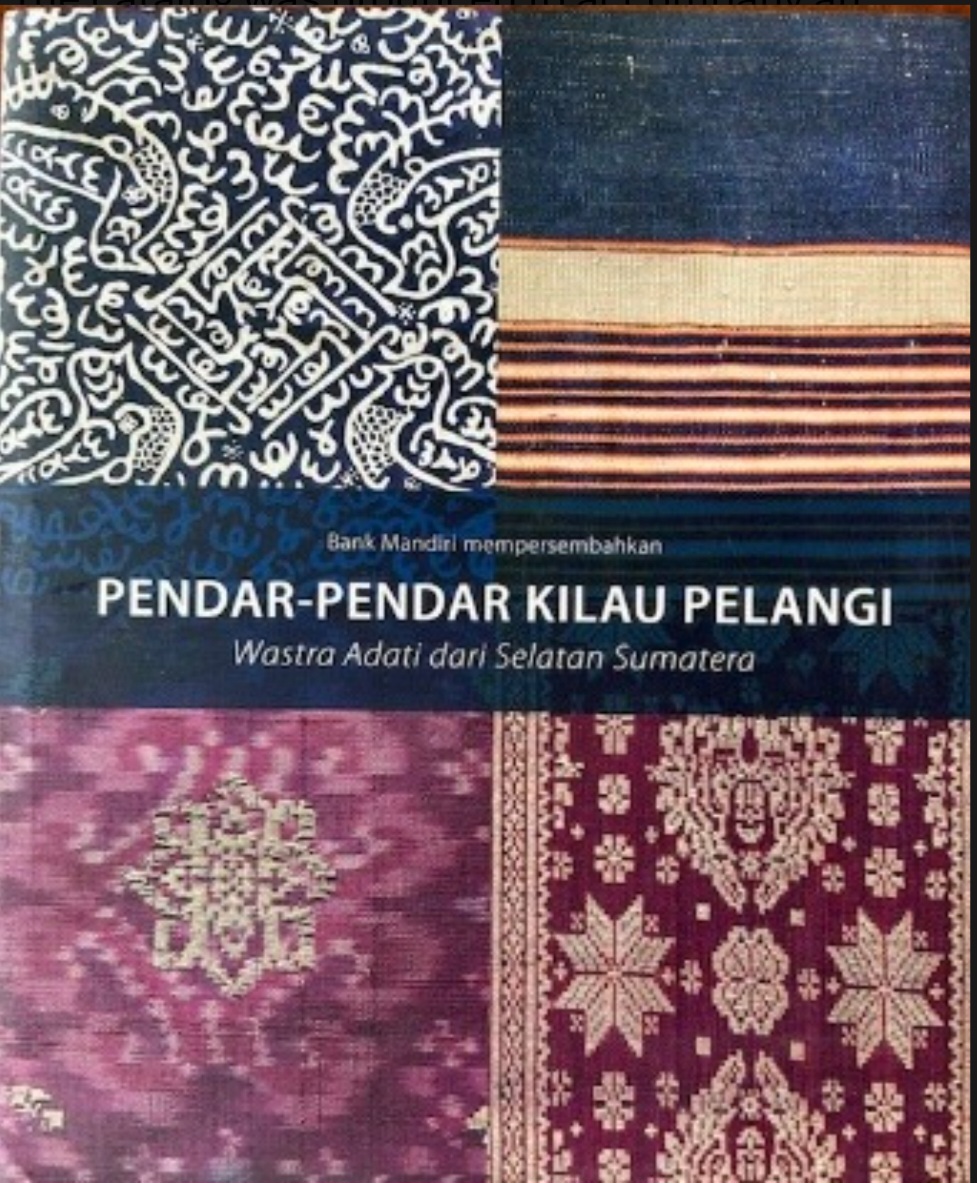
Author: Herman Jusuf, Virginia Rusli, editor, 2012. 120pg. (Indonesian). Hardcover
Publisher: Livimbi Media, Jakarta
This coffee-table volume was commissioned by Bank Mandiri as a cultural initiative to illuminate the rich textile traditions of South Sumatra. The work showcases the artistry of master weavers and craftspeople from diverse regions, including Jambi, Bengkulu, Lampung, and Palembang, thereby underscoring the distinctive aesthetic heritage and artisanal techniques embedded within each locality.
Page 65 of 108