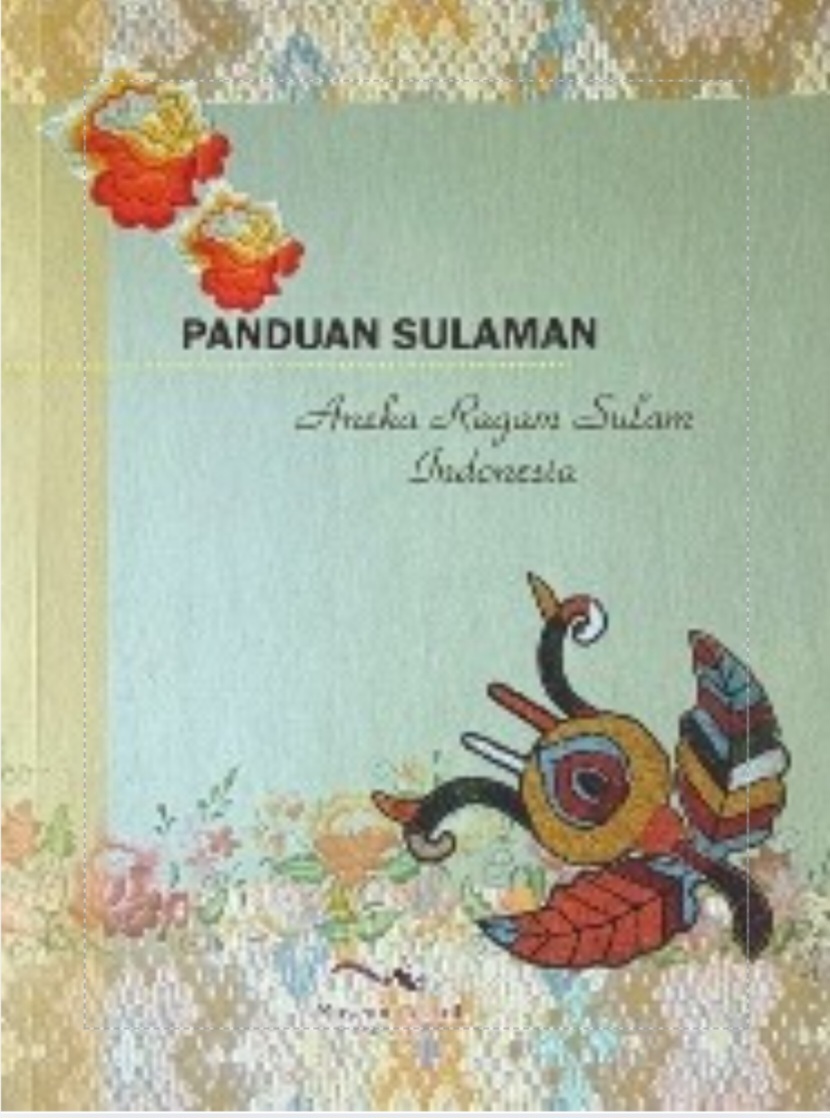
Author: Benny Gratha, 2014. 43pgs. (Indonesian). Softcover
Publisher: Museum Tekstil, Jakarta
This booklet presents a curated selection of Indonesian embroidery stitches and techniques, each employed to embellish traditional textiles through the artistry of handwork with thread and needle—eschewing the use of mechanical devices. The embroidery stitches in this booklet—running stitch, satin stitch, kapalosamek, suji papan, trawang, among others—are not merely technical devices but historical testimonies. They embody Indonesia’s long engagement with global trade routes, from the Indian Ocean exchanges of the Srivijaya era to the colonial influx of European cottons. Each stitch carries echoes of ritual, hierarchy, and cosmology, while simultaneously reflecting adaptation and resilience in the face of external influences. By situating these techniques within their historical trajectory, the booklet underscores embroidery as both a craft and a chronicle of Indonesia’s cultural evolution. Each technique is meticulously explained and accompanied by illustrative examples, offering both technical guidance and cultural insight into the decorative language of Indonesian textile traditions.
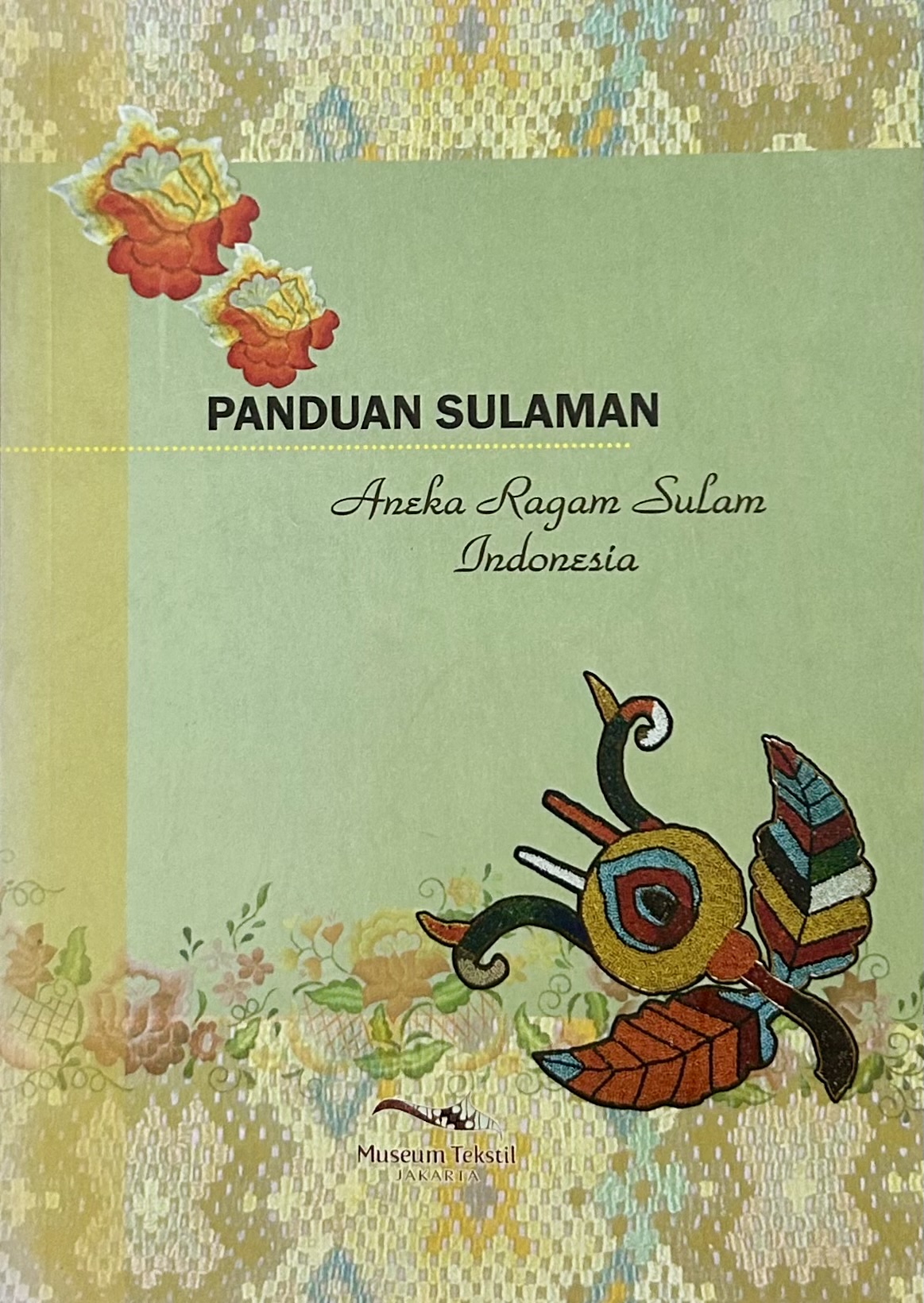
Author: Benny Gratha, 2014. 43pg. (Indonesian)
Publisher: Musium Tekstil Jakarta
It is a well-established fact that traders from China and India introduced embroidery to Indonesia, with its roots going back to 30,000 B.C. Archaeological evidence shows that clothing from that period was intricately hand-stitched and decorated. The "Embroidery Guide" is an essential resource for beginners, clearly presenting various stitches and their names in Bahasa Indonesia.
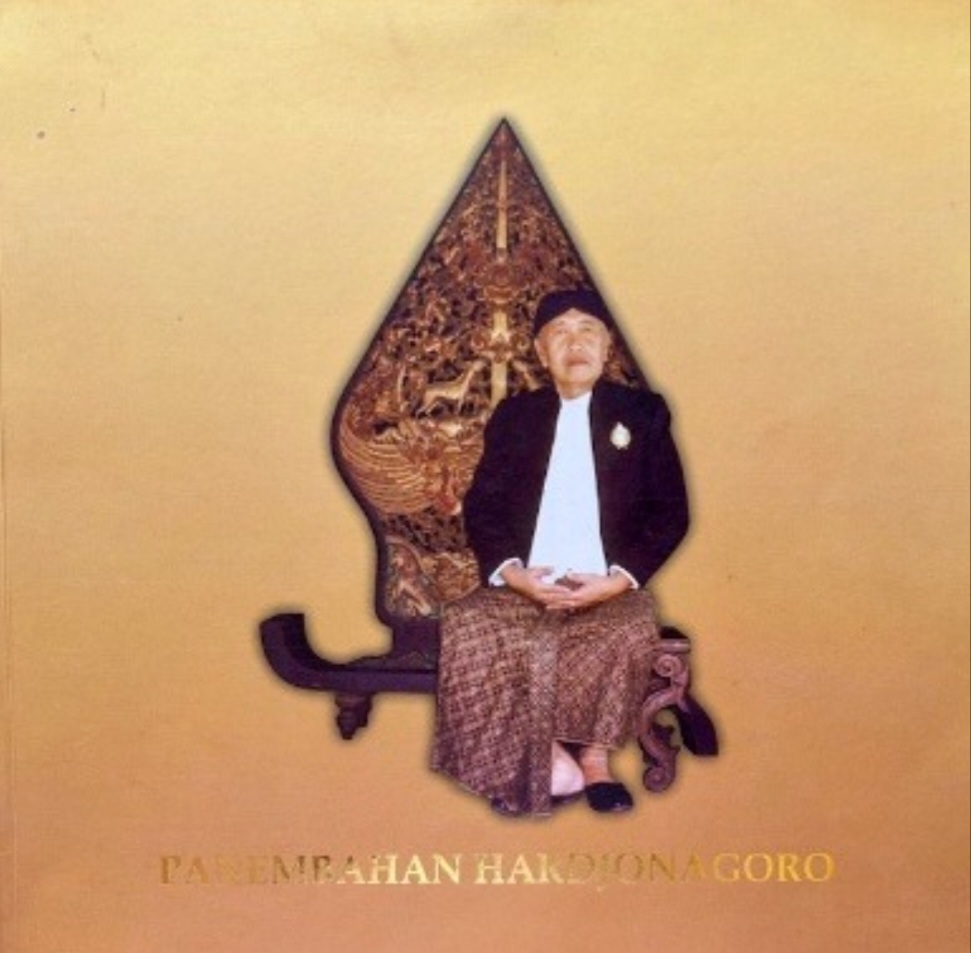
Author: Unknown, no year, no pagenumbers. (Indoneisan & Javanese) Softcover
Publisher: P.T. Solo Murni, Surakarta
The book presents a comprehensive profile of Panembahan Hardjonagoro, illuminating his formative years, familial lineage, and distinguished contributions to Javanese cultural heritage. It highlights his dual expertise as both a batik artisan and a keris connoisseur, underscoring his pivotal role in preserving and advancing traditional Indonesian artistry. In addition, an insightful essay authored by Rustopo supplements the narrative, offering further contextual analysis and nuanced perspectives on the life and legacy of this eminent maestro of batik. This expanded portrayal not only situates Hardjonagoro within the broader historical and cultural framework of Java but also emphasizes the enduring significance of his craftsmanship. His mastery of batik and keris is depicted not merely as artistic practice, but as a profound embodiment of cultural identity, aesthetic philosophy, and spiritual symbolism.
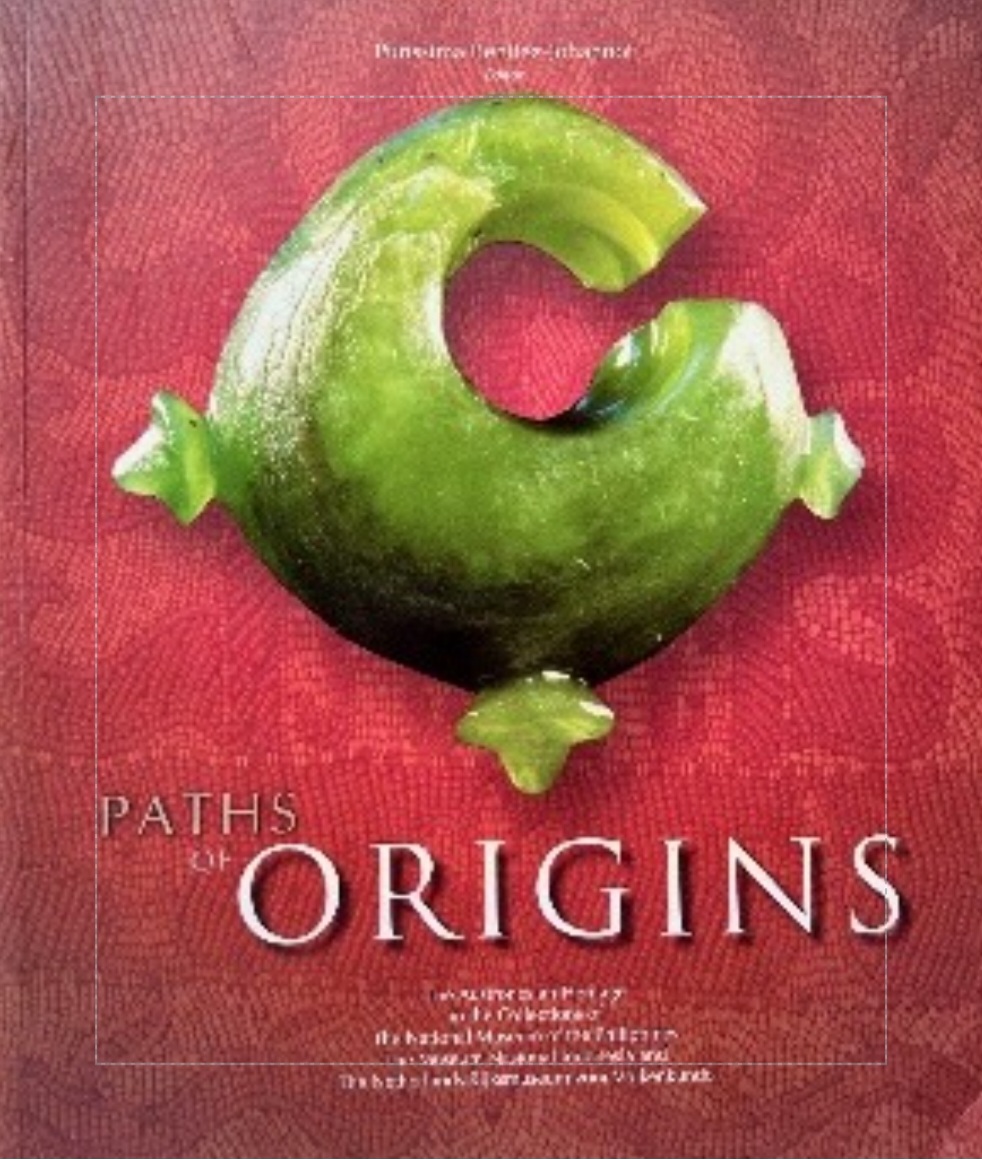
Author: Purissima Benitez Johannot (Editor). 2011, 279 pgs. (In English), Hardcover
Publisher: ArtPostAsia Pte Ltd., Manila
This distinguished volume illuminates the Austronesian heritage of Southeast Asia, drawing upon the collections of the National Museum of the Philippines, the Museum Nasional Indonesia, and the Rijksmuseum voor Volkenkunde in the Netherlands. From Taiwan jade unearthed in the Philippines—testimony to three millennia of trade and long-distance exchange—to Dongson bronzes dispersed across the Indonesian archipelago, and maritime iconography reflecting Austronesian conceptions of the afterlife, the book presents a sweeping panorama of cultural interconnections. It assembles contributions from eminent scholars, weaving together a comparative study of Austronesian traditions and underscoring kinships expressed through stone, architecture, textiles, and looms throughout the region. Over the past four decades, our comprehension of Southeast Asian prehistory has undergone profound transformation. Archaeological research has established incontrovertible links among the peoples of the Philippines, Malaysia, Madagascar, Indonesia, the Pacific Islands, and mainland Southeast Asia. More recent advances in historical linguistics and molecular genetics have furnished approximate chronologies for the rapid dispersal of communities often described by archaeologists as colonizing farmers. This publication, however, directs its focus toward art and artifacts—enduring witnesses to the shared heritage and interconnectedness of Austronesian societies that continue to resonate today.
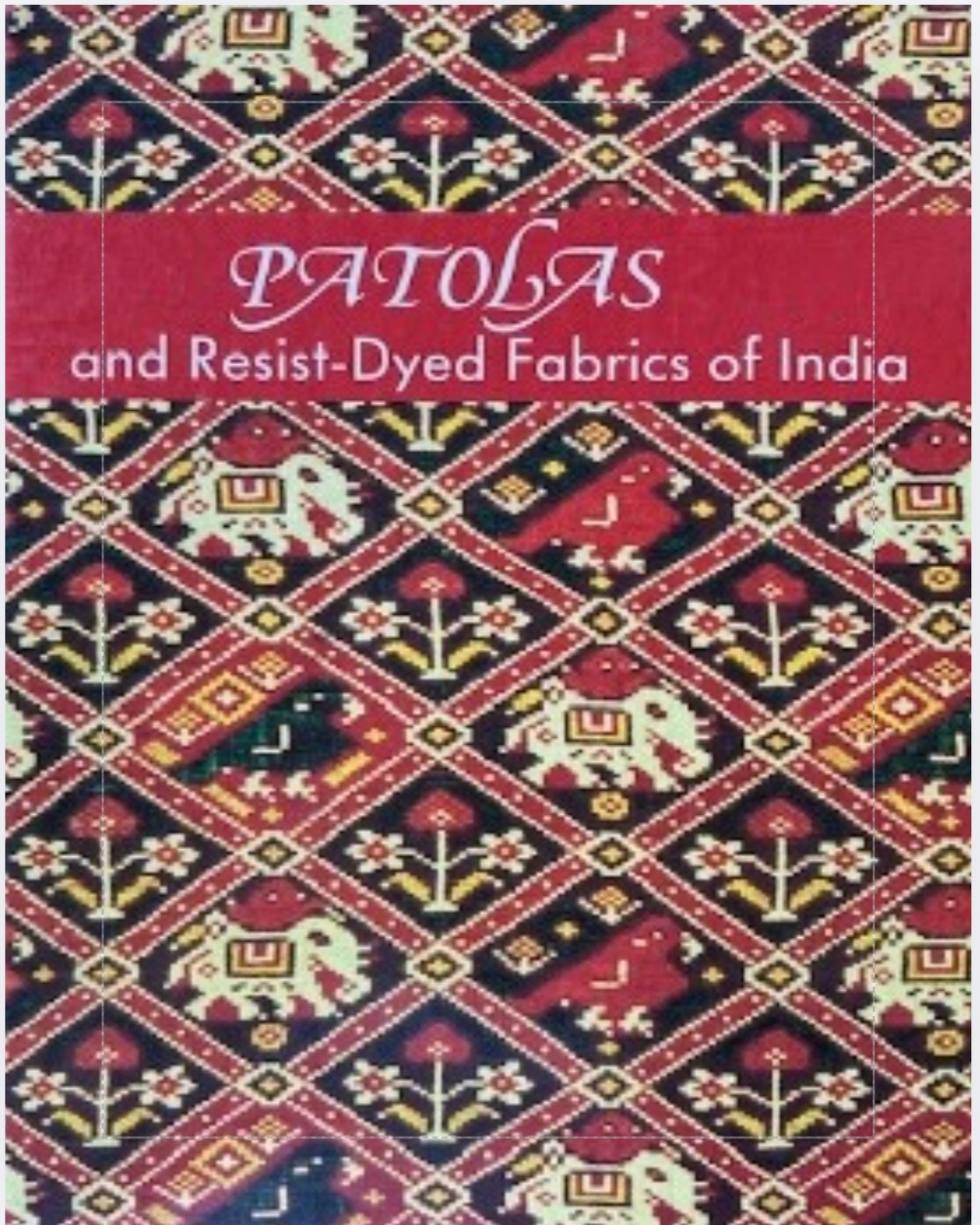
Author: Mrinalini Sarabhai, 1988, 64pg. (English). Softcover
Publisher: Grantha Corporation, New Jersey, USA
The catalog was published in conjunction with an exhibition entitled “The Voyage of a Cloth”, held at Bank Duta, Jakarta, from 27 January to 2 February 1988. Iwan Tirta created the exhibition, and Jasleen Dhamija provided the captions. This catalog has become a reference book for Indian Trade Cloths in the archipelago.
Page 64 of 108