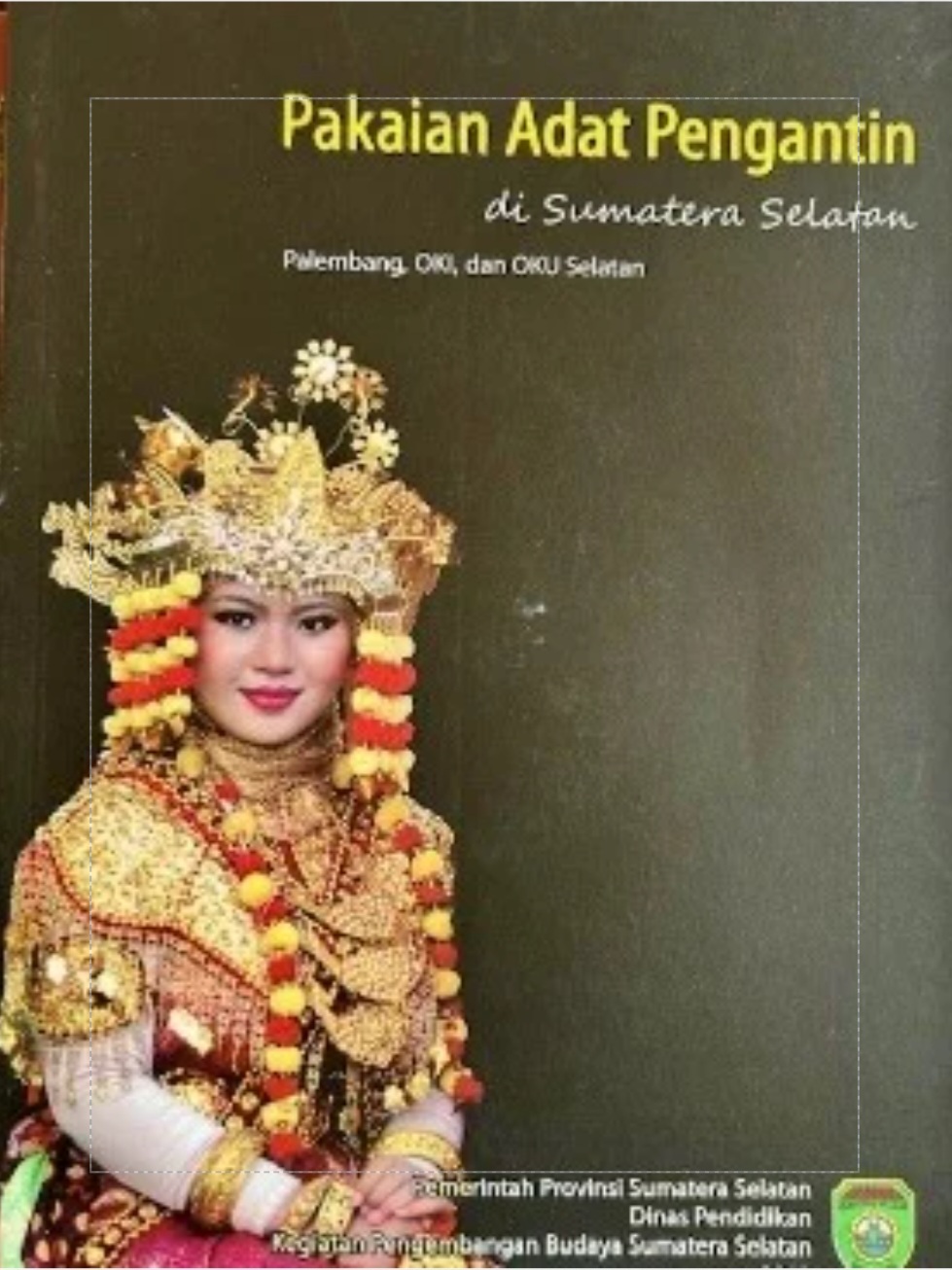
Author: Yudhy Syarofie, 2013. 49 pgs. Including a floppy disc. (Indonesian). Soft cover.
Publisher: The Regional Education Office, Province of South Sumatra.
Based on research, traditional costumes originate from the Palembang kingdom (1587-1659) and from the Palembang Darussalam Sultanate (1564-1823). The authors mention several types of bridal costumes such as AESAN Gede for royalty and AESAN Penganggon or Pak Sangkong, a more closed costume as prescribed by the Muslim faith. The book gives a glimpse into the traditional bridal wear of South Sumatra, specifically the Palembang area, and the Ogan Komering Ilir and Ulu.
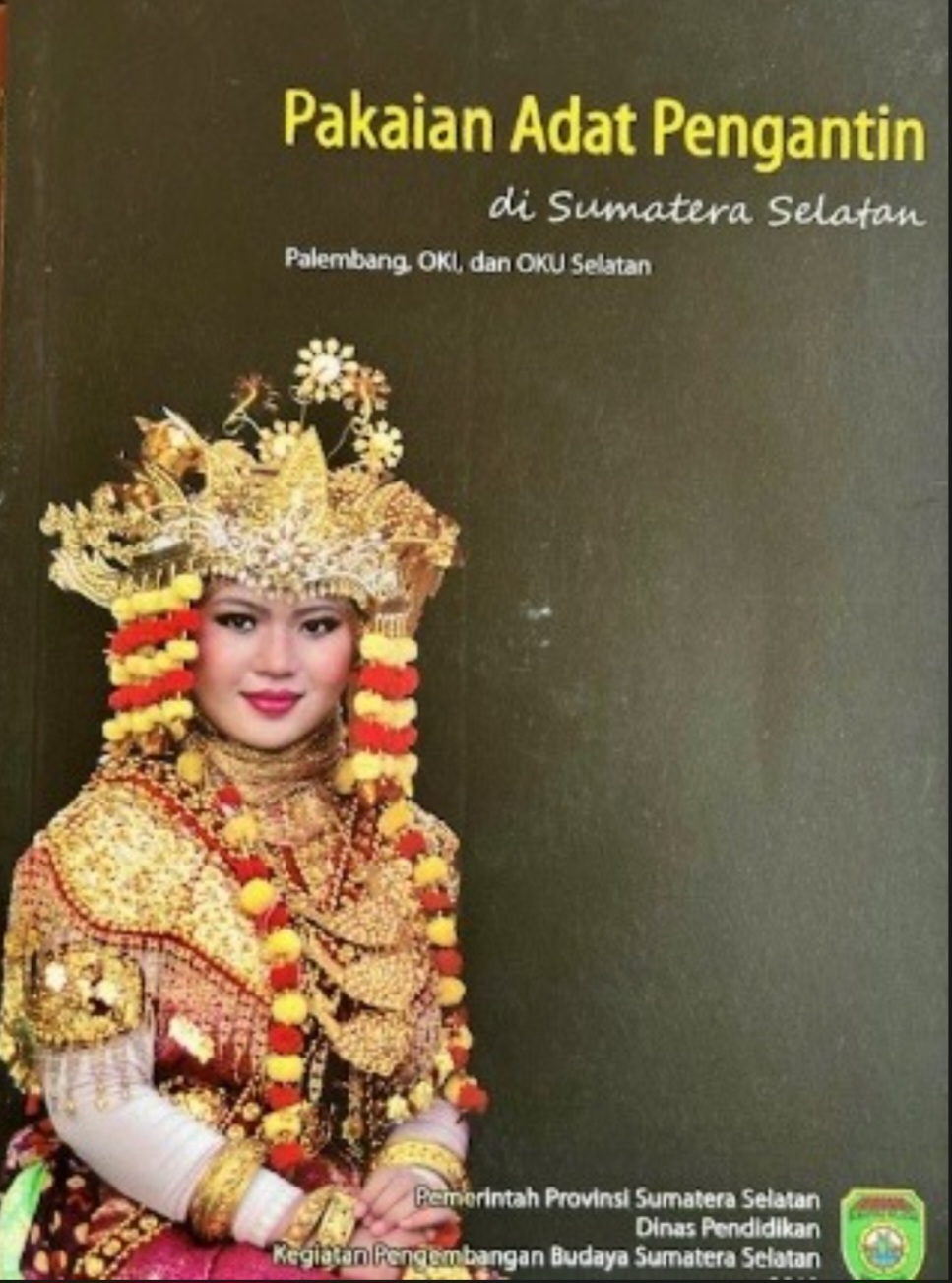
Author: Yudhie Syarofie, 2013. 49pgs (Indonesian). Softcover
Publisher: Dinas Pendidikan, local Government of South Sumatra Province, Palembang
This volume constitutes a seminal contribution to the study of traditional attire in South Sumatra, with particular emphasis on the regal ensembles of Palembang. The author foregrounds two distinguished ceremonial costumes—Aesan Gede and Aesan Pak Sangko—each embodying profound philosophical symbolism and historical resonance within the cultural matrix of Palembang society. The text underscores the opulence of these garments, accentuated by resplendent gold ornamentation and the dominant chromatic presence of red, a hue long associated with vitality and prestige. Notably, the Aesan Pak Sangko ensemble reveals a pronounced Islamic influence, reflective of the Palembang Sultanate’s historical role as a locus of Islamic authority and cultural synthesis. The book is enriched by meticulously composed photographic documentation, which captures the costumes in their entirety—from the songket lepus serving as the hip wrapper, to the ornate crown (tebeng malu) and the lotus-inspired breast covering (teratai). Beyond Palembang’s canonical wedding attire, the author also delineates regional variations, tracing continuities and divergences across the regencies of Ogan Komering Ilir and Ulu, thereby situating the costumes within a broader ethnographic and geographical framework.
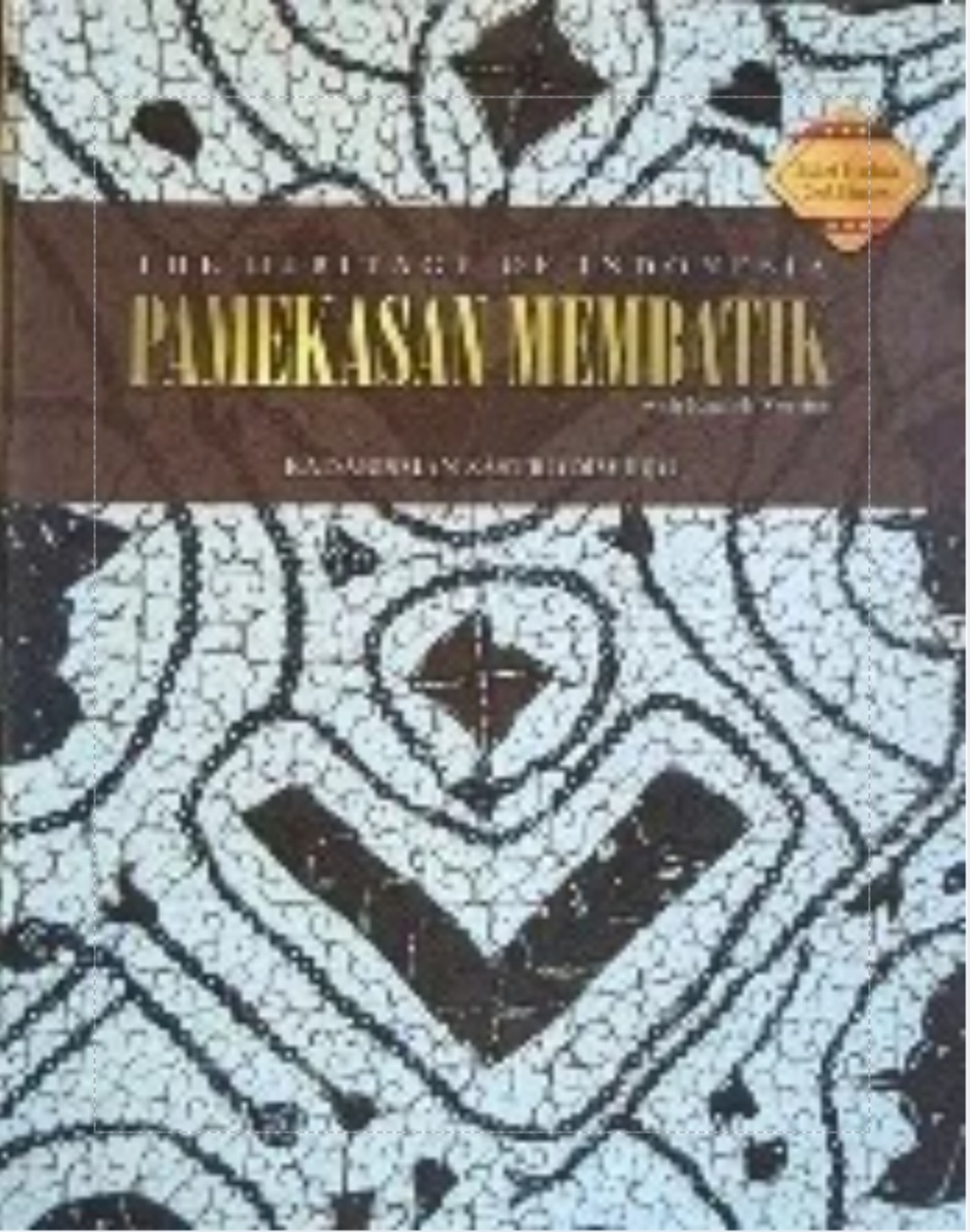
Author: Kadarisman Sastrodiwiryo, 2012. 176pgs. (Indonesian & English). Hardcover
Publisher: JP Press Media Utama, Jawa Pos Grup, Surabaya
This volume presents an exploration of the batik tradition from East Java, with particular emphasis on the distinctive works originating in Pamekasan, a cultural center on the island of Madura. East Java Batik is distinguished from the textile practices of other Javanese villages through its unique repertoire of motifs. The most emblematic which has become an icon of East Java are the ayam bekisar—a hybrid breed resulting from the crossing of the jungle fowl (Gallus varius) with the domestic red chicken (Gallus gallus domesticus)—and the teratai or waterlily, a symbol of purity and spiritual transcendence. Renowned for its bold chromatic contrasts and striking visual dynamism, Batik Pamekasan embodies a synthesis of aesthetic innovation and cultural heritage. Its designs are deeply rooted in Islamic symbolism, local folklore, and nature-inspired imagery, reflecting both spiritual devotion and ecological awareness. The technique employed is predominantly batik tulis (hand-drawn batik), which requires meticulous craftsmanship and artistic precision. This artisanal process not only preserves traditional knowledge but also affirms the enduring cultural identity of the Madurese people within the broader Indonesian batik tradition.
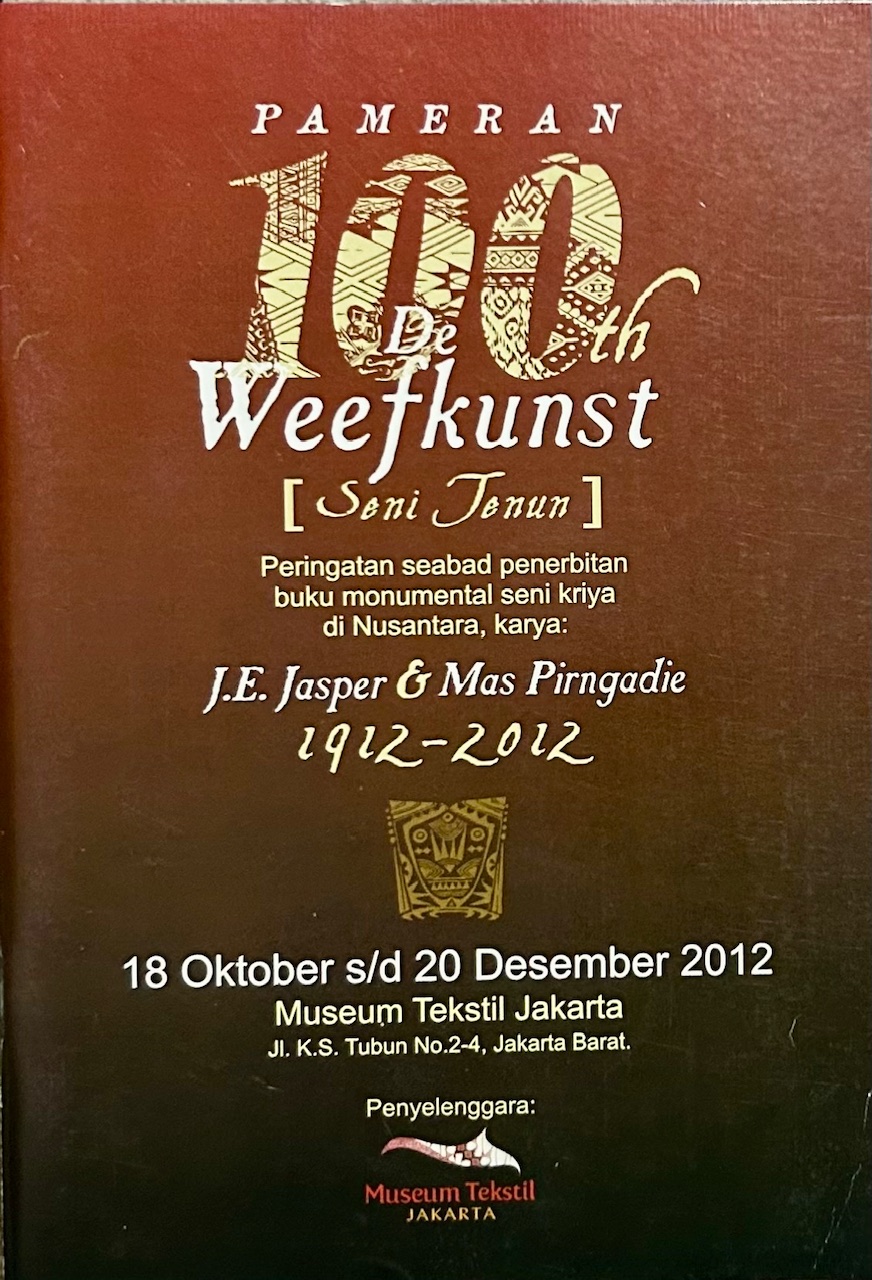
Author: Sandra Niessen & MJA Nashir, 2012. 63pg. (Indonesian)
Publisher: Bergoord Publishing (Netherlands) & Jakarta Textile Musium (Indonesia)
This catalog powerfully commemorates the centenary of *De Weefkunst* (The Art of Weaving), a landmark Dutch book by J.E. Jaspers and Mas Pirngadie. It stands as the second volume in a vital series of five art books that also cover Basketry, Weavings, Batik, Precious Metals, and Non-Precious Metals. Sandra Niessen has rigorously examined the authors and traced their surviving family members in the Netherlands and Indonesia, underscoring the book's crucial importance for textile researchers and those committed to understanding textile documentation throughout the Dutch Indies. In 2017, DEKRANAS took the significant step of translating *Weefkunst* and the entire series into Indonesian, now titled *Seni Kriya Pribumi pada Zaman Hindia Belanda*, with all five volumes expertly packaged together.
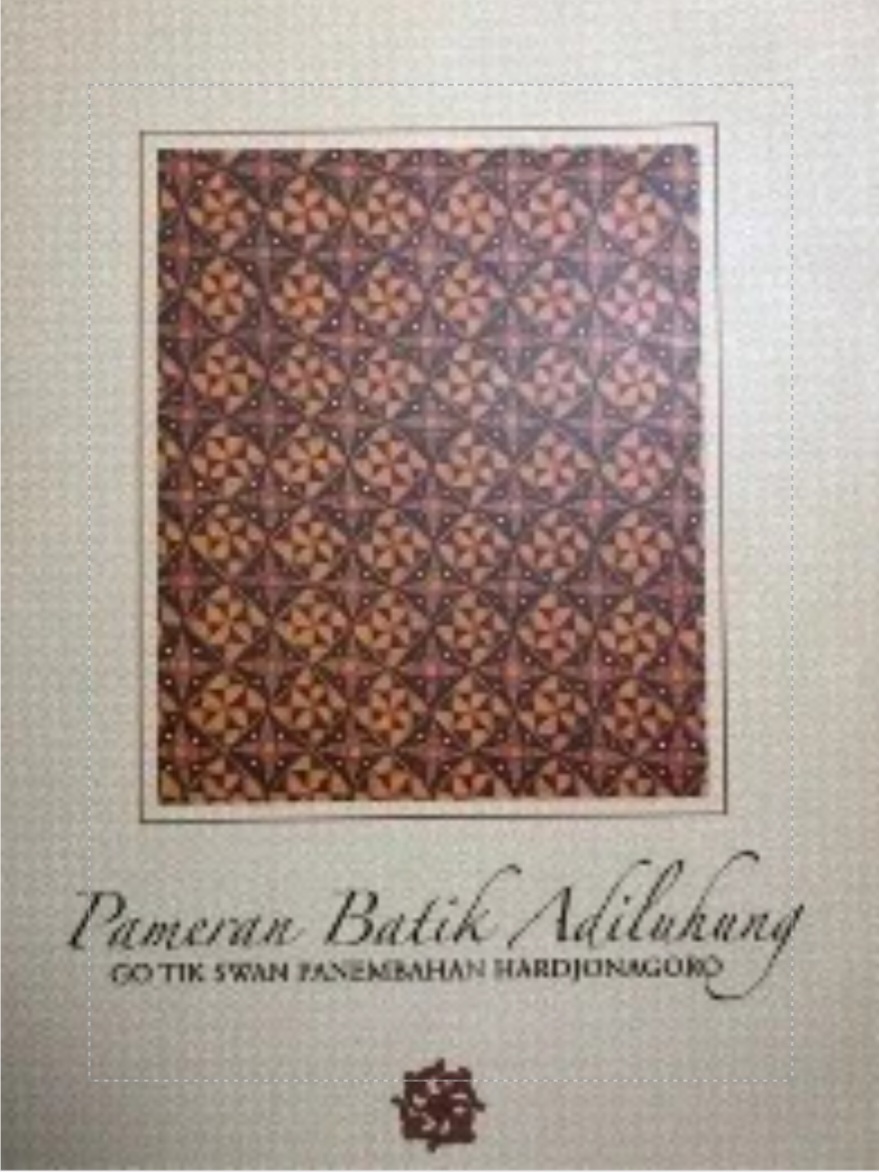
Author: Thousand-day ritual & Batik Exhibition after GTS Panembahan Hardjonagoro’s demise, 2011.
Publisher: Srihana Batik Tulis, Jakarta, Catalog. (Indonesian). Softcover
This commemorative catalog was published to honor and perpetuate the life and enduring legacy of Go Tik Swan Panembahan Hardjonagoro, who passed away in 2008 in Surakarta. An exhibition of his oeuvre was organized at his residence on Kratonan Street No. 101, Solo, attended by his devoted disciple Hardjosoewarno, his wife Supiyah Anggriyani, as well as numerous friends and admirers. A 1000 days ceremony after his demise, following Islamic prayers and traditional Javanese rituals, white doves were released as a symbolic gesture, signifying the collective act of returning his soul to God Almighty. In the eulogy dedicated to Panembahan Hardjonagoro, his artistic achievements were extolled as exemplars of aesthetic mastery and perfection. His batik creations were said to embody rosso (passion), kesabaran (patience), and ketelitian (meticulous precision). The exhibition featured 65 batiks produced in the Kratonan workshop alongside 27 batik works from other studios, culminating in a total of 92 pieces. These works now form part of the private collection of Supiyah Anggriyani, ensuring the preservation of his artistic heritage.
Page 62 of 108