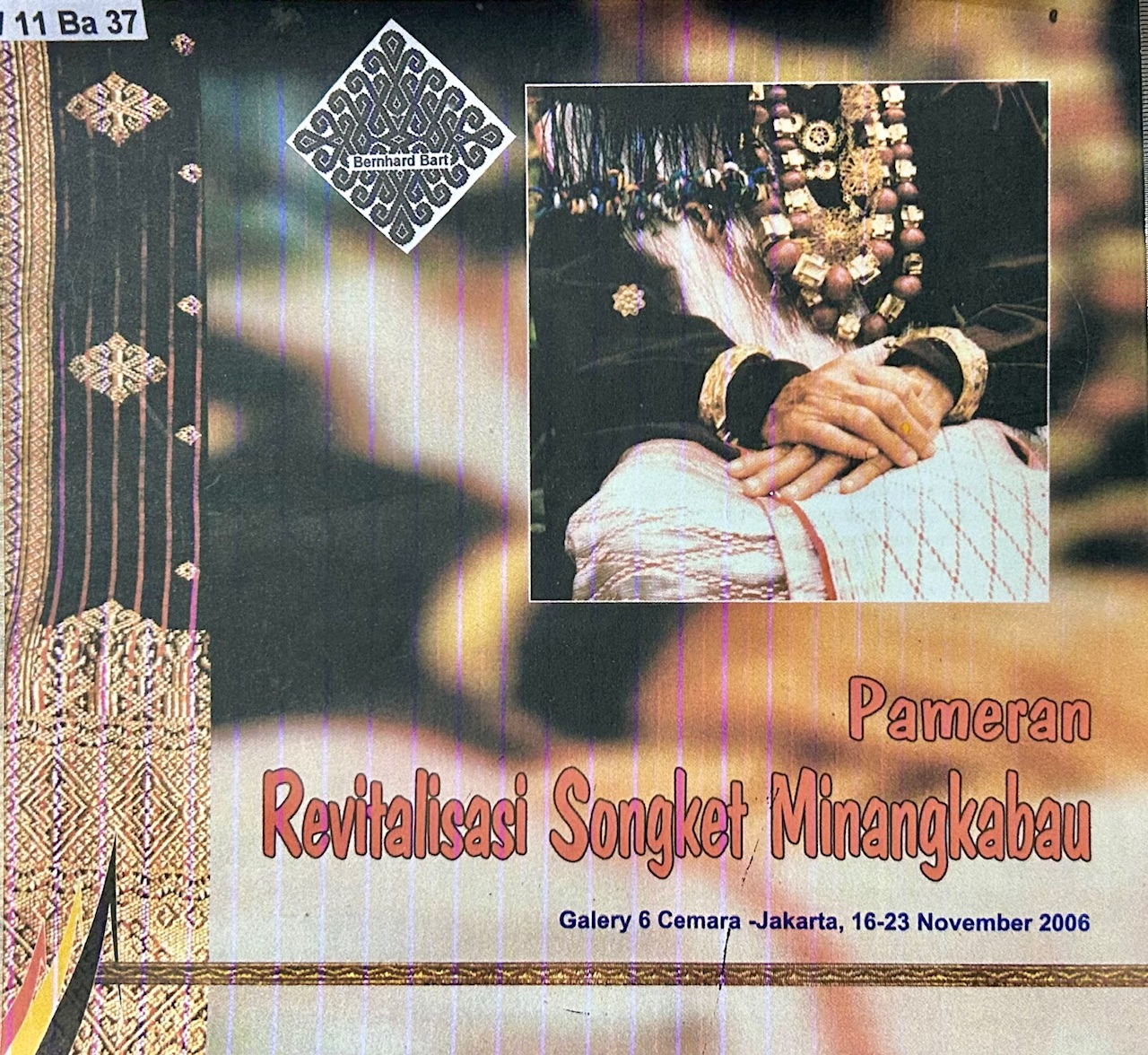
Author: Edi Utama, Alda Wilmar, Nina Rianti 2006. 4pg. (Indonesian)
Publisher: Bernard Bart, West Sumatra
This four-page leaflet introduces an exhibition held in Jakarta at the Galerie Cemara 6, featuring writings by the late Alda Wimar, Rina Rianti, and Edi Utama.
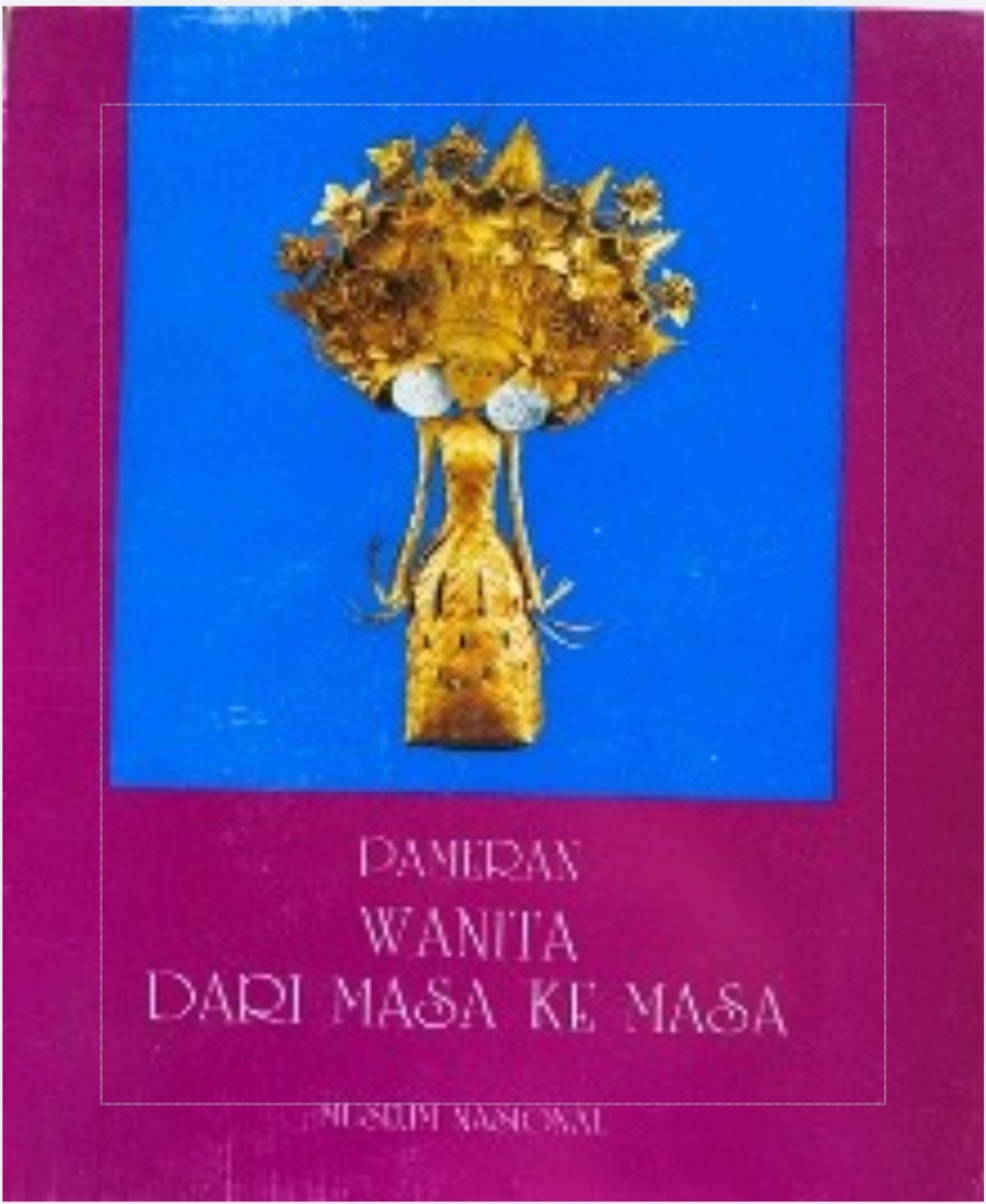
Author: Suwati Kartiwa, 1986. 106pgs. (Indonesian). Softcover. Catalog
Publisher: Museum Nasional Jakarta
This catalog illuminates the evolving role of women in Indonesia across the ages, as reflected through diverse artefacts. Women’s contributions extend far beyond the domestic sphere: they are not only nurturers of family life but also vital actors within the broader fabric of society. Their creativity in agriculture demonstrates remarkable innovations; their resilience and ingenuity are evident in the pursuit of livelihood; and their presence in governance underscores their influence in shaping communal and national life. The booklet traces women’s significance from prehistory to the modern era. It highlights women in classical Indonesia — including their participation in politics and governance — as well as their representation in legends and historical narratives. It explores women’s artistry in jewelry, their courage during times of struggle and revolution, and their transformative role in the era of national development. Together, these chapters reveal the enduring strength, creativity, and leadership of Indonesian women as custodians of culture and agents of progress.
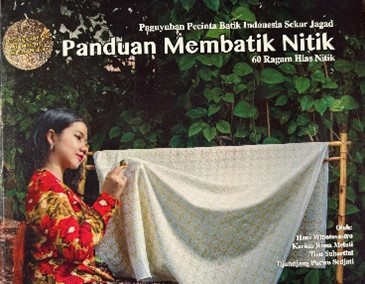
Author: Hani Winotosastro et al. 2017. 182 pg (in Indonesian) with tutorial CD.
Publisher: PPBI Sekar Jagad, Yogyakarta
Aiming to preserve batik in Indonesia, batik experts at the Sekar Jagad Foundation have published a small guidebook for creating NITIK batik. This guide contains 60 NITIK batik patterns and images, along with a step-by-step tutorial.
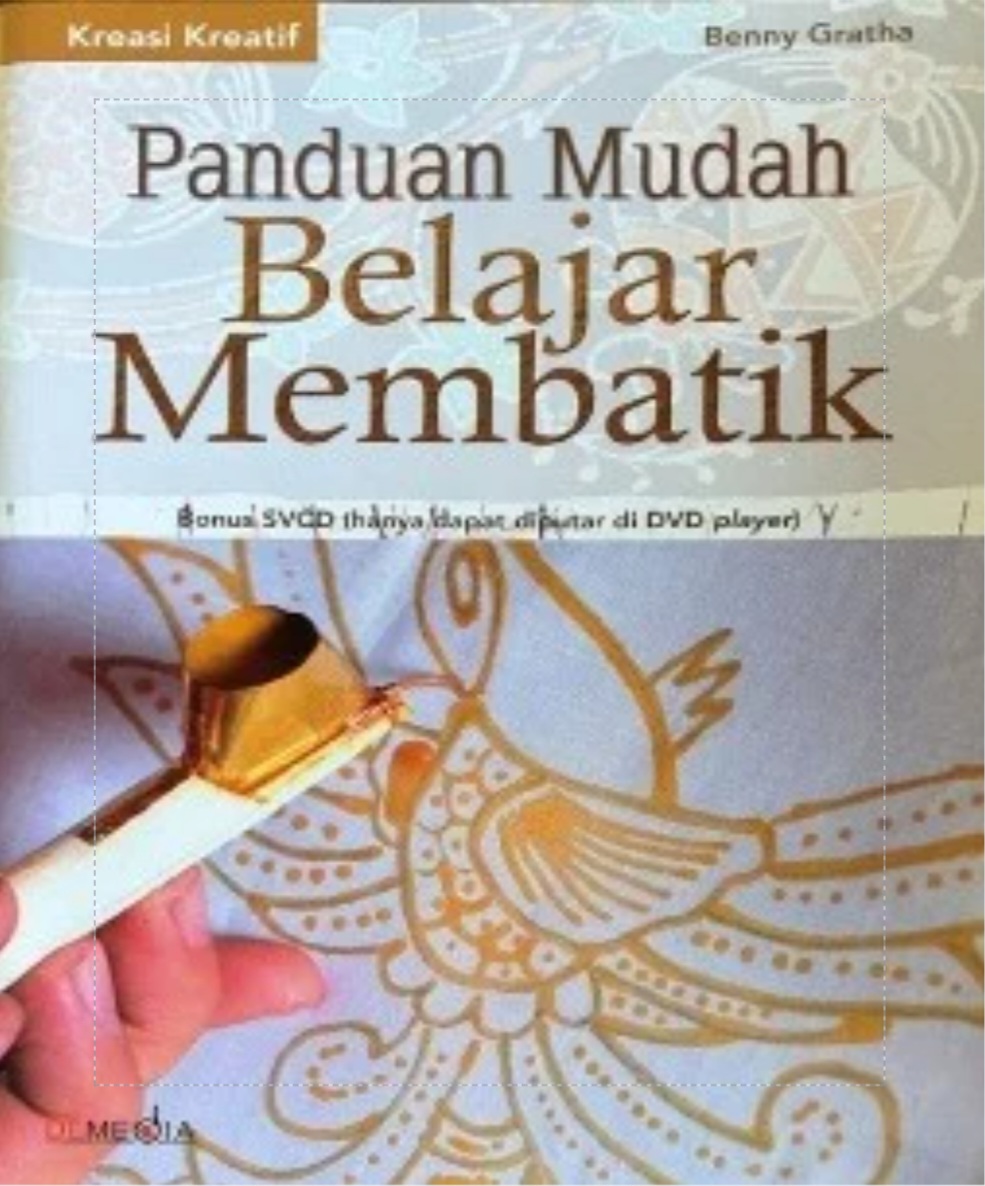
Author: Benny Gratha. 2012. 65pgs. (Indonesian). Softcover
Publisher: DeMedia, Jakarta
-
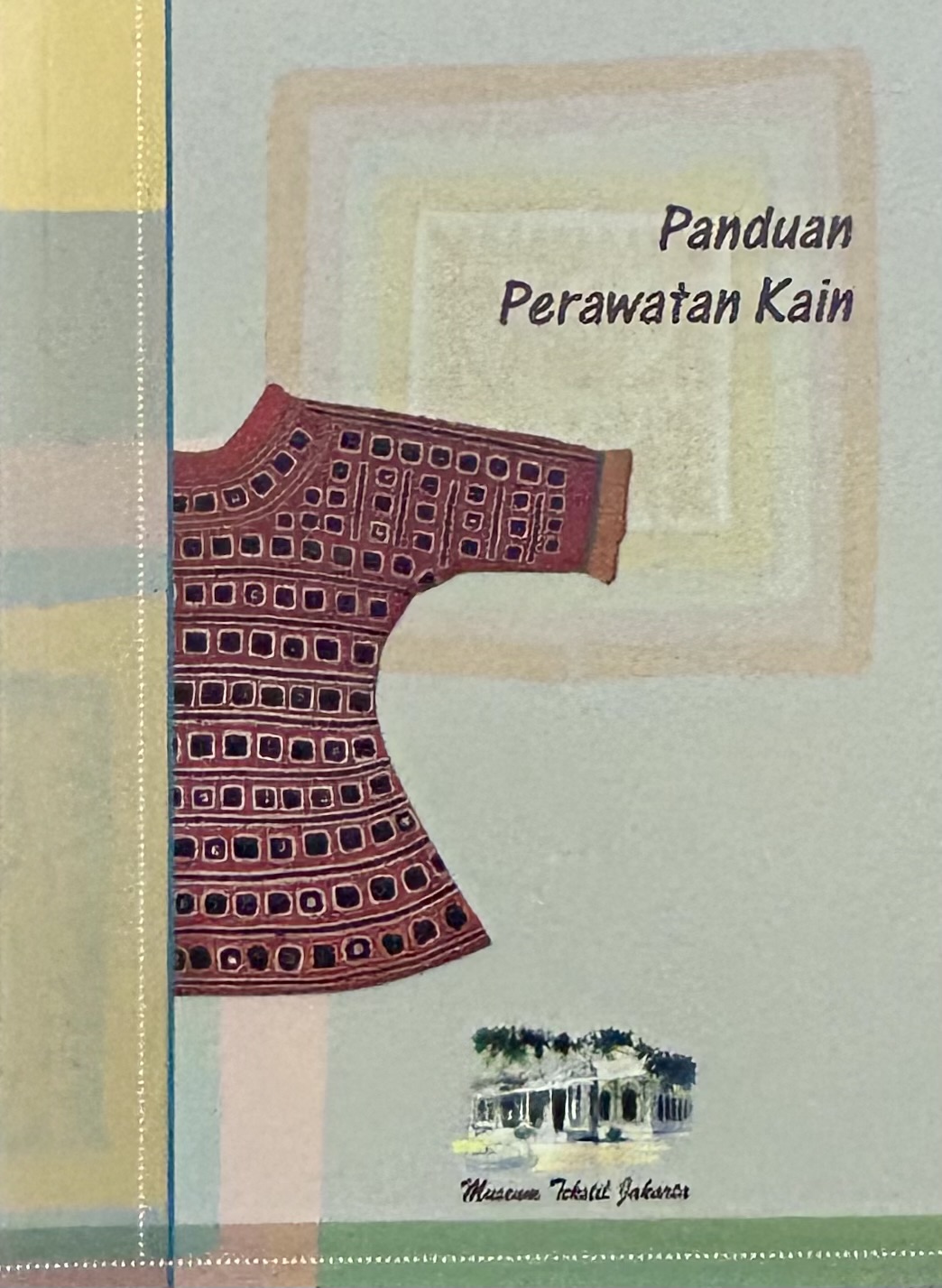
Author: Andia Sumarno et al., 2012.37pg. (Indonesian)
Publisher: Musium Tekstil Jakarta
This essential booklet delves into the factors that contribute to textile deterioration and offers proven conservation techniques. Every textile collector should have this invaluable guide in their collection.
Page 63 of 108