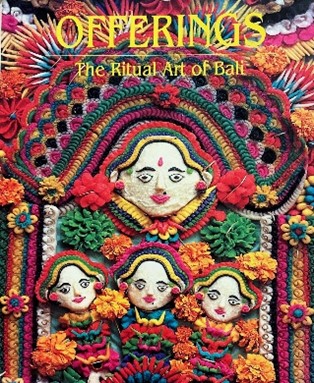
Author: Francine Brinkgreve, 1992. 160pg. (English)
Publisher: Select Books, Singapore
This book on Offerings explores the creativity of Balinese offerings, featuring intricate palm leaf lamak, vibrant family offerings, and rich dough figurines. It discusses ritual decorations at temple festivals and the cosmic symbolism behind them. The book also highlights the essential elements of offerings and how earthly fruits are transformed into beautiful objects for the gods and spirits.
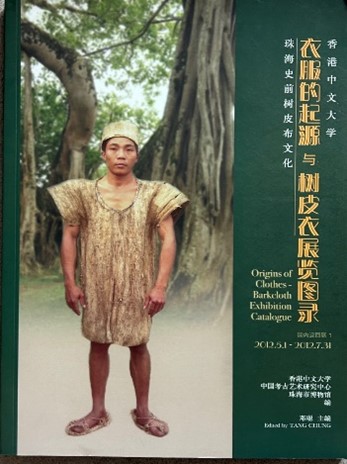
Author: Tang Chung (editor), 2012. 100pg. (Chinese, some texts are in English)
Publisher: The Chinese University of Hong Kong, Hongkong
The catalog was created for an exhibition titled "Origins of Clothes – Barkcloth," showcasing bark cloth and stone beaters discovered in Zhuhai province, South China. Additionally, the catalog features various stone beaters and bark cloth from Southeast Asia.
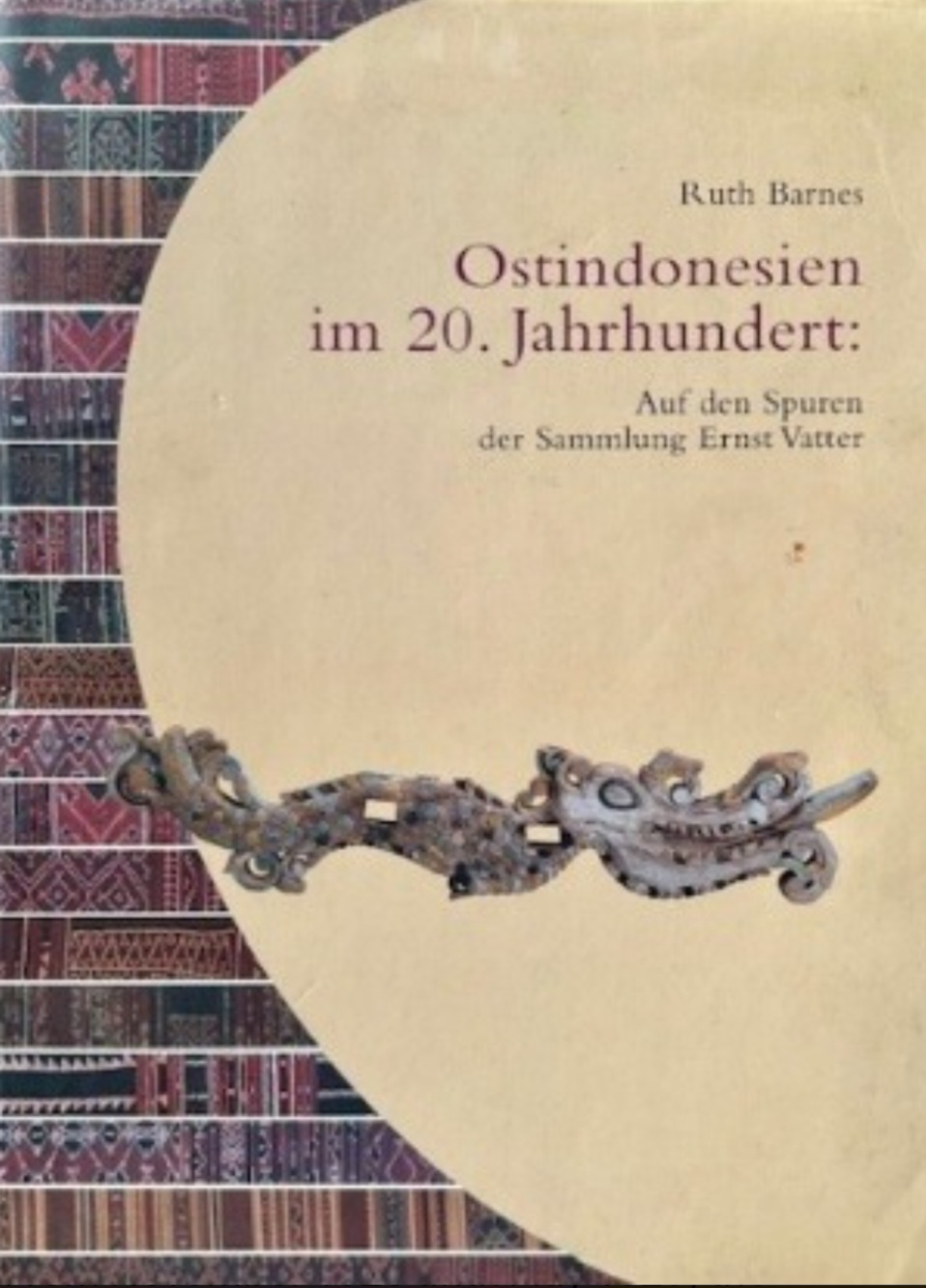
Author: Ruth Barnes, 2004. 288pg. (German language). Hardcover
Publisher: Museum der Weltkulturen, Frankfurt am Main, Germany
From November 1928 until May 1929, the ethnologist Ernst Vatter and his wife Hanna Vatter were sent on a mission to the islands of Flores and Alor in Eastern Indonesia, by the Museum of World Cultures in Frankfurt, Germany. The task was to collect and research objects of ethnological interest. Vatter brought back more than 1300 objects to Frankfurt, of which 1200 pieces still exist in the Museum, today. Seventy years later Ruth Barnes followed in the footsteps of the Vatters, as she herself accompanied by her husband made her field research on the island of Lembata from 1969 until 1971. In the mid nineteen eighties, Ruth concerned with the field work of the Vatters, and Hanna Vatter still alive, delved into their unfinished work, which resulted in this large volume. For researchers of East Indonesian studies, it would be a great help, if the book was translated to English, which would made it more meaningful for all people interested in Flores and Alor of the early nineteen hundreds.
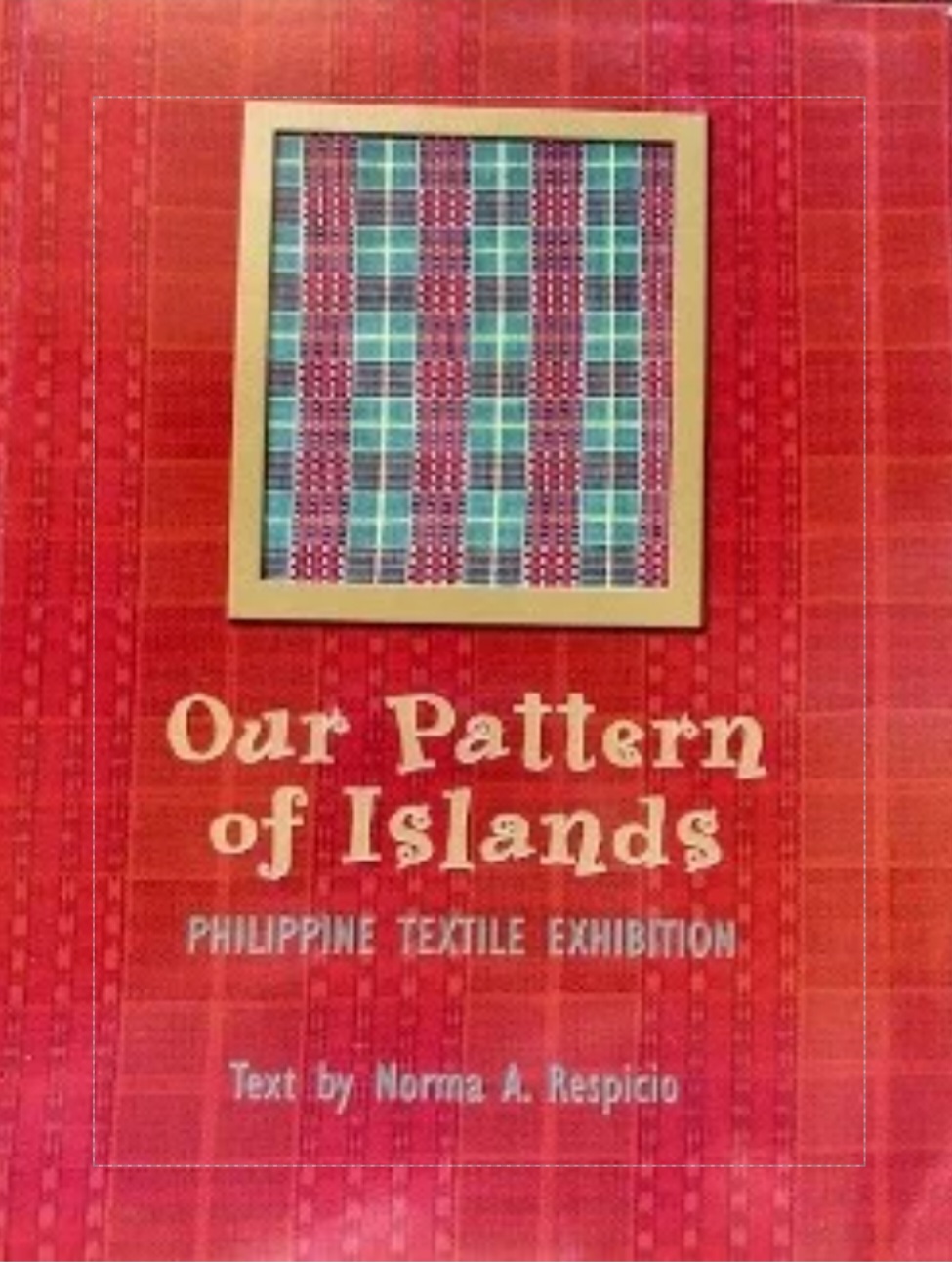
Author: Norma A. Respicio, 2003, 64pg. (English). Softcover
Publisher: Consulate General of the Philippines, Melbourne, Australia
This elegant catalog was produced to commemorate the Philippine Textile Exhibition held at the Gold Treasury Museum as part of the 2003 Philippines Festivals in Melbourne, from 6 June to 3 August 2003. The publication presents a curated selection of textiles representing diverse ethnolinguistic traditions, including those of the Cordillera (specifically Bontok and Ifugao), Iloko, and Itneg communities; the weaving practices of West Visayas and Western Mindanao; the distinctive fabrics of South-Central Mindanao drawn from the collection of Juan T. Lim; as well as the rich textile heritage of Central, Southern, and Eastern Mindanao. Collectively, these regional contributions embody the Philippines as a “Pattern of Islands,” a metaphor that underscores the archipelago’s cultural plurality and the intricate interweaving of its artistic traditions.
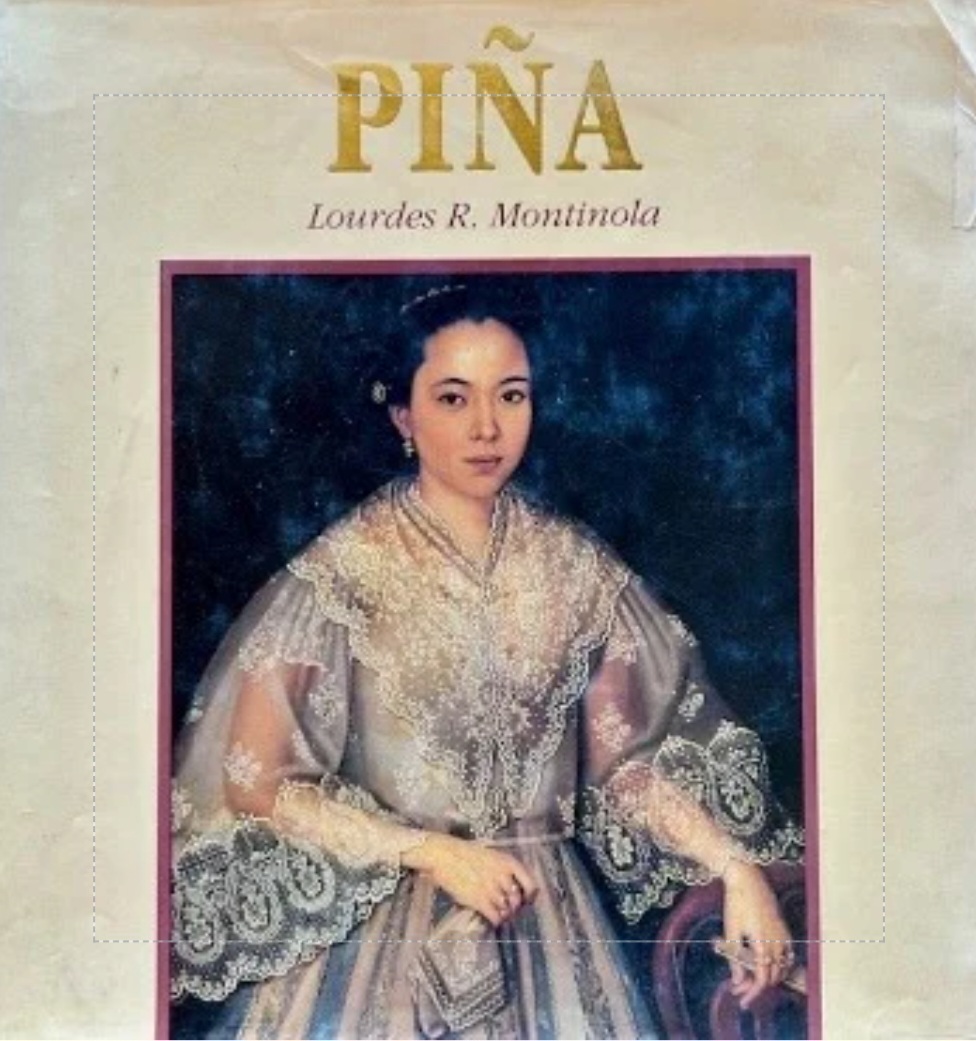
Author: Lourdes R. Montinola, 1991, 232pg. (English). Hardcover
Publisher: AMON Foundation, Metro Manila, the Philippines
Piña the fabric woven from fine fibers stripped from the leaves of the pineapple plant, has been produced in the philippines since the 16th Century. Its exquisite delicacy has drawn the admiration from the Philippinos and foreigners who have considered a worthy gift to dignitaries and royalty, as well as a valued heirloom to hand down within families, and preserved in museums. The book gathers through history its threads that gave being to pina: the tradition of weaving in the Philippines, and the admiration for the embroidery in Spain, the climate that made translucence in fabric a virtue, the aesthetics that made fine handwork a treasure. This book is on the history, the crafts, the art, and the social context of piña. It is the first book of its kind, drawing from history, ethnography, sociology and aesthetics in the study of appreciation of a material cultural artefact that is also an object of art.
Page 61 of 108