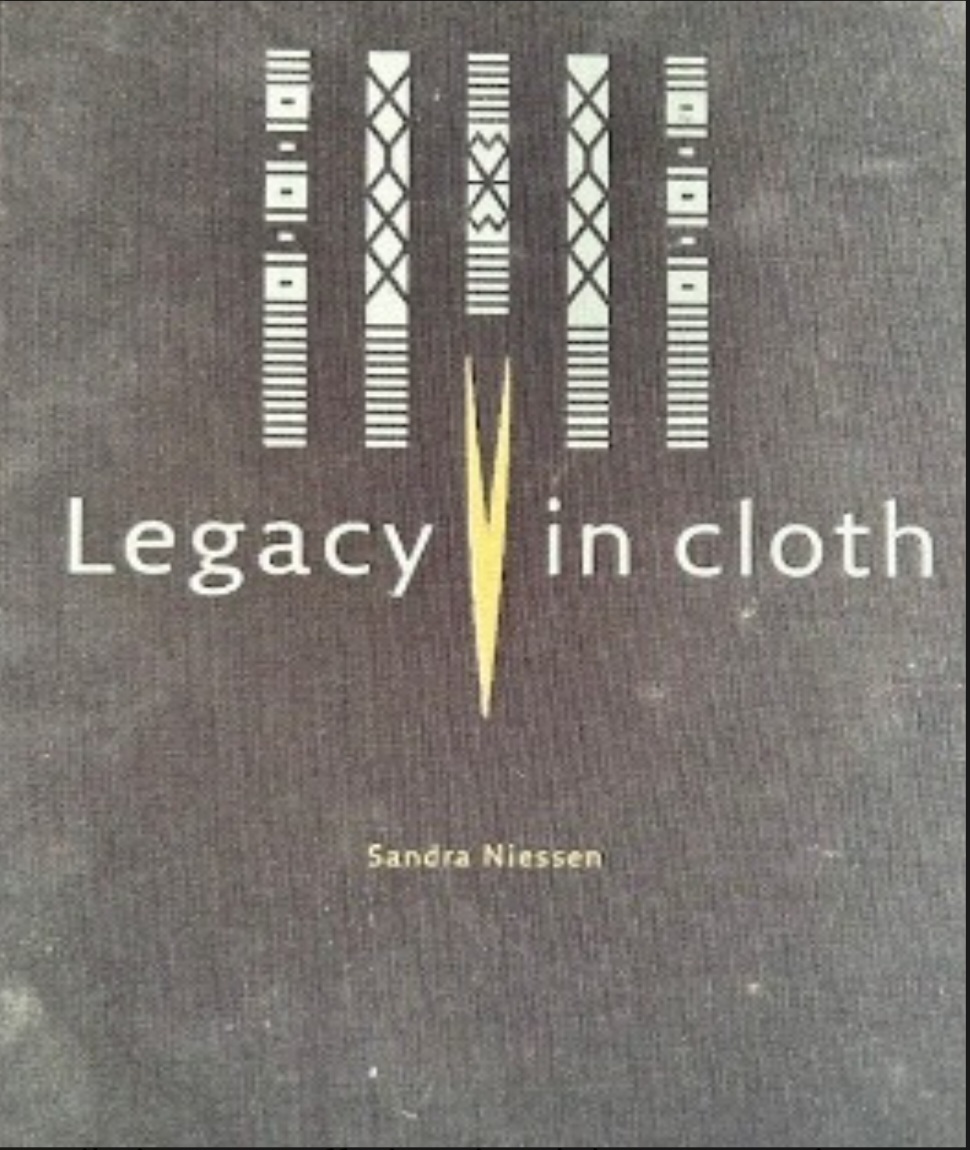
Author: Sandra A. Niessen, 2009. 567pgs. (English). Hardcover. With book sleeve.
Publisher: KITLV Press, Leiden Brill Academic Publisher
This remarkable volume constitutes the most comprehensive scholarly analysis of Batak textiles published to date. Structured into four distinct sections, the work begins with an incisive introduction to design, followed by an exploration of stylistic regions, including textiles originating from Samosir, Simalungun, Karo, Si Tolu Huta, Holbung/Uluan, and Silindung. The third section presents an extensive catalogue of textile images, offering visual documentation that complements the analytical discourse. The final section provides a meticulous examination of techniques, encompassing the types of threads employed, methods of dyeing and coloration, processes of warping and warp ikat, the loom apparatus, as well as the intricacies of decorative warp and weft and the finishing procedures.
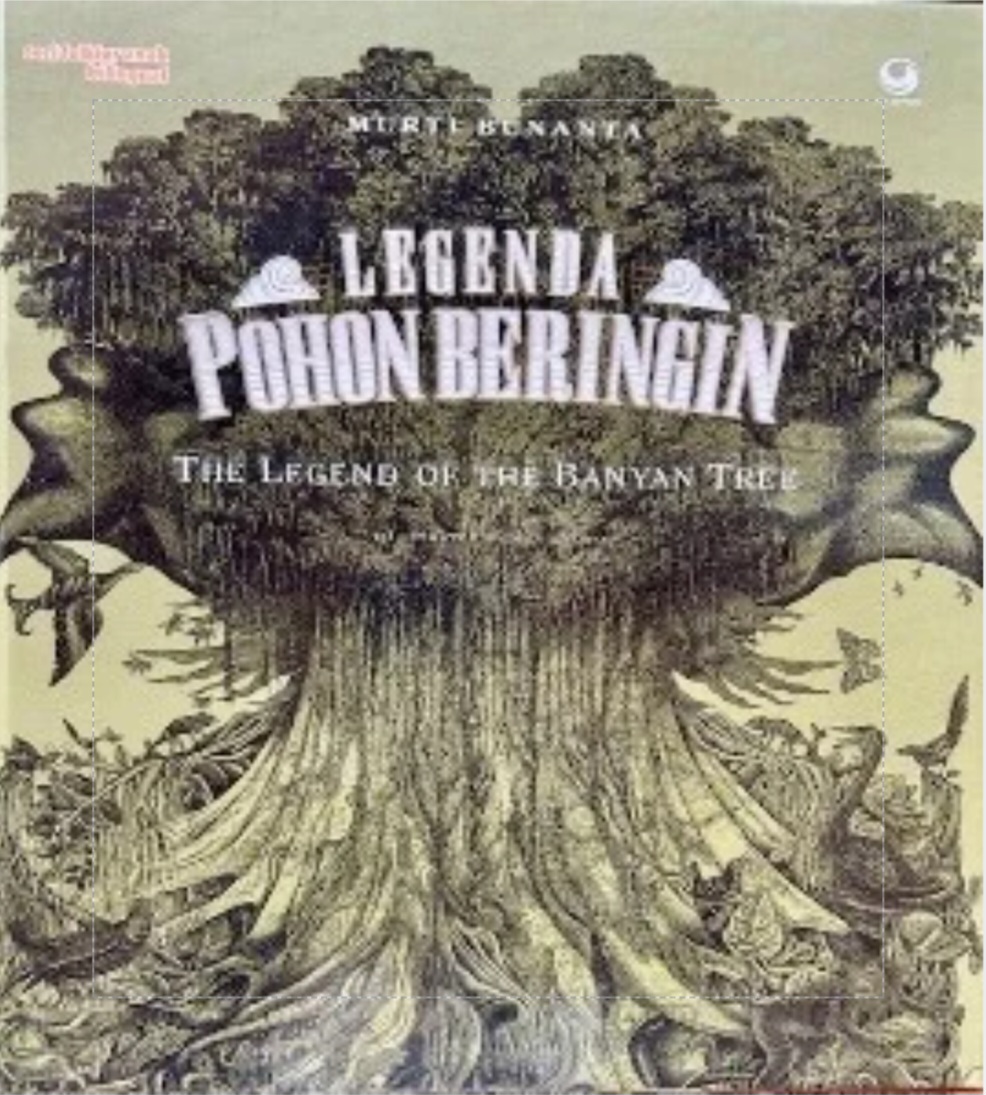
Author: Murti Bunanta, 2012, 40pg. (Indonesian & English)
Publisher: Kompas Gramedia, Jakarta
The banyan tree occupies a profound place in Javanese cultural imagination, symbolizing resilience, continuity, and spiritual protection. This evocative legend, beautifully retold by Murti Bunanta — a distinguished Indonesian author and scholar specializing in children’s literature — illustrates the tree’s enduring role as both a natural landmark and a vessel of cultural meaning. Bunanta’s retelling situates the banyan not merely as a botanical entity, but as a living metaphor for community and tradition. In Javanese cosmology, the tree’s expansive roots and sheltering canopy embody interconnectedness, offering refuge and wisdom across generations. By adapting this legend for younger audiences, Bunanta bridges folklore and pedagogy, ensuring that the moral and symbolic dimensions of the banyan tree remain accessible, relevant, and inspiring in contemporary Indonesia. Her work underscores the importance of storytelling as a cultural transmission device: legends such as this one do not simply entertain, but also cultivate identity, ethical reflection, and reverence for nature. The banyan tree thus becomes more than a subject of myth; it is a pedagogical tool, a cultural anchor, and a reminder of the symbiotic relationship between human communities and the natural world.
Author: Murti Bunanta, 2012. 32pgs. (Indonesian & English), hardcover.
Publisher: Kompas, Gramedia.
The text under review may be situated within a broader ethnographic discourse on symbolic landscapes and cultural memory. By foregrounding the banyan tree—an organism long revered across South and Southeast Asia—the narrative mobilizes a botanical icon whose aerial roots and expansive canopy have historically functioned as loci of ritual, communal gathering, and ancestral veneration. In many tropical societies, the banyan is not merely a tree but a cosmological axis, embodying both protective power and genealogical continuity. The author’s deployment of this arboreal metaphor thus resonates with indigenous epistemologies wherein natural forms are imbued with social and spiritual significance. The entangled roots become a visual analogue for kinship structures, while the overarching canopy evokes the sheltering presence of lineage and tradition. Such imagery aligns with oral traditions that privilege cyclical temporality and collective memory over linear narrative progression. From an ethnographic perspective, the text’s prioritization of atmosphere and symbolic resonance reflects the performative qualities of oral storytelling, where mythic motifs are transmitted as cultural pedagogy rather than as entertainment alone. For audiences unfamiliar with localized mythologies, these symbols may appear opaque or allegorical; however, within their cultural matrix they function as active agents of social cohesion and moral instruction. Consequently, the work is best apprehended not as a conventional novel but as an atmospheric fable embedded in the ethnoscape of tropical Asia—an artifact that illuminates the interplay between ecological environment, kinship ideology, and mythic imagination. Its value lies in its capacity to render visible the cultural logic of symbolism, situating narrative within the lived cosmologies of the communities it evokes.
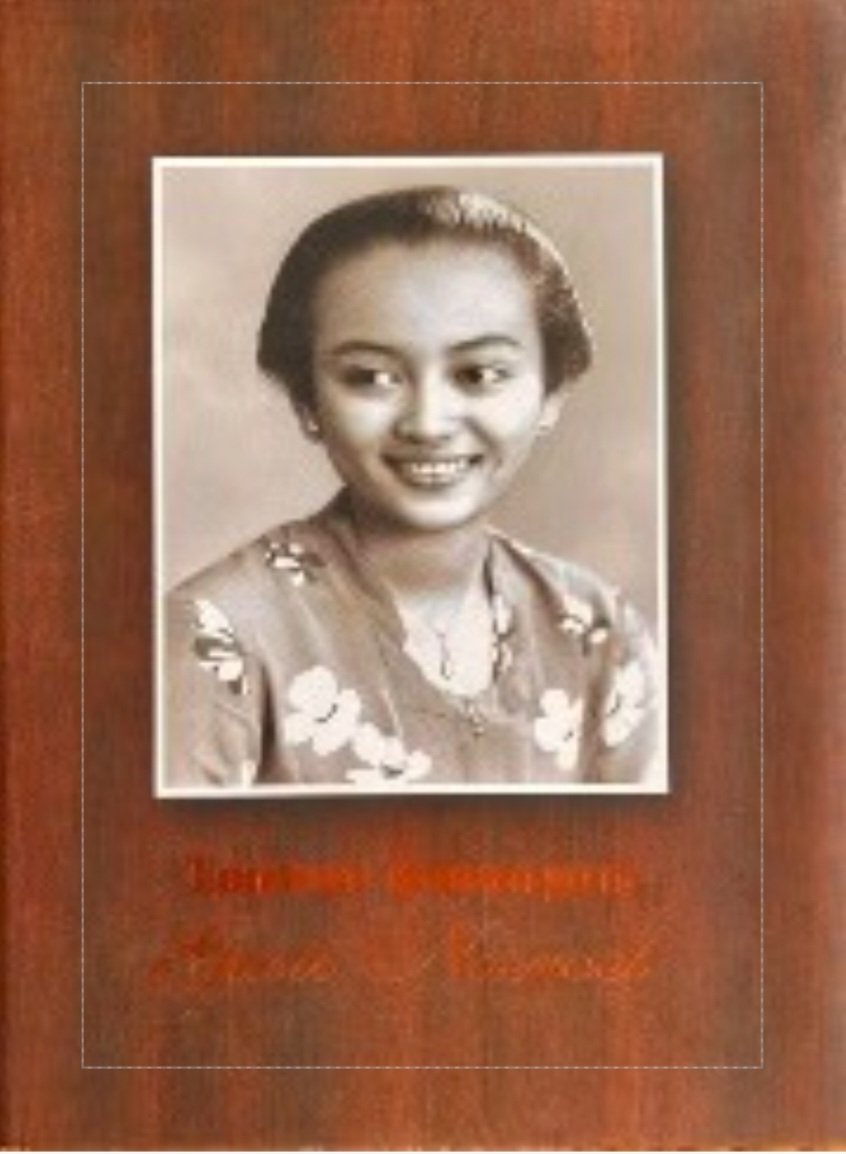
Author: R.Ay Yuliastuti Soemarsono et al, 2011. 82pgs. (Indonesian). Hardcover
Publisher: Himpunan Kerabat Mangkunegaran Suryasumirat, Surakarta
The volume constitutes a rare photographic biography chronicling the remarkable life of Gusti Raden Ayu Siti Noeroel Kamaril Ngasarati Kusumawardhani, a progressive Mangkunegaran princess of Surakarta who lived between 1921 and 2015. Through a rich assemblage of visual archives and historical narratives, the book reconstructs her life story, foregrounding her modern outlook, aristocratic heritage, and steadfast personal principles. It features dozens of vintage photographs spanning her childhood to her later years, thereby documenting both the rhythms of royal life and the broader national transitions of twentieth-century Indonesia. Notably, the volume captures her historic dance performance at age fifteen during the wedding festivities of Princess Juliana in the Netherlands, alongside rare images of her participation in sports such as tennis and equestrian pursuits. The biography portrays a noblewoman ahead of her time, one who embraced Western education, cultivated new hobbies, and pursued an active lifestyle beyond the traditional confines of the palace. It further reflects her celebrated decision to decline marriage proposals from eminent figures, including Soekarno and Sultan Hamengkubuwono IX, on account of her principled rejection of polygamy. Ultimately, she chose to marry a military officer of her own volition, underscoring her autonomy and commitment to personal conviction.
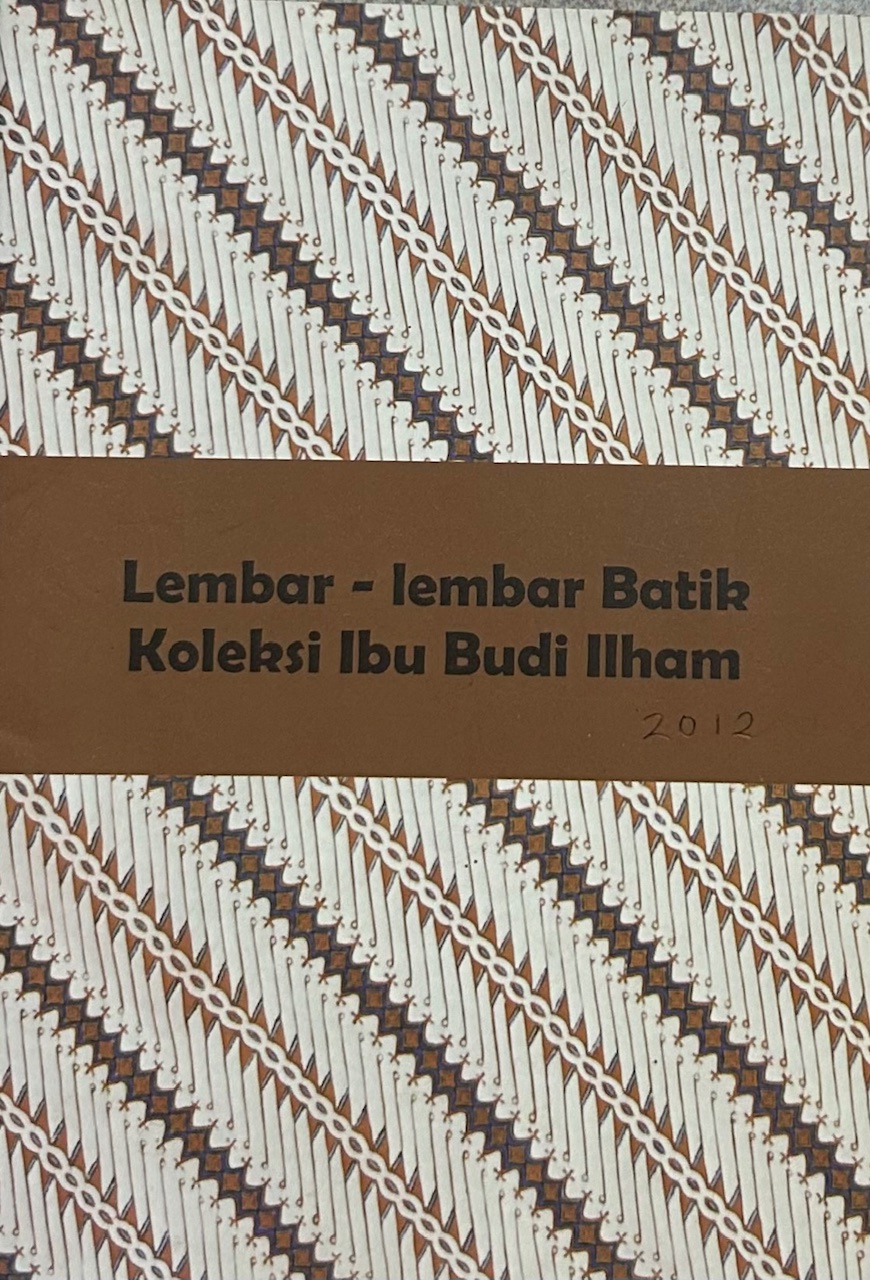
Author: Sri Sintasari (Neneng) Iskandar), 2012. 27pg. (Indonesian)
Publisher: Uni Pinta Jakarta
This catalog proudly showcases the exquisite collection of batiks from Ibu Budi Ilham, a remarkable individual known for her passionate commitment to wearing traditional batik costumes. Her collection features exceptional works by esteemed batik artisans, including Tris Hadi, Go Tik Swan Hardjonagoro, Maria Noor, Phoa Tjian Nio, Hoo Tjong Leng, and MD Hadi. This booklet stands as a testament to her enduring love for batik.
Page 72 of 151