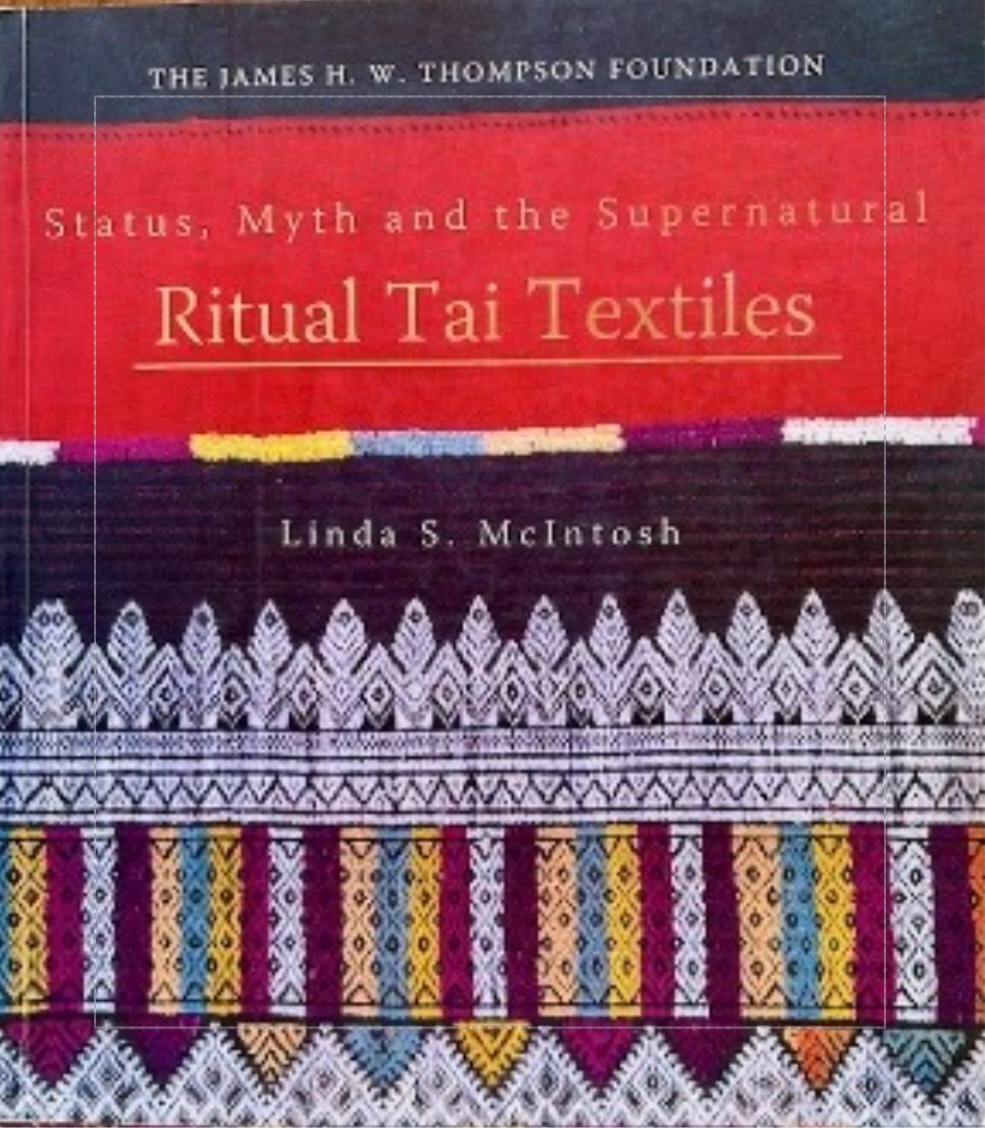
Author: Linda S. McIntosh, 2005, 84pg. (English & Thai). Softcover
Publisher: The Jim Thompson Foundation, Bangkok
This book explores a small facet of the rich cultural of Tai speaking peoples living in Laos, Thailand, and Vietnam. By examining ceremonial occasions and the textiles related to these events, the reader has a glimpse of the complexity and significant role textiles play in society. Textiles not only serve as an important part in gift-exchange such as in weddings, but also assist the souls of the deceased to travel to the supernatural heaven of the Tai belief systems. The exhibition focuses on some shamanic and Buddhist rituals. The reader is allowed to create the motivation and craftmanship involved in preparing the textiles and objects used in various celebrations in Tai life.

Author: Henry M. Robert, William J. Evans, Dasniel H. Honemsann & Thomas J. Balch, 2004, 198pgs. (Englisj_. Spftcover
Publisher: Da Capo Press, USA
The booklet serves as a step-by-step guide to the rules governing meetings within any organization. It provides sample dialogues designed to help readers navigate motions, nominations, elections, votes, debates, and amendments with confidence. In addition, it offers practical strategies for maintaining order and ensuring discussions remain on track. A dedicated chapter further addresses the most frequently asked questions, making this resource both accessible and comprehensive for anyone seeking to master the art of effective meetings.
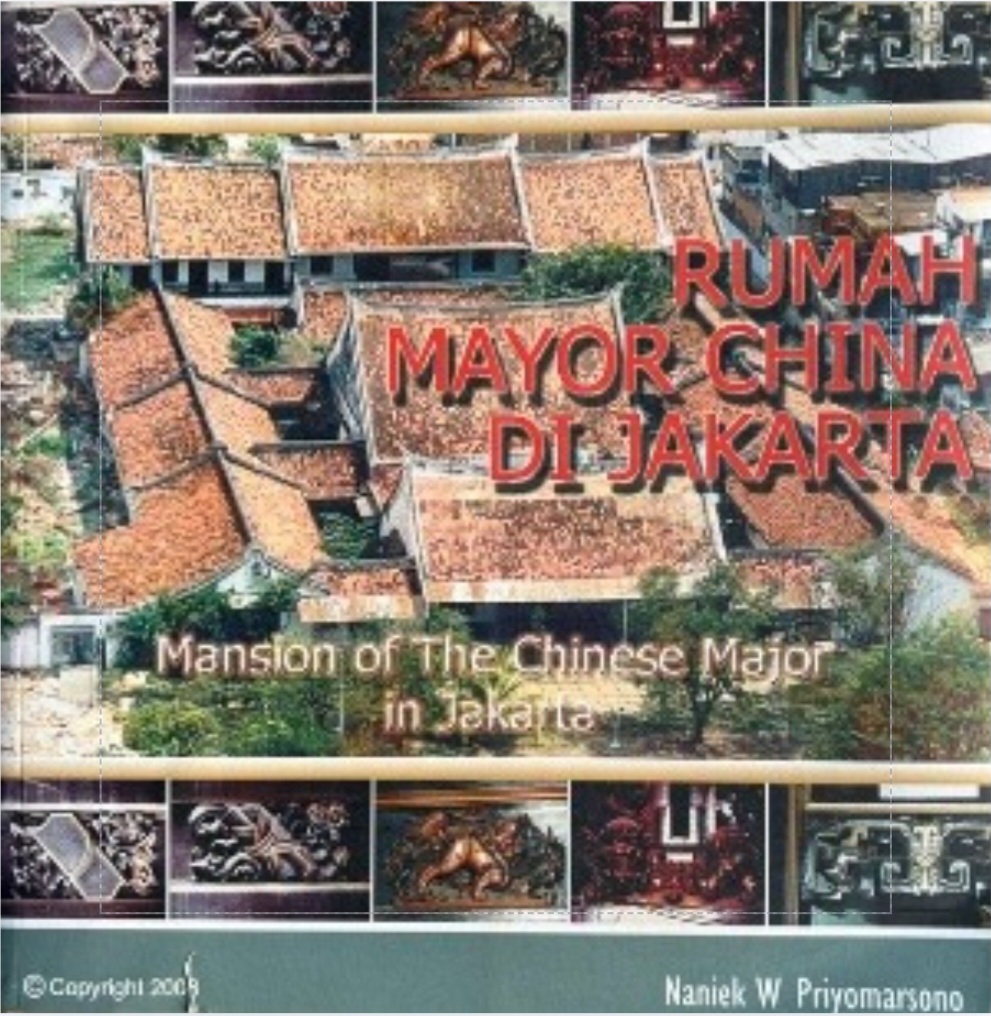
Author: Naniek Priyomarsono, 2008. 123pgs. (Indonesian and English). Softcover
Publisher: Center for Architecture and Conservation (CAC), Jakarta
The volume is the work of an architect profoundly committed to the preservation of historic structures, with particular attention to the Chinese Mayor’s Mansion in Jakarta, build in the 1862. In the aftermath of the Second World War, stewardship of the complex passed to the social organization Sing Ming Hui, before later being entrusted to the Social Foundation Candra Naya. Today, this mansion endures as the sole surviving exemplar of Chinese architectural tradition within Jakarta, a rare vestige of cultural heritage amidst the city’s rapid modernization. The book unfolds as both a historical record and a spatial exploration. It traces the lineage of ownership while guiding the reader through the architectural fabric of Candra Naya: its public and private chambers, semi-private quarters, service wings, and the tranquil lotus pond. The narrative extends into the curved roof with wings of a swiflet bird, symbol of status, inner-courtyards, the intricately crafted Tou Kungs (a bracket system that supports the building), and the detailing of windows, doors, and flooring. The account culminates with a study of the building’s renovation history and the ornamental features that enrich its aesthetic identity. Beyond its descriptive richness, the volume holds significance as a scholarly resource. It not only documents the legacy of Chinese architecture in Indonesia but also serves as an indispensable reference for conservationists dedicated to safeguarding historic edifices, as well as for students and practitioners of architecture seeking to understand the interplay between cultural heritage and architectural form.
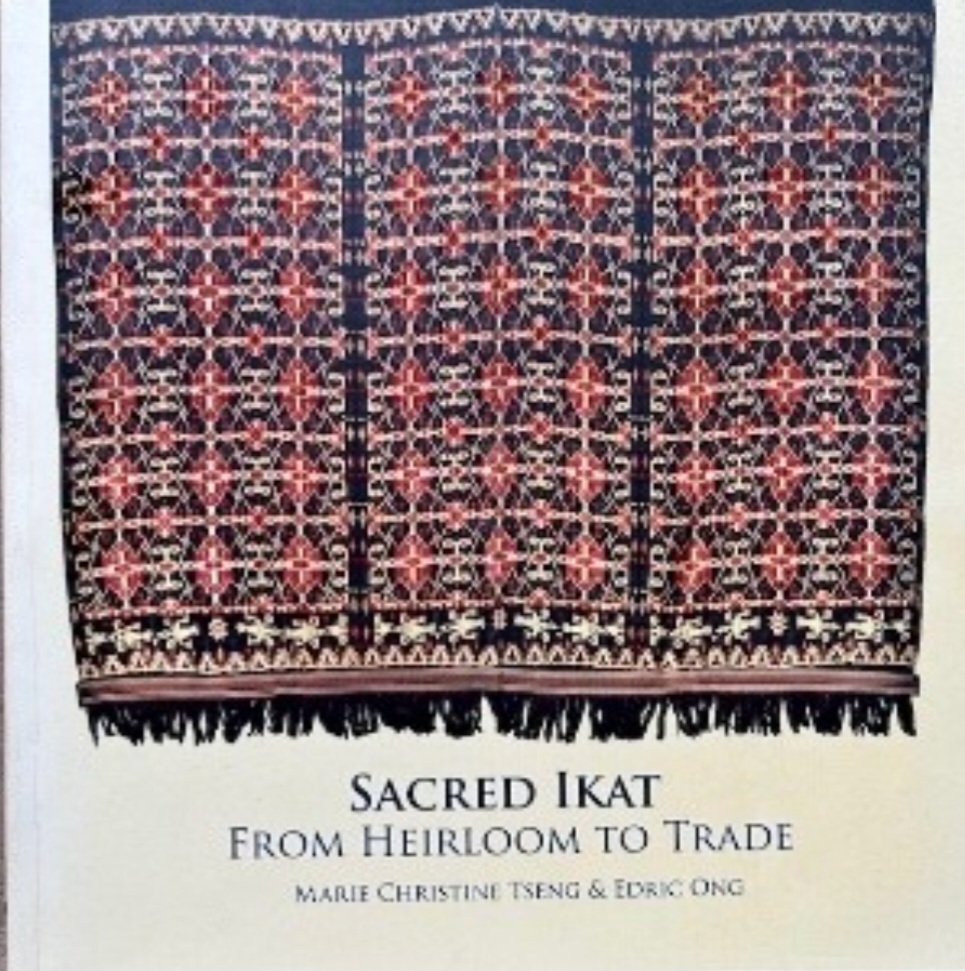
Author: Marie Christine Tseng & Edric Ong. Judi Knight Achjadi (editor), 2011, 141pg. (English). Softcover
Publisher: Department of Museums Malaysia, Kuala Lumpur
The volume, published in conjunction with the exhibition of the same title, offers a comprehensive portrayal of the Island of Sumba in Indonesia, drawing upon the collection of Marie Christine Tseng and the National Textile Museum in Kuala Lumpur. The author situates Sumba as a locus of enduring traditions, with particular emphasis on Sumbanese attire and the pua kumbu, a textile also prevalent in Sarawak, Malaysia. Through this comparative lens, the book enables readers to discern parallels between the ikats of Sumba, the pua kumbu of Sarawak, and other ikat traditions across Southeast Asia. The practice of ikat weaving in Sumba is deeply rooted in the island’s myth of creation and the origin narrative of the Sumbanese people. Beyond its utilitarian function as clothing, ikat serves as a sophisticated medium of communication. These textiles embody layered meanings of status, wealth, and authority, while simultaneously facilitating interaction with the ancestral realm. Consequently, ikats occupy a pivotal role in funerary rites and remain integral to ceremonial life more broadly.
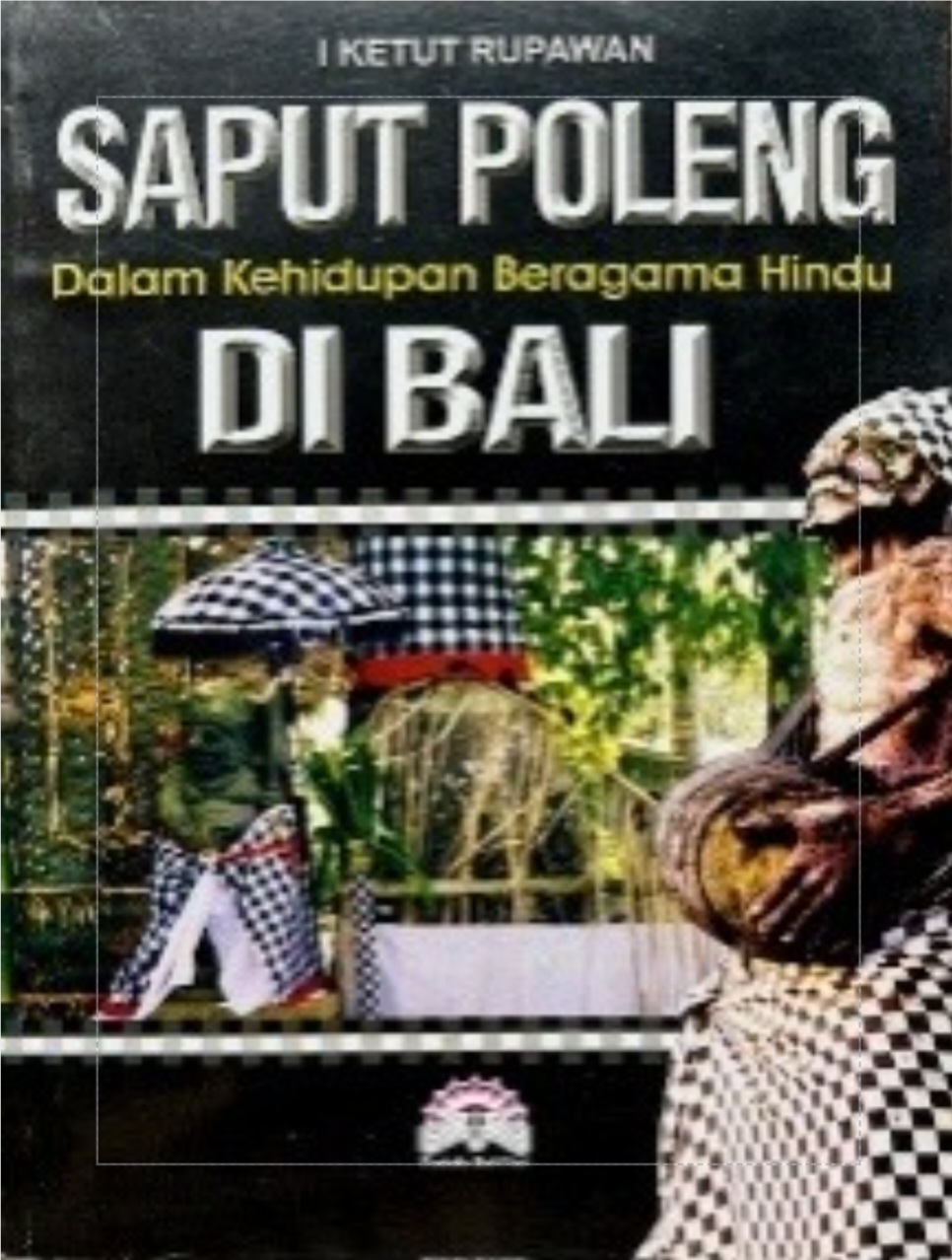
Author: I Ketut Rupawan, 2008, 132 pgs. (In Indonesian). Softcover
Publisher: Pustaka Bali Post, Denpasar
The saput poleng is a sacred black-and-white checkered textile ubiquitous across the Balinese cultural landscape. Traditionally, the textile is produced in three principal forms, distinguished by their coloration, decorative motifs, and material composition. The arrangement of squares is significant: white squares are intentionally more numerous than black, symbolizing the cultural preference for purity, auspiciousness, and balance. In addition to the canonical ritual forms, contemporary adaptations known as poleng anyar have emerged. These newer models are employed exclusively for decorative purposes and lack the sacral potency of their ritual counterparts.
Page 74 of 108