
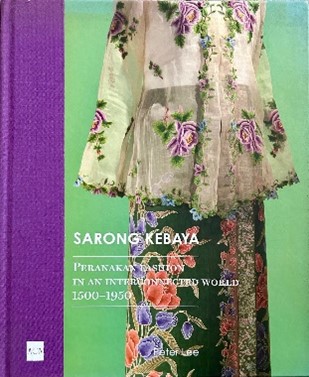
Author: Peter Lee, 2014. 352pg. (English)
Publisher: Asian Civilization Museum, Singapore
This book definitively examines the history of Peranakan women's costumes, highlighting the sarong, kebaya, and baju panjang. It assertively transcends these garments to investigate crucial themes such as language, women's roles, trade, slavery, community, and education. With an impressive array of historical photographs and stunning images from a significant donation to the Peranakan Museum, as well as a private collection, this striking work by independent scholar Peter Lee is an essential reference, backed by thoroughly documented sources.
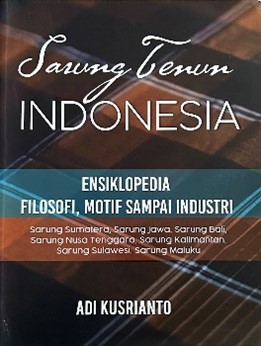
Author: Adi Kusrianto, 2020. 203pg. (Indonesian)
Publisher: Andi Yogyakarta
This book highlights the excellence of traditional hand-woven sarongs crafted on backstrap looms, alongside those expertly produced using standing looms, known as ATBM (Alat Tenun Bukan Mesin). The concluding section emphasizes the impressive range of industrially woven sarongs created by small, medium, and large enterprises throughout the archipelago.
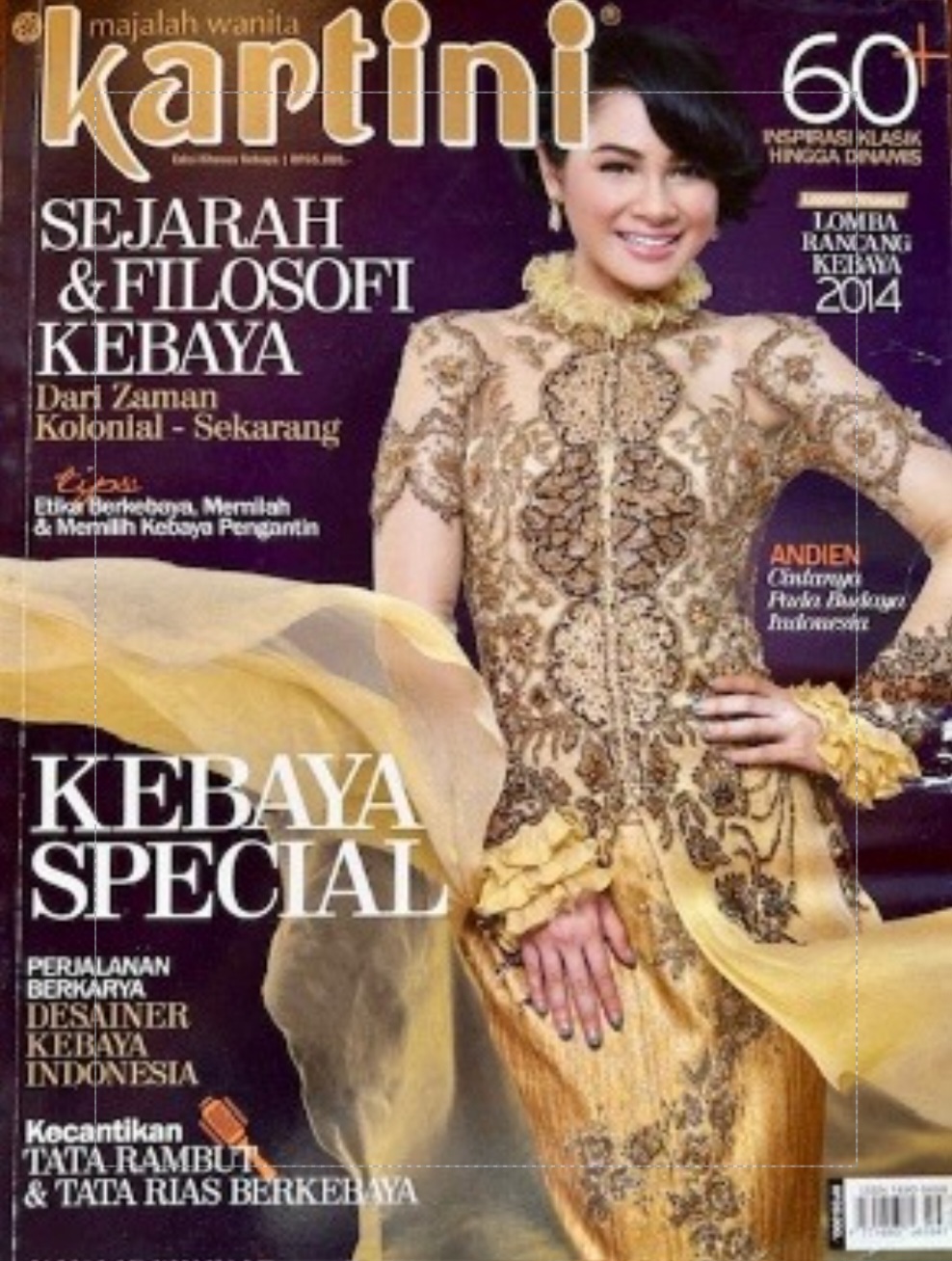
Author: Unknown, 2014, 138pg. (Indonesian). Magazine
Publisher: Kartini Cahaya Lestari, Jakarta
This edition of Kartini has been dedicated to the subject of the kebaya, a blouse that is worn on top of a sarong or kain panjang. Besides the history and philosophy, the article also discusses the structure of the kebaya from colonial time to the present. The article also mentions the ethics of wearing a kebaya, and how to wear a wedding kebaya. In addition the discussion turns around how kebaya designers in Indonesia are doing, all about wedding makeup and the dress code for kebaya outfit.
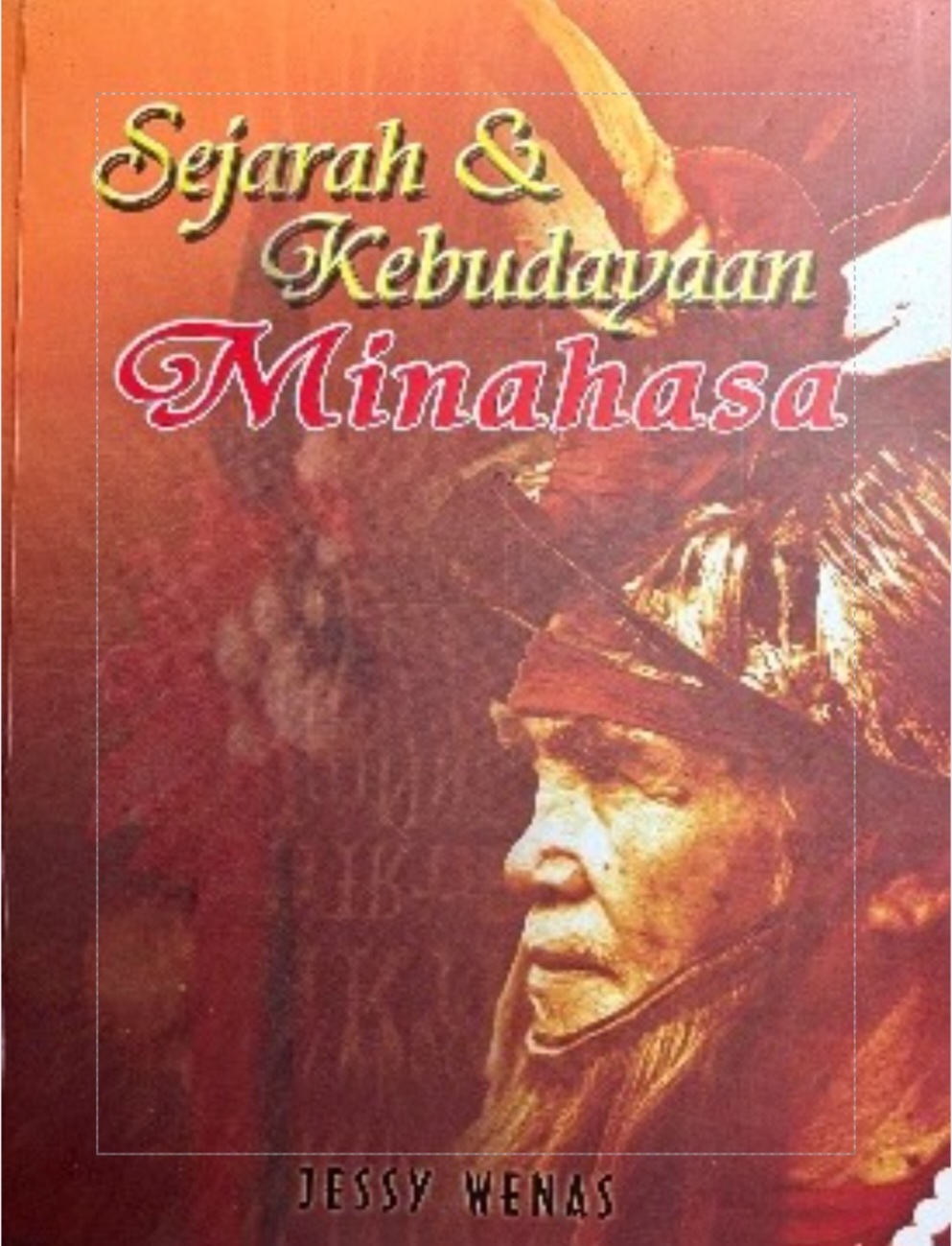
Author: Jessy Wenas, 2007. 181pgs (Indonesian). Softcover
Publisher: Institut Seni Budaya Sulawesi Utara
This monograph situates the intellectual and creative contributions of Jessy Wenas, a prolific journalist, poet, and cultural historian whose lifelong engagement with the traditions of the Minahasa has yielded a body of work of considerable ethnographic and historiographic significance. Born in Minahasa, Wenas has dedicated his career to documenting the cultural lifeworld of his community through diverse mediums—song, poetry, and prose—while simultaneously undertaking rigorous historical inquiry. Over the past two decades, Wenas has pursued an archival methodology, systematically collecting rare missionary texts and colonial records from the Portuguese, Spanish, and Dutch periods of occupation. These sources, often overlooked in mainstream historiography, serve as the foundation for his reconstruction of Minahasan origins and identity. His approach exemplifies a historical-ethnographic synthesis, wherein textual analysis of colonial manuscripts is interwoven with oral traditions, ecological observations, and cultural practices. The scope of his work is expansive. Wenas delineates the environmental and geographical contours of North Sulawesi, traces the demographic shifts and migratory trajectories of ethnic groups, and situates these within broader historical processes—from prehistoric developments to the successive waves of European and Japanese occupation, culminating in the incorporation of Minahasa into the modern Indonesian nation-state. His historiography is not merely chronological; it is interpretive, foregrounding the interplay between external colonial forces and internal cultural resilience. Equally central to his monograph is the ethnographic documentation of Minahasan art, religious traditions, social organization, and technological practices. Wenas devotes particular attention to the transformative role of Christian missionaries, whose introduction of formal education and schools reshaped the intellectual landscape of the region. His analysis of life-cycle rituals—birth, marriage, death—provides a nuanced ethnological account of Minahasan social continuity, while his chapters on fauna and flora underscore the ecological embeddedness of cultural identity. By integrating archival historiography with ethnographic observation, Wenas’s work exemplifies a methodological commitment to preserving cultural memory while critically interrogating the legacies of colonialism. His monograph thus stands as both a cultural testament and a scholarly contribution to the study of Indonesian ethnology and regional historiography.
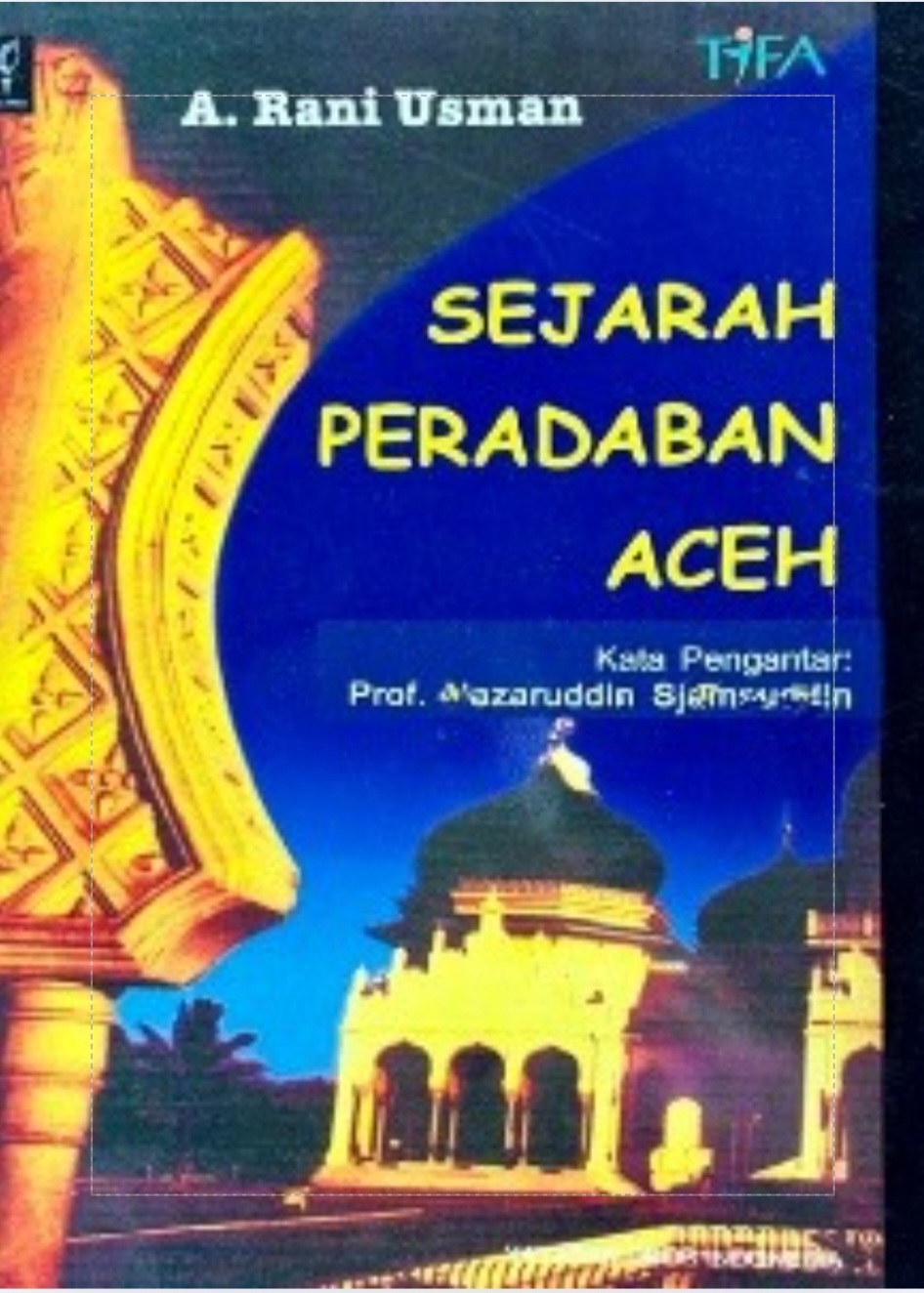
Author: A. Rani Usman, 2003. 156pgs. (Indonesian). Softcover
Publisher: Yayasan Obor, Jakarta
Scholarship on the Acehnese ethnic group has long emphasized their strategic position in North Sumatra, located along the maritime trade routes that historically connected the western and eastern worlds. Early historical accounts underscore Aceh’s role as a hub of commerce and cultural exchange, particularly in relation to India, Persia, China, and the Middle East. These interactions contributed to the formation of a distinctive cultural identity that set the Acehnese apart from other ethnic groups within the Indonesian archipelago. Anthropological studies have further illuminated the uniqueness of Acehnese society, focusing on their religious practices, kinship structures, and socio-economic networks. Scholars argue that Aceh’s Islamic identity, shaped by centuries of contact with Middle Eastern traders and scholars, became a defining feature of its cultural distinctiveness. Comparative analyses often highlight how Acehnese traditions diverge from those of neighboring ethnic groups, reinforcing the perception of Aceh as a culturally autonomous region. Political science and historical research have examined the fraught relationship between Aceh and the Indonesian central government, particularly during the period of DOM (Daerah Operasi Militer). Recent works have shifted toward analyzing the broader social transformations within Acehnese society, including the impact of globalization, migration, and post-conflict reconstruction. These studies highlight both resilience and adaptation, noting how Acehnese communities negotiate modernity while preserving cultural heritage. However, gaps remain in the literature regarding the intersection of economic development and cultural preservation, as well as the long-term effects of state intervention on local governance. In sum, the existing body of scholarship provides a rich interdisciplinary perspective — spanning history, anthropology, and political science — on the Acehnese. Yet, further research is needed to explore how contemporary socio-economic changes interact with historical legacies, and how Aceh’s unique identity continues to evolve within the broader Indonesian context.
Page 75 of 108