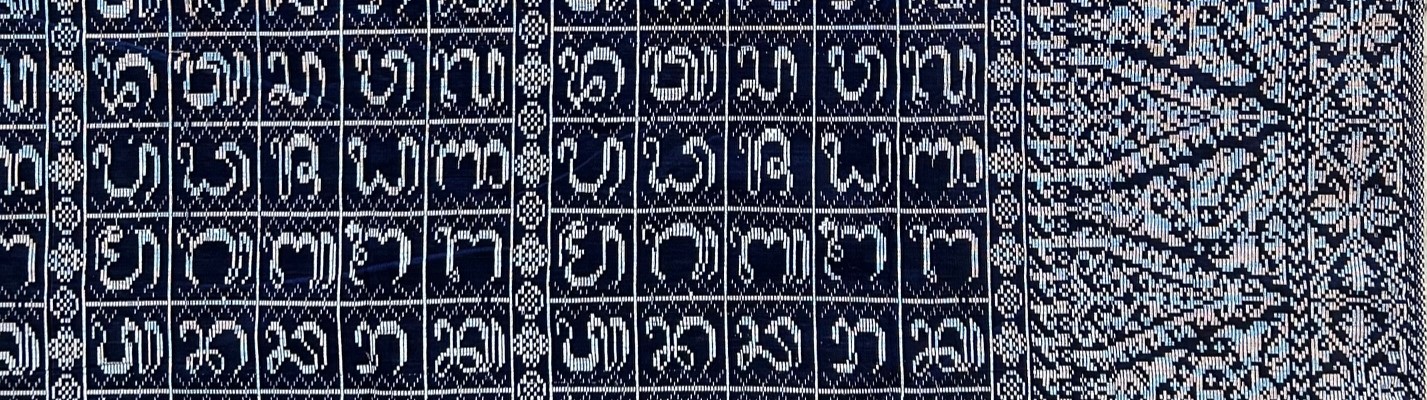
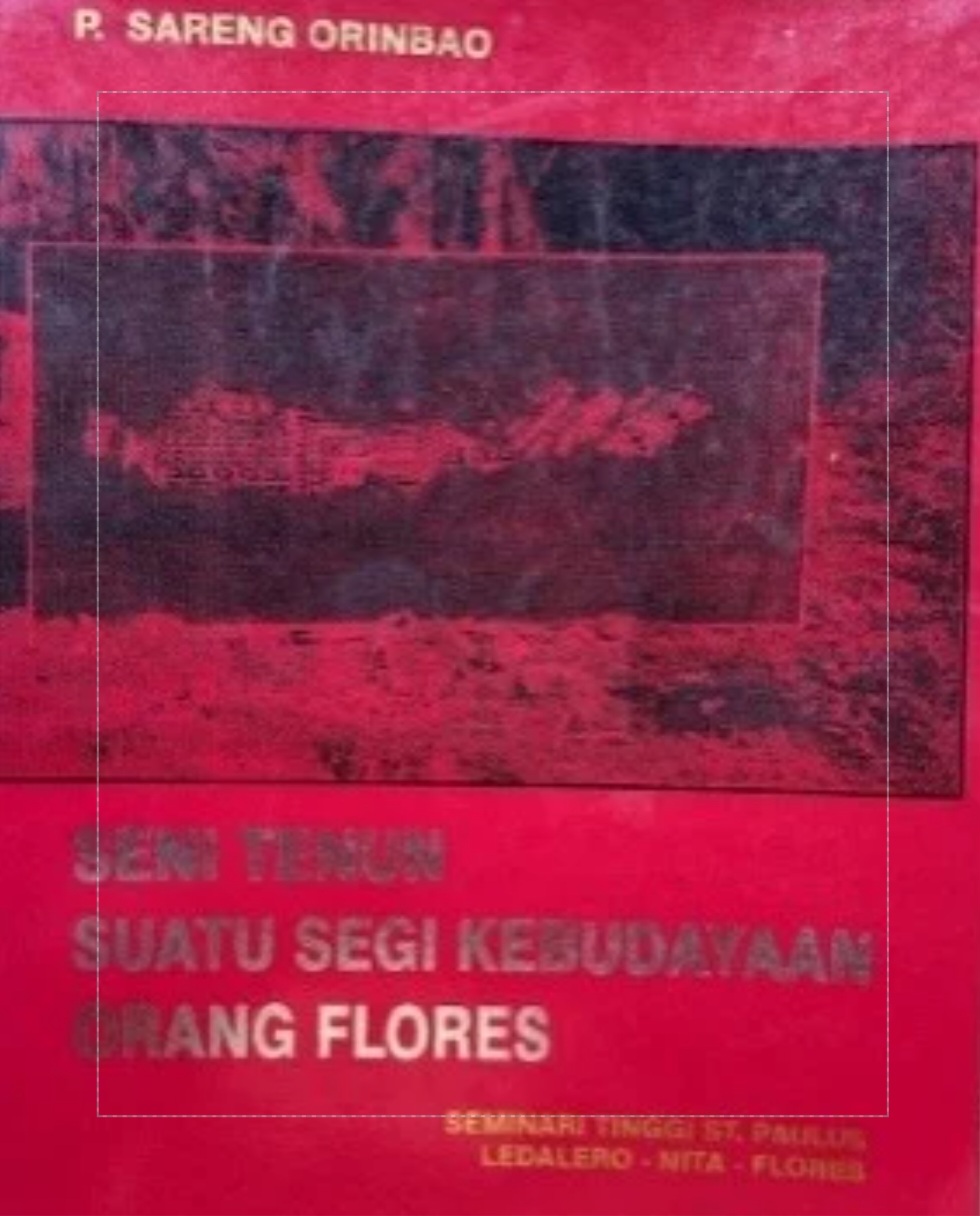
Author: P. Sareng Orinbao, or Pater Piet Petu SVD, 1992, 236pg. (Indonesian). Photocopied version.
Publisher: Seminari Tinggi St. Paulus, Ledalero, Nita, Flores
The author is a Catholic priest belonging to the Societas Verbi Divini (SVD), a religious order based in Ledalero, Nita, Flores. His academic formation encompasses studies in philosophy, theology, and history. In addition, he served as curator of the Blikon Blewut Museum, established in 1965, whose name—translated as “Fragility in Need of Protection”—encapsulates its guiding ethos. In the opening chapter, the author provides a detailed exposition of traditional weaving techniques. The subsequent chapter shifts focus to the aesthetic dimensions of weaving, with particular attention to the warp textiles of Mbuli Nggela, Ende Ndona, and Krowe-Sika. The later chapters extend this analysis to the historical and cultural influences shaping Flores’ cloth traditions, including the impact of Patola and Cinde textiles, as well as the philosophical imprint of dualism evident in ikat weaving practices.
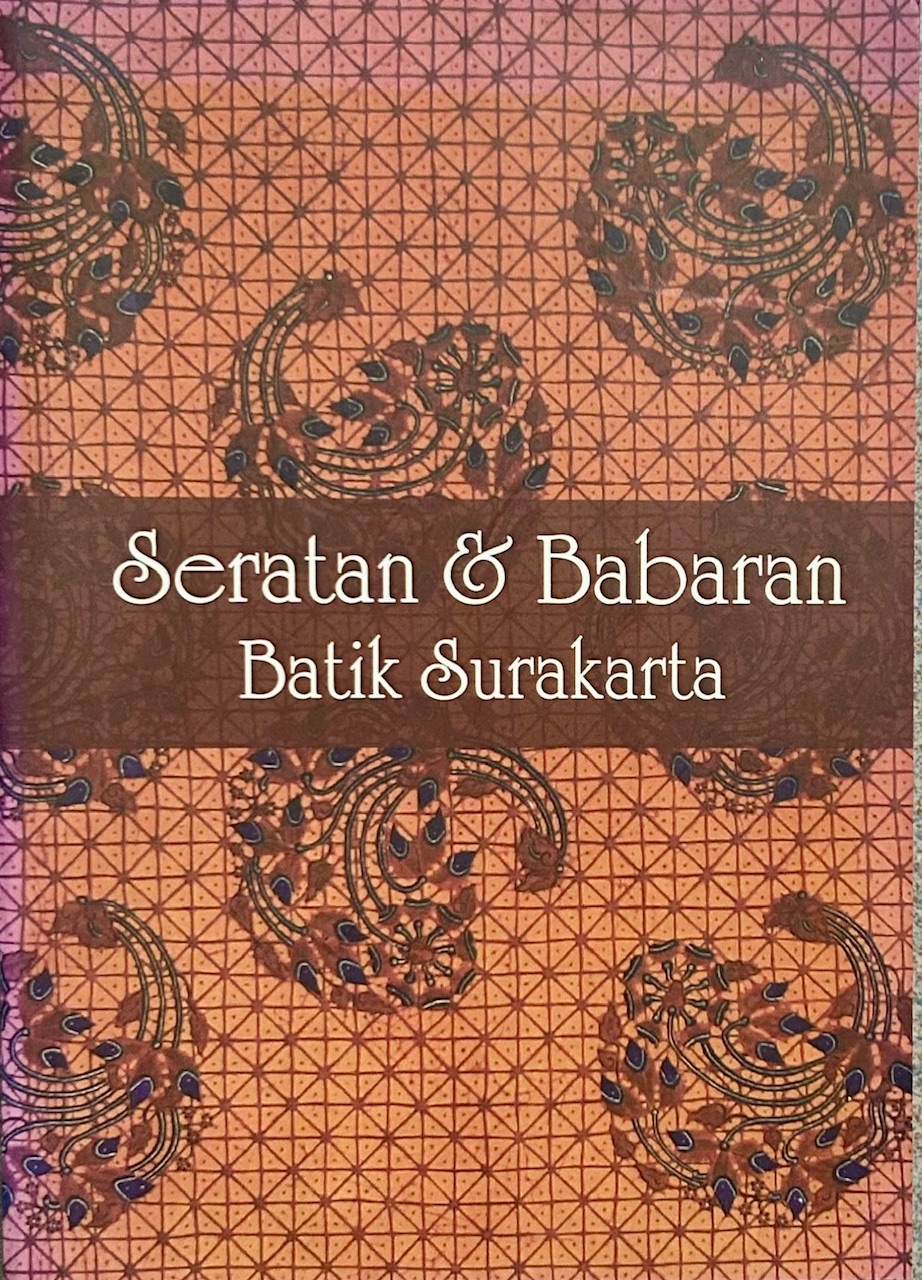
Author: Neneng Iskandar & Benny Gratha, 2012. 32pg. (Indonesian)
Publisher: Musium Tekstil Jakarta
The Gianty Treaty of 1755 divided the Mataram kingdom into three regions: Surakarta, Yogyakarta, and Mangkunegara. Each region has its own unique batik style, defined by different motifs, colors, and traditional wearing practices, as detailed in the catalogue. The collection prominently features Surakarta batik, highlighting its seratan (batik pen writings) and babaran (the creation of batik from start to finish), featuring its distinctive seratan (Javanese for "batik pen writings") and babaran (Javanese for "the creation of batik from beginning to end").
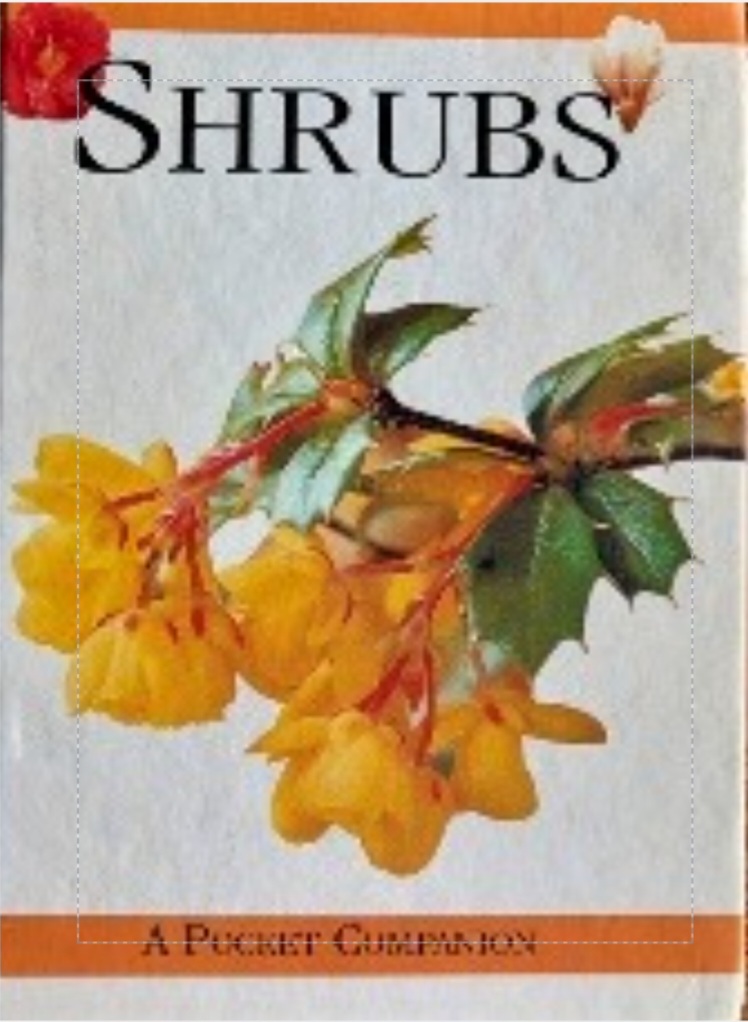
Author: unknown, 1999. 64pgs. (English). Hardcover
Publisher: Grange Books, England
"Shrubs represent a vital component of ecological systems, contributing to biodiversity, environmental stability, and aesthetic value in both natural and cultivated landscapes. This booklet seeks to provide a structured exploration of shrub management, encompassing principles of care, cultivation practices, and the identification of diverse species. By integrating practical guidance with scientific insights, the text aims to serve as both a reference and a handbook for enthusiasts, horticulturists, and scholars who wish to deepen their understanding of these resilient plants. In doing so, it underscores the significance of shrubs not only as ornamental features but also as integral elements of sustainable ecosystems."
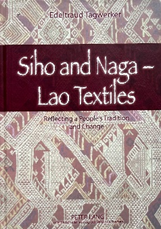
Author: Edeltraud Tagwerker, 2009. 195pg. (English)
Publisher: Peter Lang GmbH, Frankfurt am Main, Germany
Siho and Naga are prominent mythological figures in Lao traditional textiles. This book explores the rich history and culture of artisans who craft exquisite woven cloth, captivating textile enthusiasts worldwide. It showcases rare weaving techniques, intricate patterns, and natural dyes while emphasizing the diverse ethnic groups that thrived in self-sufficient rural communities. Textiles are undeniably central to the social and spiritual life of the Lao people.
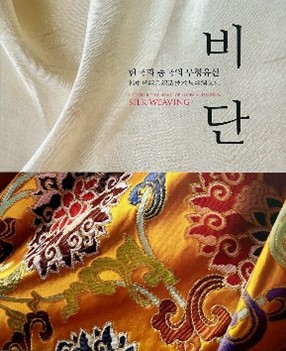
Author: Unknown 2018. 187pg. (Korean, English and Chinese)
Publisher: China National Silk Museum & National Intangible Heritage Center
The book is designed to accompany an exhibition of the same name. This exhibition explores the history of sericulture and showcases silk weaving techniques from Korea and China, along with the subsequent cultures that emerged from these practices. The book provides an overview of the development of silk weaving in both Korea and China.
Page 77 of 108