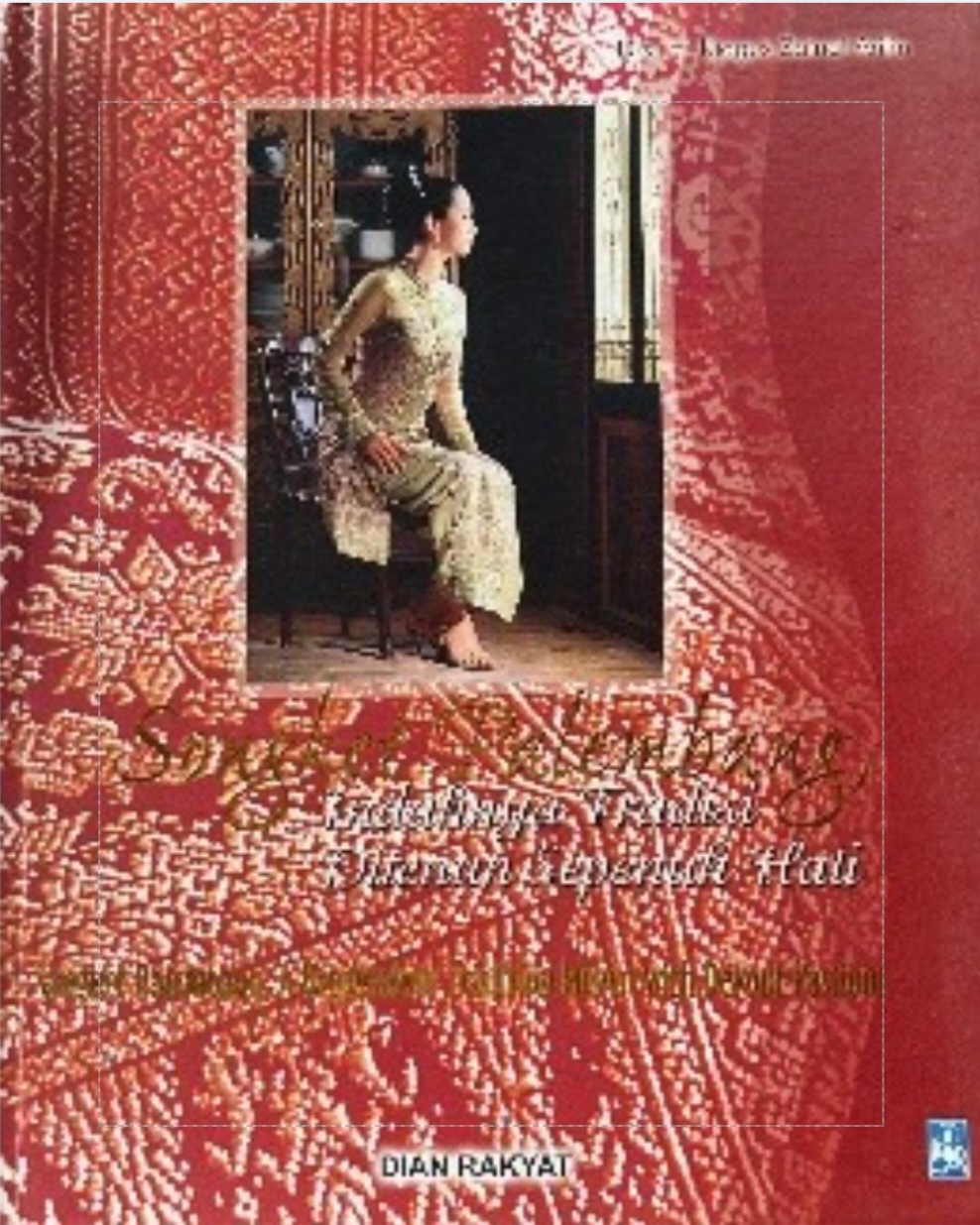
Author: H. Kiagus Zainal Arifin & Nining I. Suryadi 2006, 96pg. (Indonesian & English). Hardcover
Publisher: Dian Rakyat, Jakarta
This book introduces the famous and splendid Songket Textile, a weaving in the supplementary weft technique, displaying bright colors and exquisite gold threads. Songket has always been part of the Sriwijaya traditions, centered in Palembang on the banks of the Musi river since millennia. The book introduces pattern structures and motif variations, and explain their meanings. The book presents colorful pictures and beautiful Songkets. Te Exhibition ran from 26 February to 26 March 1981 at the Jakarta Textile Museum.
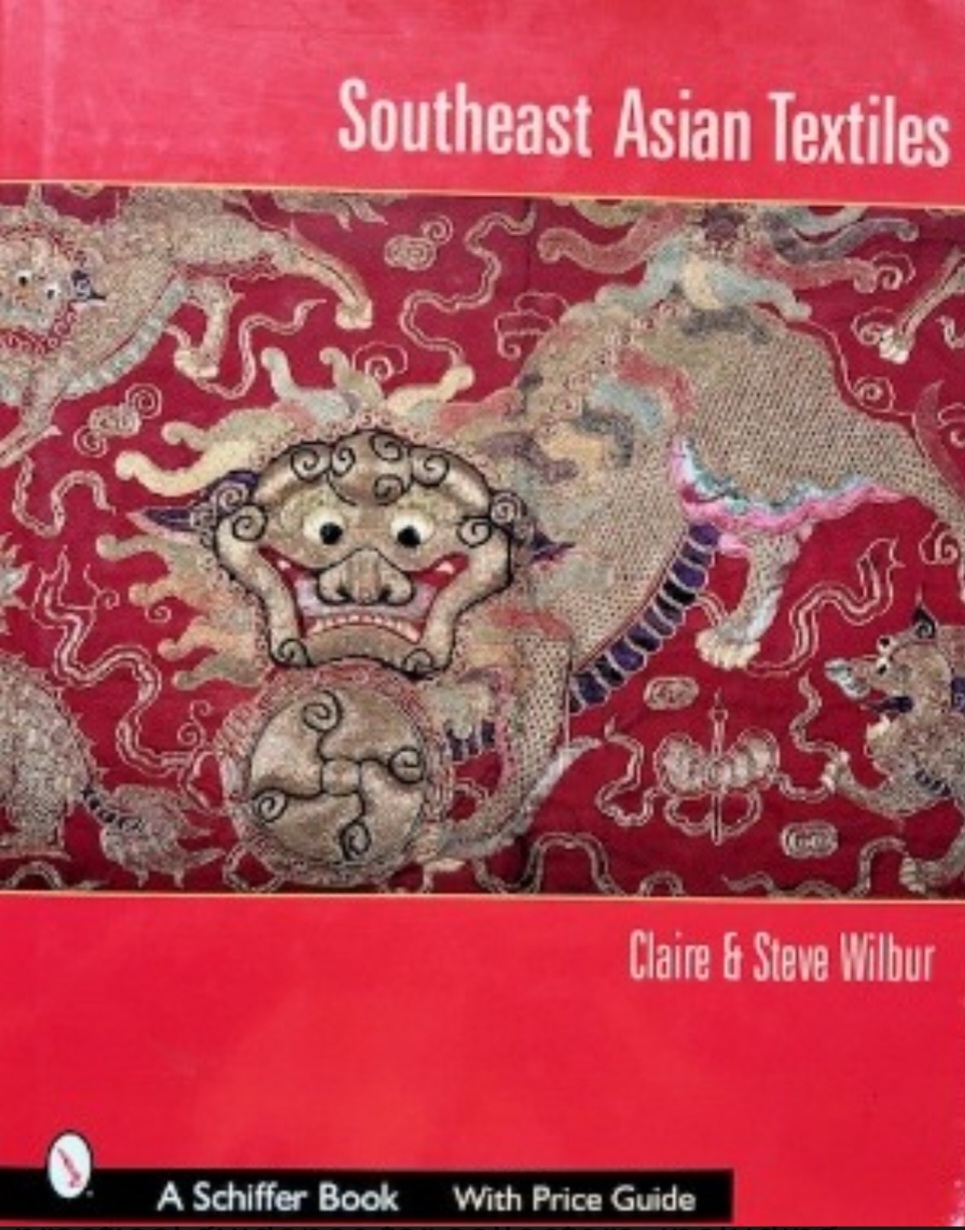
Author: Claire & Steve Wilbur, 2003, 175pg. (English). Hardcover
Publisher: Schiffer Publishing, Atgle, Pennsylvania, USA
This volume offers a comprehensive exploration of the artistic and cultural significance of textiles drawn from the author’s personal collection. Structured across seven chapters, it provides an analytical overview of the diverse styles, motifs, and decorative techniques characteristic of Indonesian textile traditions. In addition to its scholarly examination, the book presents practical guidance for collectors, including methods for evaluating, preserving, and incorporating textiles within domestic settings. Individual chapters are devoted to batik (wax-resist dyed cloth), ikat (bind-resist dyed textiles), and woven fabrics, each examined in detail. Furthermore, Indonesian and technical terminology is elucidated in an extensive glossary, thereby enhancing accessibility for both specialists and general readers.
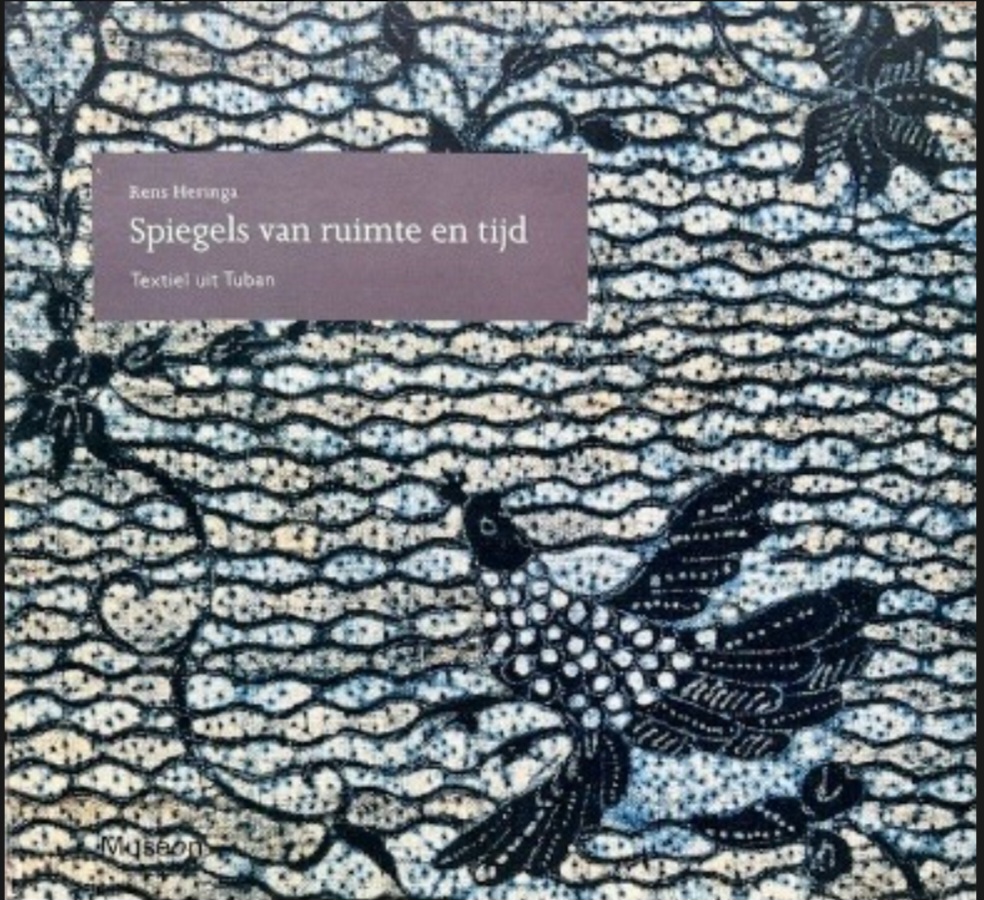
Author: Rens Heringa, 1994, 48pg. (Dutch language). Booklet
Publisher: Museon, Den Haag, Netherlands
This booklet presents nineteen examples of woven textiles and hand-drawn batiks, accompanied by detailed explanations of their motifs, chromatic symbolism, and cultural applications. The Tuban collection housed in the Museon comprises more than one hundred artifacts, systematically assembled between 1979 and 1990 by Rens Heringa, a Dutch anthropologist whose work has significantly contributed to the documentation and preservation of Indonesian textile traditions.
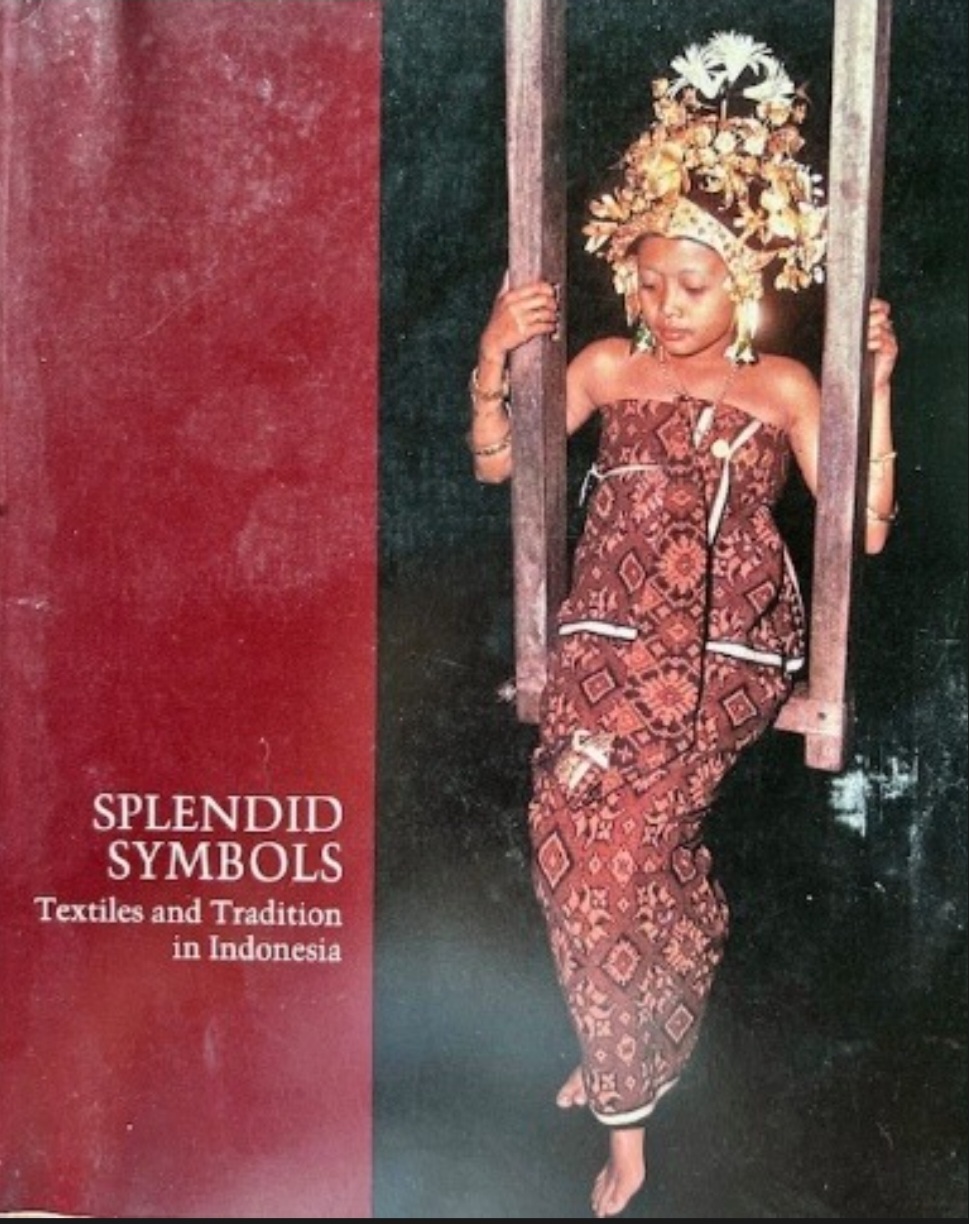
Author: Mattiebelle Gittinger, 1979. 240pg. (English). Softcover.
Publisher: The Textile Museum, Washington DC. USA
This volume seeks to examine the multifaceted role of textiles within the social customs and religious practices of Indonesia, while simultaneously serving as a comprehensive catalogue for an exhibition dedicated to Indonesian textile traditions. It addresses the function of cloth as both a gift and a marker of prestige, situating textiles within ceremonial and ritual contexts. Embedded within their intricate designs are symbolic messages, and textiles further assume significance as elements of costume. In addition, the book highlights the diverse geographic regions of Java, Sumatra, Kalimantan, Sulawesi, the Lesser Sunda Islands/East Nusa Tenggara, and the Moluccas, thereby underscoring the breadth of Indonesia’s textile heritage.
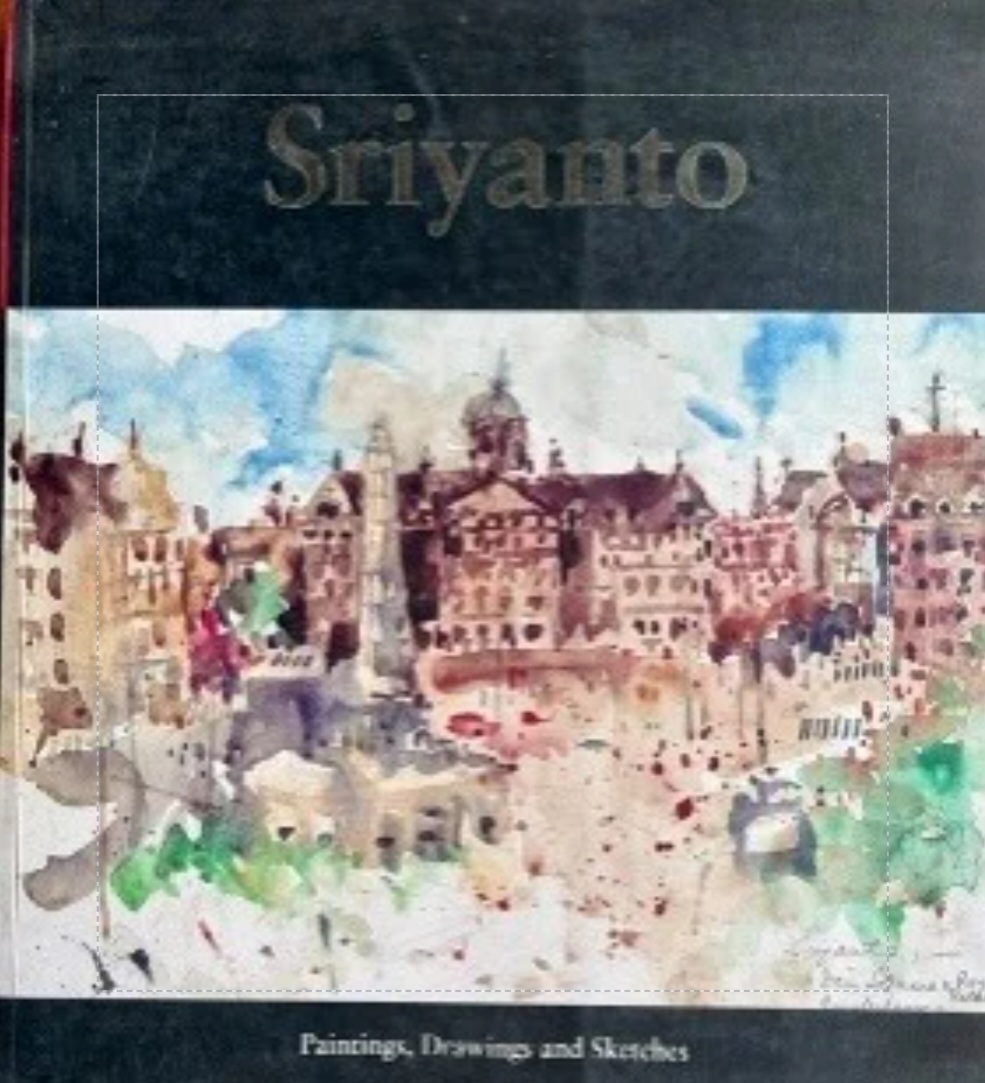
Author: Sriyanto, 2000. 211pgs. (English). Softcover. Catalog
Publisher: Galery Sriyanto, Pondok Indah, Jakarta.
This coffee-table book features paintings, Drawings and sketches of the painter Sriyanto.
Page 79 of 108