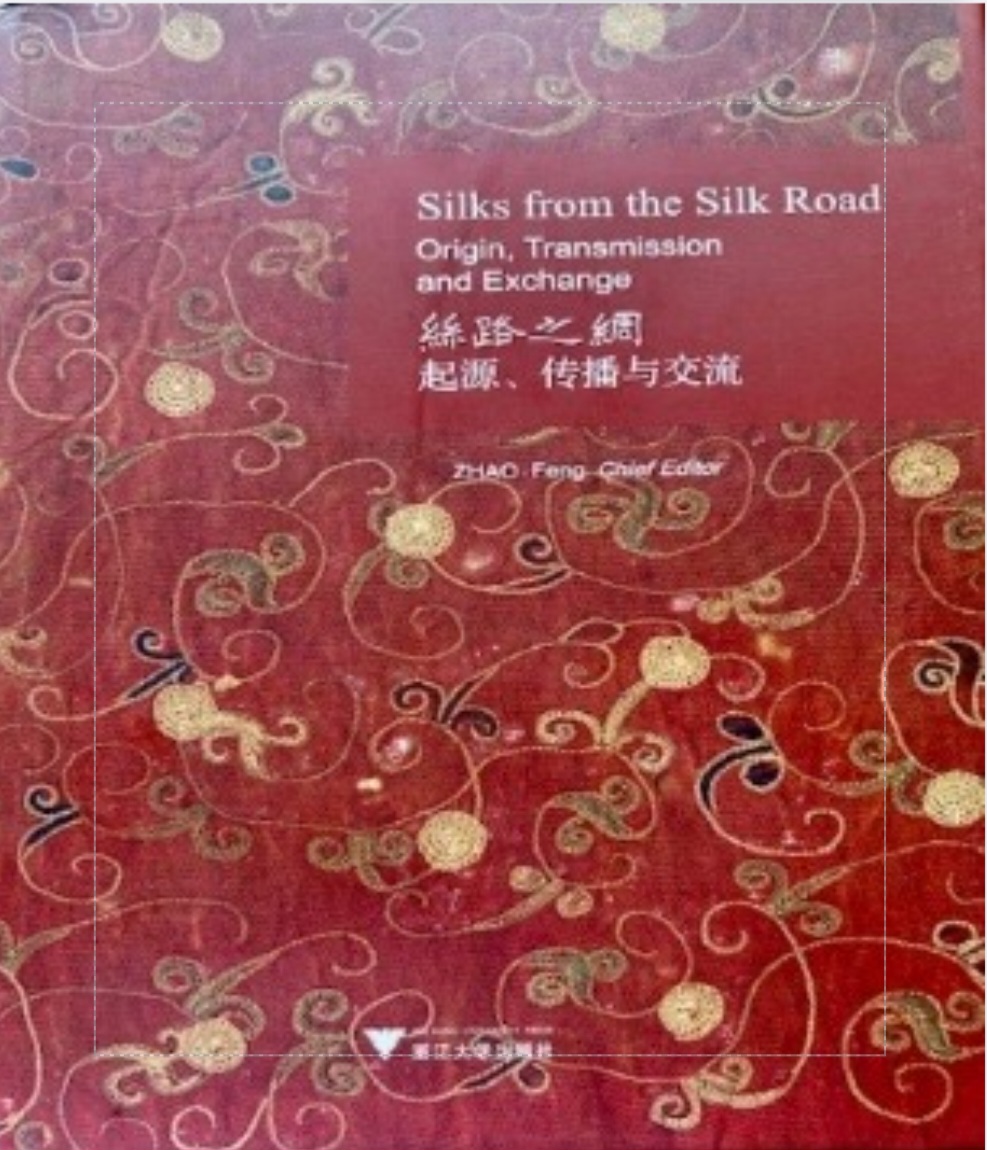
Author: Zhao Feng, chief editor, 2015. 229pg. (English and Mandarin). Hardcover
Publisher: Zhejiang University Press, Hangzhou, Zhejiang Province, China
This volume presents seminal examples of silks and textile artifacts that illuminate the historical trajectory of silk production in China, its diffusion to the West, and the broader patterns of cultural exchange facilitated by the Silk Road. The work underscores its scholarly value by offering a comprehensive resource for examining both the technical innovations and cultural significance of silk, enriched with high-quality illustrations of artifacts curated from leading Chinese museums. Designed to engage a diverse readership, the book appeals to those seeking a general overview of the Silk Road as well as specialists in ancient textiles and Asian history. Moreover, it provides nuanced insights into the economic and political dimensions of premodern trade, situating silk as a lens through which to understand the complexities of intercultural interaction and global exchange.
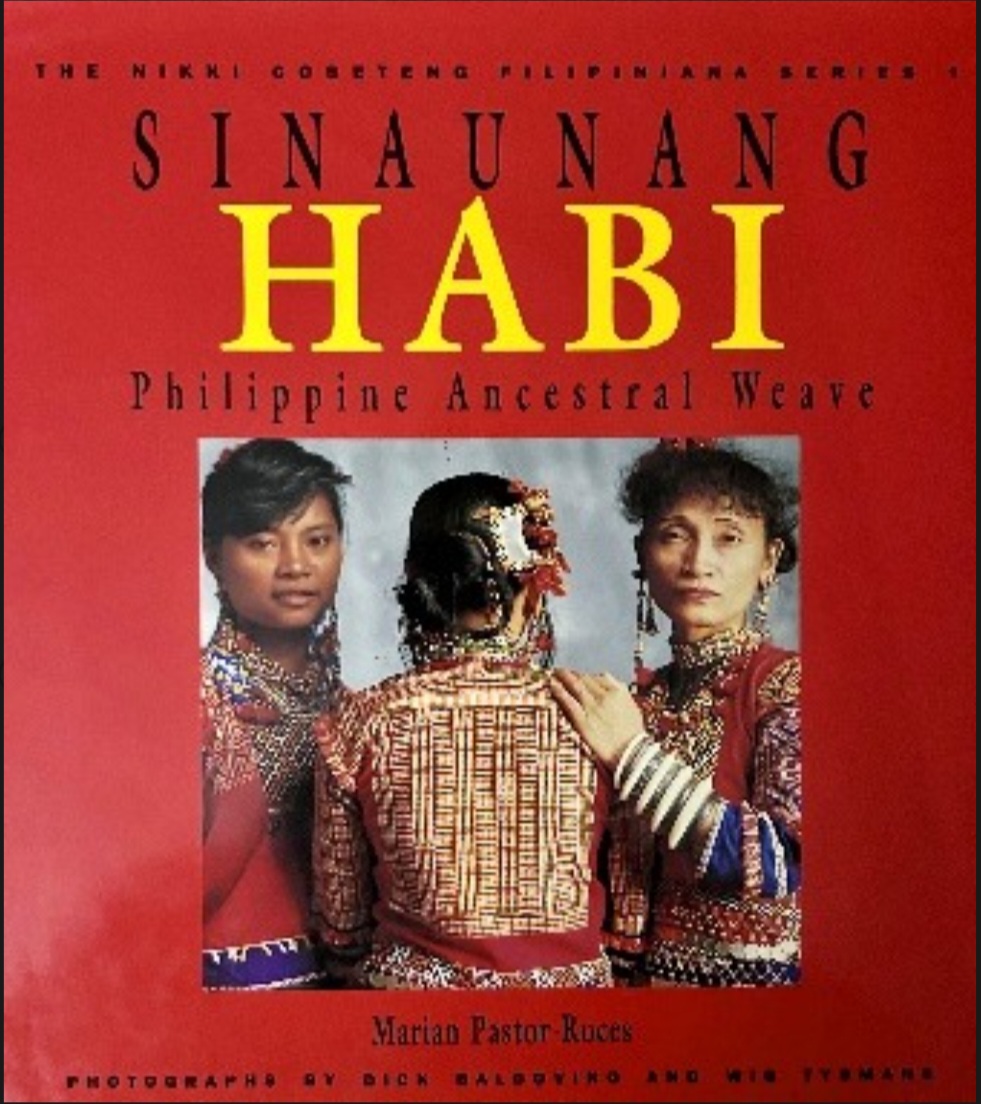
Author: Marian Pastor Roces, 1991, 312pg. (English). Hardcover The Nikki Coseteng Philipiniana Series vol. 1
Publisher: NIKI Books, Pasay City, Philippines
The book is an exceptionally informative volume, distinguished by its copious and judicious use of high-quality images, accompanied by detailed explanatory text and comprehensive charts. Together, these elements vividly illuminate the diverse ethnic composition of the Philippines. Beyond its function as an aesthetically engaging coffee-table book, it serves as a valuable cultural resource for individuals seeking to preserve their Philippine heritage, as well as a practical reference for traditional costumes employed in Philippine performing arts.
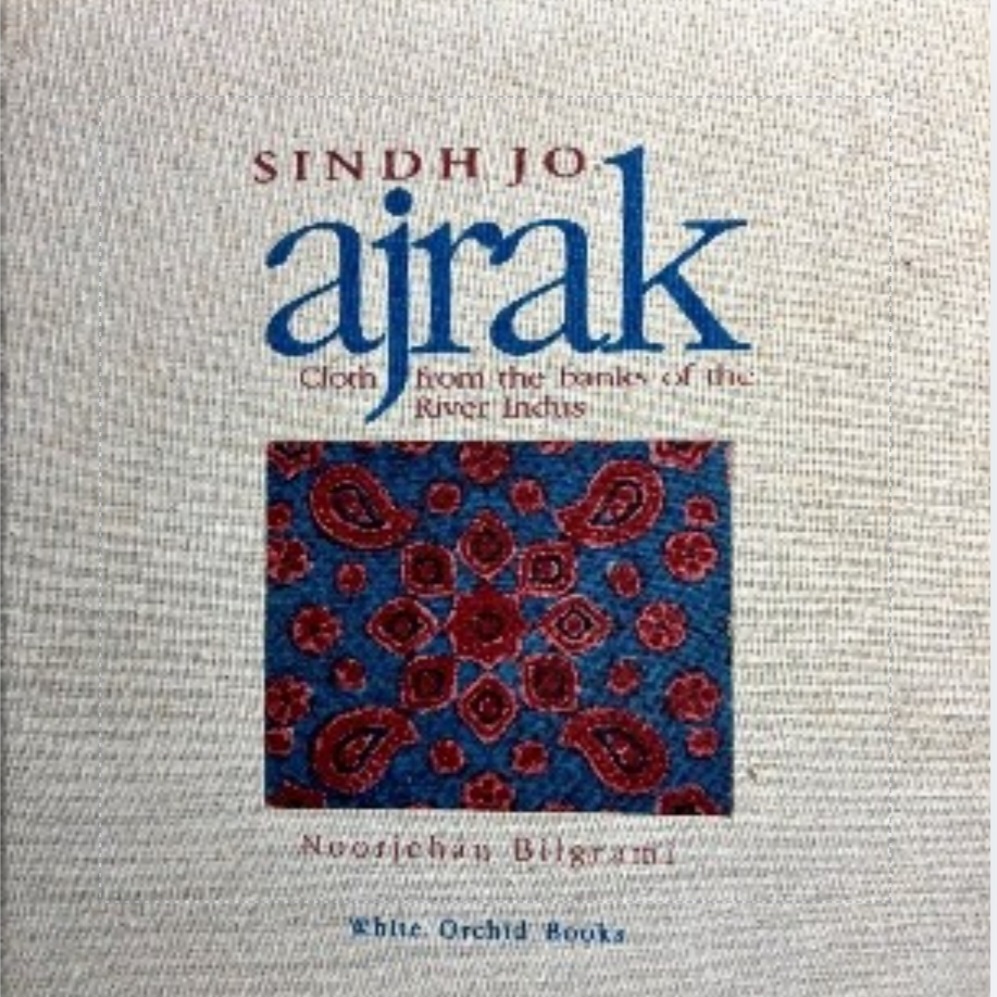
Author: Noorjehan Bilgrami, 1998. 178pgs. (English). Hardcover
Publisher: White Lotus, Bangkok
Bilgrami’s monograph emerges as a landmark contribution to the study of South Asian textile traditions, distinguished by its exhaustive research and meticulous documentation. The volume not only reconstructs the historical trajectory of the ancient double-printed cotton cloth of Sindh, Pakistan, but also illuminates the intricate twenty-step production process that continues to define the craft. In doing so, it functions simultaneously as a historical treatise and as a living directory of the few remaining master artisans who safeguard this fragile heritage. The author’s analytical strength lies in his ability to disentangle the technical complexities of ajrak production. He offers a lucid exposition of the precise application of resists, the deployment of natural dyes, and the repeated washings in the waters of the Indus River—ritualized acts that imbue the cloth with both durability and symbolic resonance. Bilgrami situates these practices within a broader cultural framework, tracing their genealogies to the ancient civilization of Mohenjo-Daro and to the mystical traditions of Sufism. The monograph demonstrates how the cloth’s geometric configurations and cosmic motifs are not merely decorative but are deeply enmeshed with the landscape, cosmology, and spiritual life of Sindh. Equally compelling is the book’s visual dimension. The inclusion of richly detailed photography provides readers with rare insight into the tactile and aesthetic qualities of ajrak, capturing the rhythm of labor and the artistry of design. This visual testimony complements the textual analysis, rendering the work accessible to both scholars and practitioners. The reception of the monograph has been resoundingly positive. Textile researchers commend its methodological rigor and ethnographic sensitivity, while artisans recognize it as a monumental preservation of their craft. By bridging academic scholarship with artisanal voices, Bilgrami’s work transcends disciplinary boundaries, positioning itself as both a scholarly resource and a cultural archive. In sum, this monograph stands as a monumental achievement in textile studies. It not only advances academic discourse on South Asian material culture but also underscores the urgency of safeguarding intangible heritage in the face of modernity’s encroachments. Its synthesis of historical depth, technical precision, and cultural interpretation ensures its enduring relevance to scholars of textile history, South Asian studies, and heritage preservation.
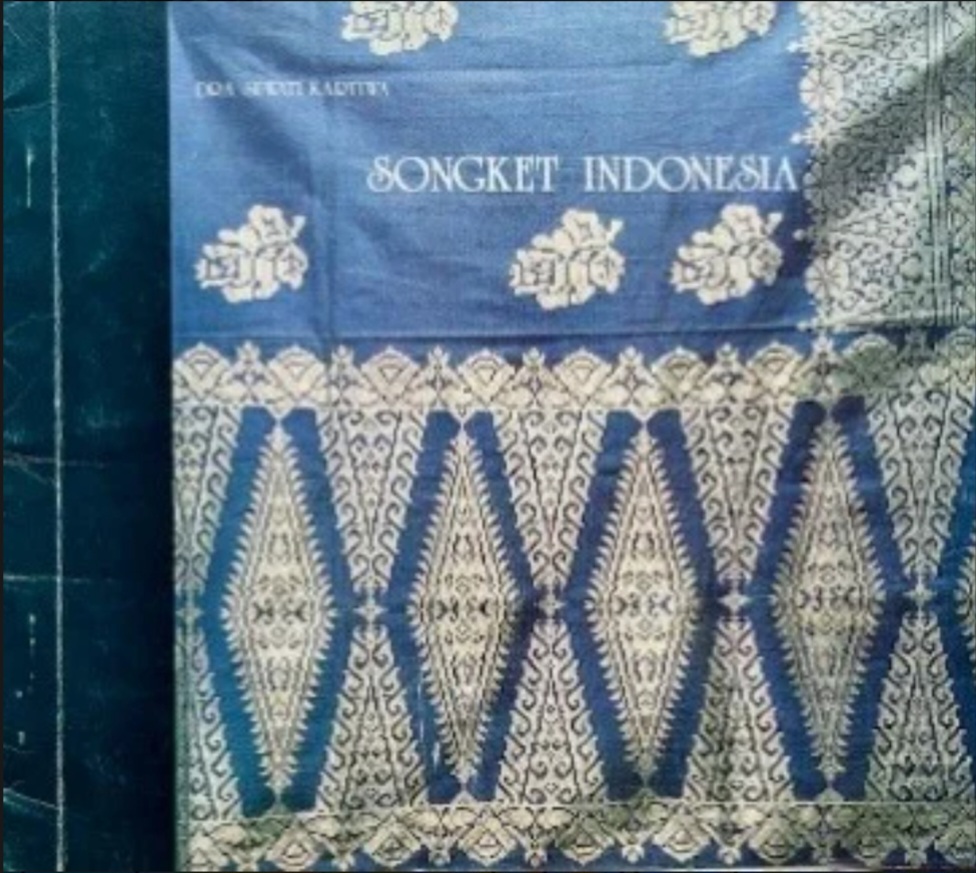
Author: Suwati Kartiwa, 1992, 84pg. (Indonesian). Softcover
Publisher: Museum Nasional, Jakarta
The volume offers a comprehensive introduction to Indonesian songket textiles, drawing upon exemplary pieces from the collections of the National Museum, Himpunan Wastraprema, and the Jakarta Textile Museum, as well as from distinguished private holdings. The survey encompasses representative works originating from diverse regions, including Sumatra, Kalimantan, Sulawesi, Bali, and both West and East Nusa Tenggara.
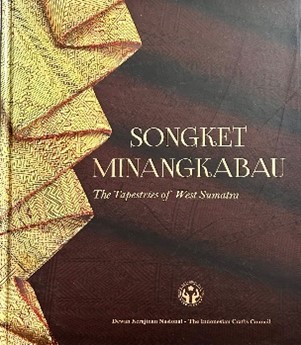
Author: Christina Udiani & Riza Mutia. 2019. 375 Pg. (Indonesian and English)
Publisher: DEKRANAS (The Indonesian Crafts Council), Jakarta
"The Tapestries of West Sumatra" is the first publication focused on the rich tradition of songket in many years. It showcases the largest unpublished collection of the Adityawarman Museum in Padang and provides a detailed illustrated explanation of the traditional costumes from eighteen nagari (districts) of West Sumatra.
Page 78 of 108