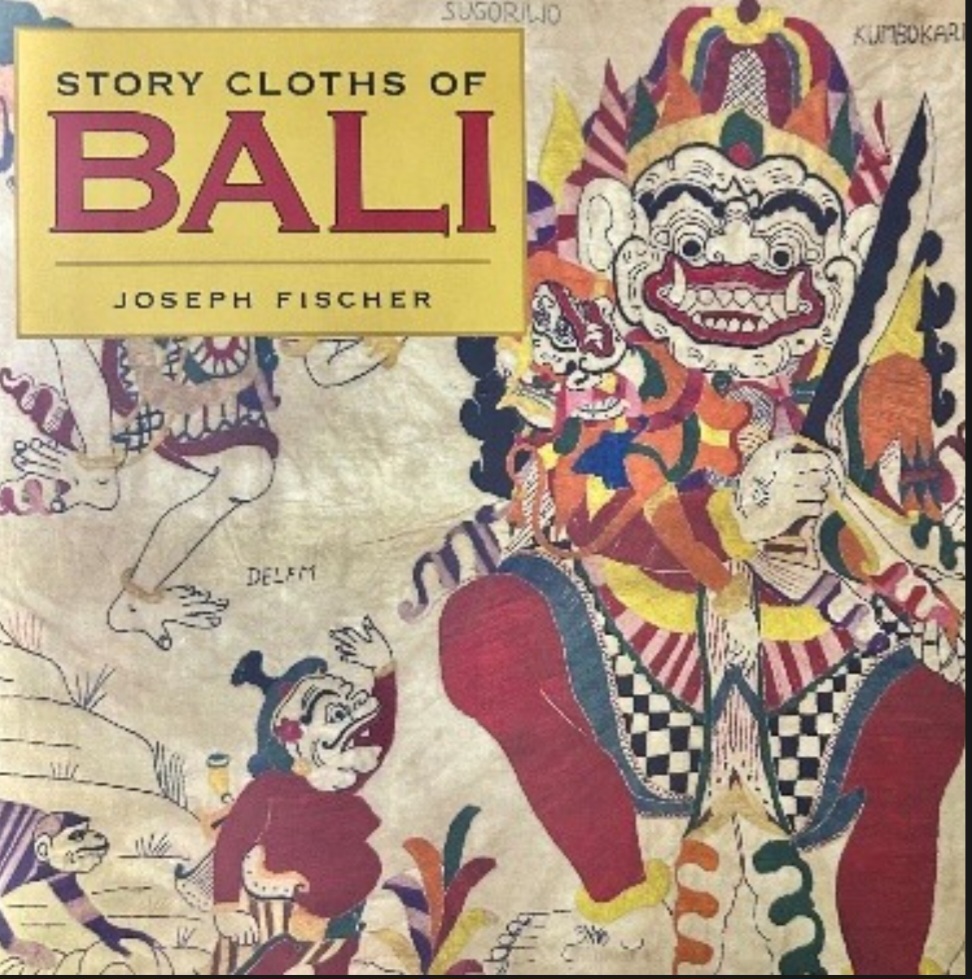
Author: Joseph Fisher, 2004. 144pgs. (English). Hardcover
Publisher: Ten Speed Press, Berkeley, California
For millennia, Balinese textile artisans have transformed plain cloth into intricate visual narratives, embellishing fabric with elaborate depictions of canonical folktales. These vividly hand-embroidered textiles not only exemplify aesthetic mastery but also provide profound insight into the enduring tradition of oral storytelling. In Story Cloths of Bali, Indonesian arts scholar Joseph Fisher presents more than one hundred of these remarkable embroidered works, accompanied by an engaging and instructive commentary on methods of studying and appreciating traditional Balinese culture. Within Balinese and Hindu temples, household ancestral shrines, and village ceremonial structures, story cloths function as ritual adornments and sacred offerings. Fisher’s analysis extends beyond their ceremonial role, examining the diverse stitching techniques employed in their creation and elucidating the cultural symbolism embedded in each textile. Collectively, these works embody the intersection of artistry, spirituality, and cultural heritage, underscoring the centrality of textile traditions in Balinese identity.
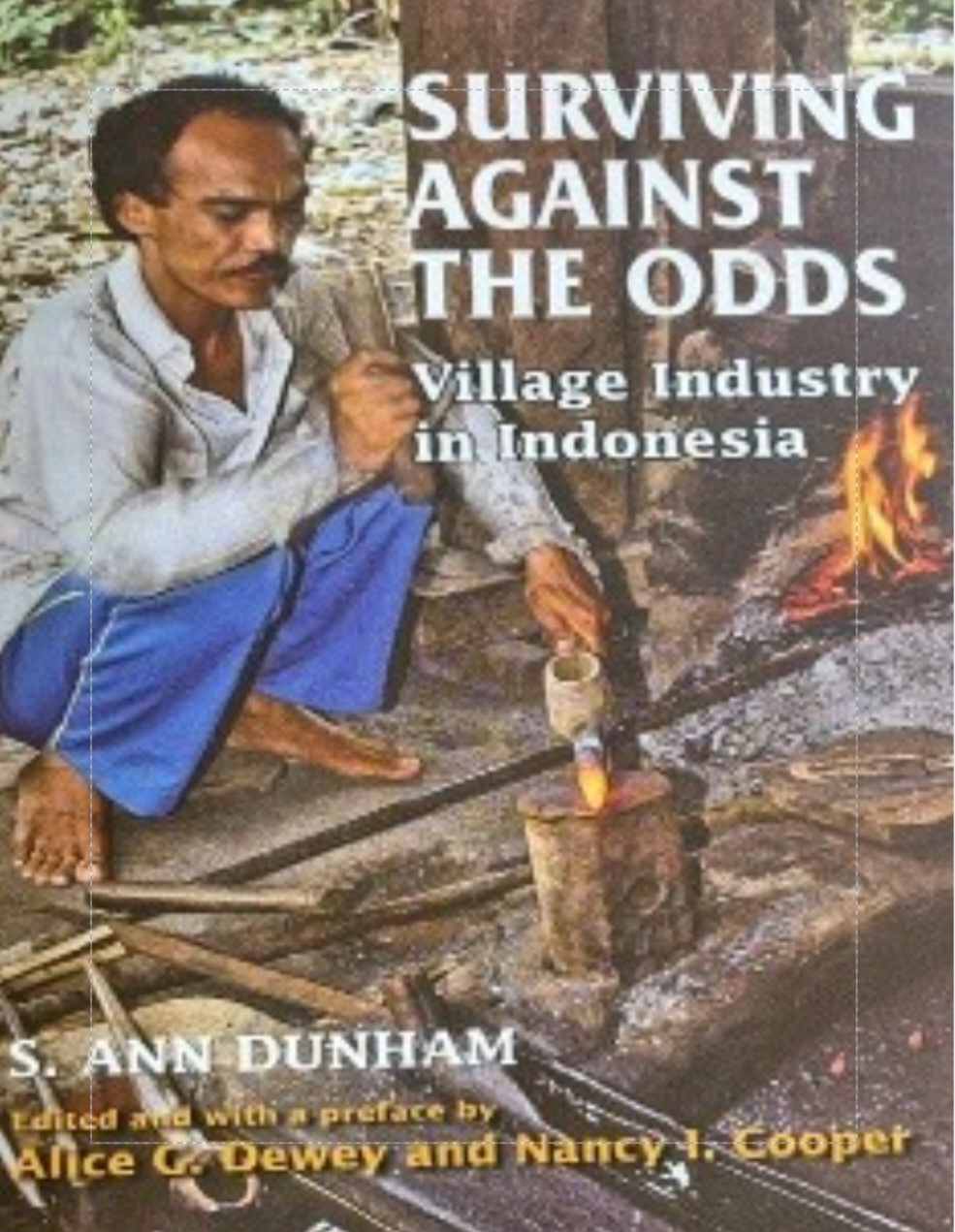
Author: S. Ann Dunham, 2009. 379pgs. (English). Softcover
Publisher: NUS Press, Singapore & The Lontar Foundation, Jakarta
This volume represents the anthropological study authored by Ann Dunham, the mother of President Barack Obama, and stands as a testament to her profound knowledge of, and deep affection for, the Southeast Asian nation of Indonesia. The work simultaneously attests to Dunham’s integrity and intellectual rigor as a cultural anthropologist. Dunham was awarded her doctorate in 1992, based on fieldwork conducted intermittently over a fourteen-year period that examined rural industries in Indonesia, with particular emphasis on metalworking in Java. Tragically, she passed away in 1995 at the age of fifty-two, before completing revisions to her dissertation. At the request of her daughter, Maya Soetoro-Ng, Dunham’s advisor, Alice G. Dewey, together with fellow graduate student Nancy L. Cooper, edited the manuscript to produce Surviving Against the Odds. This publication serves as a tribute to Dunham’s unwavering dedication to sustaining small-scale industries, her pragmatic and non-ideological approach to research and problem-solving, and her remarkable command of historical context, economic data, and development policy.
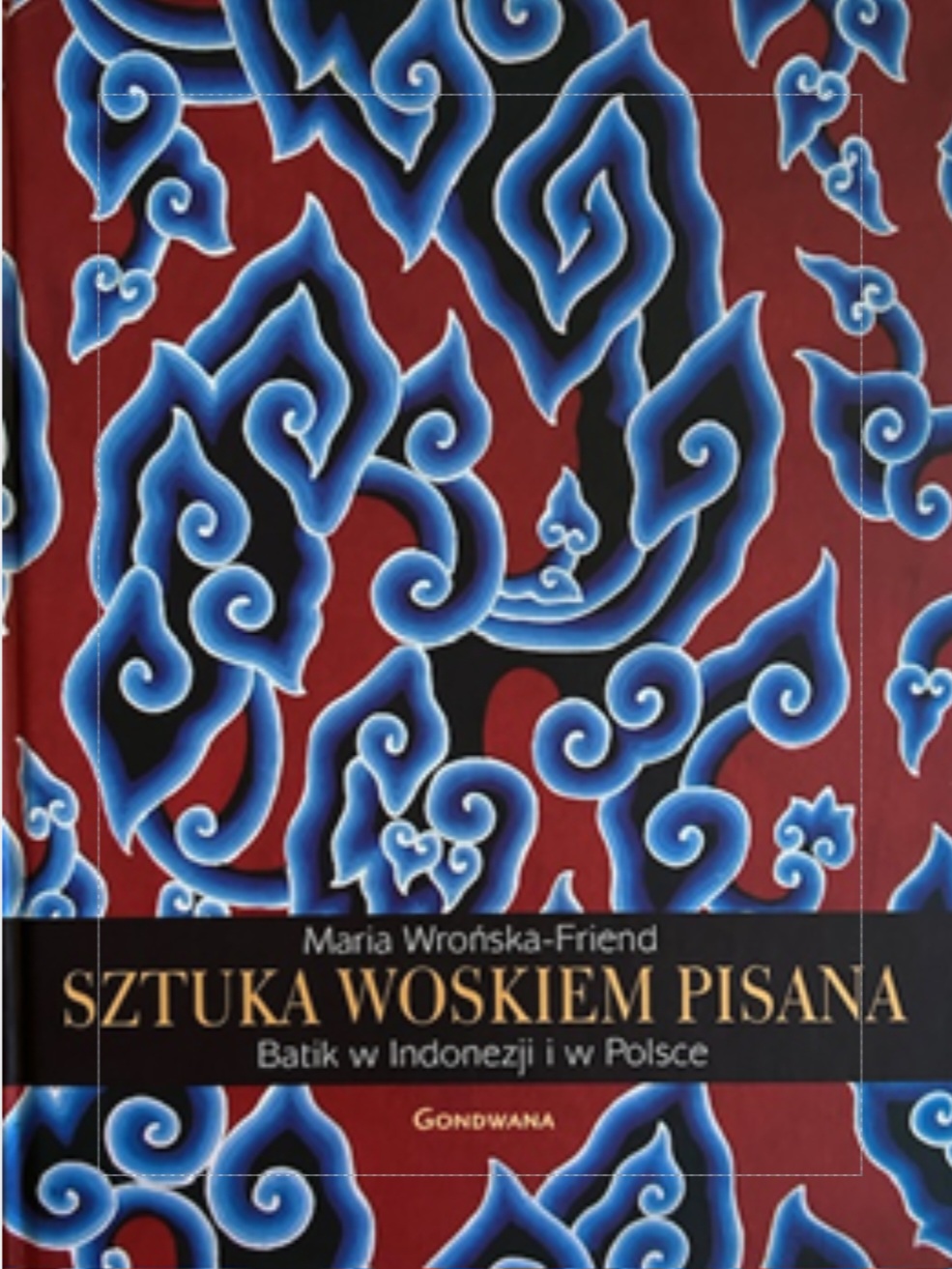
Author: Maria Wronska-Friend, 2008, 255pg. (English & Polish). Hardcover
Publisher: Gondwana, Warsawa, Poland
The book presents a comparative exploration of batik traditions from both Indonesia and Poland, highlighting the cultural dialogues embedded within textile art. In Chapter 1, Maria offers a nuanced account of the Javanese cosmological worldview, situating it within the broader framework of fifteenth-century Java. Her discussion encompasses the symbolic role of spices, the intricate artistry of textiles, and the encounters with foreign traders, thereby illustrating how material culture and intercultural exchange shaped the island’s historical trajectory.
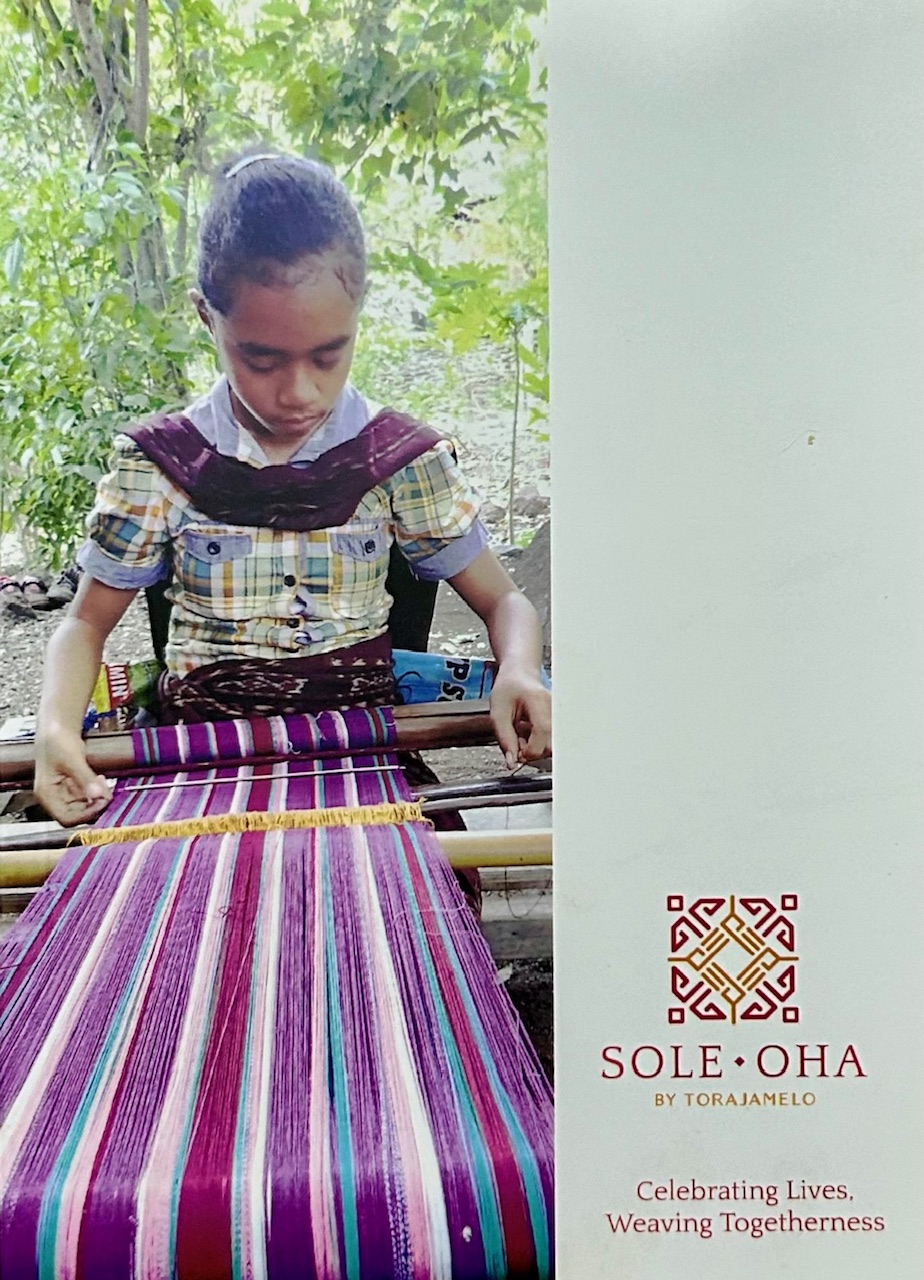
Author: Dinny and Nina Yusuf, 2016. 55pg. (English)
Publisher: Toraja Melo, Jakarta
In her foreword, Judi Achjadi acknowledges the essential support provided by Toraja Melo in Adonara and Lembata. The Sole Oha exhibition powerfully showcases the textiles of these regions on a global platform while preserving their distinct local identity. Toraja Melo is committed to enhancing the income of local weavers, directly benefiting their families. The initiatives led by Toraja Melo are invaluable and deserving of strong support.
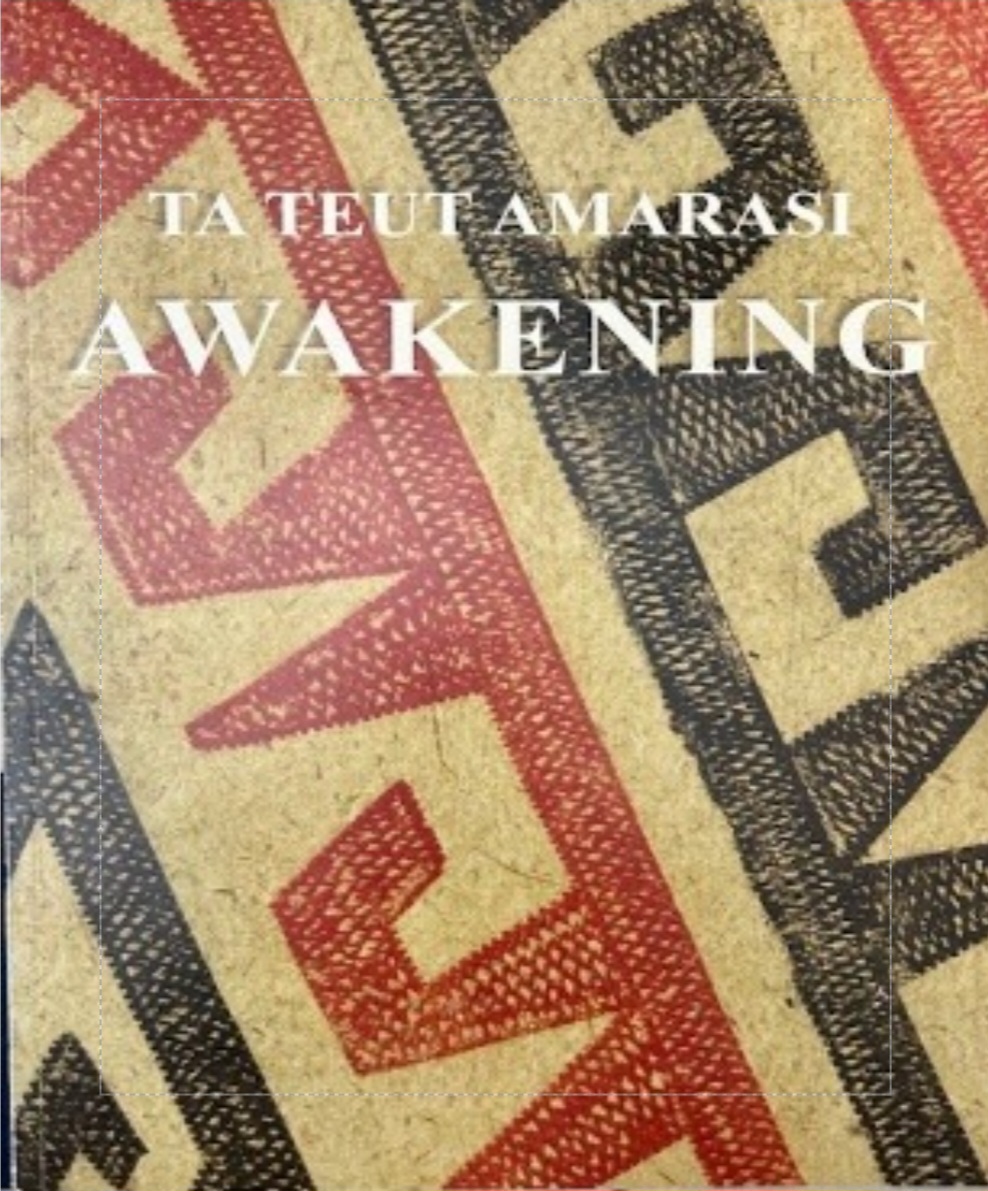
Author: Unknown, 38pg., 2003 (Indonesian and English), Softcover
Publisher: Asia Link, University of Melbourne, Austraia
This booklet represents a collaborative endeavor between Asia Link at the University of Melbourne, the Museum and Gallery of the Northern Territory, and several distinguished Australian foundations. It showcases contemporary Amarasi textiles alongside a curated series of limited-edition prints, each featuring traditional Amarasi motifs rendered on handmade paper. By integrating indigenous botanical knowledge, ancestral design traditions, and the creative ingenuity of the Amarasi community, the exhibition constitutes a modern rearticulation of an ancient craft heritage.
Page 80 of 108