Author: Yudhie Syarofie, 2013. 62pgs. (Indonesian) Softcover
Publisher: Dinas Pendidikan, Local Government of South Sumatra Province, Palembang
This volume, published by the Dinas Pendidikan of South Sumatra Province, constitutes an indispensable academic and cultural resource. It offers a comprehensive catalogue of the region’s diverse welcoming dances (tari sambut), meticulously detailing their choreographic structures, cultural significance, and regional variations. The text documents how these ritualized performances transform across different localities, thereby capturing the distinctive traditions embedded within South Sumatra’s communities. Syarofie provides an incisive breakdown of dance movements, emphasizing the semiotic role of specific arm, leg, and bodily gestures in conveying respect and hospitality. Beyond choreographic analysis, the book situates these dances within their historical continuum, foregrounding the symbolic use of the tepak—the vessel containing sekapur sirih betel ingredients—as an emblem of peace and social cohesion. In this way, the work bridges folklore and academic discourse, positioning itself as a vital pedagogical tool for students, choreographers, and anthropologists alike. By clearly delineating musical accompaniments (such as rebab and gendang), costume designs, and accessory usage, the publication functions as a practical manual for sustaining these traditions. It not only preserves the performative heritage of South Sumatra but also underscores the enduring role of dance as a medium of cultural diplomacy and communal identity.
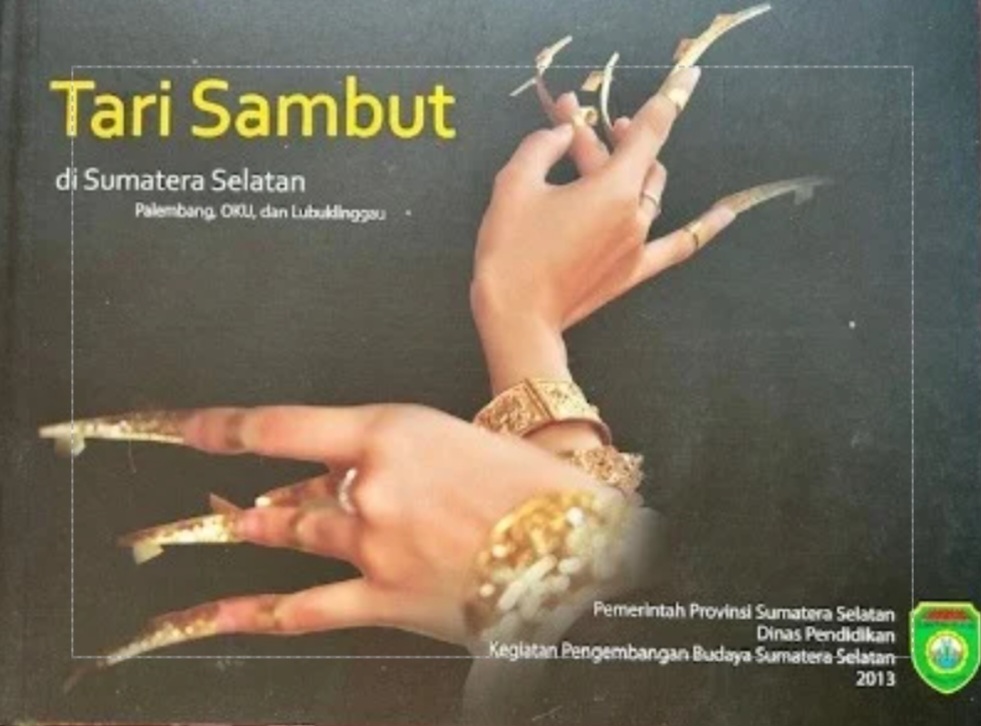
Author: Yudhi Syarofie, 2013. 63 pgs. Including a floppy disc. (Indonesian). Softcover.
Publisher: The Regional Education Office, Province of South Sumatra.
Human beings engage in dance for a multitude of reasons, encompassing physical, psychological, social, and cultural dimensions. As a performative art form, dance serves not only as a medium of joy and celebration but also as a powerful vehicle for communal bonding and creative exploration. It provides individuals with an avenue to express emotions, embody cultural identity, and participate in collective rituals that reinforce social cohesion. In the context of South Sumatra, the Welcome Dance (Tari Selamat Datang) occupies a particularly significant role. This ceremonial performance is traditionally presented to honor guests, symbolizing hospitality, respect, and collective happiness. Through its choreographed movements, elaborate costumes, and symbolic gestures, the dance encapsulates the values of warmth and generosity deeply embedded in local culture. Scholars and cultural observers often highlight the intricate detailing of the costumes, the historical origins of the choreography, and the nuanced interplay between tradition and artistic innovation. Such descriptions underscore the dance’s function not merely as entertainment but as a living repository of cultural heritage.
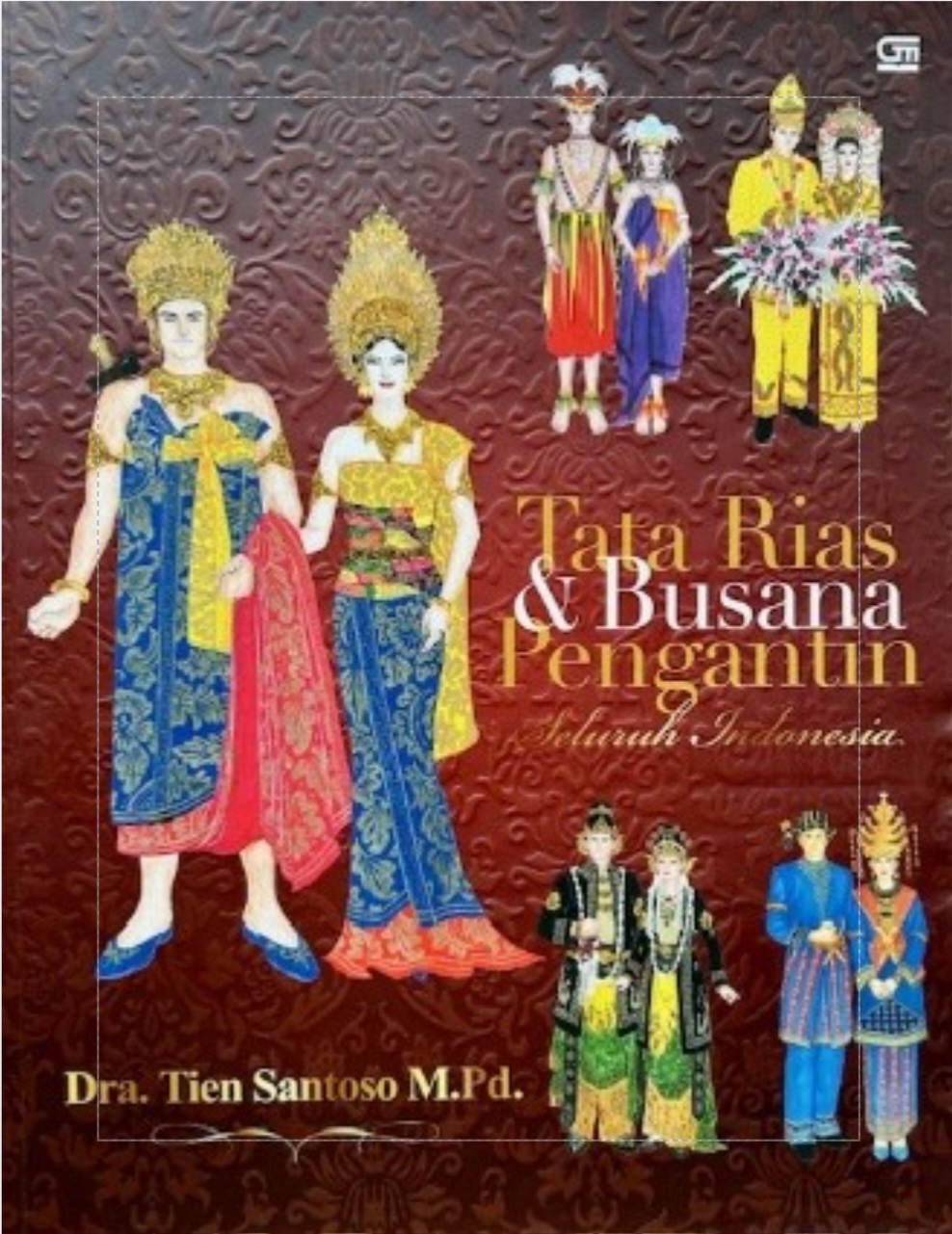
Author: Tien Santoso, 2010, 293pg. (Indonesian). Softcover
Publisher: Gramedia Pustaka Utama, Jakarta
The volume presents an extensive corpus of more than two hundred illustrations depicting bridal cosmetics and wedding attire from thirty-four Indonesian provinces as of 2010. Each province is represented by multiple variations of traditional bridal ensembles, complemented by examples of nonprovincial styles that further underscore the diversity of Indonesia’s matrimonial aesthetics.
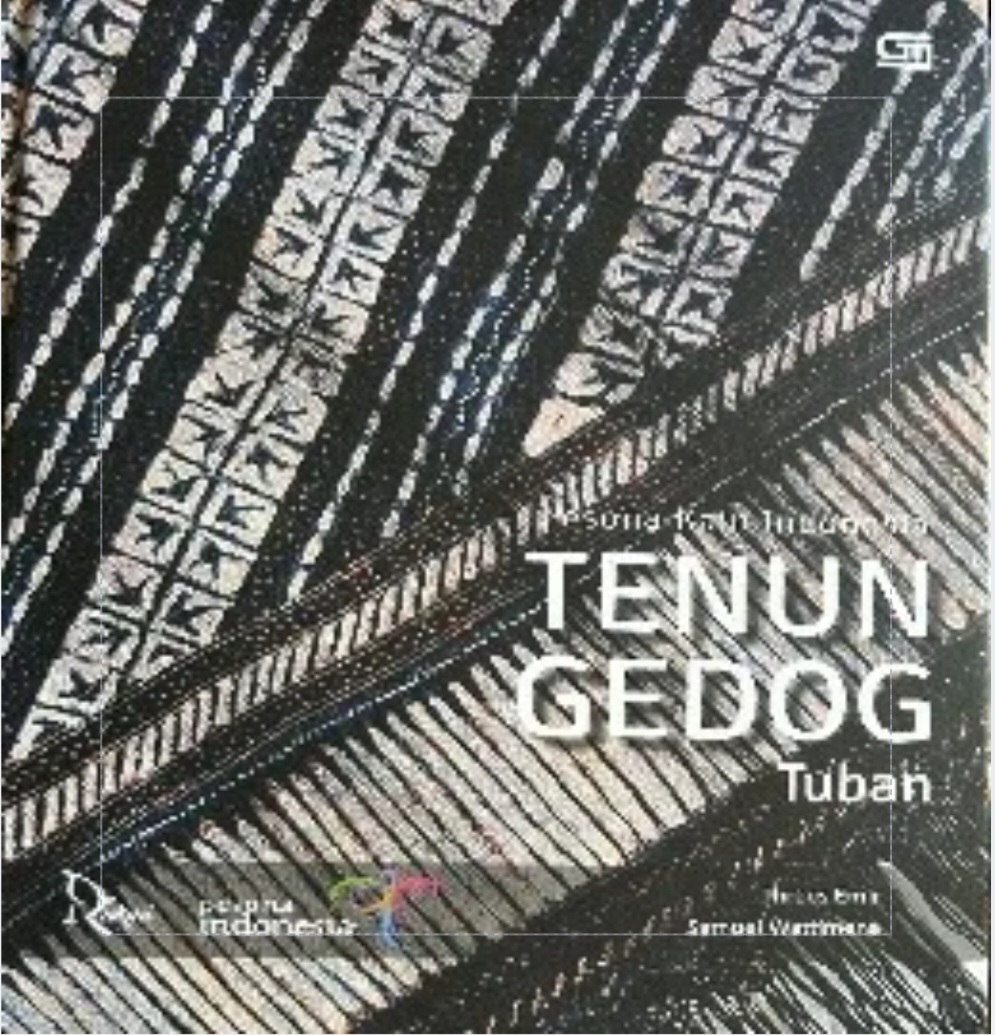
Author: Threes Emir & Samuel Wattimena, 2018. 128pgs. (Indonesian). Hardcover. Pesona Kain Indonesia Series.
Publisher: Gramedia Pustaka Utama, Jakarta.
This concise volume constitutes a significant contribution to the Pesona Kain Indonesia (The Charm of Indonesian Traditional Textiles) series, published by Gramedia in Jakarta. Beyond functioning as a practical guide to the artistry of handwoven backstrap-loom textiles, it offers a nuanced exploration of the historical trajectories, geographical landscapes, and cultural identities that shape this craft. Furthermore, it engages critically with the socio-economic challenges confronting these communities in sustaining textile production, thereby weaving a narrative that both venerates tradition and interrogates the complexities introduced by modernity.
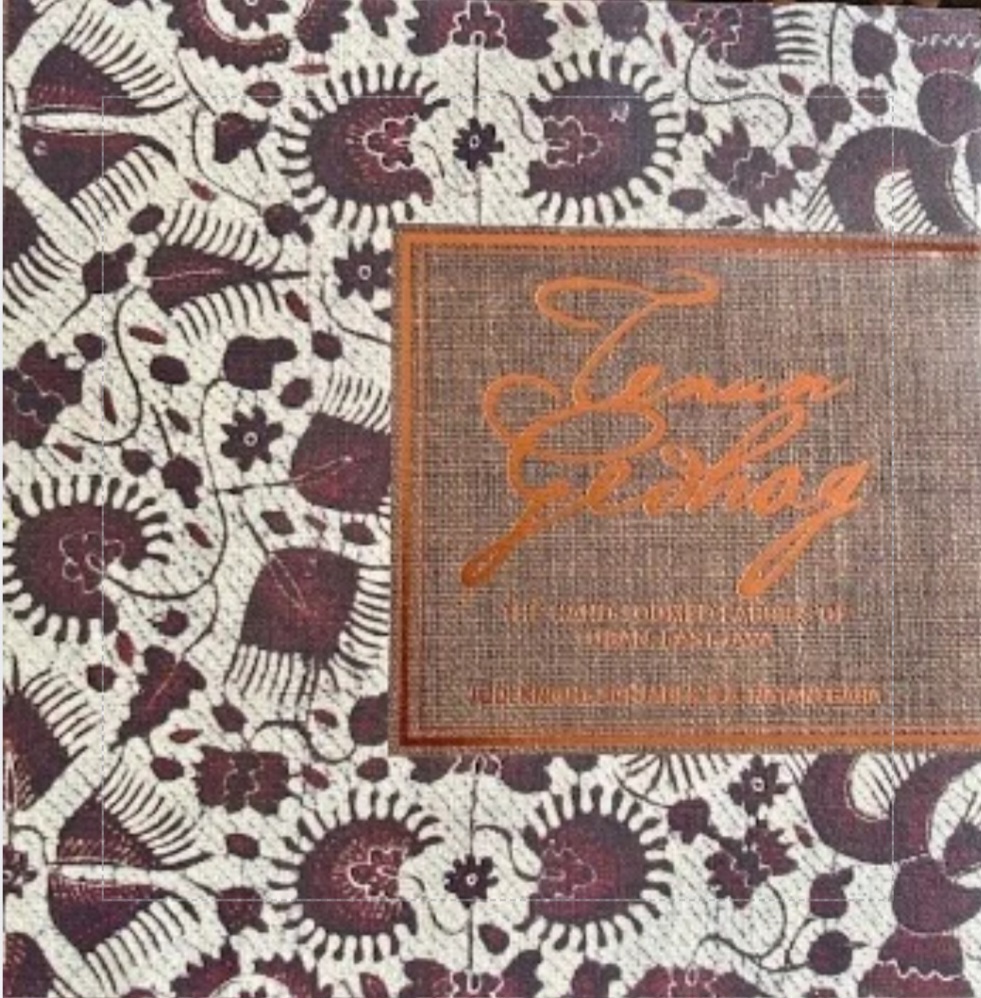
Author: Judi Knight-Achjadi & E.A. Natanegara, 2010. 227pgs. (Indonesian, English). Hardcover.
Publisher: Media Indonesia, Jakarta
In traditional Tuban society, extending until approximately the mid-1980s, women’s attire functioned as a semiotic marker of identity and belonging. The elongated shawl, known as sayut, signified generational age, while the ankle-length wraparound skirt conveyed geographic origin, indicating whether the wearer resided east, south, west, or north of the centrally situated weekly market. Earlier in the twentieth century, men’s garments were more explicitly tied to indicators of social status. All textiles were produced on rudimentary looms, employing handspun cotton cultivated locally and dyed with vegetal pigments derived from the surrounding environment. The gallery presented in the book highlights the most significant Tubanese cloth traditions—Lurik Gedhog, Batik Gedhog, and Batik Mori—each accompanied by its nomenclature and the symbolic meanings embedded within its motifs.
Page 82 of 108