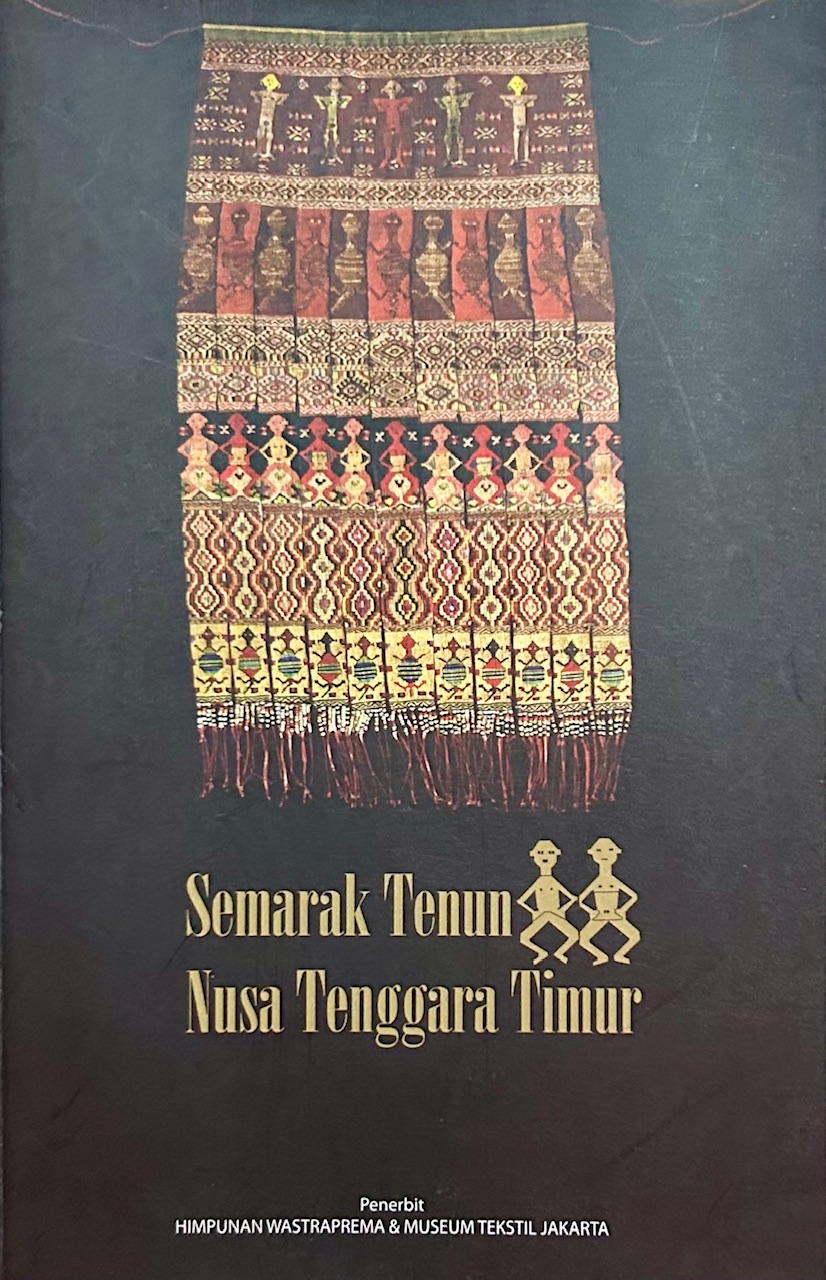
Author: Neneng Iskandar, Judi Sumarsono, Elsie Soenarja, Mariah Waworuntu (Editors), 2010. 80 pg. (Indonesian & English)
Publisher: Jakarta Textile Musium & Himpunan Wastraprema, Jakarta
This catalog issued celebrating the splendour of East Nusa Tenggara Weavings, show cases weavings from the eastern part of Indonesia from the collection of Himpunan Wastraprema’s members.
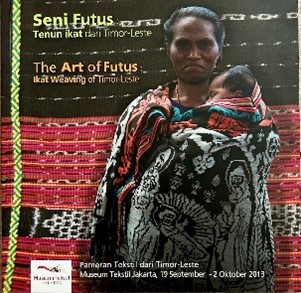
Author: Joanna Barrkman, 2013. 46 pg. (Indonesian and English)
Publisher: Musium Tekstil Jakarta
This catalog is associated with the first textile exhibition of Timor Leste in Indonesia. It showcases IKAT textiles from the Timor Aid collection, in collaboration with the Alola Foundation. The exhibition features both ancient and contemporary ikat textiles from the regions of Bobonaro, Oecusse, Cova Lima, and Baucau.
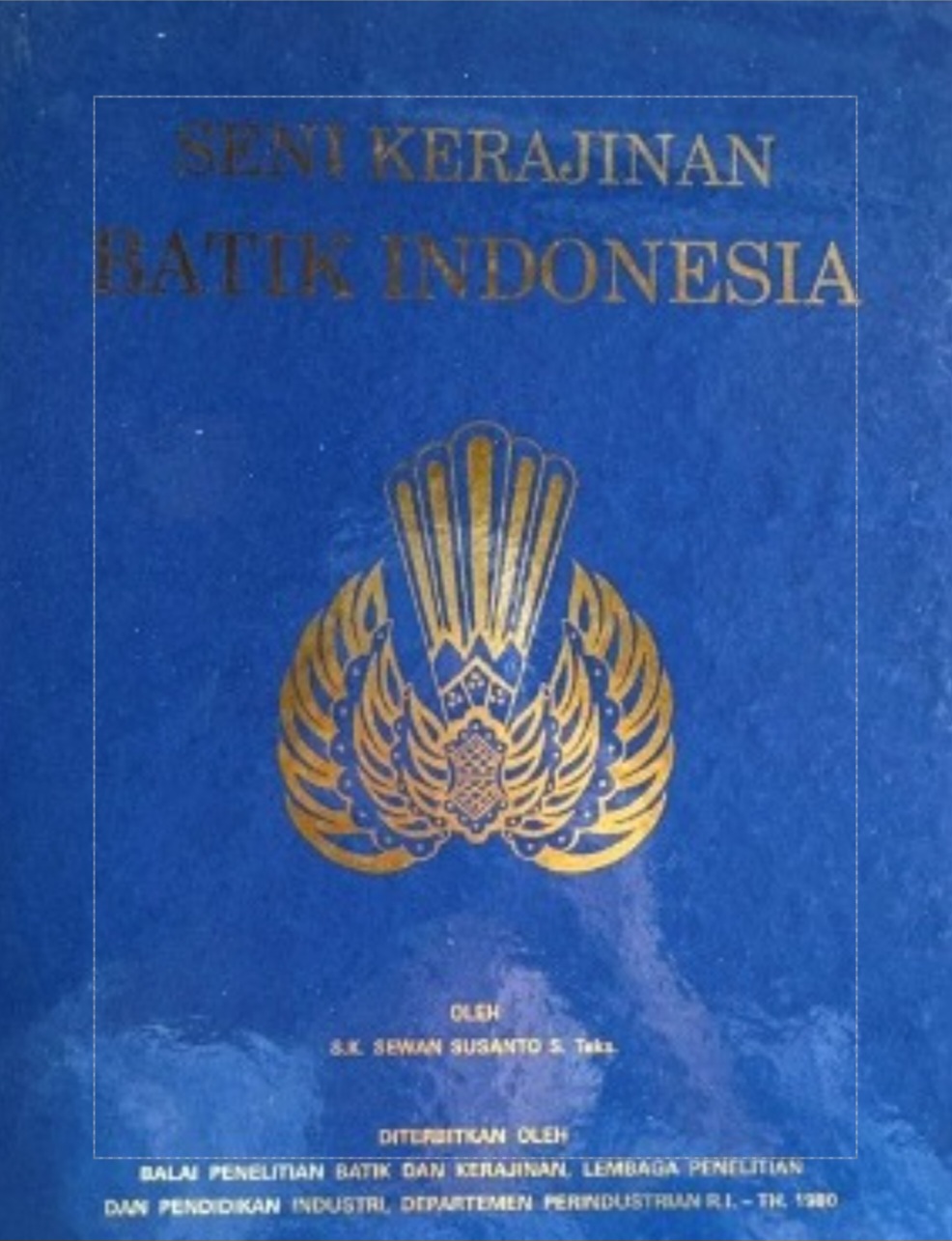
Author: S.K. Sewan Susanto, 1980, 504 pgs, Soft cover, Photocopied Version
Publisher: National Center for Research and Development, the Department of Industries for Crafts and Batik, Yogyakarta.
-
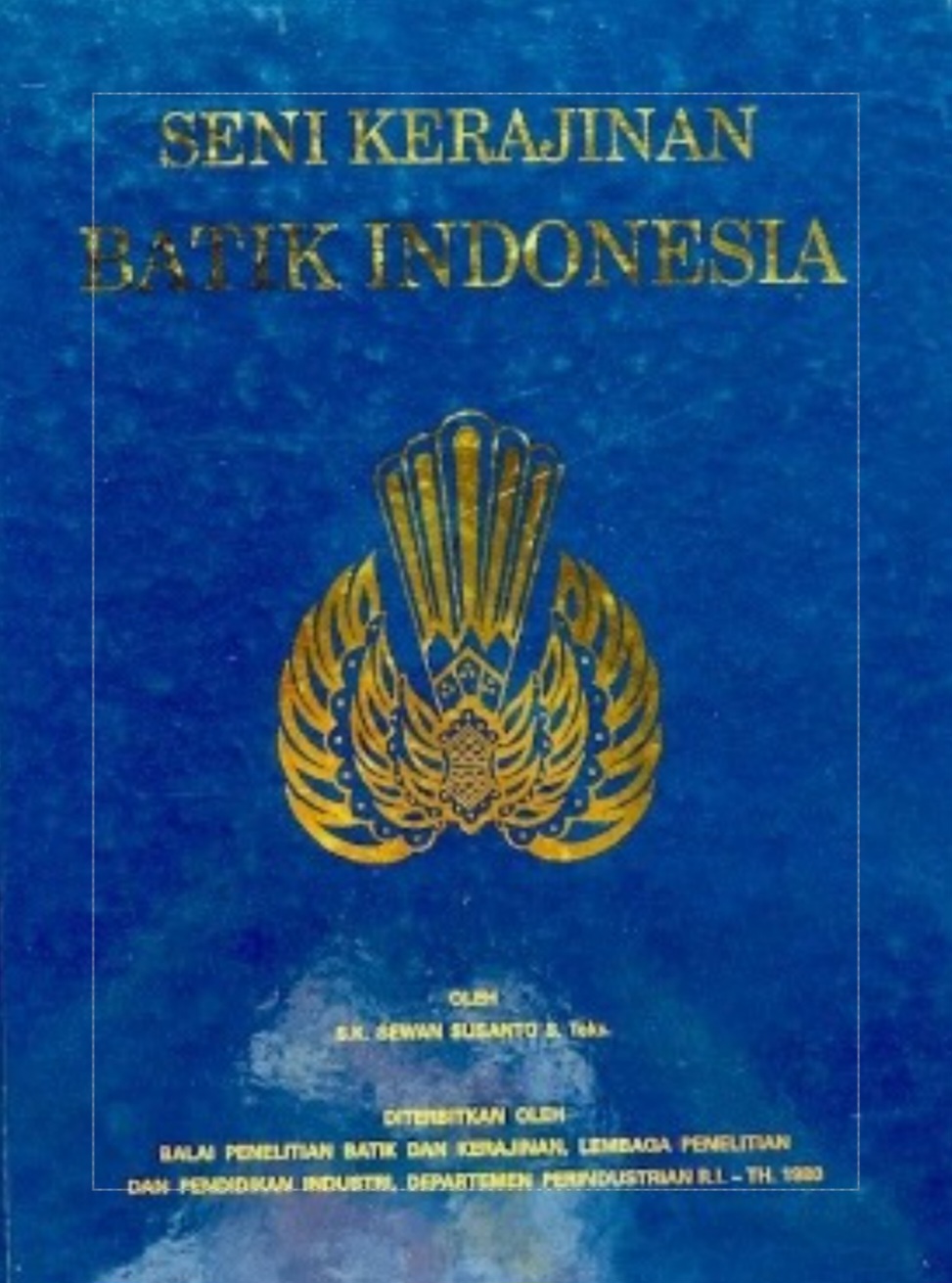
Author: S. K. Sewan Susanto S., 1980, 503pg. (Indonesian). Hardcover. Photocopied Version
Publisher: Balai Besar Penelitian Batik, Departemen Perindustrian Republik Indonesia, DI Yogyakarta
This volume, among the earliest publications issued by the Department of Industries in the early 1970s, presents a comprehensive exposition of the batik-making process. It delineates the diverse categories of batik, the application of chemical dyes, and the nuanced techniques associated with manipulating the canting pen. Furthermore, it examines the various types of mori textiles employed in batik production, explores naturally derived dyes, and analyzes the compositional arrangements of batik motifs. Collectively, the work offers an extensive repository of technical knowledge on batik craftsmanship. This is one of the first volumes published by the Department of Industries in the early 1970s, which showcases the complete technical process of batik making, the many categories of batik, the chemical dyes, ways and results of holding a canting pen, the various types of mori textiles used for batiking, the various dyes from nature, the arrangements of batik motifs and many technical information on Batik.
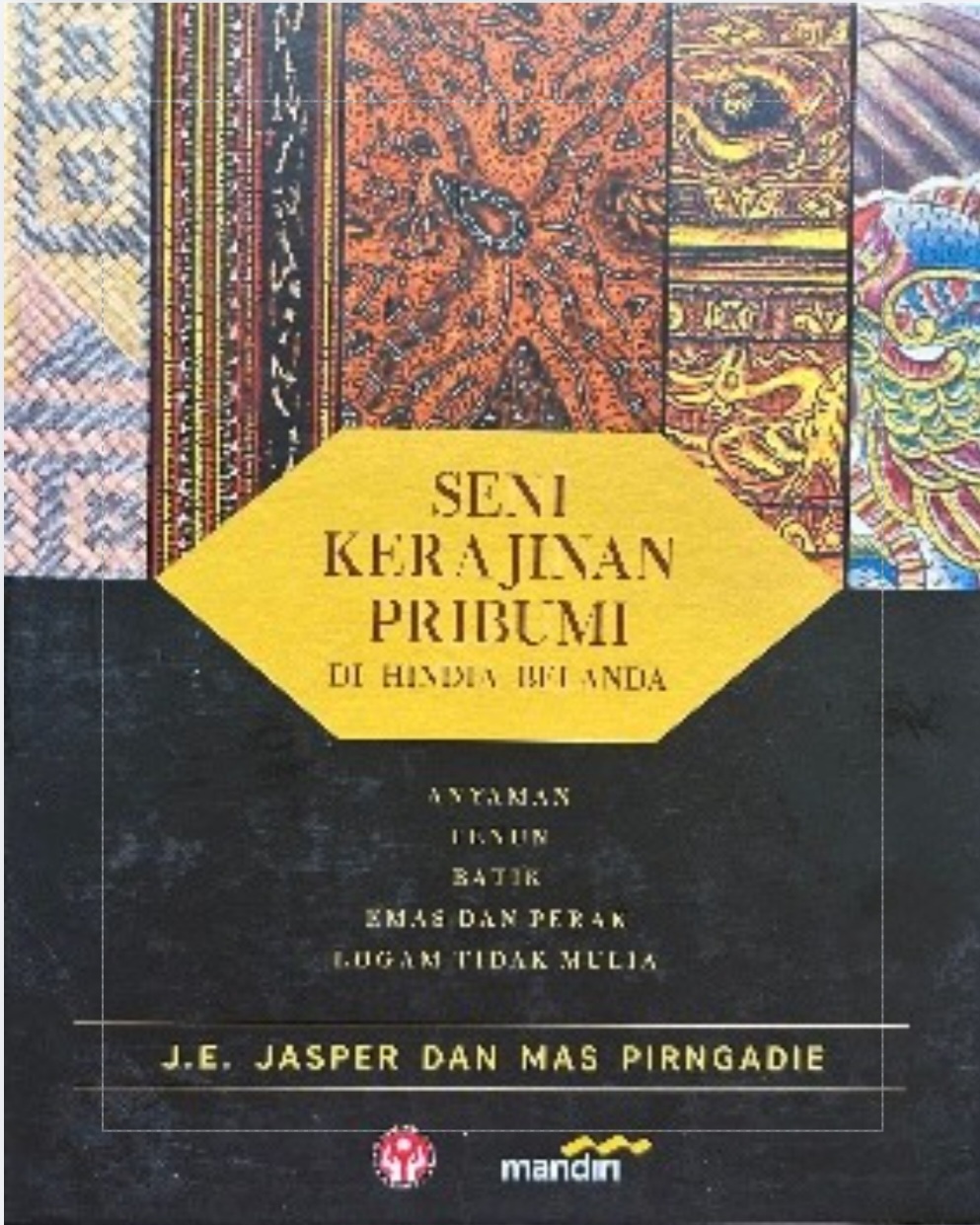
Author: J.E. Jasper and Mas Pirngadi, 5 Volumes in sleeve. Total +1900 pgs, 2017. Translated from the Dutch language. Softcover
Publisher: The National Crafts Council & Bank Mandiri, Jakarta
These five volumes constitute the Indonesian translation of the Dutch series De Indische Kunstnijverheid in Nederlandsch-Indië (1912). The original work was authored by Jasper, an ethnographer serving within the Dutch colonial administration, in collaboration with Pirngadi, a distinguished Javanese painter. Together, they were entrusted with the monumental task of documenting the diverse artistic traditions and indigenous handicrafts of the Dutch East Indies. Their efforts culminated in a comprehensive five-volume compendium, each devoted to a distinct category of material culture: Volume 1: Anyaman (Basketry) — 420 pages, softcover Volume 2: Tenun (Weaving) — 422 pages, softcover Volume 3: Batik — 314 pages, softcover Volume 4: Emas dan Perak (Gold and Silver) — 310 pages, softcover Volume 5: Logam Tidak Mulia (Base Metals) — 302 pages, softcover Each volume provides a meticulous account of the historical development, raw materials, production techniques, nomenclature, utilitarian functions, and sociocultural significance of the respective craft traditions. The translation into Bahasa Indonesia is of profound importance, not merely as a linguistic exercise but as a cultural preservation initiative. By rendering these texts accessible to Indonesian readers, the translation safeguards indigenous knowledge systems and artisanal practices for future generations. Historically, these skills were transmitted orally and experientially, passed from master to apprentice within familial or communal settings. Documentation in written form was virtually absent, leaving the continuity of these traditions vulnerable to disruption. The publication of these volumes in Indonesian thus represents a critical intervention: it transforms ephemeral, orally transmitted expertise into a durable scholarly record, ensuring that the artistry and craftsmanship of the archipelago are preserved within the corpus of national heritage.
Page 76 of 108