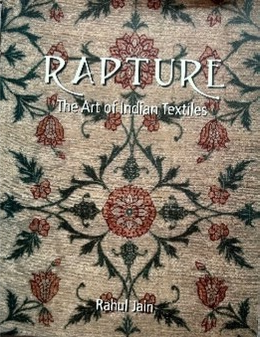
Author: Rahul Jain, 2011. 244pg. (English)
Publisher: Niyogi Books, New Delhi, India
This book celebrates India’s extraordinary textile art, guiding readers through a captivating visual journey that spans 500 years. It traces the breathtaking images on cloth that adorned India’s magnificent courts and temples, showcasing the striking motifs and vibrant colors of remarkable textiles that have withstood the test of time. Renowned textile researcher Rahul Jain brings to life a collection of rare textiles, once celebrated but now largely forgotten. In an era when the appreciation and study of India’s historical textiles have been relegated to academic circles and connoisseurs, this book boldly offers a comprehensive survey of the stunning and rich landscape of Indian textile arts.
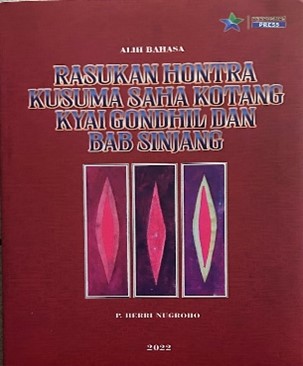
Author: P. Herri Nugroho, 2022. 123pg. (Indonesian)
Publisher: Perpustakaan Nasional Indonesia PRESS, Jakarta
This concise book, published by the National Library of Indonesia, presents two important ancient texts: "Rasukan Hontra Kusuma Saha Kotang Kyai Gondhil" and "Bab Sinjang."The first text is a definitive 306-page translation of an old Javanese manuscript, complete with 63 illustrations. It lays down essential guidelines regarding clothing for individuals entering the royal residence and is preserved at Leiden University in the Netherlands. The second text, "Bab Sinjang," consists of 28 pages and features 48 illustrations. It serves as a crucial guide for creating batik, detailing dyes, listing 47 motifs, and providing specific recommendations for color palettes. This manuscript is an invaluable resource housed in the Indonesian National Library.
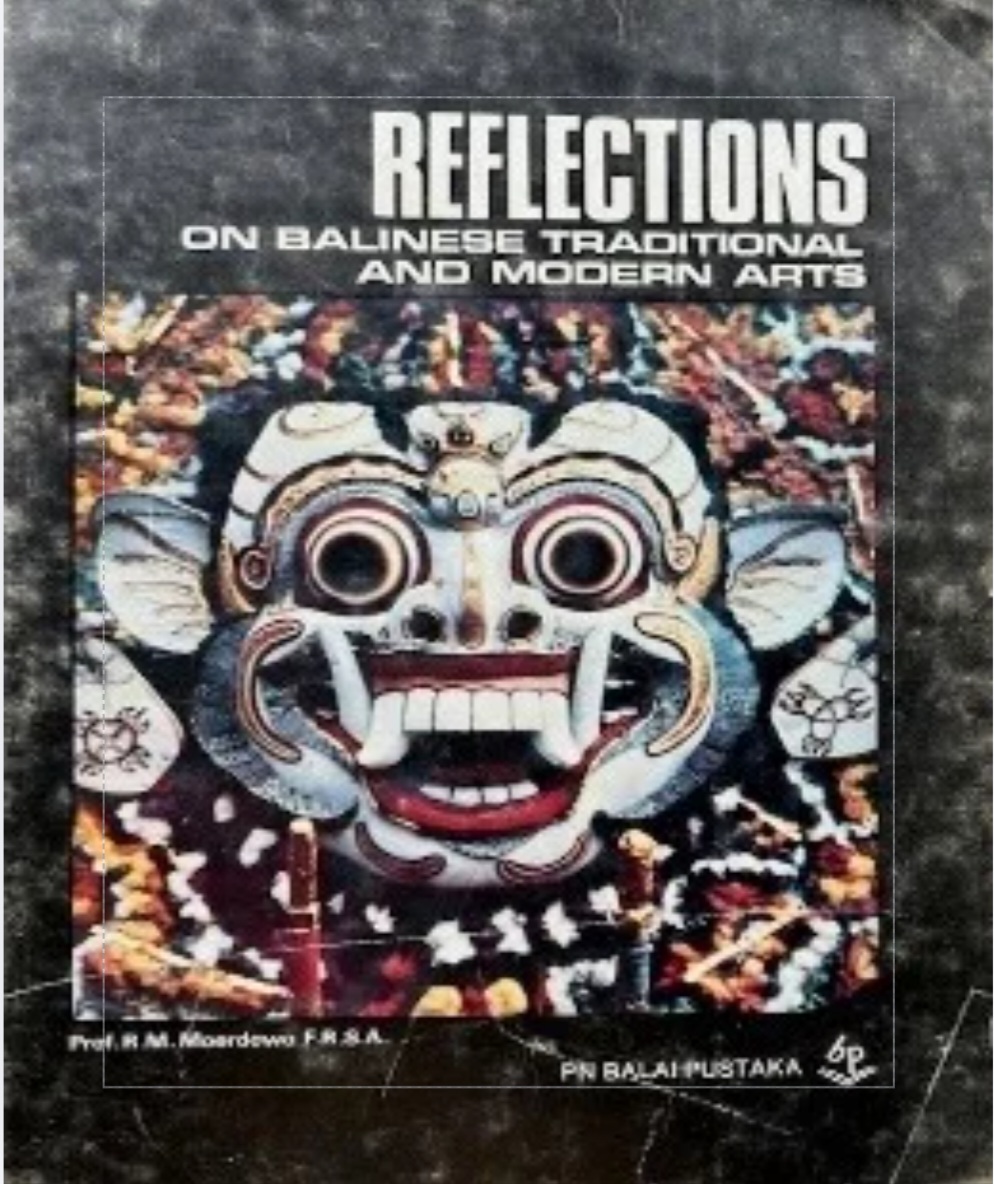
Author: R.M. Moerdowo FRSA, 1983, 140pg. (English). Hardcover
Publisher: Balai Pustaka, Jakarta
Before the advent of the tourism industry, in Bali religious beliefs provided the main source of inspiration for artistic creation. but during the past few decades outside influences have shaped new forms of art. Secular art now exist side by side with religious art. In the book, the author examines the development of the major art forms – painting, sculpture, dance and drama from their ancient origins to the present day. Based not merely on ancient historic sources, this detailed work also voices the concerns of present-day artists interviewed by the author in their homes and villages.
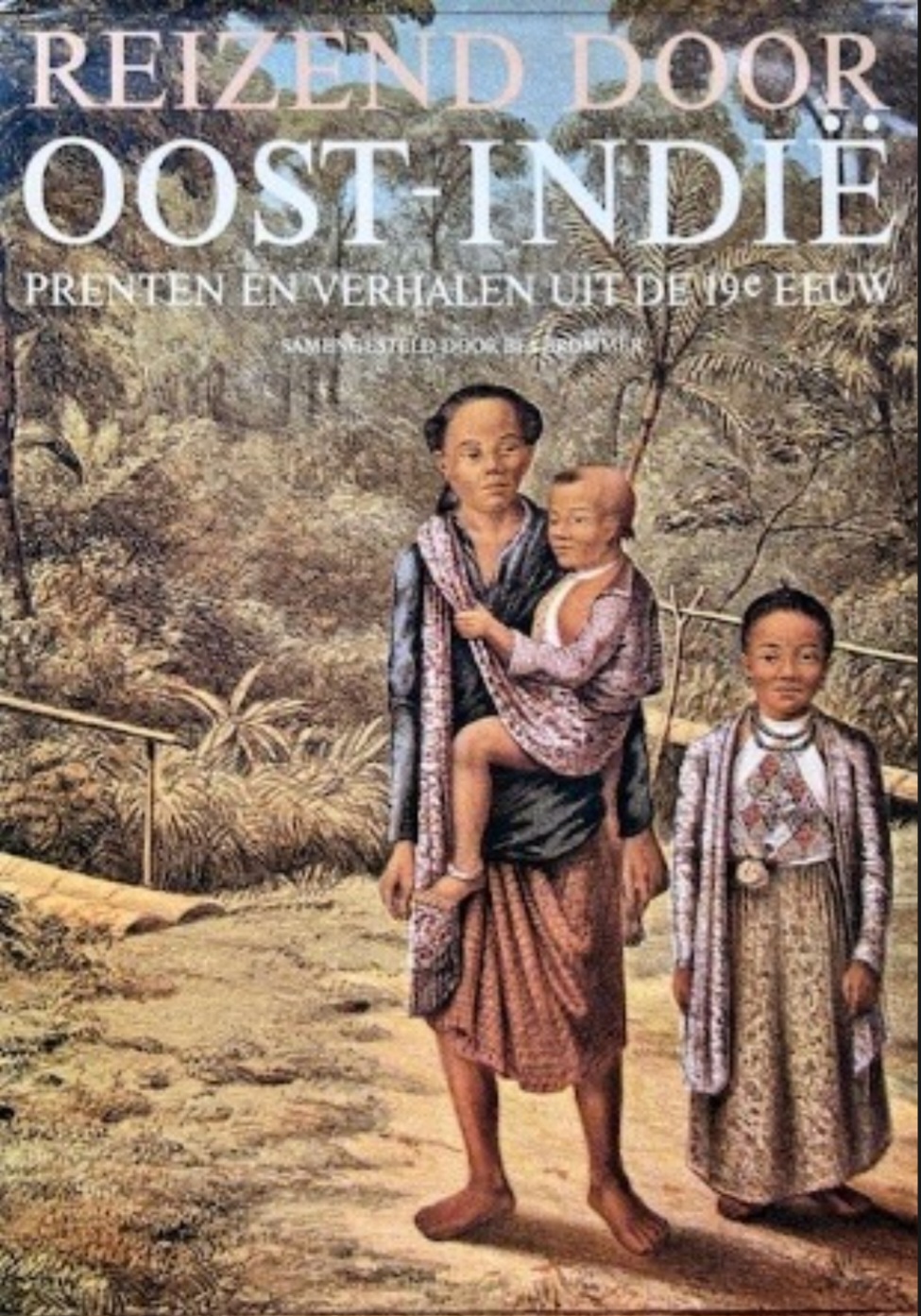
Author: Bea Brommer, 1979, 158pg (Dutch). Softcover
Publisher: Het Spectrum BV, Utrecht, Netherlands
The catalogue was issued in conjunction with the exhibition Travels through the Dutch East Indies, held at the Tropenmuseum, Amsterdam, from 22 March to 2 June 1979. The illustrations reproduced in the volume derive from the museum’s own collection.The book organizes its presentation thematically across several chapters. The opening chapter examines Batavia (present-day Jakarta), followed by a discussion of slavery and the hierarchical relations between enslaved individuals and their masters. Subsequent sections trace journeys across Java, explore the authority of the Sultan and his subjects, recount maritime voyages to surrounding islands, and conclude with depictions of Borneo and Sumatra. Overall, the work offers a vivid portrayal of life in the Dutch East Indies during the nineteenth century. For historians, it provides a valuable overview of social, cultural, and political conditions in the region, serving both as a visual record and as a contextual framework for understanding colonial society.
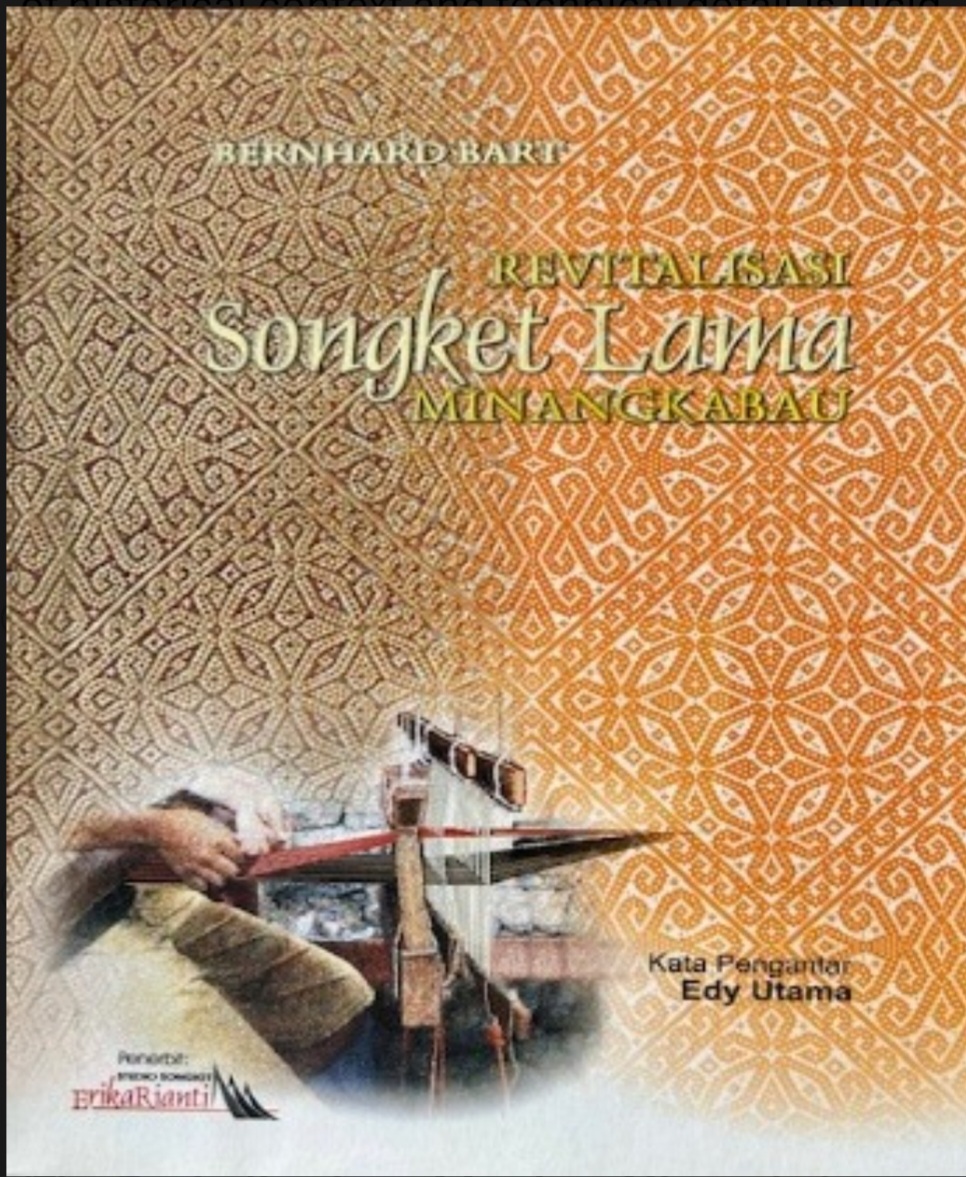
Author: Bernard Bart, 2006, 132pg. (Indonesian). Softcover
Publisher: Studio Songket ErikaRianti, Padang, West Sumatra
The volume constitutes a curated compilation of scholarly essays authored by specialists in the domain of Minangkabau traditional textiles. It encompasses critical discussions on Minangkabau motifs and their underlying philosophical significance, a curator’s reflective commentary on strategies for revitalizing Songket, followed by an exploration of the role of Minangkabau Songket within the context of globalization. Additionally, the collection features an evocative essay entitled Weaving Hopes with Threads, which situates textile artistry within broader cultural aspirations. The Karok motif, a pivotal element in revitalization efforts, is also examined in detail. Taken together, this work represents the author’s inaugural endeavor to reimagine and reinvigorate the tradition of Minangkabau Songket weaving.
Page 73 of 108