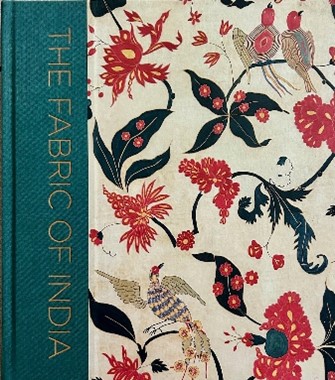
Author: Rosemary Crill, 2015. 248pg. (English)
Publisher: V & A Museum, London
The volume starts with a detailed exploration of the various materials, techniques, and dyeing processes involved in creating these luxurious fabrics. It emphasizes the central role that cloth plays in Indian life and culture. The book aims to surprise, inspire, delight, and inform readers by showcasing an extraordinary range of materials, along with presenting significant historical masterpieces.
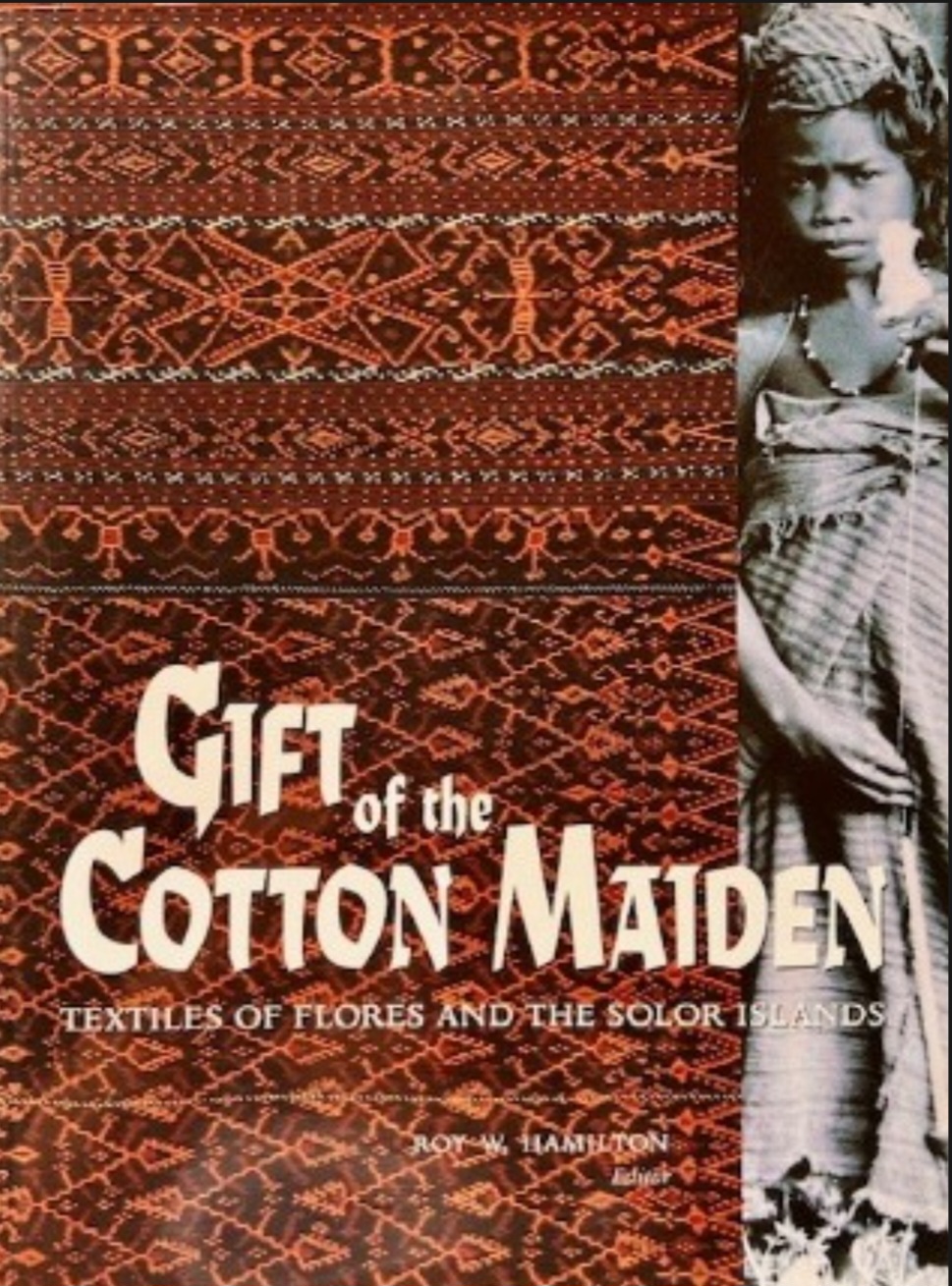
Author: Roy W. Hamilton, editor, 1994. With contributions by Ruth Barnes, Maribeth Erb, Penelope Graham, Roy W. Hamilton, Willemijn de Jong, E.D Lewis, Michael P. Vischer. 287pg. (English). Softcover
Publisher: Fowler Museum of Cultural History, University of California. Los Angeles, USA
In the introduction, Roy Hamilton provides a sweeping overview of the history and cultural traditions of Flores, highlighting the multifaceted roles of weaving and textiles, as well as the diverse techniques practiced across the islands. The second section presents detailed regional surveys, spanning Manggarai, Ngada, Ende, Sikka, and East Flores, each offering distinctive insights into local weaving practices. The third part of the book turns to compelling case studies that illuminate specific aspects of textile production and use. For more than three decades, this volume has stood as an authoritative reference on the weavings of Flores and the Solor Islands, enriched with annotated notes, vivid illustrations, and appendices on orthography and loom construction.
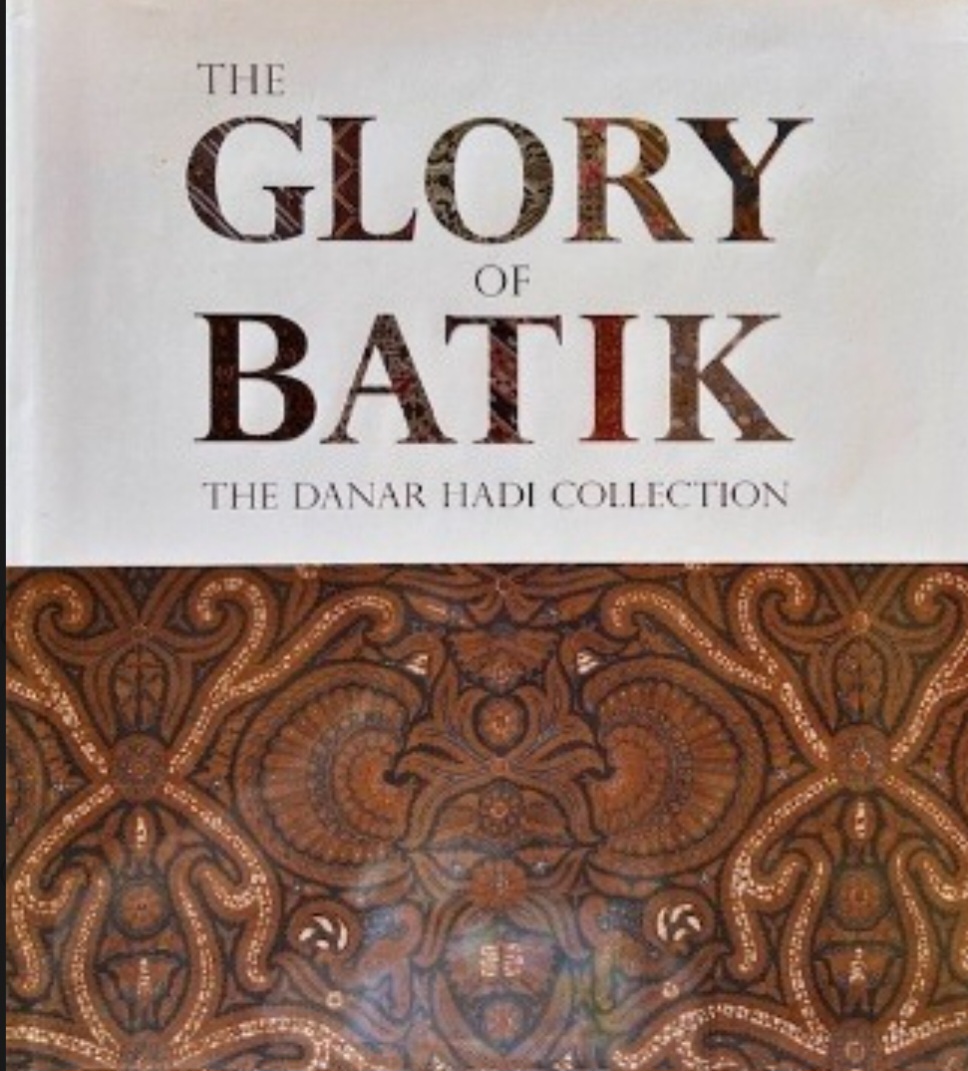
Author: Judi Achjadi, 2010, 336pg. (English). Hardcover
Publisher: PT Danar Hadi, Surakarta
This volume presents a remarkable compendium of Javanese batik, meticulously assembled over a span of four decades by H. Santosa Doellah. Known as the Danar Hadi Collection, it encompasses approximately 10,000 individual pieces, representing a continuum of artistic production from the mid-nineteenth century to the present day. It is widely regarded as the largest privately owned repository of Javanese batik in existence. The collection is housed within a palatial residence originally constructed in the late nineteenth century for a Prince of Surakarta, situated in the heart of Solo, Central Java. In the twenty-first century, Indonesian batik has experienced a resurgence, invigorating contemporary design practices and inspiring renewed public appreciation. This revival has been further reinforced by UNESCO’s designation of batik as an intangible cultural heritage of humanity, a recognition that has elevated its cultural significance both nationally and globally. As a fourth-generation batik entrepreneur, Santosa Doellah has cultivated profound respect and enduring passion for this venerable tradition. Together with his wife, Danarsih, he resolved to share their extraordinary legacy with the broader public by establishing an exquisite batik museum in Solo.
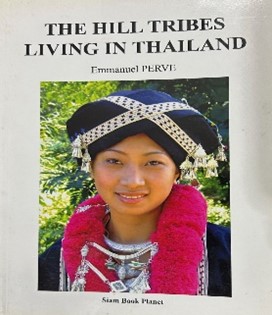
Author: Emmanuel Perve,2011, second edition. 147pg. (English)
Publisher: Siam Book Planet, Chiang Mai, Thailand
This book is an essential resource that offers a comprehensive introduction to the diverse lifestyles of Thailand's six main minority groups: the Akha, Karen, Lahu, Lisu, Hmong, and Yao. It prominently features the Padong, a Karen subgroup that is frequently showcased on tourist trails. This booklet decisively conveys their customs and values, ensuring readers gain a deep understanding of these vibrant cultures.
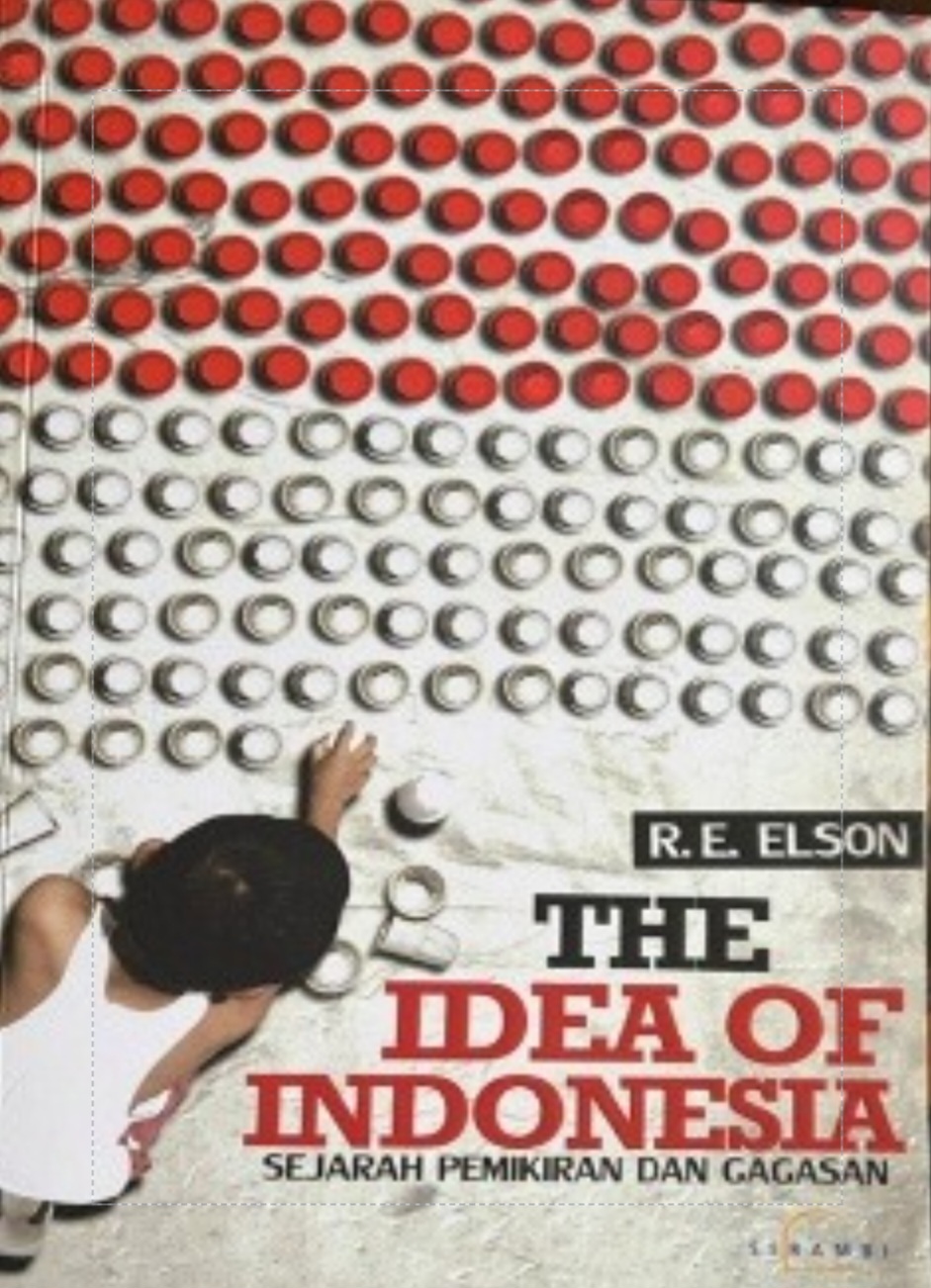
Author: Robert Edward Elson, 2008. 543pgs. (Indonesian). Softcover.
Publisher: Serambi, Jakarta
The volume is a translation from English to Indonesian. Historian Robert Edward Elson, Professor of Southeast Asian History at the University of Queensland, Brisbane, Australia, undertakes an inquiry into the intellectual and political genesis of the idea of Indonesia from the mid-nineteenth century onward. He traces the complex and often circuitous trajectory through which Indonesia has evolved into its contemporary form. Elson interrogates the very concept of Indonesia as a state and as a nation, examining how it has endured myriad challenges and obstacles across different historical junctures, and the diverse institutional and cultural configurations it has assumed over time. His study seeks to elucidate the defining characteristics of Indonesia’s national identity, particularly in relation to its persistent struggle for unity and collective aspirations. Through a meticulously constructed chronological narrative, Elson dissects the dynamics of Indonesian politics, the role of political actors, and their multifaceted
Page 92 of 108