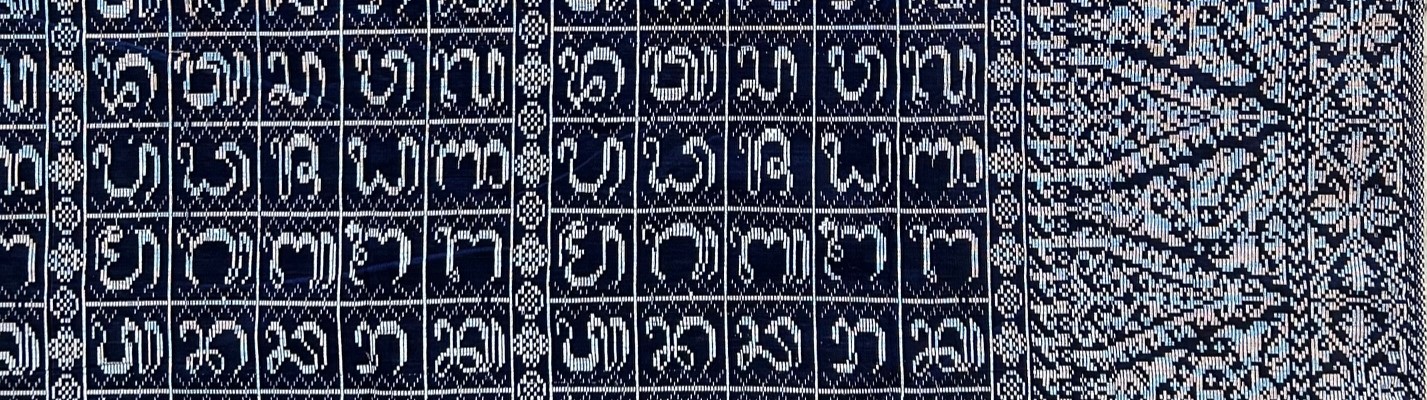
Author: Ruth Barnes, 2007, page 15-18. Photocopied version
Publisher: the Oxford Textile Group, Ashmolean Museum, Oxford, United Kingdom
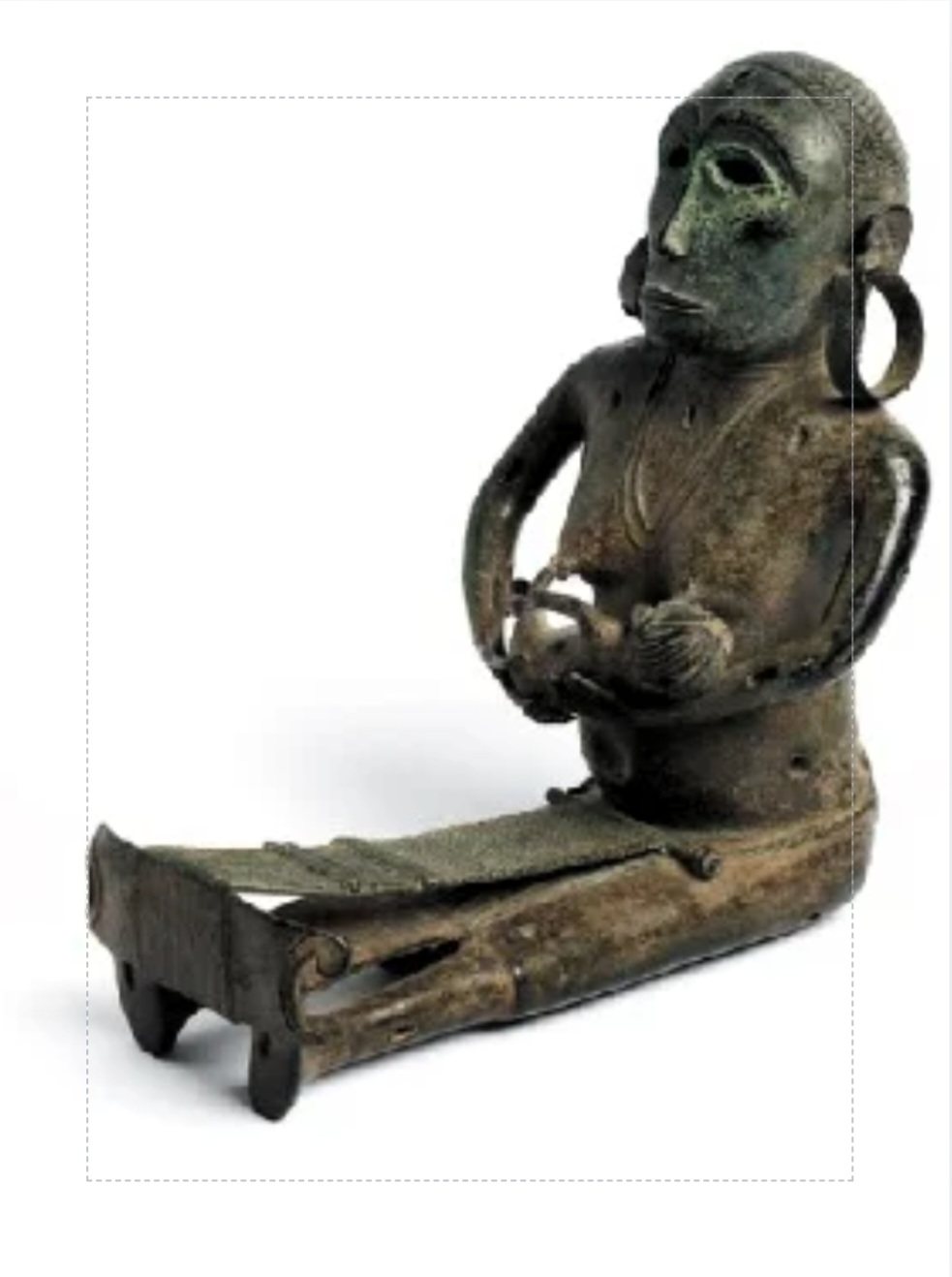
The three-page article authored by Ruth Barnes of the Ashmolean Museum examines the celebrated artifact known as the Bronze Weaver. This diminutive yet profoundly symbolic statue depicts a mother engaged in the act of breastfeeding her child while simultaneously seated at a weaving loom. Discovered on the island of Flores, the piece is believed to date to approximately the sixth century. Its acquisition by the National Gallery of Australia underscores both its cultural significance and its enduring value as a testament to the intersection of artistry, domesticity, and maternal devotion in early Southeast Asian societies.
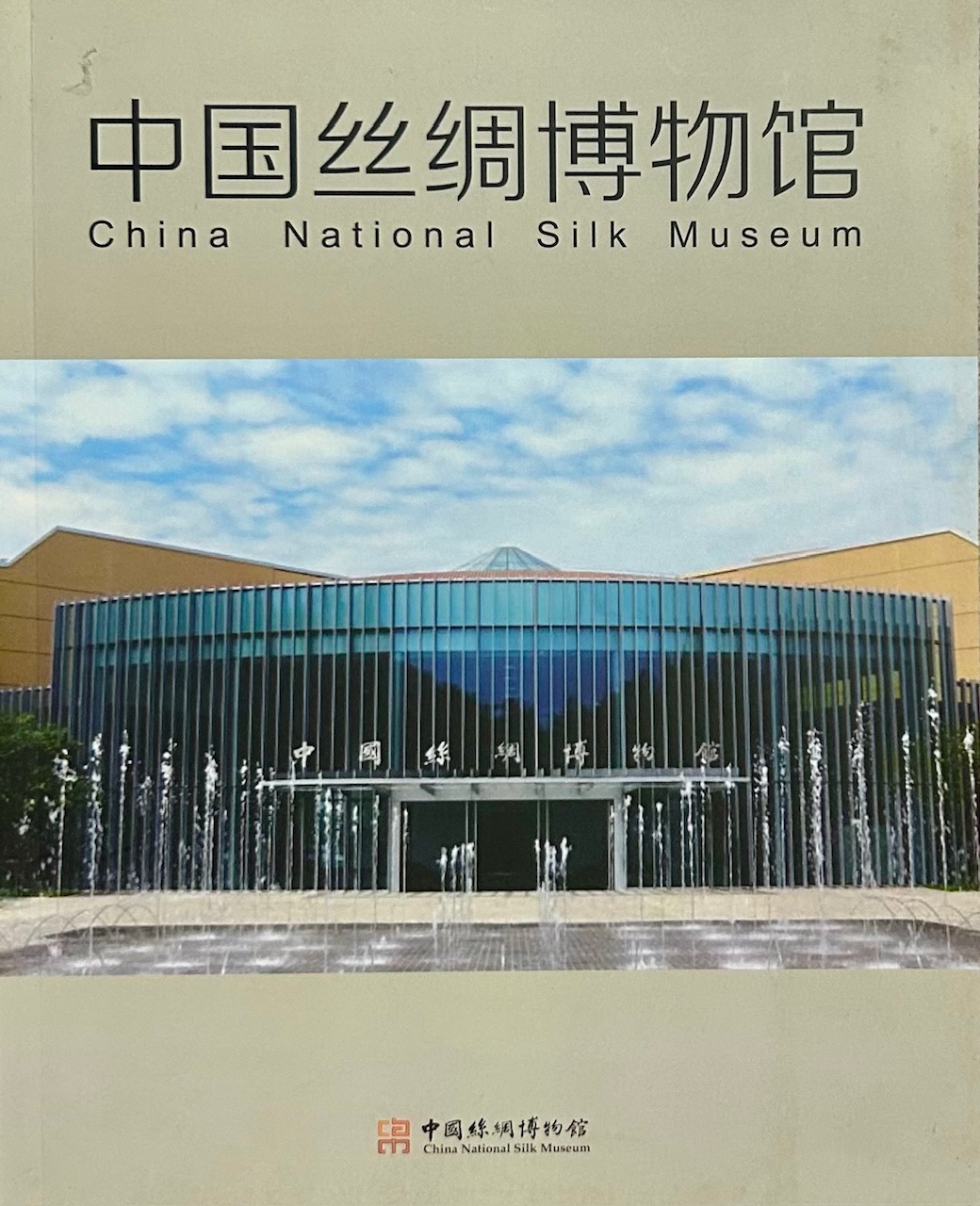
Author: Unknown 2017. 69pg. (English and Chinese)
Publisher: China National Silk Museum, Hangzhou
This book is an essential guide for visiting the museum, now with an expanded section showcasing looms from around the world. Don't miss the opportunity to explore this impressive addition!
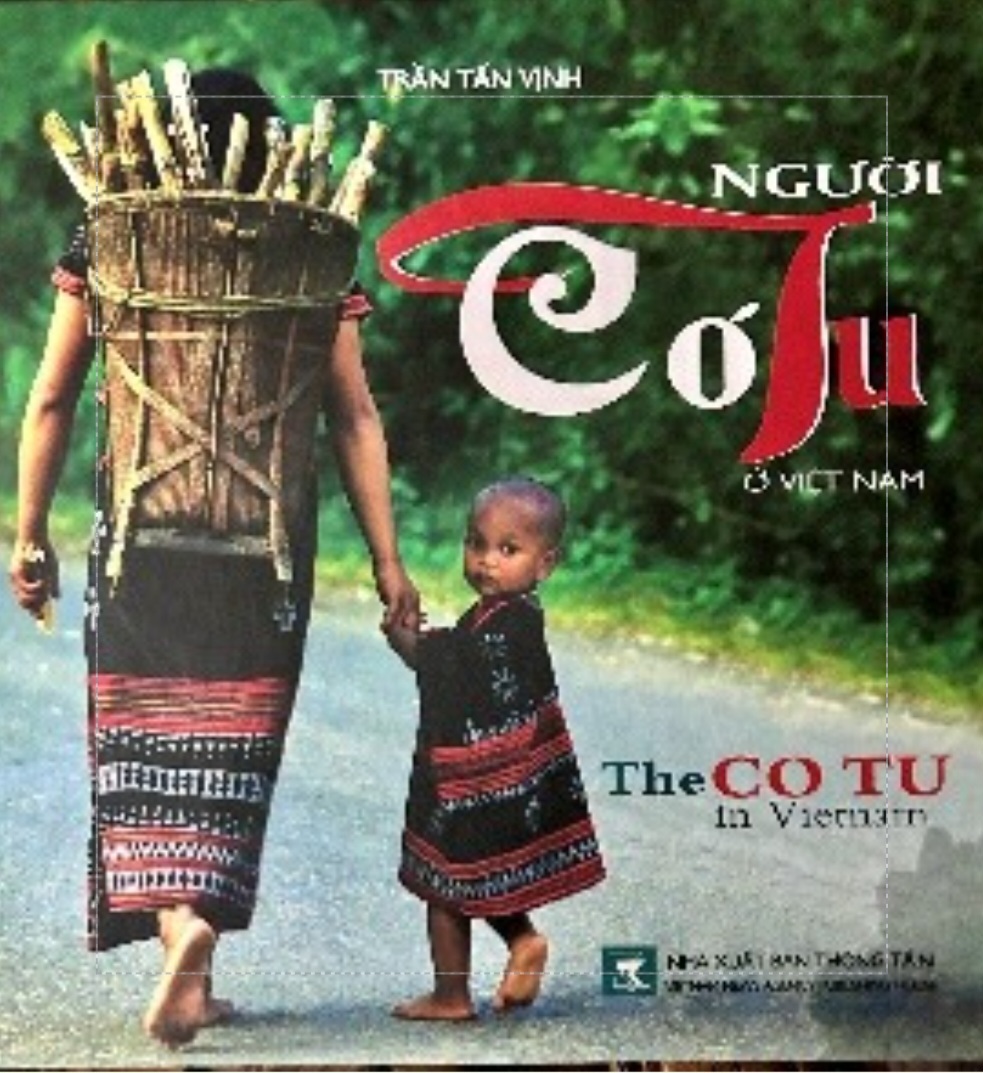
Author: Tran Tan Vinh, 2017, 163pg. (Vietnamese & English). Hardcover
Publisher: Vietnam News Agency Publishing House, Ha-noi, Vietnam
This pictorial volume offers an introduction to the Cotu ethnic community of Vietnam, who inhabit the Truong Son mountain range in Tây Nguyên, the Central Highlands. The Cotu people continue to safeguard and transmit the ancestral traditions, cultural practices, and spiritual values that constitute their collective identity. As one of the officially recognized 45 ethnic groups in Vietnam, the Cotu exemplify the resilience of indigenous heritage in the face of modernization, maintaining a living connection to their historical roots while contributing to the diverse cultural mosaic of the nation.
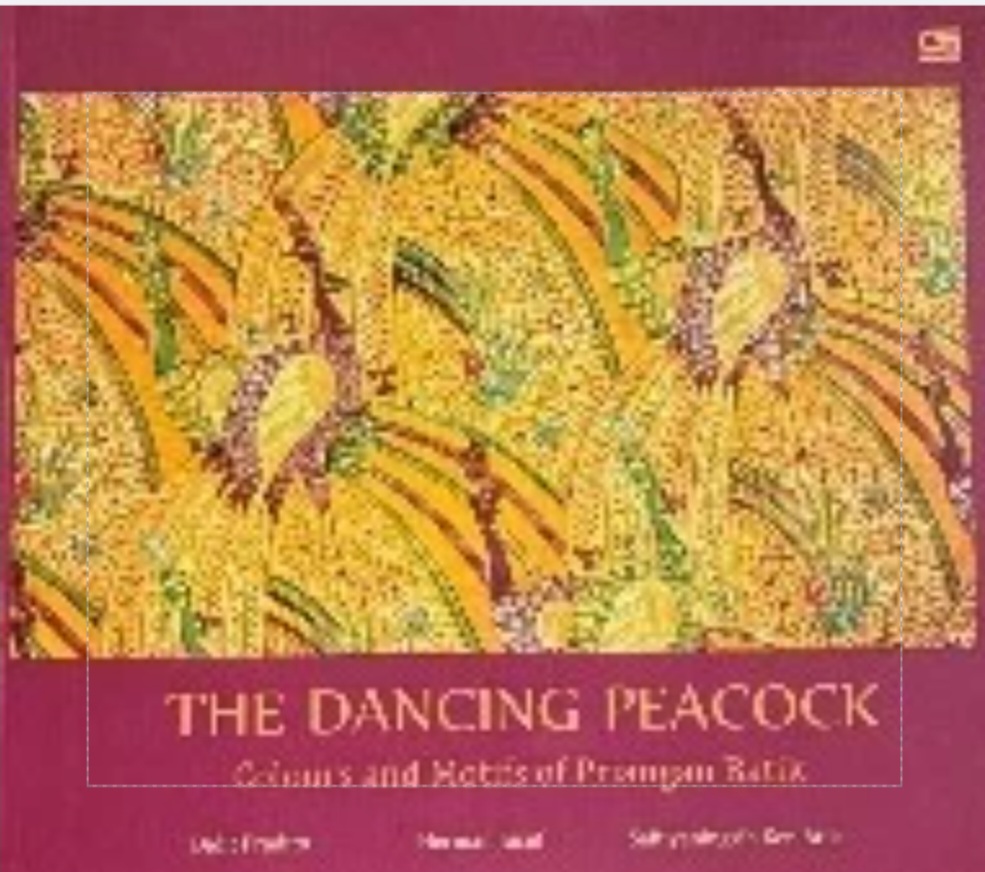
Author: Didit Pradito, Herman Jusuf, Saftiyaningsih Ken Atik, 2010. 145pgs. (Indonesian & English). Softcover
Publisher: Gramedia, Jakarta
Batik is a textile art distinguished by its intricate ornamental patterns and vibrant colors, achieved through the traditional process of applying wax and dye. Among the diverse regional styles, the Sundanese batik—particularly those produced in the Priangan region of West Java and the northwestern area of Banten Province—occupies a distinctive place in Indonesia’s cultural heritage. The people of Priangan, who speak in accordance with Sundanese culture, have long associated their homeland with spiritual and aesthetic ideals. The very name Priangan derives from Parahyangan, meaning “abode of the gods” or “citizens of the heavens,” a term that conveys notions of beauty, sanctity, and transcendence. This book seeks to present the legacy of Priangan batik as a cultural treasure, embodying not only chromatic richness and ornamental sophistication but also profound reservoirs of indigenous knowledge. The aim of this publication is to foster national awareness of the importance of cultural identity as expressed through material culture. By foregrounding endangered forms of Priangan batik in art exhibitions and scholarly discourse, the project endeavors to cultivate a renewed sense of heritage and stimulate cultural revitalization among the wider public.
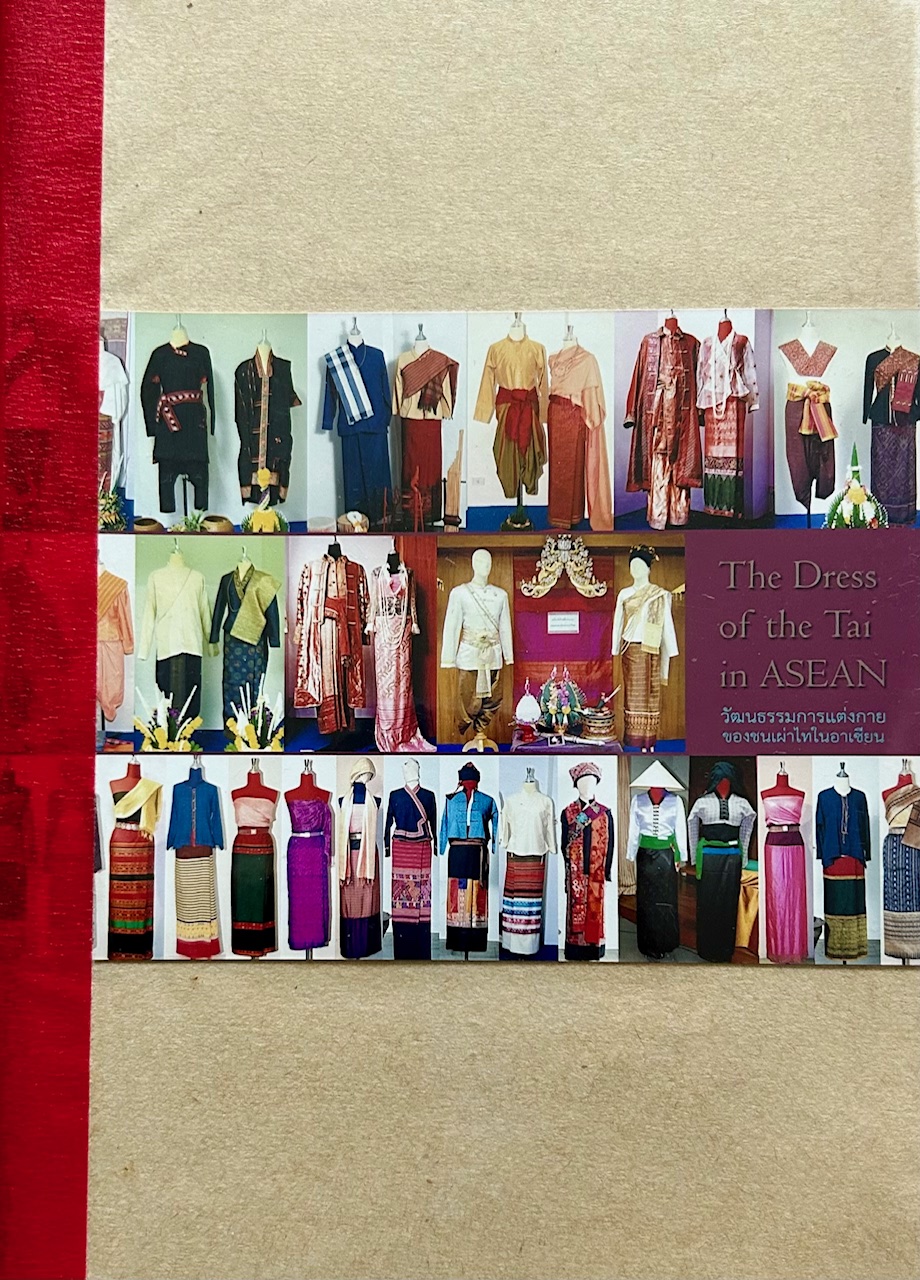
Author: Orathai Pholdi, 2006. 34pg. (English)
Publisher: Office of Agricultural Museum and Culture @ Kasetsart University, Bangkok
Ms. Orathai Pholdi serves as the director of the Agricultural Museum and Culture at Kasetsart University in Bangkok. Contrary to common belief, silk is not solely a product of Chinese innovation; evidence clearly shows that the Tai people were the first to produce silk. This remarkable achievement dates back to the Neolithic Tai, who established the Lungshan culture around 4,500 years ago. The practice of sericulture has roots that extend deep into Thai history, demonstrating a long-standing tradition that continues to this day. The booklet decisively presents the origins of the Tai people and details their diverse subgroups, including the Tai Yai, Tai Kheun, Black Tai, Red Tai, White Tai, Tai Phuan, Tai Yuan, Tai Lao, Tai Isan, Southern Tai of the Siwichai kingdom, and Tai Leu of the Sip Song Pan Na kingdom. Additionally, it emphasizes the unique styles of each ethnic group, effectively highlighting the rich diversity that defines Southeast Asia.
Page 91 of 108