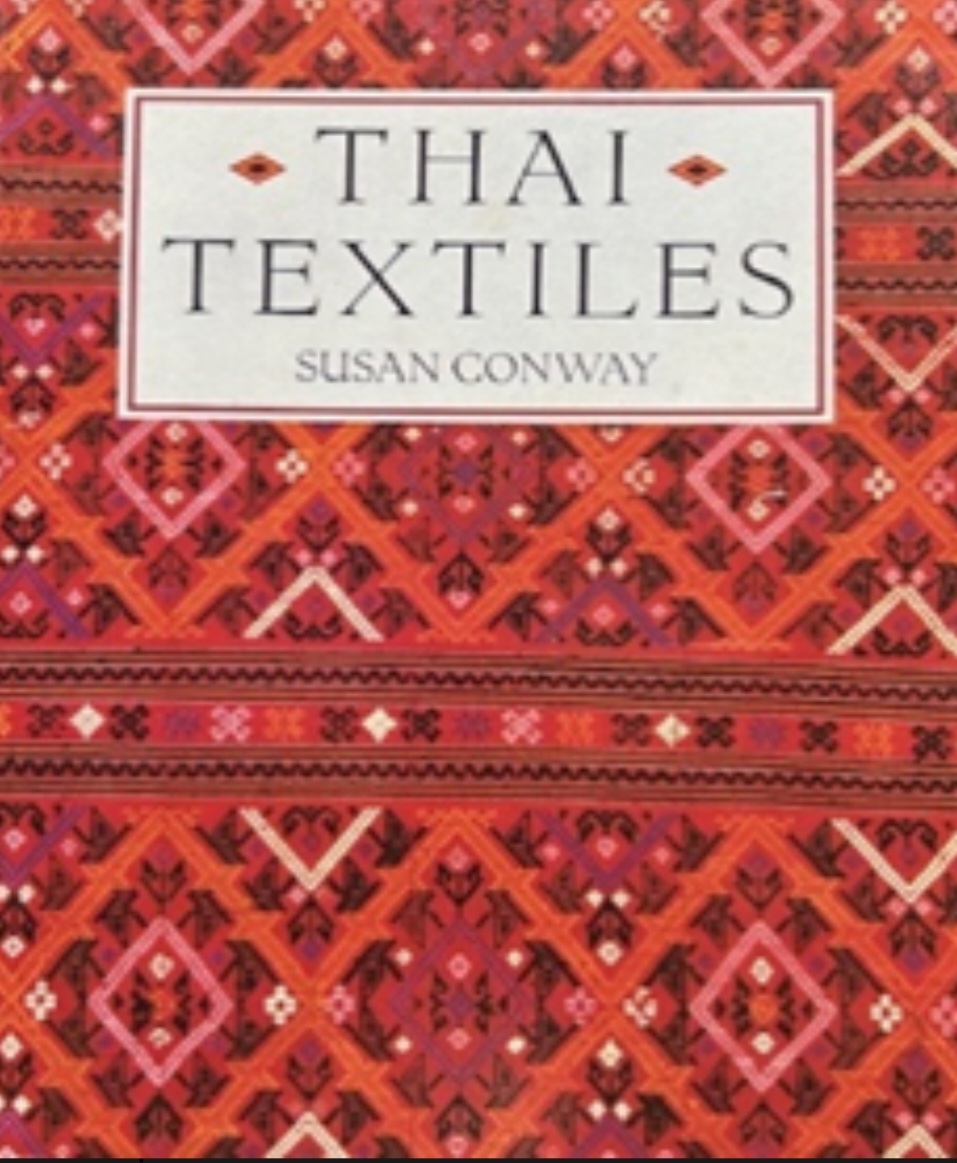
Author: Susan Conway, 1992. 192pgs. (English). Softcover
Publisher: The British Museum Press. London
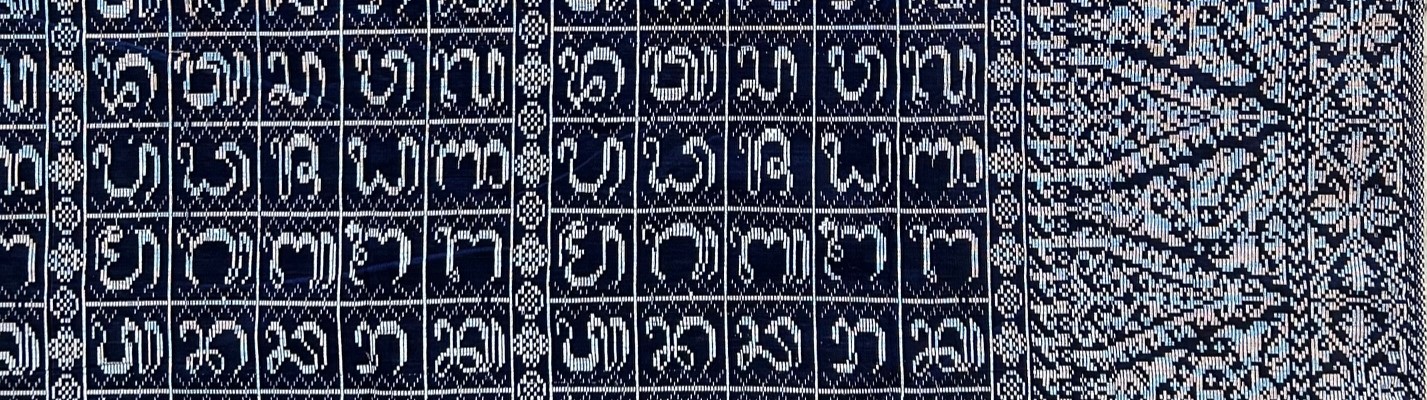
Following an introductory exploration of the historical and cultural foundations of the Thai peoples—including their textile traditions, religious practices, and social structures—the author proceeds to examine the distinctive textile heritage of Northern, Northeastern, Central, and Southern Thailand. This volume constitutes a substantive repository of knowledge on Thai traditional textiles and emerged as a seminal reference work for scholars and textile art historians during the final decade of the twentieth century.
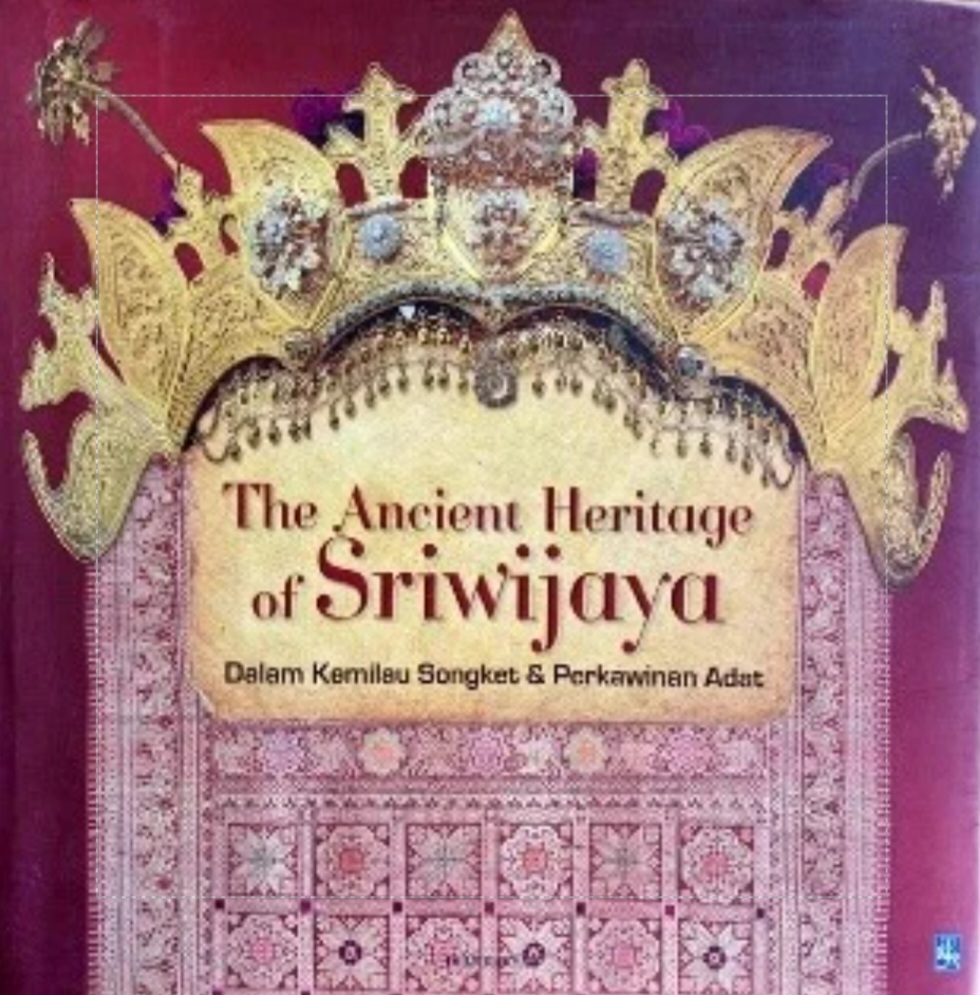
Author: Ayu Isni Karim, Rose Farieanna Rowi & Nining Irianingsih, 2010. 202pgs. (Indonesian). Hardcover.
Publisher: Dian Rakyat, Jakarta
This volume represents a substantive contribution to the study of Southeast Asian material culture, offering a richly illustrated exploration of Palembang’s ceremonial textiles and regalia. Its methodological strength lies in the integration of visual documentation with historical contextualization, situating songket weaving within the longue durée of regional political and cultural transformations. By juxtaposing the maritime grandeur of the Sriwijaya polity with the later Palembang sultanate, the authors foreground the continuity of textile traditions as both aesthetic practice and socio-political discourse. The analysis of the lepus—a textile entirely enveloped in gold thread—demonstrates the authors’ attentiveness to the semiotics of prestige and ritual authority. Motifs such as pucuk rebung (bamboo shoots) are not treated merely as decorative patterns but as encoded symbols articulating cosmological order, hierarchical power, and religious evolution. In this regard, the book advances an interpretive framework that aligns with broader debates in ethnographic textile studies, where cloth is understood as a medium of cultural inscription and social negotiation. Nevertheless, the work’s emphasis on ceremonial regalia and matrimonial traditions positions it more firmly within the domain of visual anthropology than within conventional historiography. Readers seeking a systematic account of military or political structures may find the narrative less comprehensive in those respects. Yet, this focus is precisely what renders the book valuable: it privileges the lived, symbolic, and ritual dimensions of history, thereby enriching our understanding of Southeast Asian cultural heritage. In sum, the volume is recommended for cultural anthropologists, textile collectors, and historians of Southeast Asia. It succeeds not only as a visual archive but also as an interpretive text that underscores the epistemological importance of textiles in reconstructing historical consciousness. Its contribution lies in reframing cloth as both artifact and narrative, a dual role that continues to challenge and expand disciplinary boundaries.
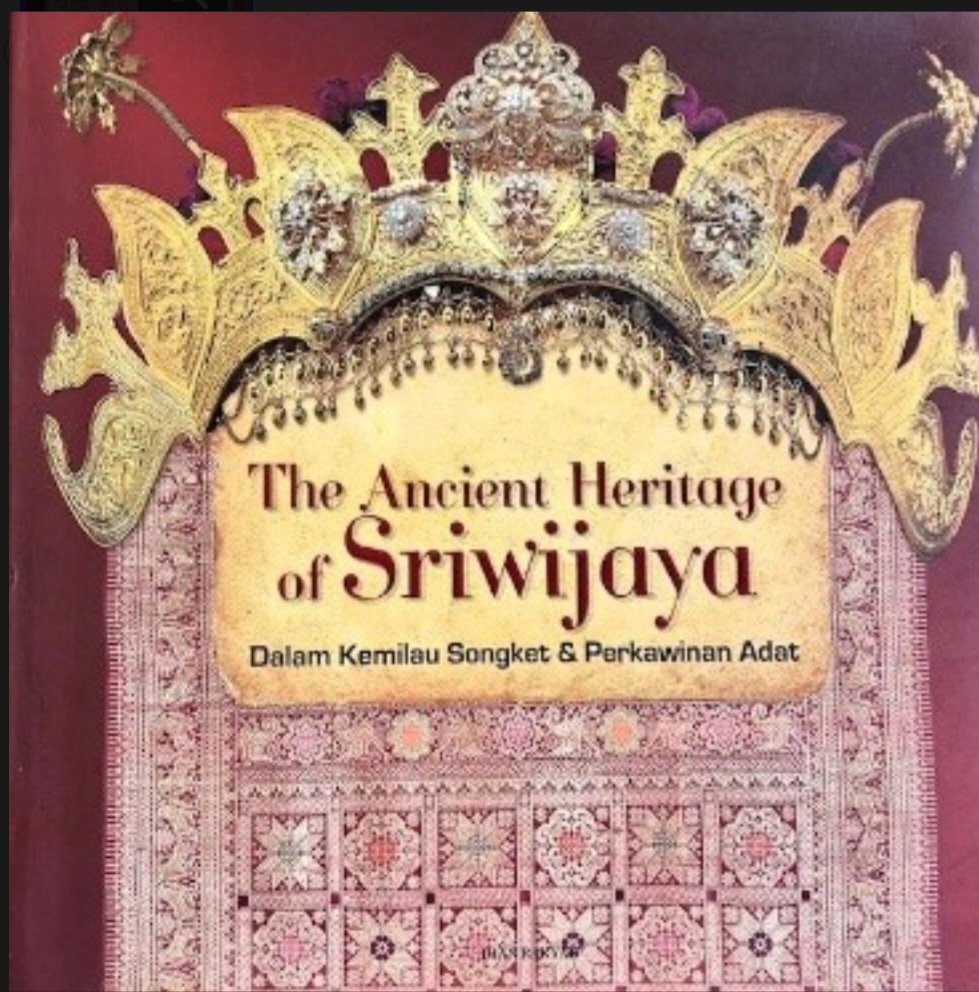
Author: Ayu Isni Karim, Rose Farieanna Rowi, & Nining Irianingsih, 2010. 204 pgs. (Indonesian). Hardcover.
Publisher: Dian Rakyat, Jakarta
This volume undertakes a comprehensive exploration of the historical trajectory of the ancient Sriwijaya kingdom, culminating in the emergence of Palembang Darussalam. Within the cultural fabric of Palembang, songket—a supplementary gold-weft weaving—and limar—an ikat weft weaving—occupy a position of profound significance. Songket functions not merely as ornamentation but as a symbolic medium of communication, accompanying the community through pivotal stages of the life cycle. The authors present a meticulous classification of songket varieties, examining their motifs and elucidating the philosophical dimensions embedded in Palembang weaving traditions, including the chromatic symbolism associated with diverse colors. Complementing these textiles, jewelry assumes an equally vital role, serving as an emblem of identity and social meaning within Palembang society. Situated along the Musi River, Palembang has long been a nexus of intercultural exchange, shaped by centuries of interaction with Arab, Chinese, and Indian traders. This cosmopolitan heritage has given rise to one of Indonesia’s most elaborate and aesthetically rich wedding traditions. Ultimately, this book constitutes a valuable contribution to the corpus of Indonesian textile studies and serves as an authoritative reference for the traditions and cultural heritage of South Sumatra.
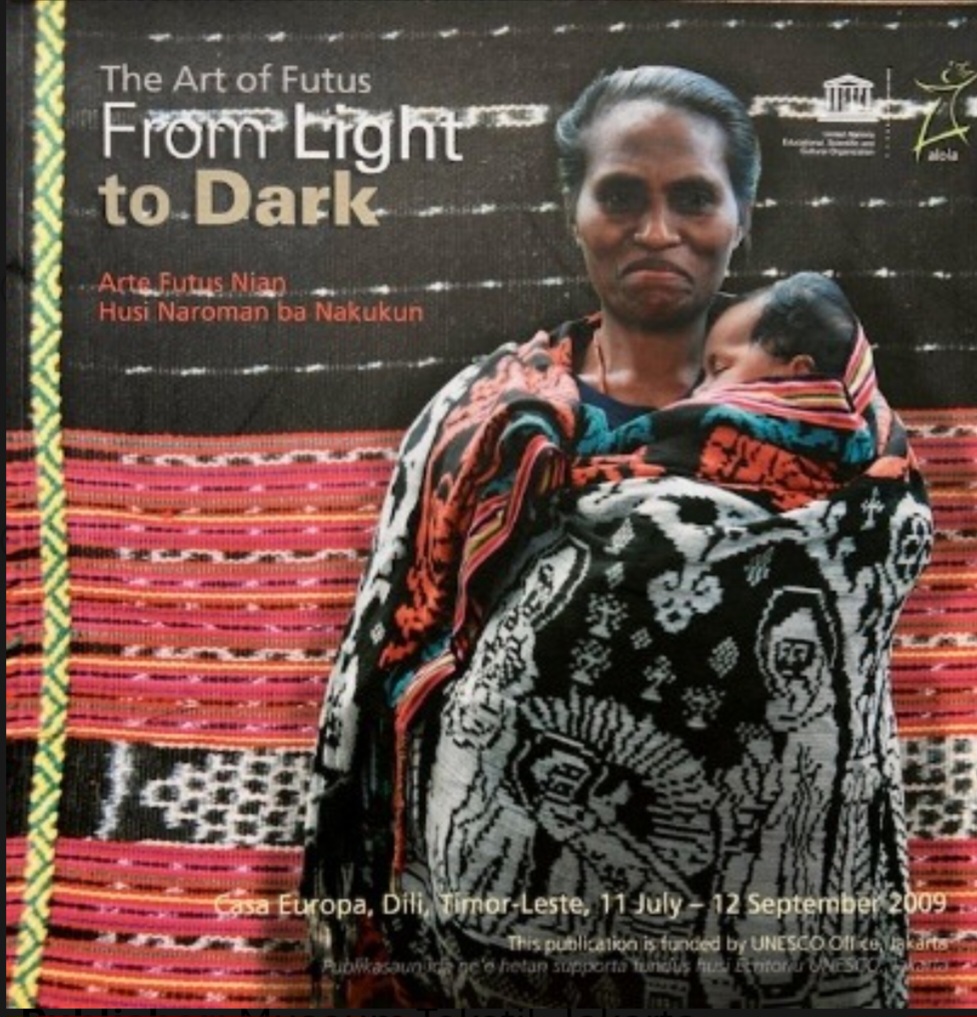
Author: Joanna Barrkman, 2013, 46pg. (Indonesian & English). Softcover.
Publisher: Museum Tekstil, Jakarta
The volume The Art of Futus: Ikat Weaving of Timor-Leste presents a compelling exploration of the nation’s rich textile heritage. It showcases the aesthetic and cultural diversity of ikat traditions across multiple regions, including Morobo, Bobonaro, Oecusse, Cova Lima, Lautem, and Baucau. Accompanied by scholarly essays, the book situates these textiles within their local contexts, highlighting both technical mastery and symbolic resonance. The woven works of Timor-Leste reveal recurring motifs and thematic continuities that not only embody local identity but also demonstrate affinities with the neighboring Tetun communities of West Timor, Indonesia. These shared visual languages and symbolic meanings underscore the deep historical, cultural, and social interconnections across the island, while simultaneously affirming the distinctive artistry of Timorese weavers.
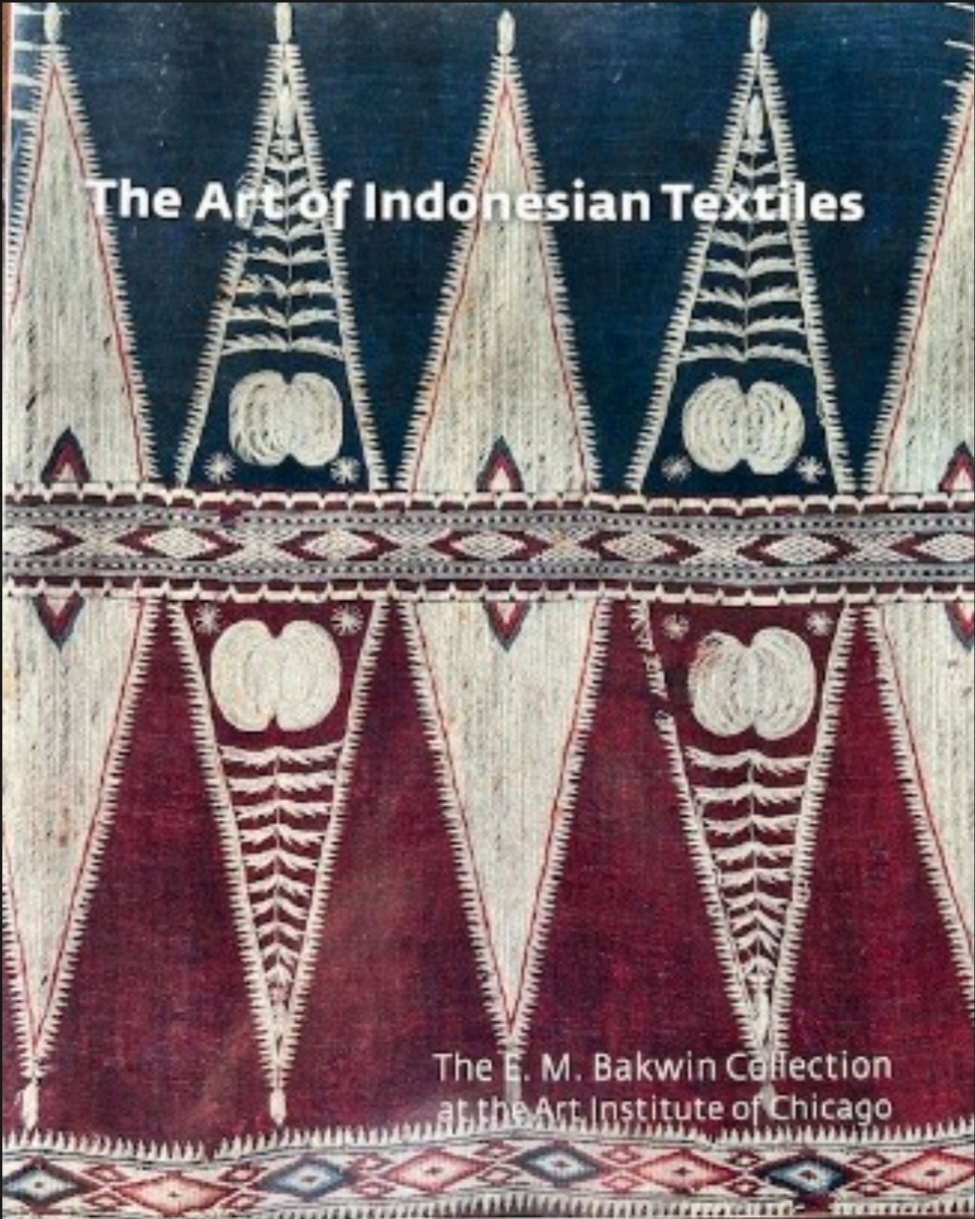
Author: Essays by: Brigitte Khan Majlis, 2007. 112pg. (English), Softcover.
Publisher: Yale University Press, New Haven, Conn, USA
The volume presents nearly seventy exemplary works from the Bakwin Collection of Indonesian Textiles, which was formally incorporated into the Art Museum in 2002. Accompanying essays, authored by Brigitte Khan Majlis—an eminent authority on Indonesian textile traditions—provide scholarly context and interpretive insight. Readers encounter a diverse array of ceremonial fabrics, ranging from monumental wall hangings to intricately woven sarongs, while the text investigates the origins, symbolic motifs, and ritual functions embedded within these cloths.
Page 89 of 108