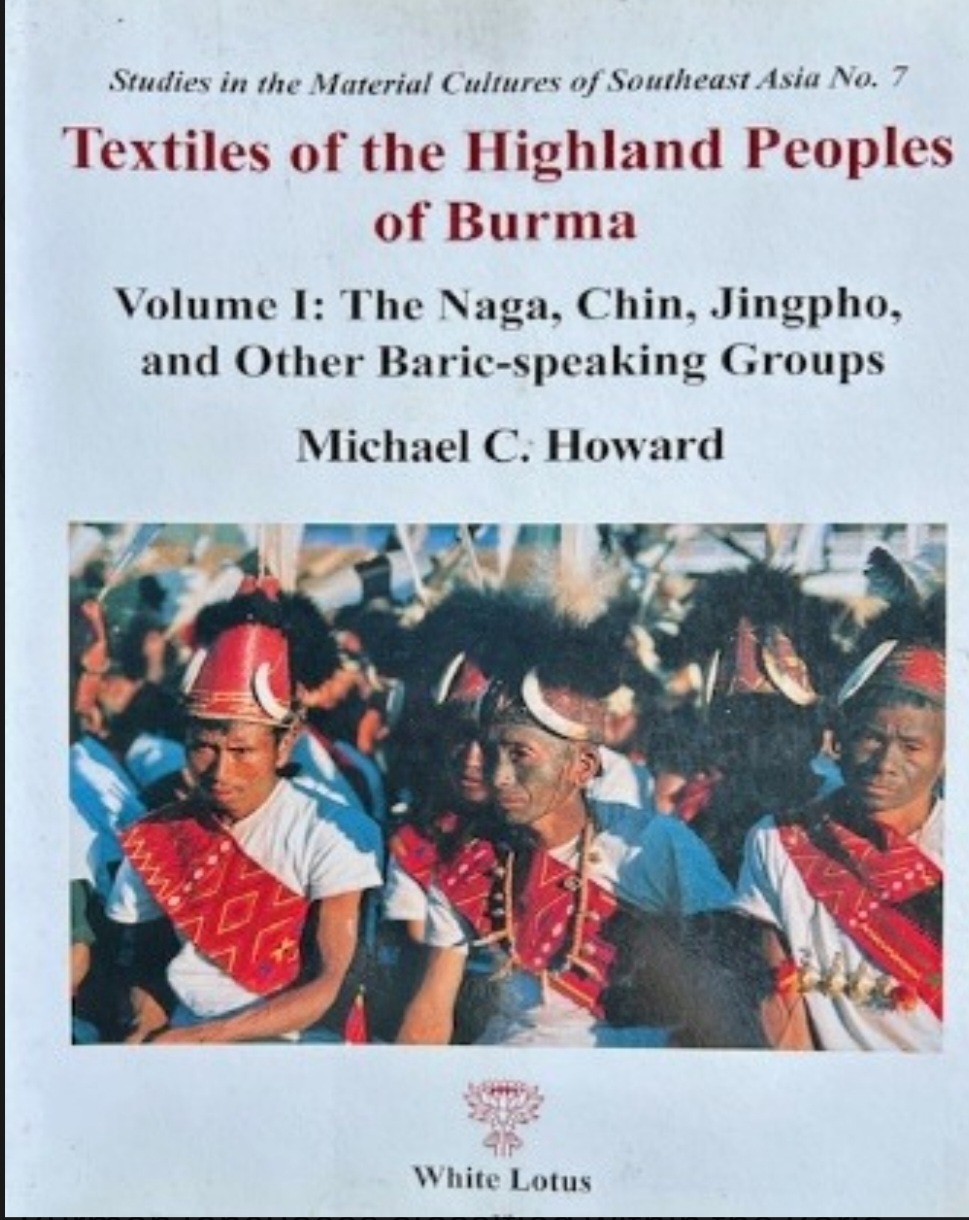
Author: Michael C. Howard. 2005. 354pgs. (English). Softcover Studies in the Material Cultures of Southeast Asia Series no.7
Publisher: White Lotus, Bangkok
Volume I concentrates on the speakers of Tibeto-Burman languages classified within the Baric subgroup. The majority of these communities inhabit the western highlands of Burma, extending into adjacent regions of Bangladesh and India. This volume provides a contextual introduction to these populations and offers a comprehensive survey of their textile traditions.
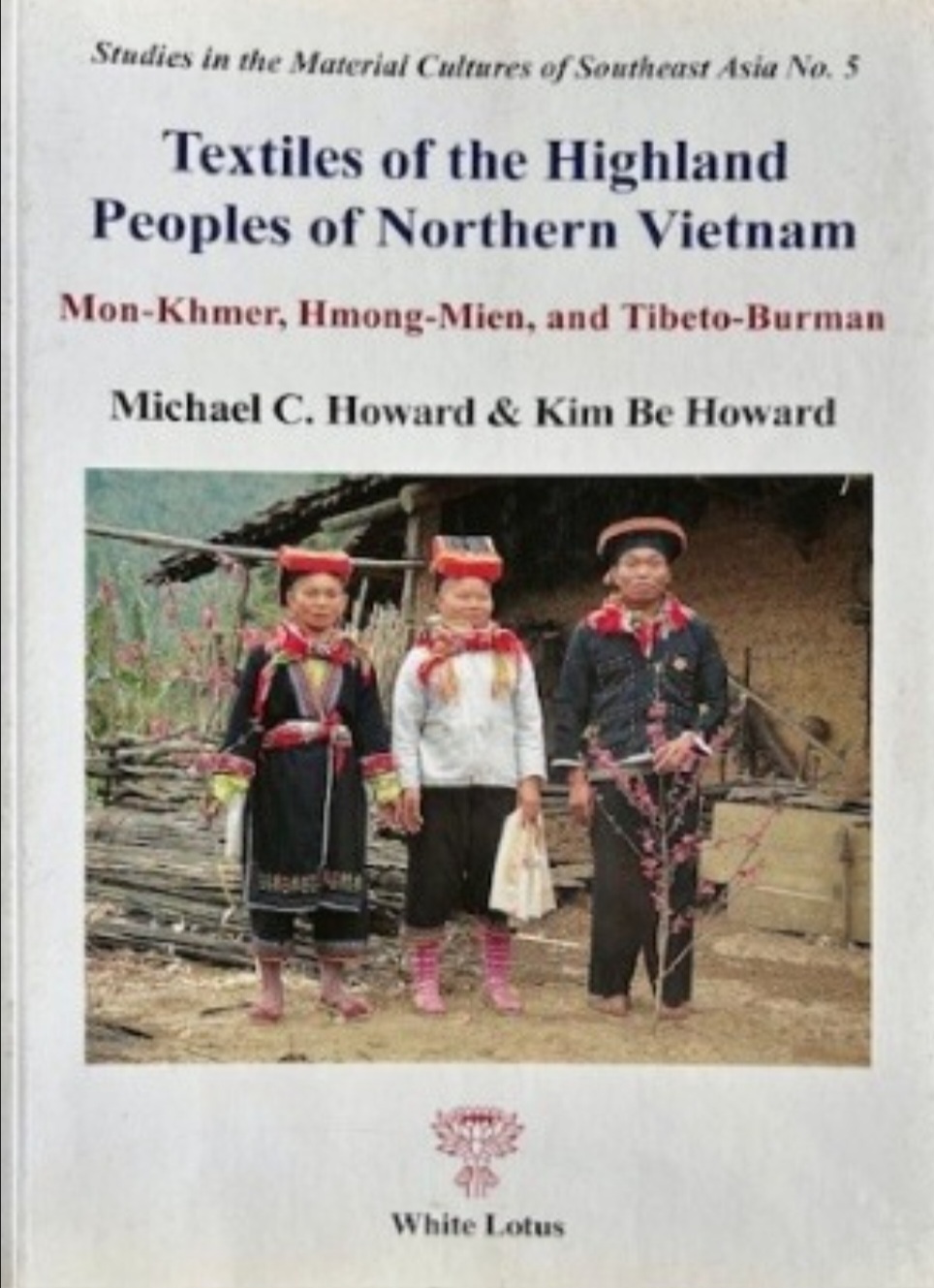
Author: Michael C. Howard, Kim Be Howard, 2002. 224pgs. (English). Softcover. Studies in the Material Cultures of Southeast Asia Series no.5
Publisher: White Lotus, Bangkok
This volume constitutes the concluding installment in the comprehensive survey of the textile traditions of Vietnam’s highland minority communities. It offers an in-depth examination of the material culture and aesthetic practices of groups whose languages are classified within the Mon–Khmer, Hmong–Mien, and Tibeto–Burman families. By situating these textile traditions within broader ethnolinguistic frameworks, the study underscores the intricate interplay between cultural identity, linguistic heritage, and artisanal production.
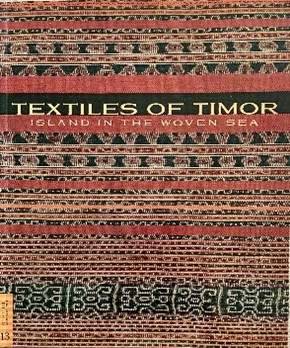
Author: Roy W. Hamilton & Joanna Barrkman, Editors. 2015. 252 pg. (English)
Publisher: Fowler Museum at UCLA, California
This is the first book on East Timor's textiles published after Timor Leste gained independence in 2002. It is a collection of essays and articles written by a distinguished team of textile experts who focusses on the traditional textiles of Eastern Timor. The book accompanies an exhibition with the same title.
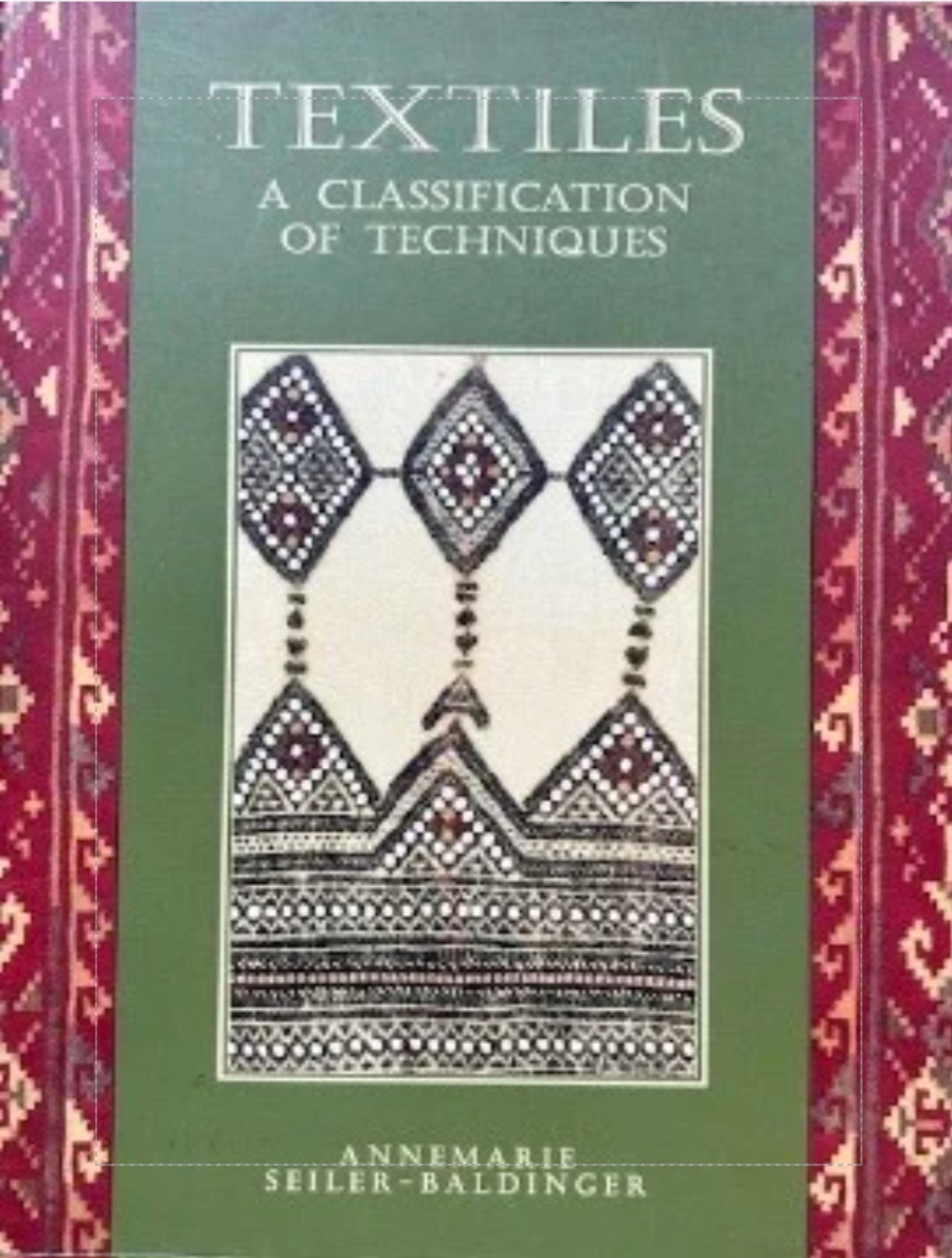
Author: Annemarie Seiler-Baldinger, 1994, 256pg. (English). Softcover.
Publisher: Crawford House Press, Bathurst, NSW, Australia
This book is a translation of the completely revised and expanded edition of “Systematik der Textilen Techniken”, which appeared in 1991 (Basler Beitrage zur Etnologie vol.32), based on the groundbraking work of Kristin and Alfred Buhler-Oppenheim. It focusses primarily on production processes and only secondarily on structure. As the title suggests classification is based essentially on techniques.
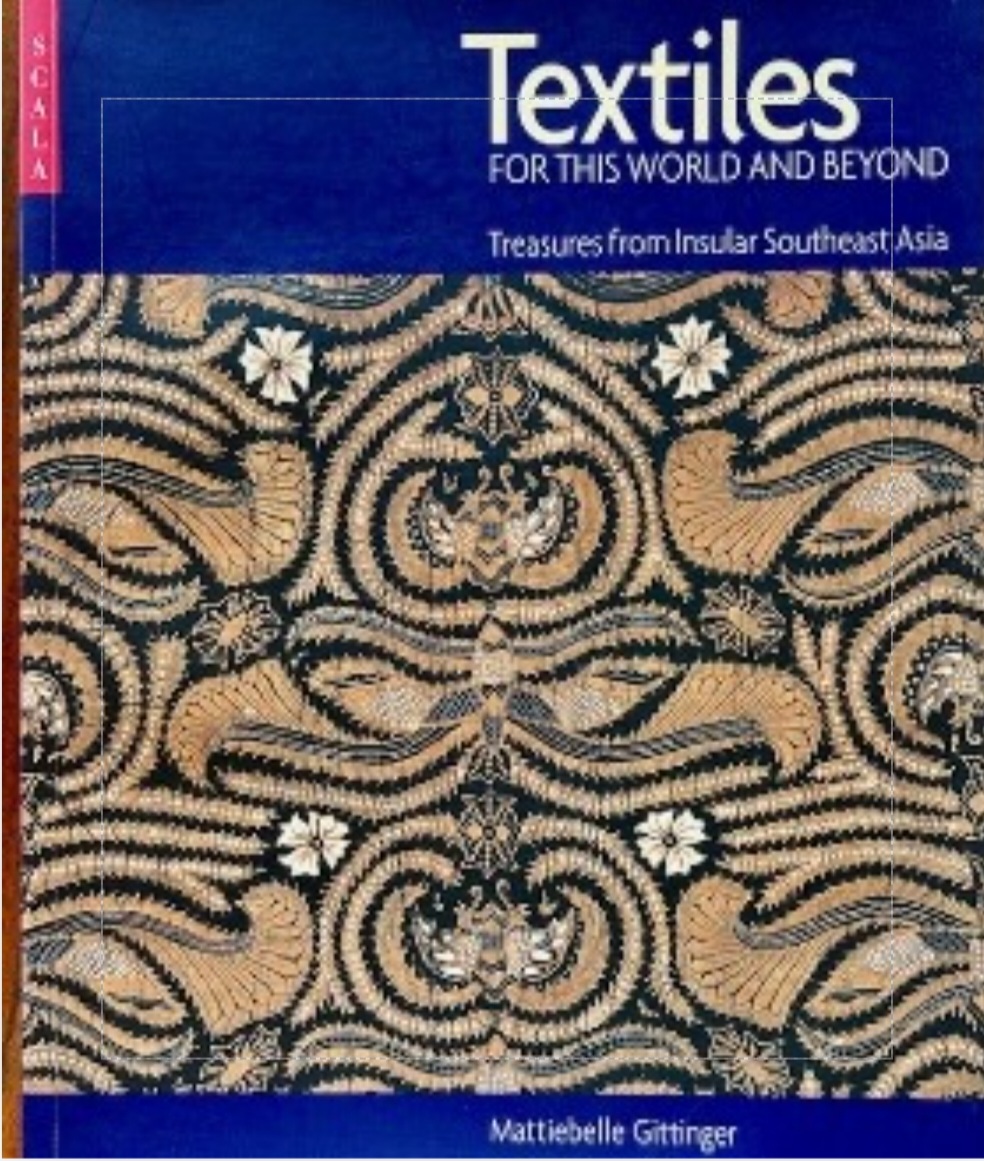
Author: Mattiebelle Gittinger, 2005, 136pg. (English). Softcover Catalog
Publisher: Scala, New York and London
This richly illustrated volume was published to accompany the exhibition “Textiles for This World and Beyond” at the Textile Museum in Washington, D.C. It represents a groundbreaking scholarly inquiry into the cultural significance of cloth—its social functions and the symbolic messages encoded within color, pattern, and technique. Spanning Muslim, Christian, and Hindu communities in Indonesia and Malaysia, the book demonstrates how these societies share a common heritage: an extraordinary recognition of the transformative power of textiles. Prior to the commodification of cloth and its reduction to mere objects of trade, textiles held profound meaning across all dimensions of life. They served as divine gifts bestowed upon rulers, supreme honors for the deceased, emblems of contractual alliances and obligations, and manifestations of beauty, prestige, and identity. The intricate details of Southeast Asian textile production and usage thus constitute a historical record, weaving together the narratives of diverse societies. Elegantly designed and intellectually rigorous, this publication offers a compelling examination of the enduring legacy of textiles in Southeast Asia, situating them as both aesthetic achievements and vital cultural artifacts.
Page 88 of 108