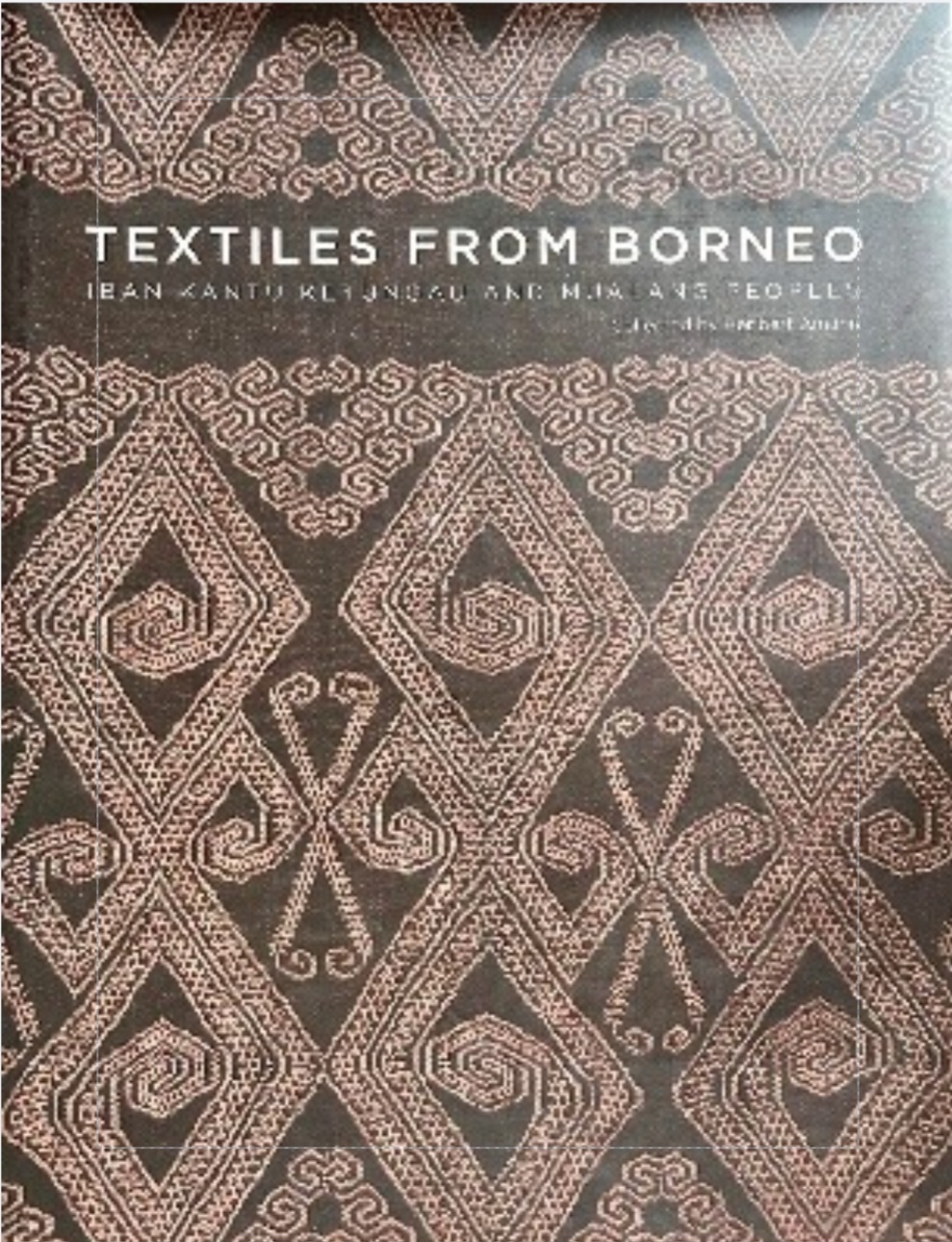
Author: Brigitte Khan Majlis, 2013. 221 pg, (English), hardcover
Publisher: 5 Continents Editions, Milan
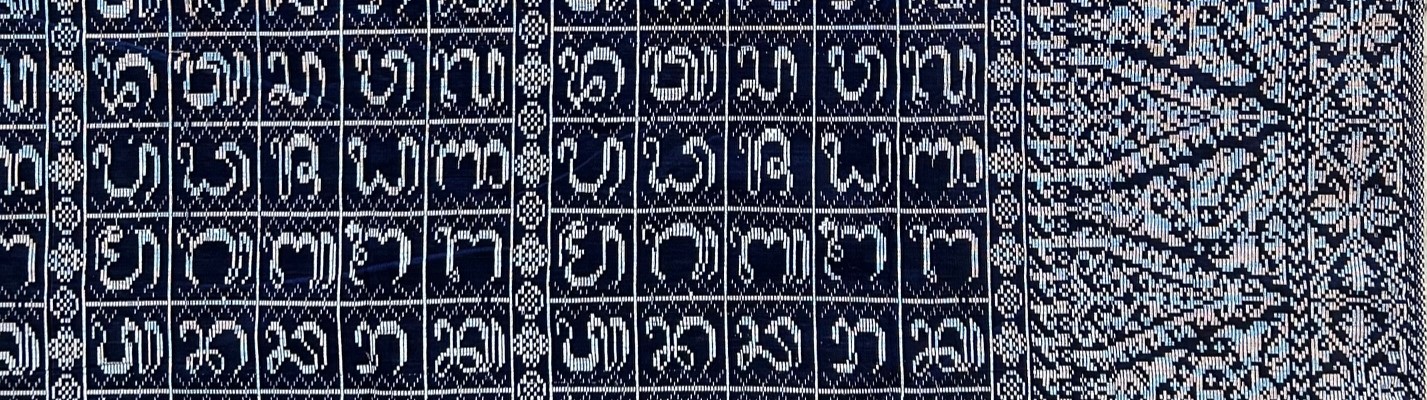
The textile arts from Northern Borneo made by the Iban, Kantu, Ketungau, and Mualang people are highly distinctive, and extraordinary rich. These cloths are used in rites of passage – birth, marriage and death. This remarkable book has 150 full-page brilliant color photographs, which sheds new light on this timeless tradition. The textiles are ceremonial pieces and woven using traditional ikat techniques.
Author: Elizabeth Dell & Sandra Dudley, Editors, 2003, 192pg. (English)
Publisher: Art Media Resources, Chicago, USA
The book "Textiles from Burma" highlights the rich textile traditions of the region, featuring illustrations from the James Henry Green Collection at Brighton Museum and other global collections. It explores the history, production, significance, and ongoing impact of Burmese textiles within social and cultural contexts.
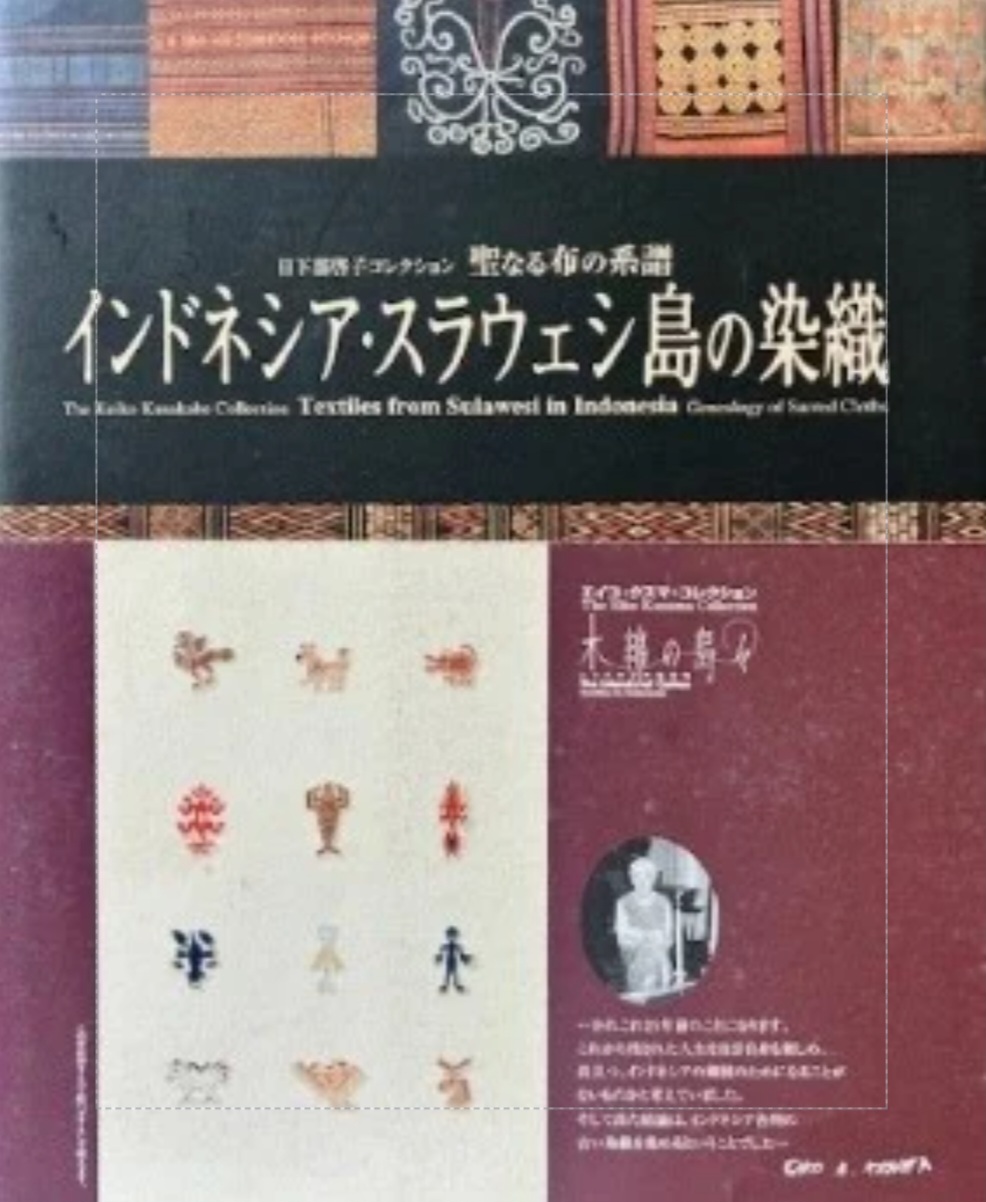
Author: Keiko Kusakabe, 2006. 135pg. (English and Japanese). Softcover.
Publisher: The Fukuoka Art Museum, Japan
In her decade-long exploration of textile traditions among the Sa’adan Toraja of South Sulawesi, Keiko Kusakabe characterizes these fabrics as “A Gift from the Land.” This volume presents her research on ritual attire for the deceased and the sacred cloths employed in funerary ceremonies. Sa’adan Toraja textiles are deeply venerated, preserved as heirlooms across generations, and serve as a vital medium of connection between the community and its deities. Published in conjunction with an exhibition held at the Fukuoka Art Museum, Japan, from November 1 to December 26, 2006, the book highlights the distinctive warp ikat ritual cloths and batik resist-dyed banners that have long defined the visual identity of Toraja textiles. It further introduces tablet-woven fabrics—previously unknown beyond the region—as well as other ceremonial cloths produced through intricate and highly specialized weaving techniques.
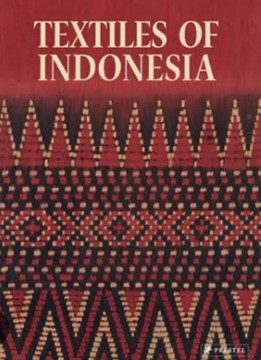
Author: Thomas Murray et al. 2022. 526 pg. (English).
Publisher: Prestel. Munchen, Germany
This comprehensive volume showcases ancient textile pieces from Lampung, Batak, Dayak, and Toraja in Sulawesi, as well as rare textiles from Sumba and Timor. It features contributions from fourteen authors, including five analytical chapters that cover topics such as dyeing techniques, beading methods, motif study and interpretation, the use of metallic threads in textiles, and the application of radiocarbon dating for textiles in the Murray Collection. This book serves as an excellent, well-informed reference for textile enthusiasts.
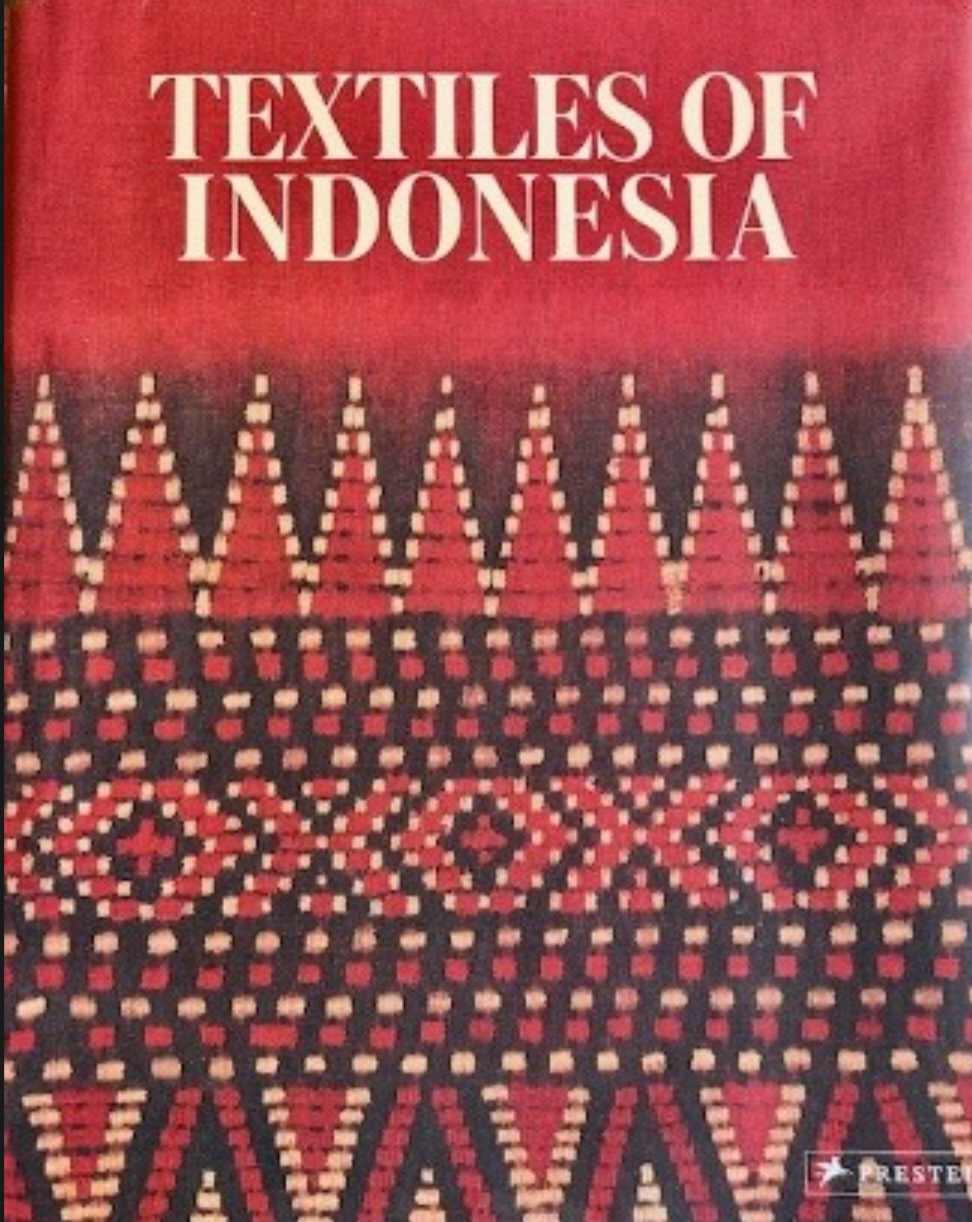
Author: contributions by Lorraine V. Aragon, Joanna Barrkman, Christopher Buckley, Crystal Hale, Valerie Hector, Janet Alison Hoskins, Itie van Hout, Etsuko Iwanaga, Fiona Kerlogue, Eric Kjellgren, Brigitte Khan Majlis, Robyn Maxwell, Thomas Murray, Sandra Sardjono. 2022. 526pgs. (English). Hardcover.
Publisher: Prestel Publishing, California, USA
Drawn from one of the leading textile collections, this magnificently presented array of traditional weavings from the Indonesian archipelago, provides a unique window into the region’s cultures, rites and history. The objects comprise ritual clothing and ceremonial cloths, that tell us much about the traditions of pre-Islamic Indonesian cultures, as well as about the influence of regional trade with China, India, the Arab world and Europe. Geographically arranged, this volume pays particular attention to textiles from the Batak, and the Lampung regions of Sumatera, the Dayak of Borneo and the Toraja of Sulawesi, as well as rare textiles from Sumba, Timor and other islands. Original text written by leading international experts draw on the latest research to offer historical context, unravel the mysteries behind ancient iconography and provide new insights into dating and provenance.
Page 86 of 108