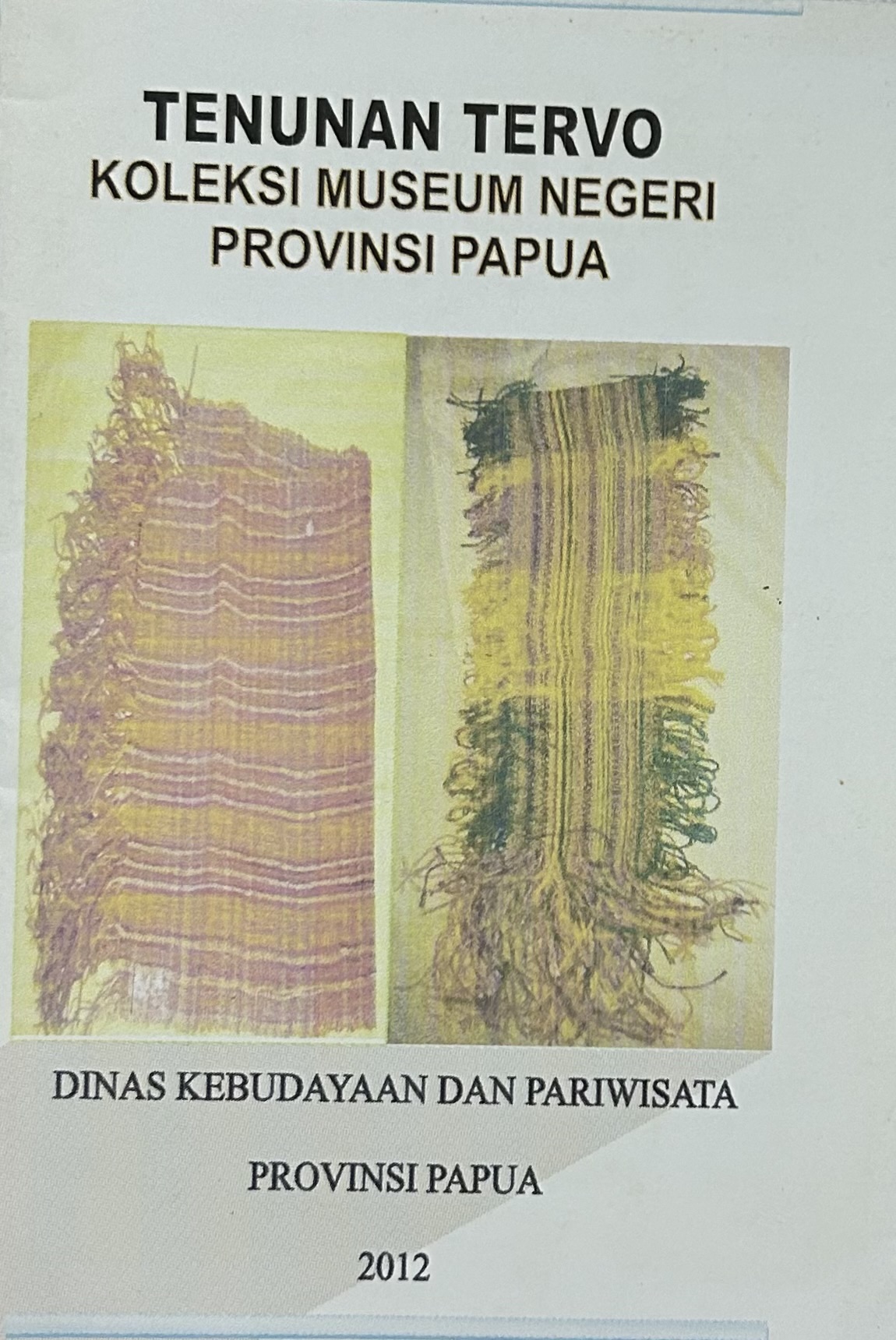
Author: Yakomina Rumbiak, 2012. 18pg. (Indonesian)
Publisher: Dinas Kebudayaan dan Pariwisata, Prov. Papua
At the time this booklet was created, Tervo weavings were the only known textiles in Papua. Information regarding traditional textiles, particularly about Tervo, is quite limited. The Tervo samples included in the booklet are part of the collection at the Papua State Provincial Museum in Jayapura. This booklet was written by Yakomina Rumbiak, who was the Museum's Director at that time.
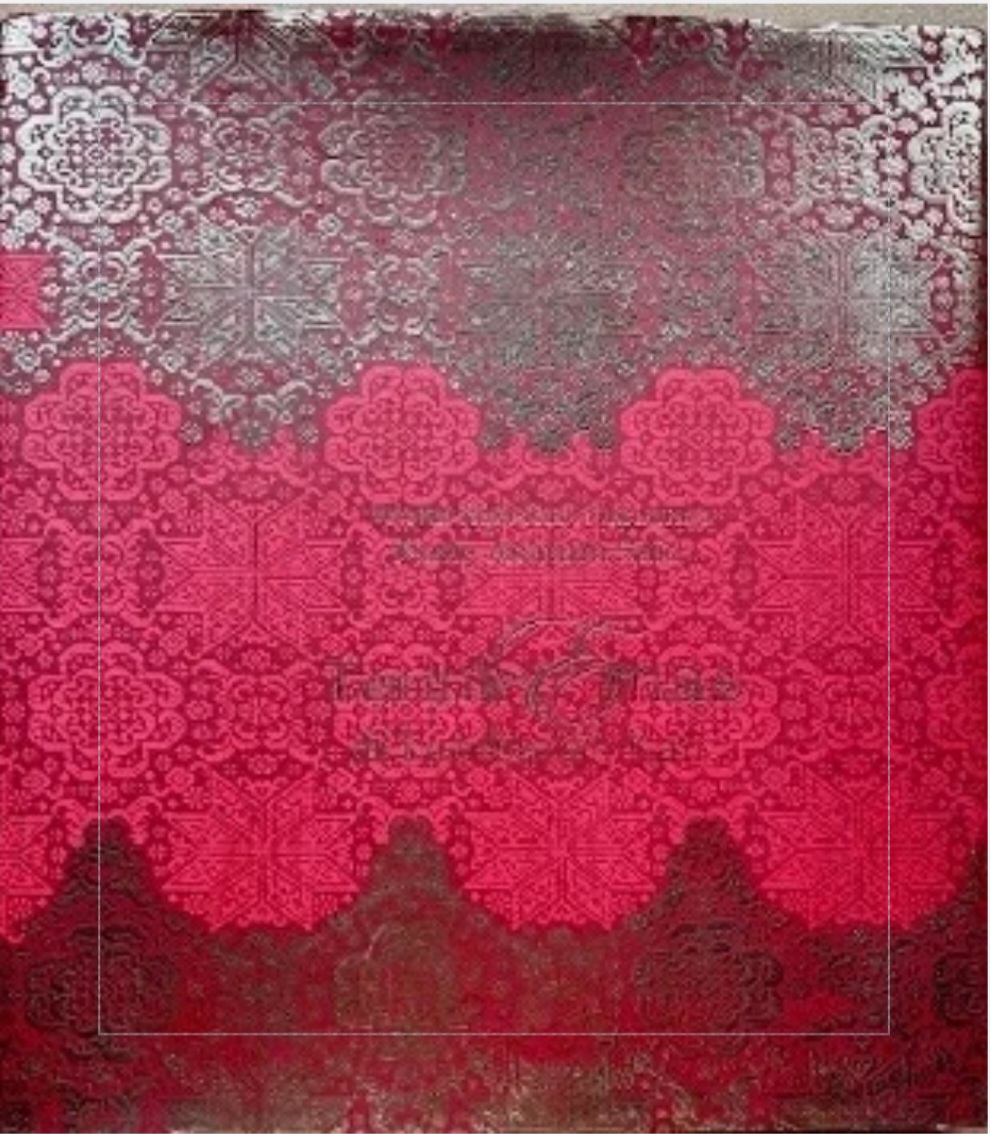
Author: Curatorial Team, 2009, 289pg. (Indonesian). Hardcover
Publisher: self
Nuny’s Nusantara Collection showcases the richness of Indonesian textile artistry. At its heart is her exquisite Songket Palembang collection, complemented by vibrant Jumputan (tie-dye) cloths from Palembang and distinctive batiks crafted in Cirebon for Palembang’s cultural audience. Her Nusantara weavings are equally noteworthy, while her Batik Collection stands out as truly exceptional. Together, these works form a beautiful coffee table book that celebrates heritage and craftsmanship.
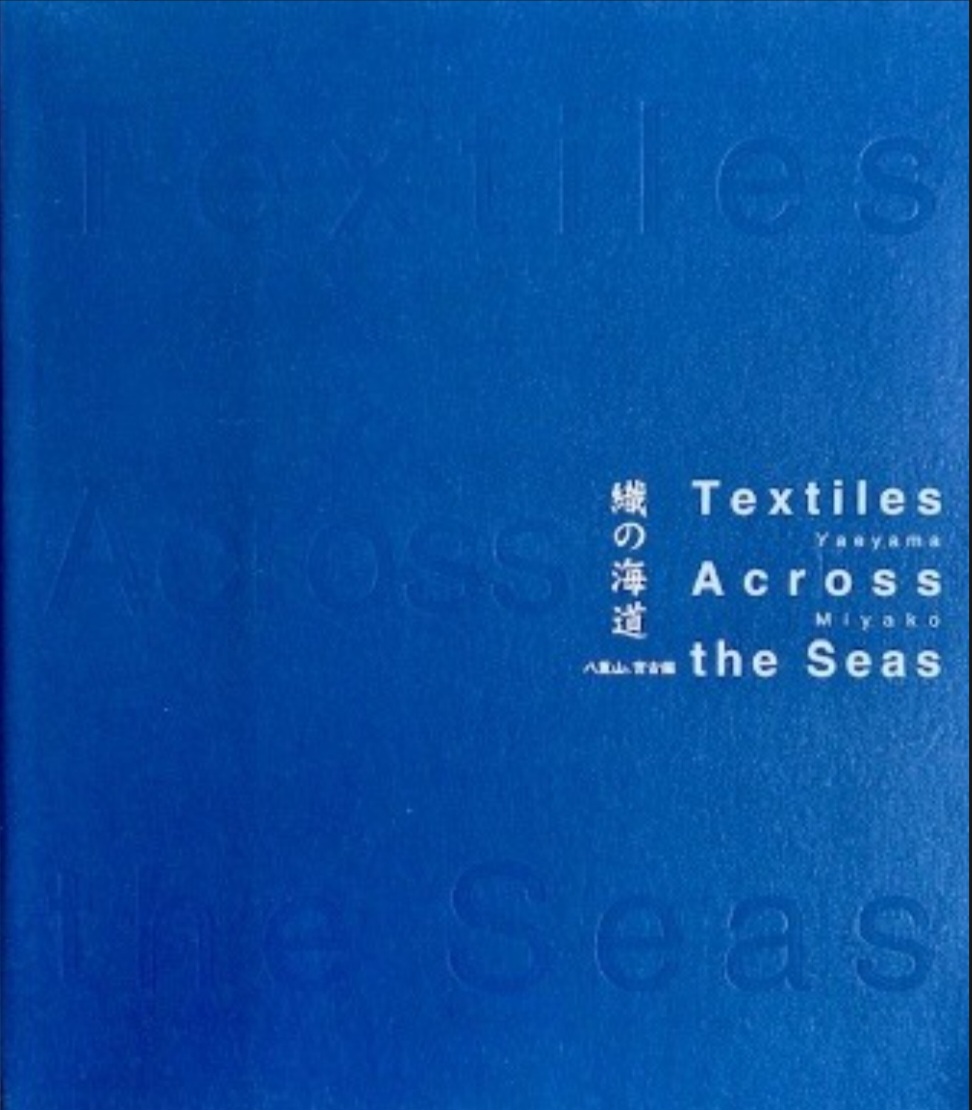
Author: Executive Committee 2002. 284pgs. (Japanese and English). Softcover
Publisher: Tanaka Shigeru & Naito Minoru, Japan
The volume foregrounds the textile traditions of the Miyako and Yaeyama islands of Okinawa, as well as those of southern Kyushu and Kurume, emphasizing their distinctive weaving methodologies and profound cultural significance. The evolution of weaving in Okinawa was largely conditioned by political forces, whereas the development of mainland Japanese weaving practices was predominantly driven by economic imperatives. Ikat weaving, originating on Okinawa Island, subsequently disseminated across the archipelago. In contemporary times, however, the textile industries of Miyako and Yaeyama face marked decline. This work thus seeks to safeguard and perpetuate the heritage of Okinawan weaving, ensuring its transmission to future generations.
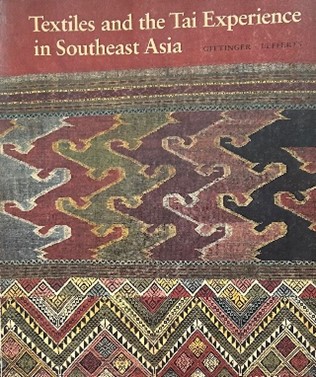
Author: Mattiebelle Gittinger, 1992. 226pg. (English)
Publisher: The Textile Museum, Washington DC
This volume delivers a vital contribution to the study of Southeast Asian textiles, with a strong focus on Tai textiles. The authors expertly combine a detailed examination of social context, ritual usage, and trade with incisive analyses of specific pieces. The book is structured into two distinct parts: the first provides a thorough overview of forms and meanings, while the second investigates textile types associated with Buddhism, royalty, and personal identity. It is an essential resource replete with rich ethnographic and historical detail.
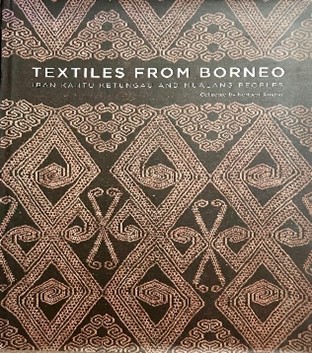
Author: Collected by Heribert Amann. 2013. 223 pg. (English)
Publisher: 5 Continents Editions, Italy
This book chronicles the journey of an avid traveler and passionate collector of indigenous Kalimantan ceremonial textiles. It features stunning black-and-white photography from the 1970s by Hedda Morrison, along with 150 full-page color images. The volume includes valuable contributions from various textile experts, providing new insights into the Dayak people and their textiles, shedding light on this timeless tradition.
Page 85 of 108